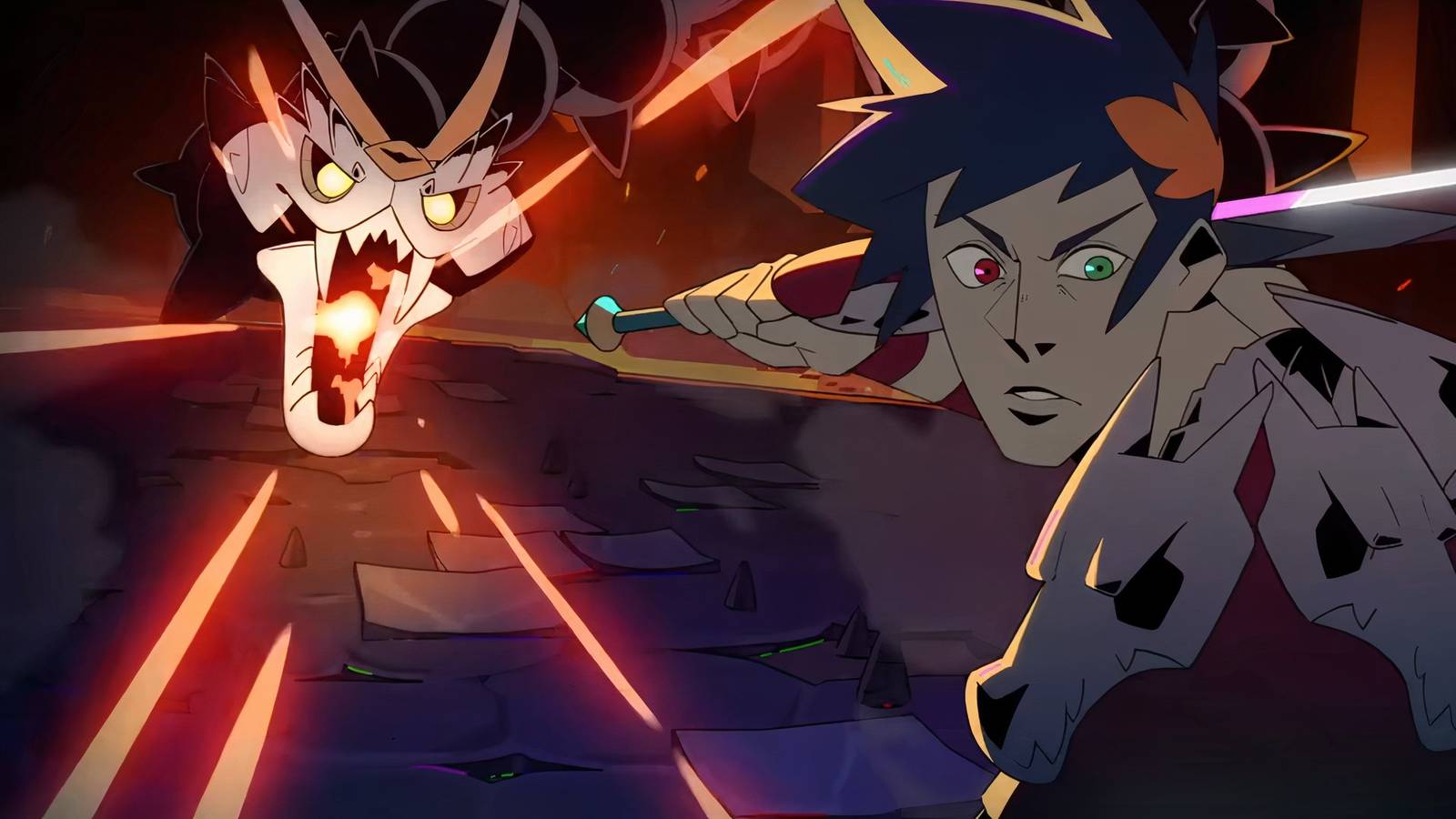



Roguelikes have a weird way of making failure entertaining, and Hades is probably one of the best examples of how well this approach works. Players can basically spend the entire run trying to defeat their enemies, fail miserably, but still start all over again and even be happy to do it because there is simply always another approach worth trying. It is a clever formula that encourages replayability aggressively, which is one of the reasons why Hades is such a recognizable name in the genre, after all. It seems like Tenjutsu is very aware of what made Hades so successful, and the game is trying to build upon this idea.
In Tenjutsu, players’ decisions don’t just determine how the next encounter will play out but also how difficult future enemies become. The new title was developed by the designer of Dead Cells, and it is expected to launch on Nintendo Switch 2 in 2027. And even though competing with Hades is a pretty huge challenge, the unusual approach to player choice gives the new title an opportunity to bring something different to the genre.
Tenjutsu Makes Every Strategic Decision Matter Far Beyond the Next Fight
Usually, roguelike action games give players several enemies to defeat, and it doesn’t really matter which one they are going to kill first. In Tenjutsu, the city is controlled by four criminal syndicates, and although players can dismantle them in whatever order they want, the organizations they leave standing will become progressively stronger and more difficult to defeat. This creates an interesting dilemma, because if a player chooses an easier target to start with, the other ones that are more difficult anyway will become even more challenging. But then, if a player tackles the more difficult ones first, the easy ones will no longer be easy by the time it’s their turn.

Guess the games from the emojis.
So, instead of just having players react to whatever pops up in front of them, the game actually requires them to think about what strategy would be the most beneficial. Moreover, getting rid of criminal syndicates comes with other benefits as well, because players get to gradually reclaim the city and rebuild it. This includes opening shops and restaurants, unlocking shortcuts, acquiring new weapons, and getting access to combat techniques. This gives the game a very solid progression system, and considering how important this is to the roguelike genre, having an entire city to restore is great by many people’s standards.
If the developers manage to play their cards right, Tenjutsu could become a worthy opponent of Hades.
What makes this particularly appealing is that players will have something tangible to show for their progress, especially since an open shortcut, for example, can change the way subsequent runs are experienced. So, in other words, not every achievement is about making a player’s character more powerful, and to be fair, transforming a place is always a rewarding experience. Of course, even the best idea in the world cannot save a game if fighting the enemies included feels repetitive and boring. This is particularly important for roguelikes because players are expected to fight a lot anyway, but fortunately, Tenjutsu‘s combat is all about fast-paced encounters, martial arts, and different types of weapons, with an emphasis on tactical precision and experimentation.

Hades has already established its combat system, and many players seem to enjoy it, but putting martial arts at the center of the experience is what gives Tenjutsu an opportunity to distinguish itself. Moreover, by combining different weapons and fighting techniques, players will have another reason to experiment with the way they approach their enemies. In any case, whether the combat will be satisfying enough to compete with Hades still remains to be seen.
Tenjutsu Could Make Every Step of Progression a Double-Edged Sword
-
 Image via Deepnight Games
-
 Image via Deepnight Games
-
 Image via Deepnight Games
Going back to that interesting faction mechanic, it’s important to note that eliminating a criminal syndicate doesn’t just remove an enemy from the equation because it also contributes to rebuilding the city. In other words, spending more time developing the city means that other organizations still remain active and continue growing stronger. So, making progress in one area doesn’t mean that the game becomes easier. However, maybe certain upgrades and shortcuts could be useful against specific syndicates, so paying attention to the city may turn out to be equally important anyway.
For example, players might deliberately leave a dangerous organization standing so they can work towards unlocking a specific area in the city that will give them a better chance to defeat their enemies later. In any case, Tenjutsu could actually make planning ahead an important part of mastering the game’s mechanics, so even the most experienced players may have to think twice before committing to a strategy. Of course, there are plenty of hypothetical scenarios to develop here, but overall, if the devs manage to play their cards right, Tenjutsu could become a worthy opponent of Hades.