



Remake culture has run rampant in 2026. While new titles continue to be made, a large portion of gaming companies have chosen to update and remaster pre-existing titles like The Legend of Zelda: Ocarina of Time coming this November or Rayman Legends Retold coming this October, that boast large and intensely loyal fanbases. This includes Nintendo, which has been on a roll remaking some of its most popular Nintendo 64 titles. Enhancing graphics, updating outdated control schemes, and fixing poor camera systems seem like the right idea, especially as the demand for quality gameplay in the modern day increases.
Sitting with this idea, I have realized that gaming remakes are a tricky business that relies on a sort of balancing act. Change too much, and companies risk losing the core audience that made the game so influential. If companies change too little, is it really a remake? With Nintendo’s The Legend of Zelda: Ocarina of Time remake on the horizon, how much can a company modernize a foundational N64 game before it starts changing the game in its entirety, distancing itself from what it once was? While the remake treatment works in favor of some clunkier N64 titles, it might stand to hurt others.
The Key to Remaking N64 Titles is Changing, Updating, and Adding With Discretion
In exploring the slew of remakes that have come out over the last few years, I began to realize that less is more. Touching or altering key moments, characters, or plot lines is a no-no. Re-recording the audio, updating the visuals slightly, and fixing what bothered players in the original, a la control schemes or wonky camera, makes sense. Minimal retouches work because they enhance the overall experience of gameplay without completely scrapping the original.
Who’s That Character?

Identify the silhouettes before time runs out.
That being said, some are endeared to the wonkiness of their favorite originals, bad controls or graphic missteps and all. It’s a fine line that developers and large gaming companies must traverse when deciding to overhaul a title near and dear to gamers everywhere. Changing these games in their entirety would mean losing their quirks that make them special. This is something companies must keep in mind when remaking.
Minimal retouches work because they enhance the overall experience of gameplay without completely scrapping the original.
With that perspective in mind, Nintendo’s focus on N64 games in particular seems like a no-brainer. While the console’s titles are absolutely iconic, from Super Smash Bros., Kirby 64: The Crystal Shards, The Legend of Zelda: Majora’s Mask, and Donkey Kong 64, to the standout Super Mario 64, looking back, I realize there were a slew of mainly visual issues, which could be altered with a proper remake.
Playing them today, I remember I was pretty much ripping my hair out when it came to dealing with the clunky, rigid third-person camera, especially in Super Mario 64. All that being said, many people, including myself, go hard defending N64 games. Many important franchises began on the N64, so its importance, despite its flaws, cannot be overstated.
That is why Nintendo took such care when re-upping Star Fox 64, widely considered the gold standard for the series. I believe this remake was widely well-received because Nintendo gently polished the title, rather than completely changing it. Level designs were beautifully and, most importantly, faithfully updated for modern players, and the controls were smoothed out for a less-clunky experience. Additionally, story and cutscenes were expanded upon, which added more depth and context to an already beloved plot line. Voice work was re-recorded and re-directed to change line delivery, while still keeping in those iconic moments.
Nintendo even added a sweet orchestral soundtrack, which made action scenes feel more high-stakes and alive. As for new content, a dedicated Challenge Mode was introduced which entailed level-specific challenges with goals that gave seasoned players new reasons to pick up the controller. In short, Nintendo fed longtime fans a few bite-sized pieces of new content, while remaining faithful to what made the game so iconic in the first place. Rather than steamrolling over the quirks of the original, Star Fox embraced those quirks and polished them to a shine.
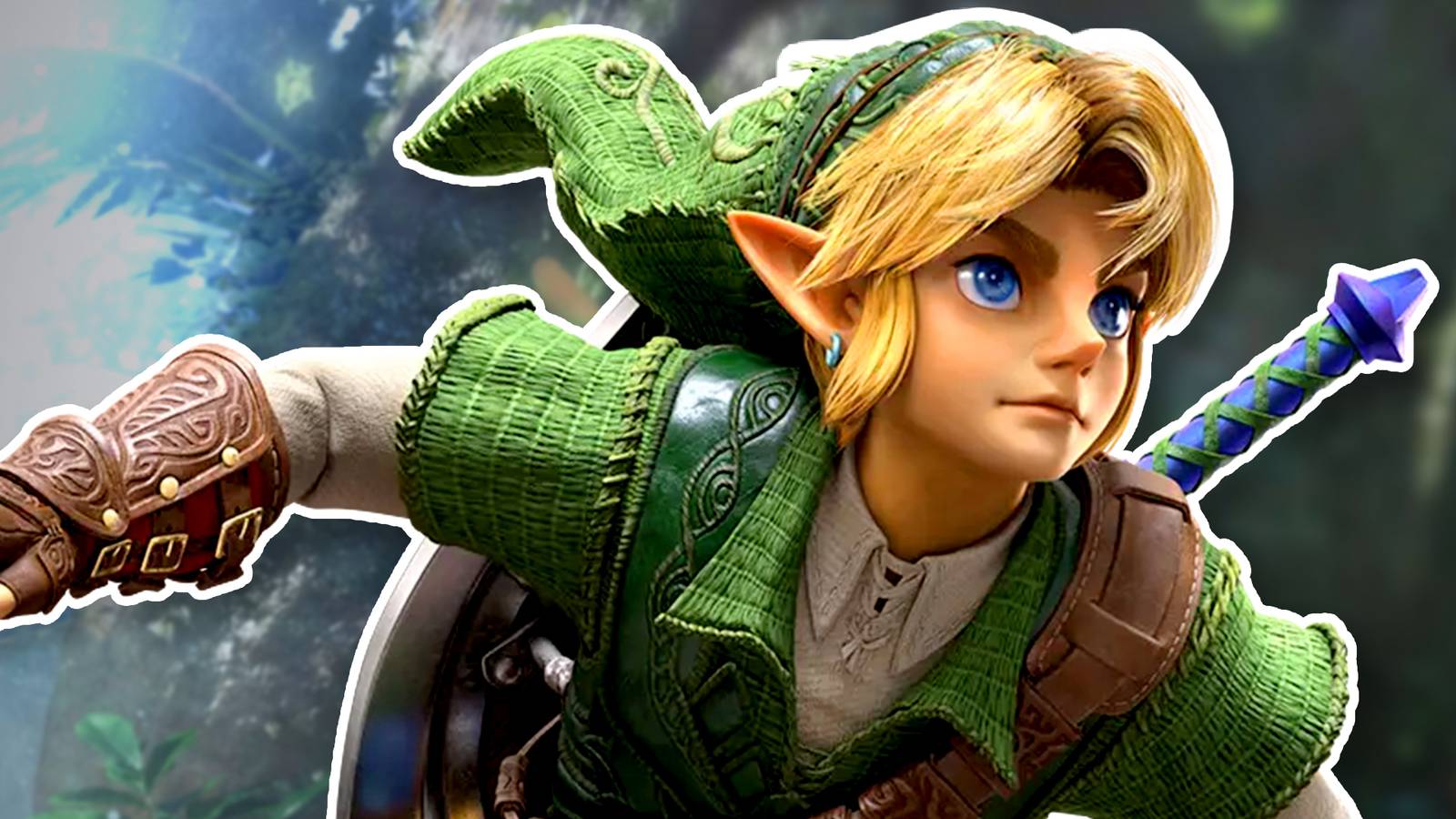
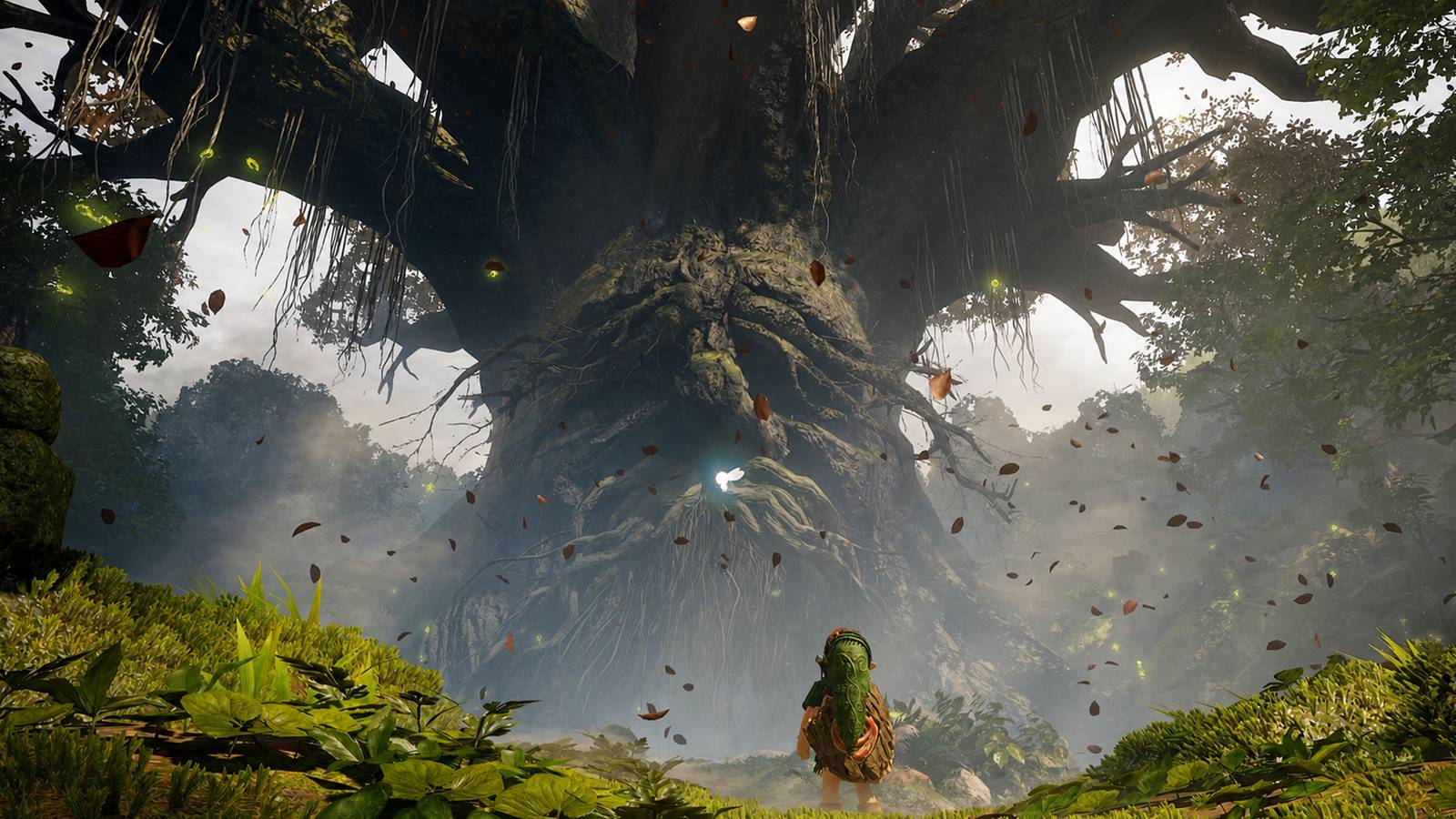
Could Star Fox 64’s successful remake mean good news for The Legend of Zelda: Ocarina of Time? Gameplay trailers released by Nintendo offer a little context into how the game might feel once the controller is in hand. Visually, though, it looks gorgeous. None of those muddied graphics from the N64 era remain. Beloved locations, boss battles and characters seem to still remain, enhanced in a glossy, stylized realism. The game’s fan-favorite soundtrack sounds much more full, seemingly thanks to an orchestral overhaul that gives some of the titular tracks depth. Quality of life adjustments were also made to make that lock-on combat more snappy.
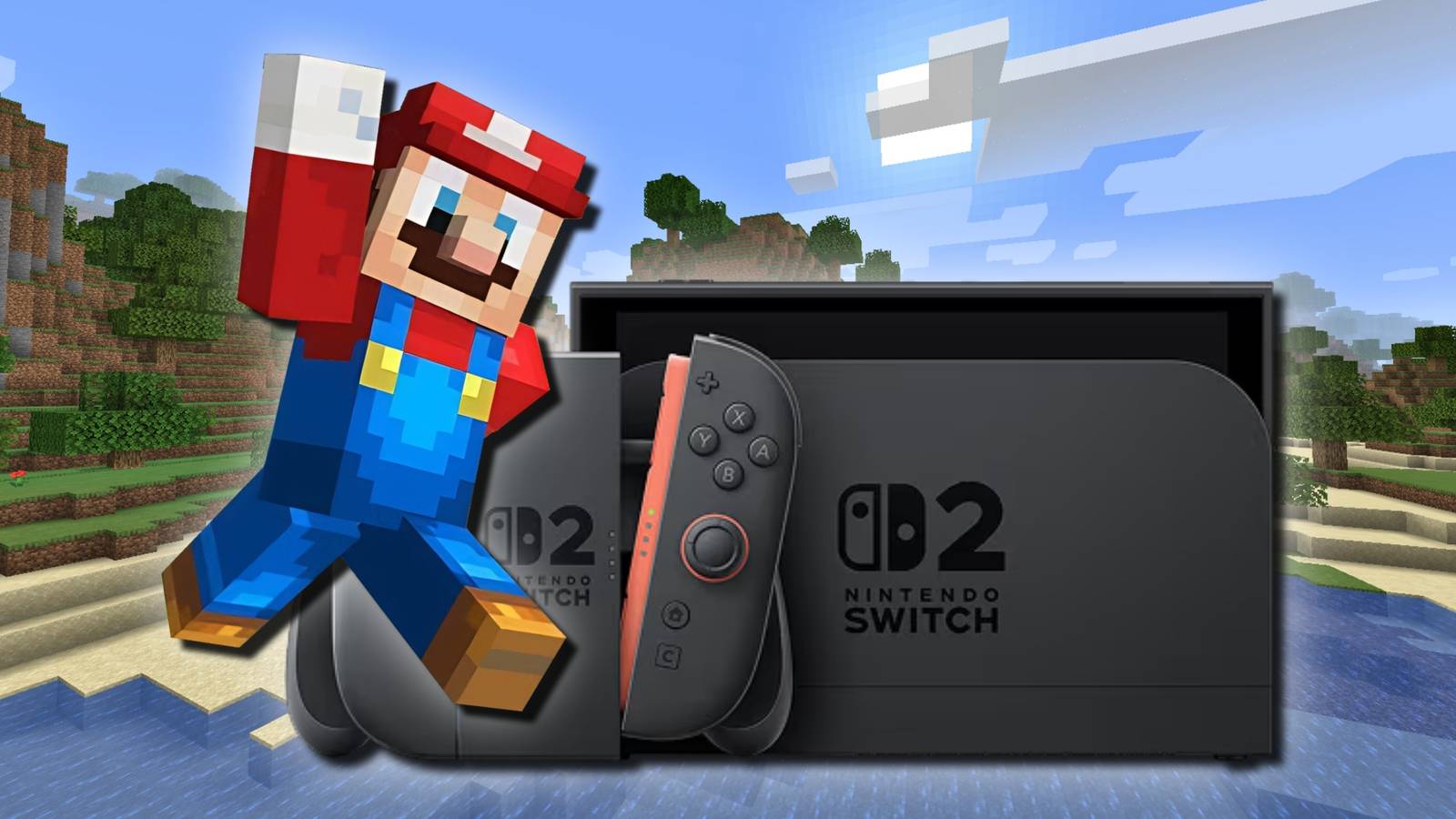
As for changes, there seems to be a fair bit. Cutscenes are now fully voiced, obviously save for Link. This could add emotional context to a scene, which wouldn’t be all too bad. Microphone mechanics were added, making use of modern technology that wasn’t available when the game first launched all the way back in 1998. This feature allows players to hum or sing into the Nintendo Switch 2 controller microphone to play songs on the in-game Ocarina, instead of pressing buttons to play a melody. Finally, a Threads of Time tapestry-themed quest log was added that adds navigational hints and shows progress made in the story without giving too much away.
Though it seems too early to say, I’d bet, as a fan, people might take issue with character design. This stylistic realism is so far removed from what the characters looked like in the N64 version that it is almost jarring, and a little scary. I quite liked the polygon-esque character models from the old days. While I haven’t had time to sit with their new designs, the old character designs seem to have more personality.
-
 Image via Bloober Team, Konami
 -
 Image via Capcom
 -
Other than that, new additions made seem to only benefit the player, aiding in navigation while integrating new technology. Nintendo seems to be prioritizing attention to detail while taking care to stay true to the source material. If this is true, this can only bode well for the remakes’ success, in my opinion. If Nintendo continues to stick to its remake formula, the same formula used for Star Fox, then the company may have another winning remake on its hands. If too much is altered, it can only mean trouble.
Why the Remake Treatment Works and Why Companies Gravitate Towards Them
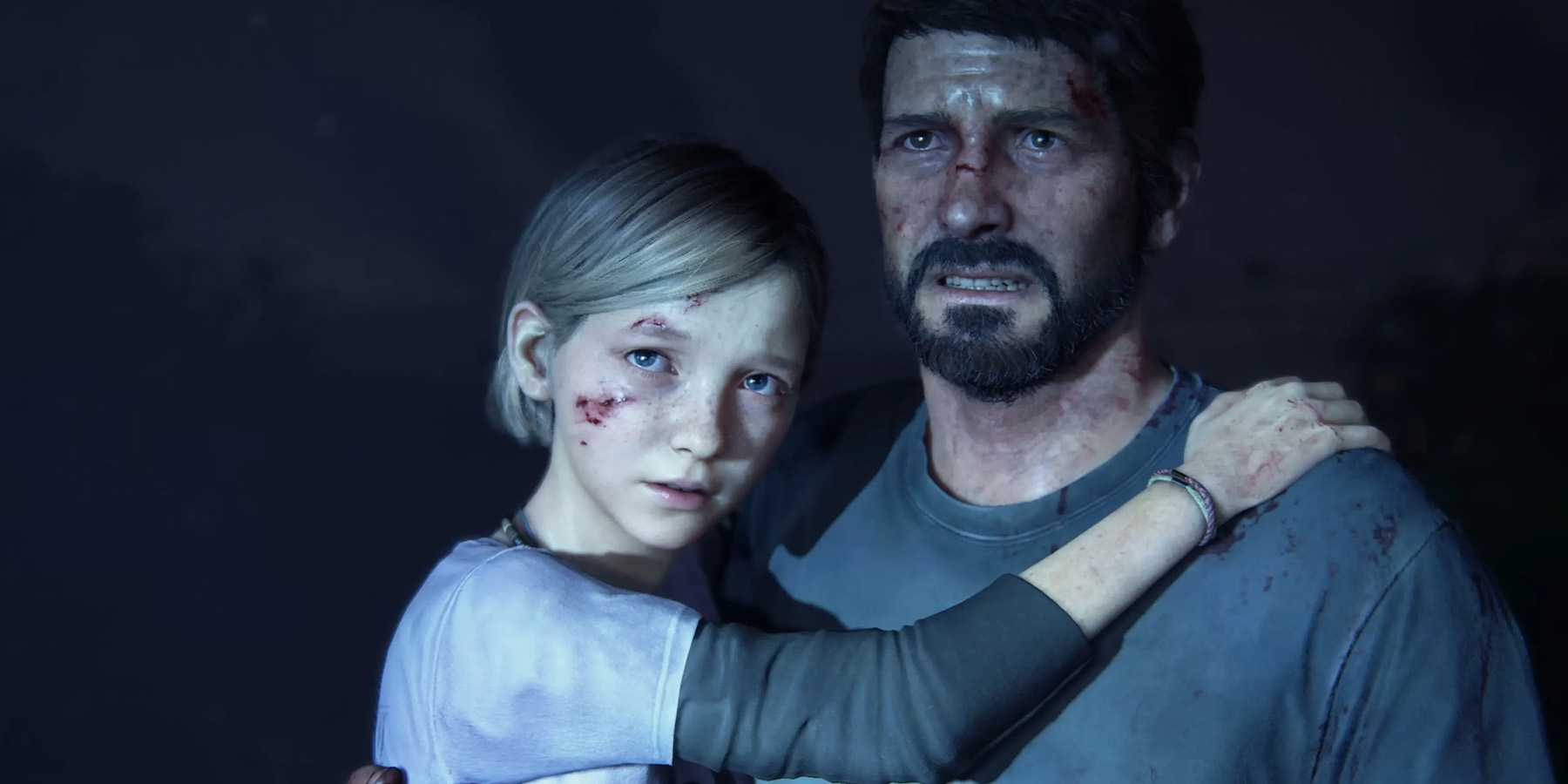
In short, remakes are huge moneymakers, capitalizing on nostalgia. I must admit that I am a sucker for a good remake. I will certainly be buying this new The Legend of Zelda: Ocarina of Time remake, since I played the original ad nauseam when I was a child. Riding Epona through Hyrule Fields, jamming out to music in Zora’s Domain, and getting lost in Goron City were core memories for me that I can’t shake almost a decade later. I also love newer remakes, from The Last of Us and Silent Hill 2 to Resident Evil 4.

Major publishers like Ubisoft have stated that video game remakes can be significantly more profitable than brand-new games. Remakes are also way less work because the game’s foundation is already set up. No need to go reinventing the wheel when developers can just re-use the game’s plot, characters and storyline. When asked about the Assassin’s Creed 4: Black Flag remake during Ubisoft’s Q1 FY27 earnings call, the company’s Chief Financial Officer Frédérick Duguet said that ambitious remakes could produce stronger margins than an entirely new release.
Each company, from Konami to Capcom, has their own formula for success when it comes to remaking titles. The driving force tends to be nostalgia, playing on people’s memories of original titles, waving them in front of our faces like a carrot on a stick. It’s almost like companies are saying, “Hey, remember how good this game was? Yeah, well it could be better if you paid for it.”
I will gladly continue to dish out my hard-earned coin if it means companies will prioritize player experience and nostalgia, creating a remake that is worthwhile. Making gaming experiences that cater to an audience’s wants and needs and tweaking control schemes and graphics while keeping the DNA of beloved games alive is key. If The Legend of Zelda: The Ocarina of Time is half as good as the Star Fox remake, it’ll surely fly off the shelves.