
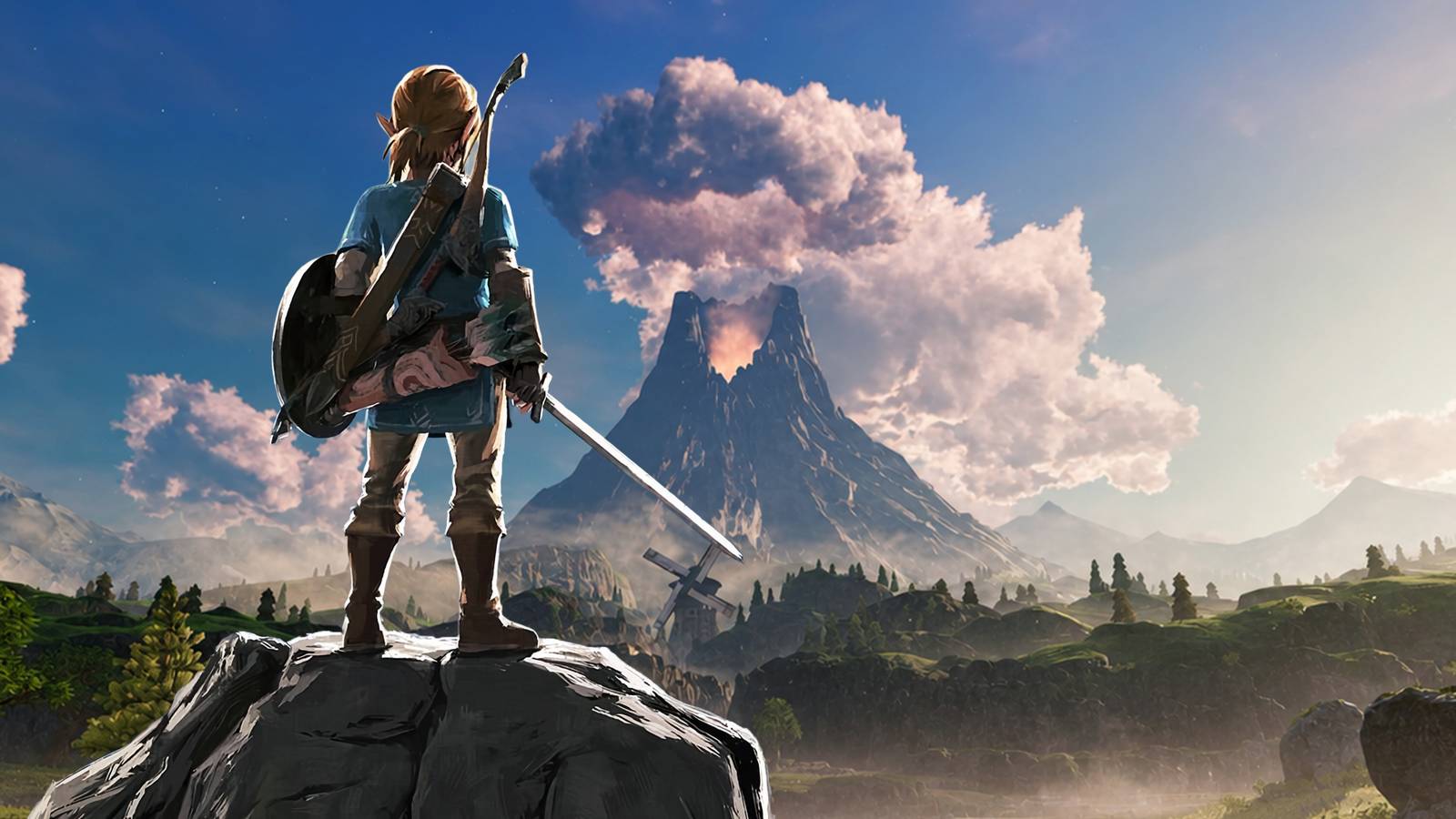



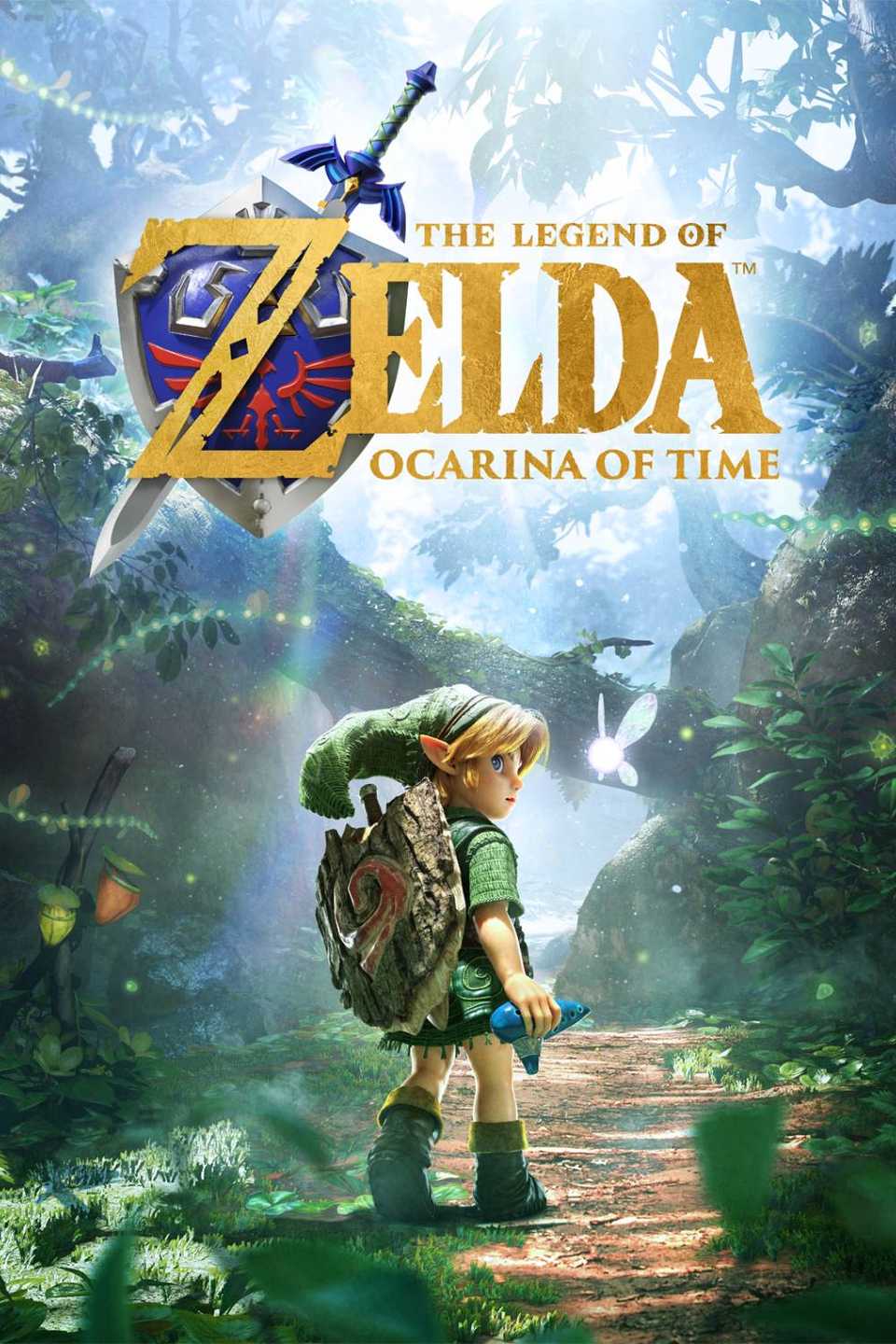
As someone who has been wanting a remake of The Legend of Zelda: Ocarina of Time for what feels like most of my life, I couldn’t be happier with how successful it has been thus far. Nintendo recently announced that the Ocarina of Time remake sold more than 5.2 million copies in its first four days, which is an incredible accomplishment for a game that originally came out in 1998. And considering how faithful the remake is to the original, I think there’s a pretty convincing argument that traditional Zelda still has a place in modern gaming. However, I also think there’s a problem with taking those sales as proof that Nintendo made a mistake when it abandoned the traditional formula in favor of Breath of the Wild, especially after some recent comments from two former Nintendo employees.
I’ve made no secret of how much I’ve missed classic Zelda, either. In fact, I wrote an entire feature before the Ocarina of Time remake launched about how it had already ruined the next Zelda game by reminding fans of everything the series left behind. I still believe what I said in that piece, because as much as I love Breath of the Wild and Tears of the Kingdom, there’s something about the older games’ narrower structure that I genuinely miss. But wanting those elements back and believing Nintendo should abandon what it has accomplished over the last decade are two very different things. And after hearing what former Nintendo of America employees Kit Ellis and Krysta Yang recently revealed about the franchise’s history, I think there’s a pretty good reason to be careful about what conclusions we draw from Ocarina of Time‘s success.
Zelda Wasn’t Exactly Thriving When Nintendo Decided to Change It
According to a recent report from Nintendo Life, Ellis and Yang discussed how poorly Zelda was performing before Breath of the Wild during an episode of their podcast. Ellis recalled attending focus groups while working at Nintendo, where the feedback suggested that the franchise’s existing audience was shrinking and that newer players weren’t particularly interested in getting into it. Yang was even more direct about the situation, describing the series as being in dire straits before Nintendo decided to reinvent it. Ellis also pushed back against the idea that Nintendo abandoned traditional Zelda at the height of its popularity, arguing that the company had plenty of reasons to believe something needed to change. That’s a rather important detail, especially now that the success of Ocarina of Time has so many people questioning why Nintendo moved away from that formula in the first place.


Guess the games from the emojis.
And when you actually look at the sales figures, it’s not particularly difficult to understand their point. Twilight Princess sold around 8.85 million copies across its original releases, but Skyward Sword only managed approximately 3.67 million on the Wii, despite launching on a console that had already sold tens of millions of units. Compare that to Breath of the Wild, which has now sold 34.28 million copies on Switch alone, and the difference is enormous. Tears of the Kingdom has also sold 22.9 million copies as of September 30, 2026. Of course, hardware popularity and other factors certainly contributed to those differences, so I wouldn’t suggest that Zelda‘s traditional design was solely responsible for its declining sales. But I also don’t think it’s fair to ignore the fact that Nintendo’s decision to reinvent the franchise ended up introducing it to an audience far larger than the one it had been reaching before.
And I think that’s where Ocarina of Time‘s current success becomes a little more complicated than some fans might realize. The remake has already sold more than five million copies, but it’s doing so in a world where Breath of the Wild has spent nearly a decade expanding Zelda‘s audience. That doesn’t mean everyone who purchased the remake was introduced to the franchise through the newer games, obviously, because there are plenty of us who grew up with the original and couldn’t wait to play it again. But it does mean that Ocarina of Time is benefiting from the popularity Zelda has gained since 2017, and I don’t think that should be overlooked. The remake’s success proves that millions of people are interested in playing a traditional Zelda game today. It doesn’t necessarily prove those same people would prefer every future Zelda game to follow that formula.
Nintendo’s decision to reinvent the franchise ended up introducing it to an audience far larger than the one it had been reaching before.
What’s also interesting is that Nintendo still understands the importance of introducing those newer fans to traditional Zelda, because Eiji Aonuma actually talked about that in the recent Ask the Developer interview for the remake. He explained that one of his goals was to give developers who had mostly worked on the newer Zelda games an opportunity to understand how Ocarina of Time was designed, hoping they might carry some of those lessons into future projects. He also wanted players who had grown accustomed to Breath of the Wild‘s freedom to experience the more carefully paced progression of the N64 classic. I find that encouraging, because it suggests Nintendo isn’t necessarily treating its older design philosophy as something that belongs entirely in the past. There’s clearly something worth preserving there, even if the company doesn’t intend to bring back the traditional formula exactly as it was.
Ocarina of Time’s Success Still Gives Nintendo Something to Think About
Of course, none of this means I think Nintendo should look at the numbers and decide traditional Zelda isn’t worth pursuing anymore. If anything, the Ocarina of Time remake has demonstrated that there’s still a substantial audience for that style of game, and I’d love to see Nintendo take advantage of it. I particularly miss the days when dungeons were built around obtaining an item that gradually opened up more of the world, rather than giving players most of what they need right from the beginning. But I also love the freedom Breath of the Wild introduced, and I don’t necessarily want to sacrifice that just to get the older dungeon design back. I think there’s plenty of room for Nintendo to experiment with combining those ideas, especially now that its developers have had an opportunity to rebuild one of the best examples of classic Zelda.
The other thing worth considering is that Ocarina of Time isn’t a brand-new game trying to establish itself with modern audiences. It’s a remake of one of the most beloved games ever made, and that reputation certainly gives it an advantage that a completely original traditional Zelda game wouldn’t automatically have. I don’t think that diminishes the remake’s success whatsoever, but it does make me hesitant to treat its sales as a referendum on what the next Zelda game should be. Nintendo didn’t abandon traditional Zelda for no reason, and the enormous success of Breath of the Wild suggests that its decision paid off. At the same time, I think the Ocarina of Time remake has given Nintendo plenty of reasons to reconsider how much of that older formula it wants to leave behind. I still want classic Zelda to have a future, but I don’t think that future has to come at the expense of everything the series has accomplished since 2017.



- Released
-
November 5, 2026
- ESRB
-
Everyone 10+ / Animated Blood, Fantasy Violence
- Developer(s)
-
Nintendo
- Publisher(s)
-
Nintendo