





The PS6 could feature Sony’s own take on AI-powered frame generation, according to a newly published patent that describes predicting future frames using gameplay images and even player inputs. While Sony has yet to formally reveal the PS6, the filing offers another potential clue about the technology being explored for PlayStation’s next generation.
Frame generation has already been a major part of high-end PC gaming for several years, with technologies like Nvidia DLSS and AMD FSR creating synthetic frames to make games appear considerably smoother without requiring the GPU to traditionally render every image shown on screen. Sony has been moving in a similar direction through PS5 Pro’s PSSR upscaling and its wider Project Amethyst partnership with AMD, which is exploring machine-learning graphics, improved ray tracing, and more efficient GPU hardware. The company’s newest patent suggests frame generation could eventually become part of that push.
New Sony Patent Hints at Possible PS6 Frame Generation Feature
-
-

-
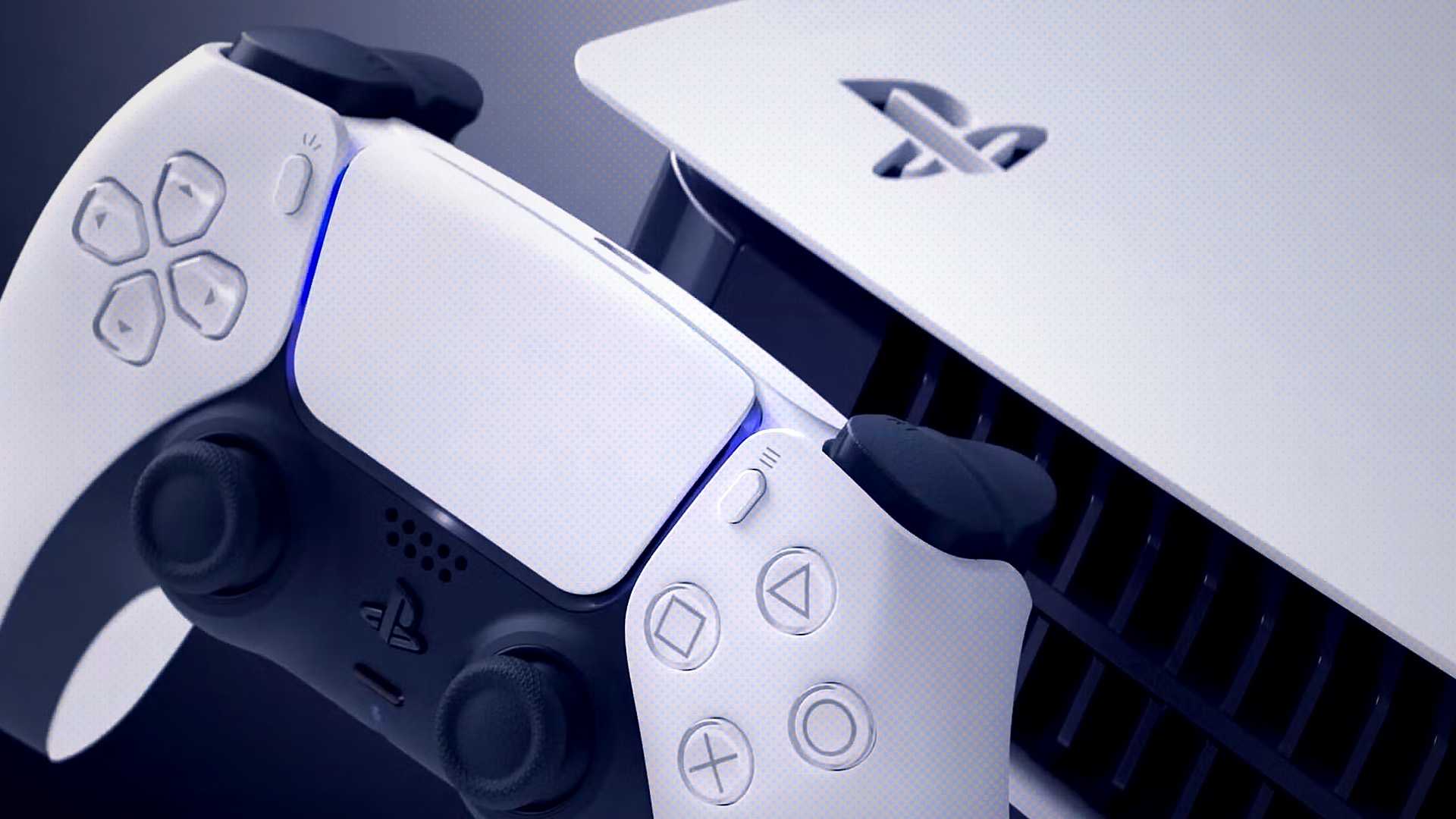
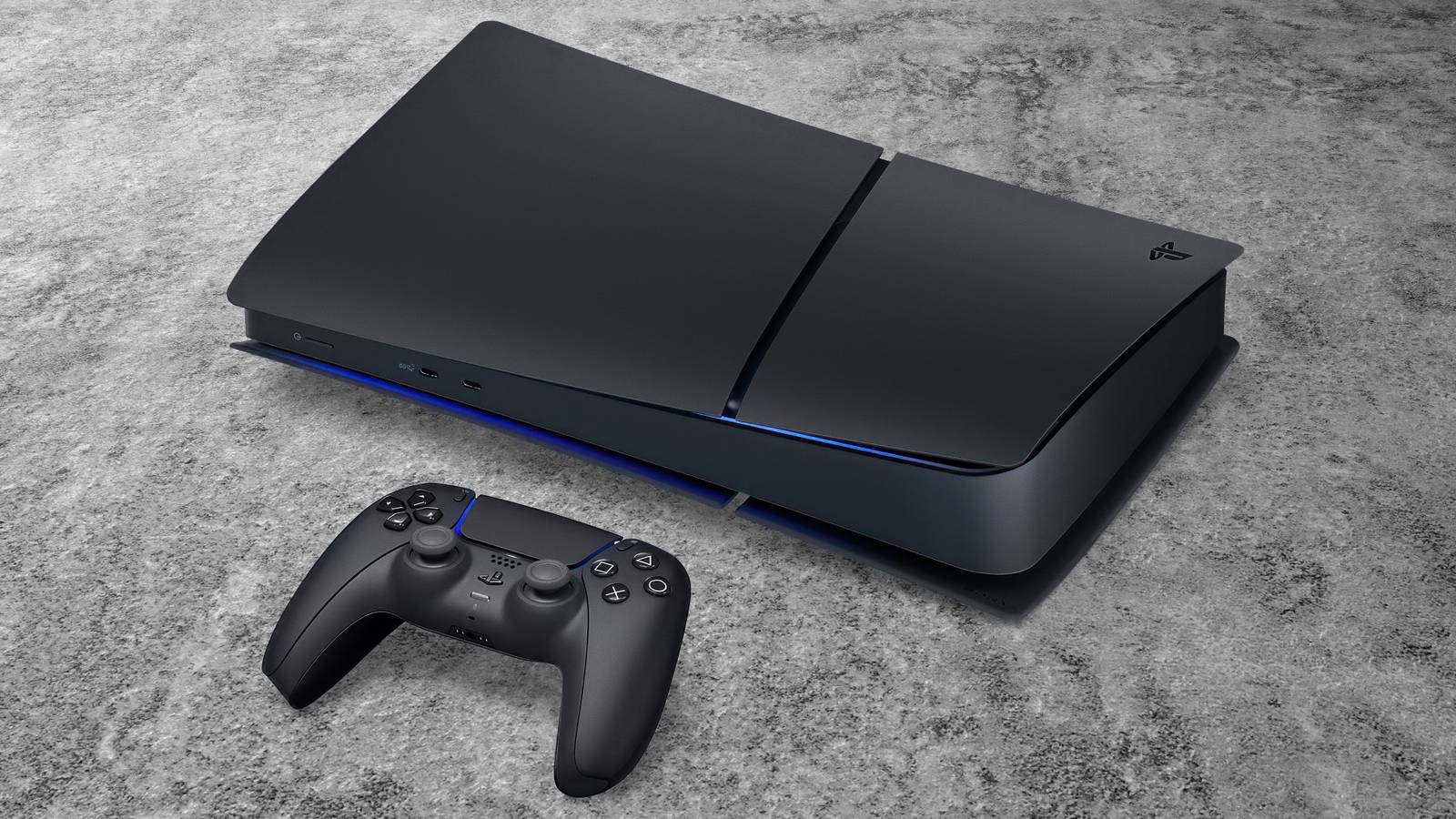
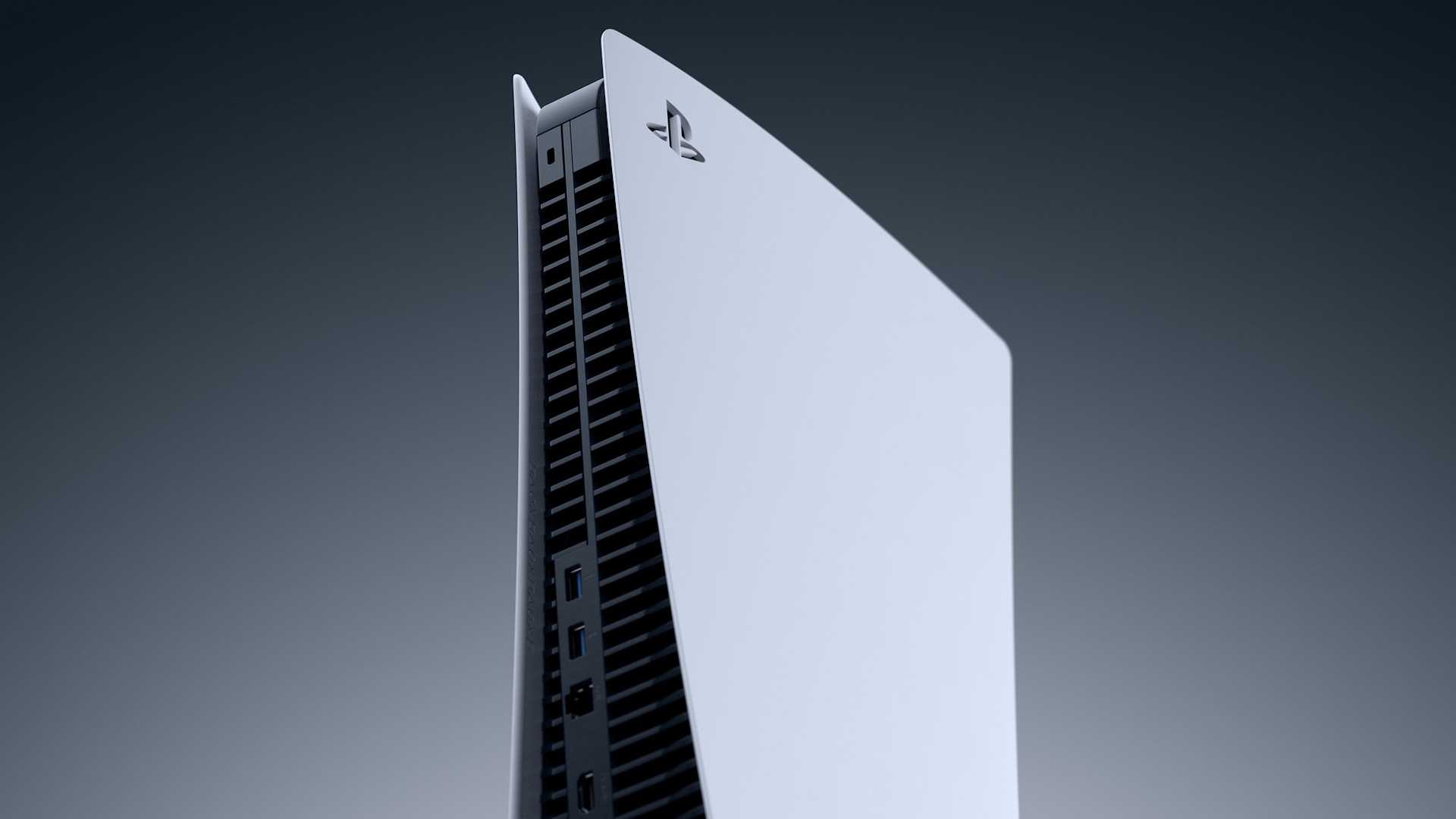
A close-up of the DualSense controller next to a PlayStation 5 console, oriented horizontally, with the air vent grill side facing the gamepad. Image vis PlayStation

Published on October 15 and shared via Patentlyze, Sony’s Generation Super Sampling patent describes a system that can predict and display a synthetic image before the next real frame is complete. It seems to work by having an encoder analyze previous gameplay images, pass image embeddings to a decoder, and have the decoder predict what should appear next. Interestingly, the frame-gen system can also take motion vectors and optional player inputs into account, including button presses and movements from devices such as a joystick or mouse, to predict the final image. One of Sony’s diagrams shows the current image, motion vectors, and a player’s last input feeding into a neural network while the normal graphics pipeline separately works on the actual next frame.


Rearrange the covers into the correct US release order.
Rearrange the covers into the correct US release order.
Easy (5)Medium (7)Hard (10)
That system could potentially help Sony tackle the issue of latency, which has been one of frame generation’s biggest compromises since it hit gaming PCs. Traditional frame-gen via DLSS or FSR approaches often require multiple completed frames as data before inserting a generated one between them, which can smooth the image without making the game feel equally responsive. Sony instead wants to predict what happens next, and knowing that a player has just pushed the camera stick in a particular direction could give the system an additional clue about what that future image should contain. The patent even discusses predicting multiple upcoming frames, although whether any of this technology ultimately reaches consumer hardware remains unknown.
The filing nevertheless fits quite well with what Sony has already said about the future of PlayStation. Sony and AMD’s Project Amethyst has already produced technologies including Neural Arrays for accelerating machine-learning workloads, Radiance Cores for ray and path tracing, and Universal Compression for reducing memory-bandwidth demands. Sony has also publicly confirmed it is heavily investing in its next-generation platform, though it has not announced the final hardware, release date, or pricing. Taken together, its recent research increasingly suggests that PlayStation’s next graphical leap could depend as much on smarter rendering techniques as simply putting a much faster GPU inside the box.
Sony would hardly be alone in heading that direction. Microsoft’s next-generation Xbox, Project Helix, is already confirmed to use a custom AMD SoC designed around future DirectX and FSR technology, with Microsoft promising significantly stronger ray tracing and intelligence built directly into its graphics pipeline. Helix hardware is expected to reach developers beginning in 2027, while Sony has remained considerably quieter about when its own next console might arrive. If Generation Super Sampling eventually moves from patent diagrams to PS6 hardware, however, the next console generation may be defined less by how many frames a machine can render and more by how convincingly it can create the ones in between.