




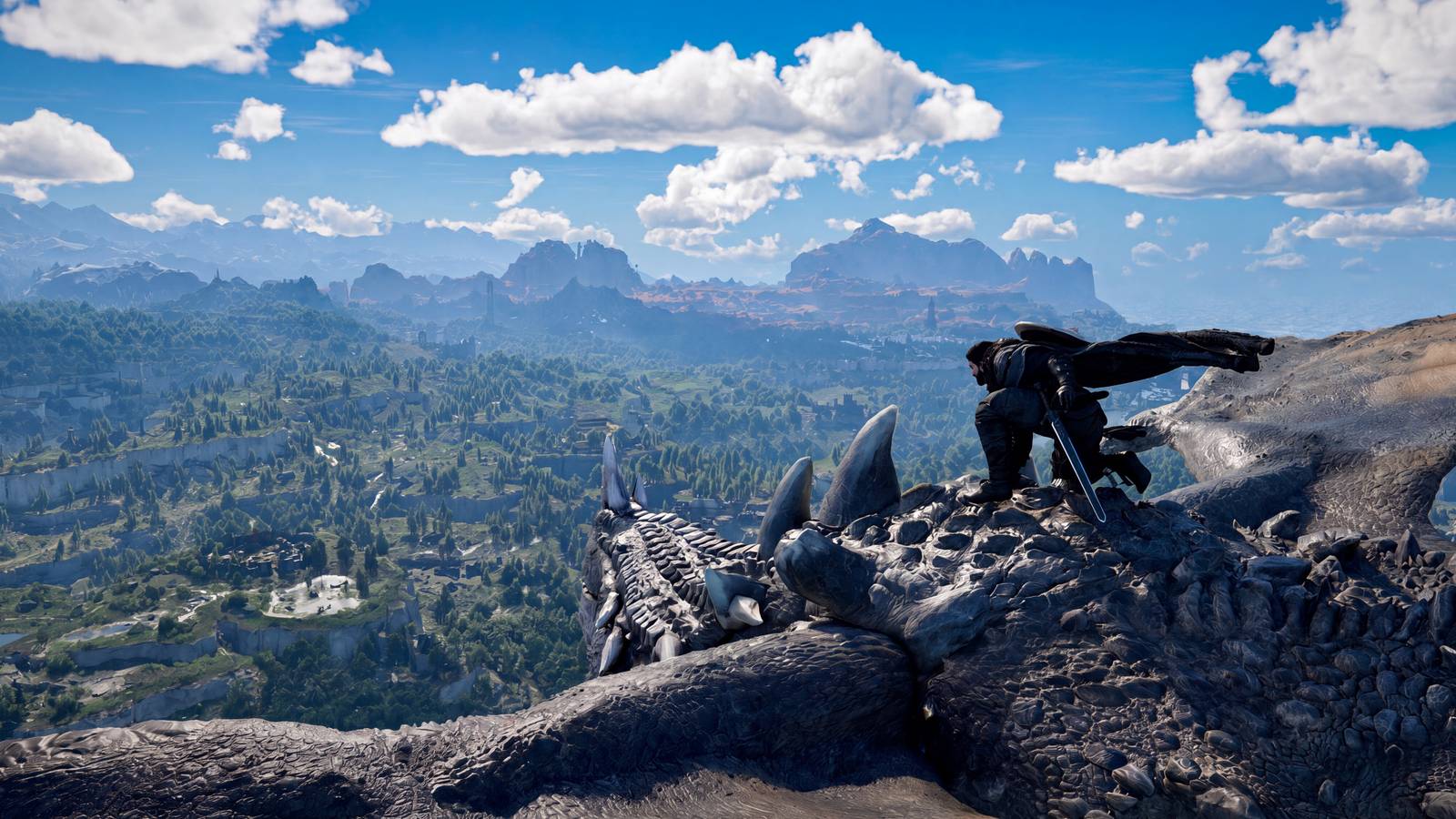
Crimson Desert wasn’t everyone’s cup of tea when it launched earlier this year, but then again, what game is? Pearl Abyss’ ridiculously ambitious open-world game arrived with some undeniably rough edges, many of which I ran into myself when I reviewed it. Even then, though, I couldn’t get over just how incredible its open world was. There were things about Crimson Desert that frustrated me, but every time I thought I had finally seen everything Pywel had to offer, I would wander off in another direction and find something that somehow made me fall in love with it all over again.
The game I reviewed back then also isn’t really the game Crimson Desert is anymore. Pearl Abyss has spent the months since launch steadily addressing many of the problems players had with it, and now it has capped all of that off with the free Crimson Desert Enhanced update. The 2.0 update adds new story moments, changes progression in a pretty significant way, adds new skills, and makes several other improvements on top of everything Pearl Abyss has already done since March. Better yet, Crimson Desert is currently 20% off for the first time since launch, bringing its standard edition down from $69.99 to $55.99 on Steam and PS5, among other platforms, through September 9, 2026.
Crimson Desert’s Open World Was the Stuff of Dreams From the Beginning
Read GameRant’s Review of Crimson Desert

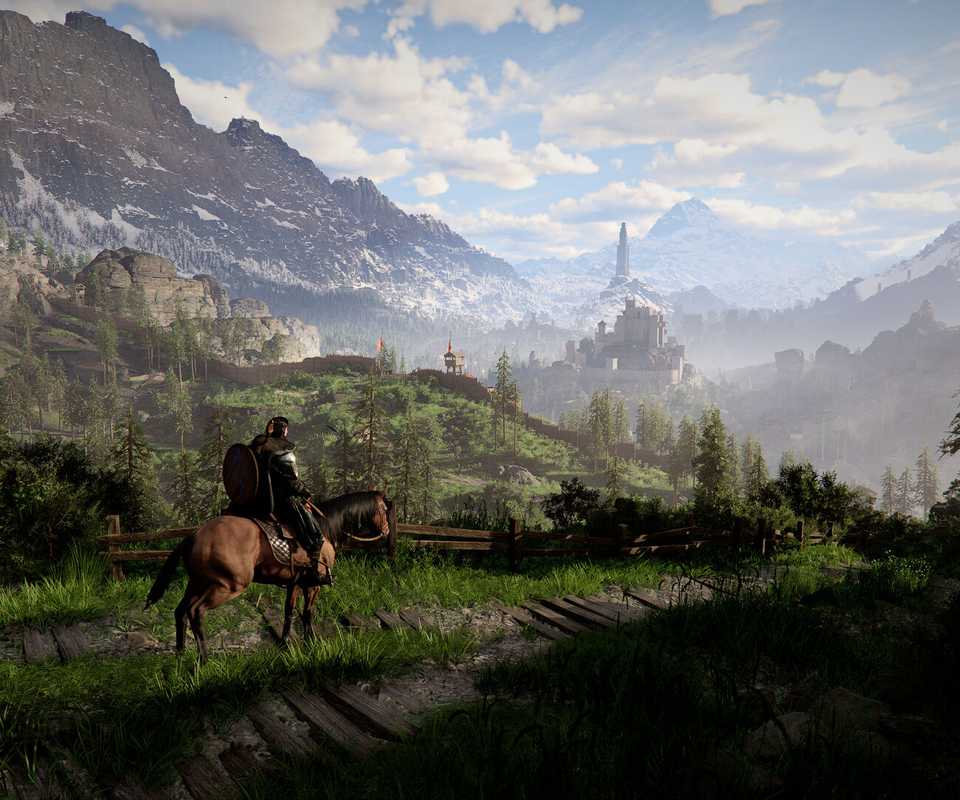
When I called Crimson Desert‘s open world the best I had ever seen in a game in my review, I knew exactly how ridiculous that probably sounded. I have spent years putting Breath of the Wild on a pedestal for the way it encourages curiosity, and Elden Ring is still one of the best examples I can think of when it comes to making an open world feel like it was actually designed to be explored rather than simply cleared. Somehow, though, Crimson Desert managed to take a lot of what I love about those games and then pile an almost unreasonable amount of interactivity on top of it, to the point where Pywel often felt closer to an actual place than a giant video game map.


Put the consoles in the correct order.
One of the things I said in my review was that Crimson Desert operates by the rule of “If you think you can do it, you probably can,” and that’s still probably the easiest way I can describe what makes its open world so special. I could set out intending to complete a quest and somehow end up hunting wildlife for crafting materials, helping someone I stumbled across on the road, or poking around a cave because I thought there might be something hiding inside it. Then I’d get back to camp and spend who knows how long messing around there instead, because even the Greymanes’ home eventually becomes its own little game within the game once you’ve built it up enough.
But I think the biggest reason Pywel worked so well for me was the way Crimson Desert handled its map. Rather than giving me a screen covered in icons and essentially telling me where all the interesting stuff was before I had even seen it, the game generally expected me to find things on my own first. That meant I was paying attention to the world around me rather than constantly opening the map to figure out which marker I wanted to chase next, and because there was almost always something waiting somewhere in the distance, I rarely felt like wandering off course was wasting my time. Sometimes I’d find an Abyss Artifact, while other times I’d stumble into a puzzle or some completely unexpected event, but the important part was that I usually found those things because I wanted to see what was there.
When I called Crimson Desert‘s open world the best I had ever seen in a game in my review, I knew exactly how ridiculous that probably sounded.
At launch, the frustrating part was that some of Crimson Desert‘s other systems could make getting back to that exploration more difficult than I wanted it to be. Inventory restrictions were probably one of the easiest examples, especially in a game that constantly gave me things I wanted to keep, and the progression system could make experimenting with new gear or investing in Damiane and Oongka feel like a much bigger commitment than it needed to be. I also ran into plenty of smaller quality-of-life frustrations along the way, and by the time I finished my review, I was basically hoping Pearl Abyss would eventually start shaving some of that friction away. As it turns out, I didn’t have to wait very long.
Crimson Desert Has Barely Stopped Improving Since Launch
Pearl Abyss started making major changes to Crimson Desert almost immediately, with one of its first post-launch patches adding Private Storage and more Abyss Nexuses for fast travel before the game had even been out a week. By early April, that storage could be expanded to as many as 1,000 slots, and another update later that month added difficulty settings while improving the inventory and introducing even more storage options. Controller remapping eventually arrived in May, cross-save followed in July, and Pearl Abyss continued slipping in new skills, pets, mounts, housing improvements, mini-games, and other additions in between.
For context, Crimson Desert only launched in March 2026, meaning Pearl Abyss managed all of this in just over five months.
In fact, before Enhanced was even released, Pearl Abyss had already pushed out 17 patches containing more than 20 new features and content additions, along with more than 120 new mounts and pets and over 70 new outfits, equipment pieces, and items. I don’t really care about the numbers themselves as much as what they represent here, because a lot of the changes weren’t random additions meant to pad out an already gigantic game. Several of them directly addressed things players had been complaining about since launch, which is a big reason why the Crimson Desert I would recommend today isn’t really the same one I reviewed in March.
Crimson Desert Enhanced Update Key Features
- IMPROVED MAIN STORY – Adds new story scenes, dialogue, items, and Memory Fragments.
- NEW ABYSS LINK SYSTEM – Makes progression between all three characters far less restrictive.
- INDIVIDUAL SKILL RESETS – Lets each playable character reset their progression separately.
- EIGHT NEW KLIFF SKILLS – Adds eight abilities unlocked through main story progression.
- NEW GAME CARRYOVER – Carries Abyss Links and select currency into another playthrough.
- NEW FLYING MOUNT CONTROLS – Adds camera-based and manual options for flying mounts.
- EXPANDED LANGUAGE SUPPORT – Adds five voice languages and Arabic text support.
The Abyss Link system is probably the change I’m most interested in, because it directly addresses one of the things that bothered me most about progression when I reviewed the game. Previously, Abyss Artifacts were already incredibly valuable for Kliff, so spending resources on Damiane or Oongka could be difficult to justify when I knew I was going to spend most of my time playing as him anyway. With Enhanced, spending Abyss Artifacts to learn a skill on one character now gives the other playable characters an equivalent number of Abyss Links that can be used to learn their own skills, which means investing in Kliff no longer leaves everyone else quite so far behind.
I’m also curious to see just how much of a difference the story improvements make, because Crimson Desert‘s main narrative was easily one of the areas where its open world basically outshined everything around it. I found Kliff to be fairly one-dimensional in the original version of the game, and it didn’t help that I could spend so much time wandering around Pywel between main quests that I’d sometimes return to the story having almost completely lost track of what was happening. Enhanced added new scenes and conversations while also using things like knowledge entries, items, and Memory Fragments to give its bosses more narrative context, so Pearl Abyss clearly hasn’t been afraid to go back and revisit an area of the game that could have easily been left alone after launch.
Before Enhanced was even released, Pearl Abyss had already pushed out 17 patches containing more than 20 new features and content additions, along with more than 120 new mounts and pets and over 70 new outfits, equipment pieces, and items.
More than anything, though, I think I’m impressed by how quickly Crimson Desert has managed to become a better version of itself this year. I already loved exploring Pywel when the game launched, even when some of the systems surrounding that exploration were getting on my nerves, and most of the complaints I had back then have either been addressed outright or at least improved considerably since. Enhanced feels like a continuation of that rather than some desperate attempt to bring players back, and if Pearl Abyss keeps treating Crimson Desert this way, I have a feeling Pywel is going to keep giving me reasons to return for a very long time.
For anyone who skipped Crimson Desert at launch, though, I’m not sure there has been a better time to finally give it a chance. The open world that sold me on the game in the first place is still there, but now there’s far less standing between you and everything that made it so special to begin with. Throw in the Enhanced update and the game’s first-ever 20% discount, and Pywel is looking better than it ever has.

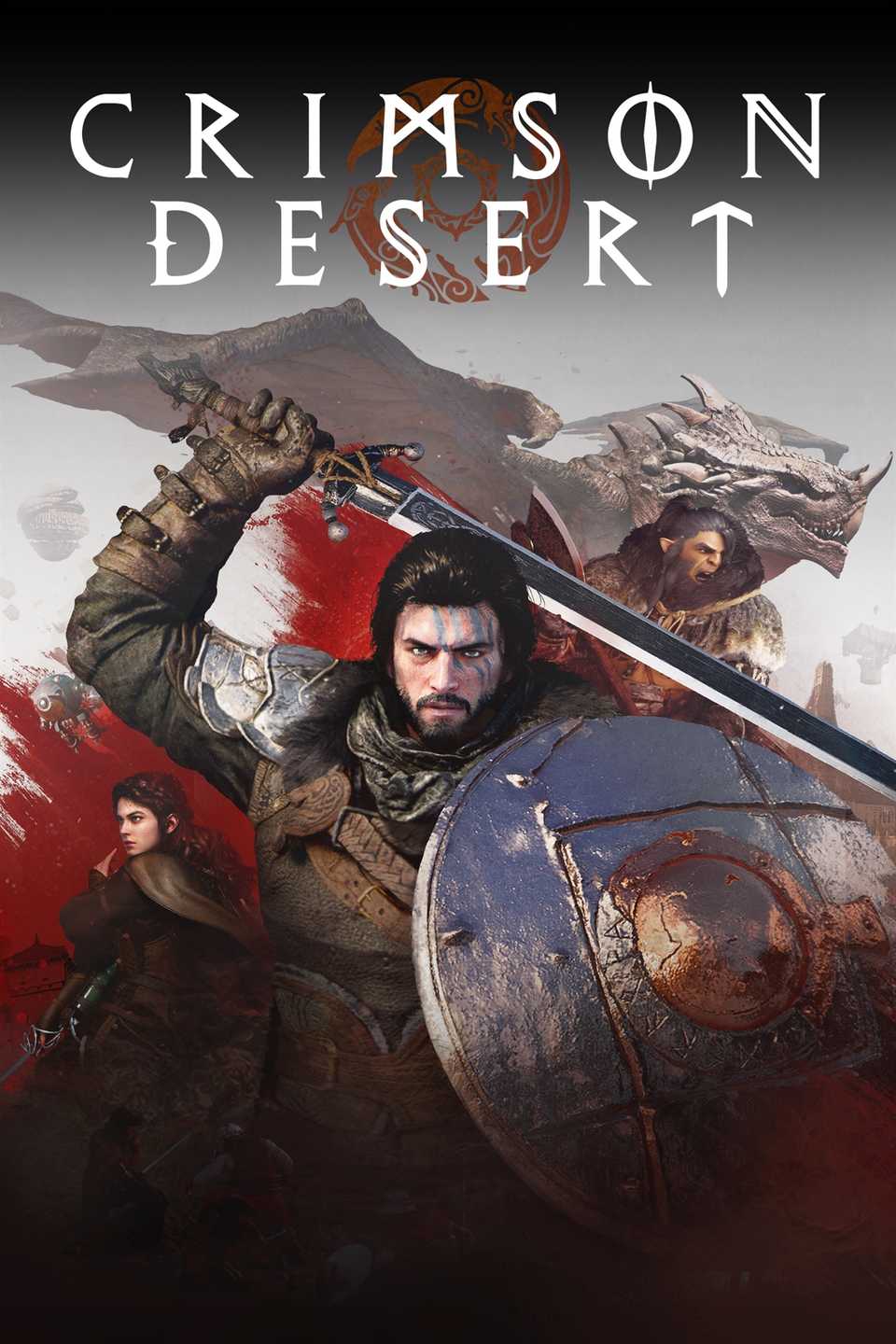
- Released
-
March 19, 2026
- ESRB
-
Mature 17+ / Blood, Drug Reference, Intense Violence, Strong Language
- Developer(s)
-
Pearl Abyss
- Publisher(s)
-
Pearl Abyss