


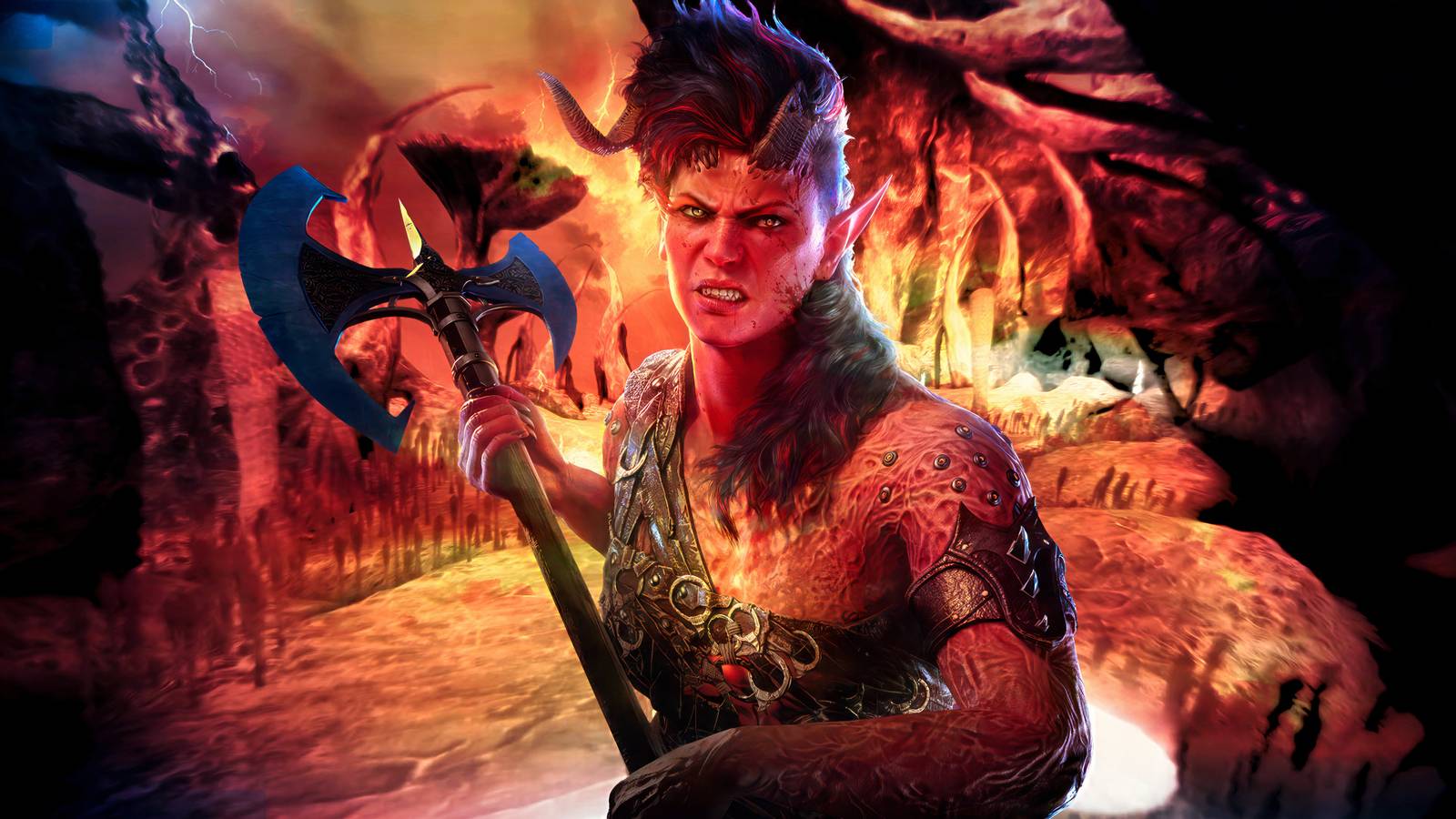




Few things are more dangerous to an RPG’s momentum than a quest that makes players feel they’ve been pulled away from the adventure they actually wanted to have. Dragon Age: Origins has one particularly infamous example, a strange detour that has remained divisive years after BioWare’s classic first launched. The problem with unusual RPG content isn’t necessarily that it is unusual, but sometimes the strangest detours become the moments players remember most.
Baldur’s Gate 3 understands this well. Larian Studio’s rich RPG is packed with bizarre encounters, unsettling discoveries, unexpected side characters, and side stories that can send a playthrough in directions’ players never anticipated. The difference is that much of this content feels like something to uncover rather than an obstacle standing between the player and the main adventure. By looking at it and Dragon Age: Origins side by side, an important lesson about RPG design is revealed: weird content works best when players feel like it’s their choice to get lost in it.
The Fade Had a Good Idea Buried Inside It
The Fade is easy to criticize in hindsight, but its reputation as Dragon Age: Origins’ most infamous detour overlooks why BioWare put it there in the first place. The Mage Tower sequence takes the Warden out of Ferelden and into a surreal realm of dreams, demons, and shapeshifting, temporarily abandoning the party-based structure that defined much of Origins. That makes it a genuine change of pace rather than another corridor of enemies and dialogue, and for a game so concerned with magic (and the dangers lurking behind it), visiting the Fade seems thematically appropriate.
The difficulty here is that a good idea can still become a bad detour: the sequence separates the Warden from their companions, asks players to learn a new set of abilities, and sends them back through its abstract environments as they unlock new forms. For some players, that experimentation makes the Mage Tower memorable; for others, it feels like the game has pressed pause on what makes Origins compelling. The Fade’s strangeness is crucial to Dragon Age’s overarching essence, but its mandatory length can make that experimentation feel like an interruption.
A Good Idea Lost in Execution

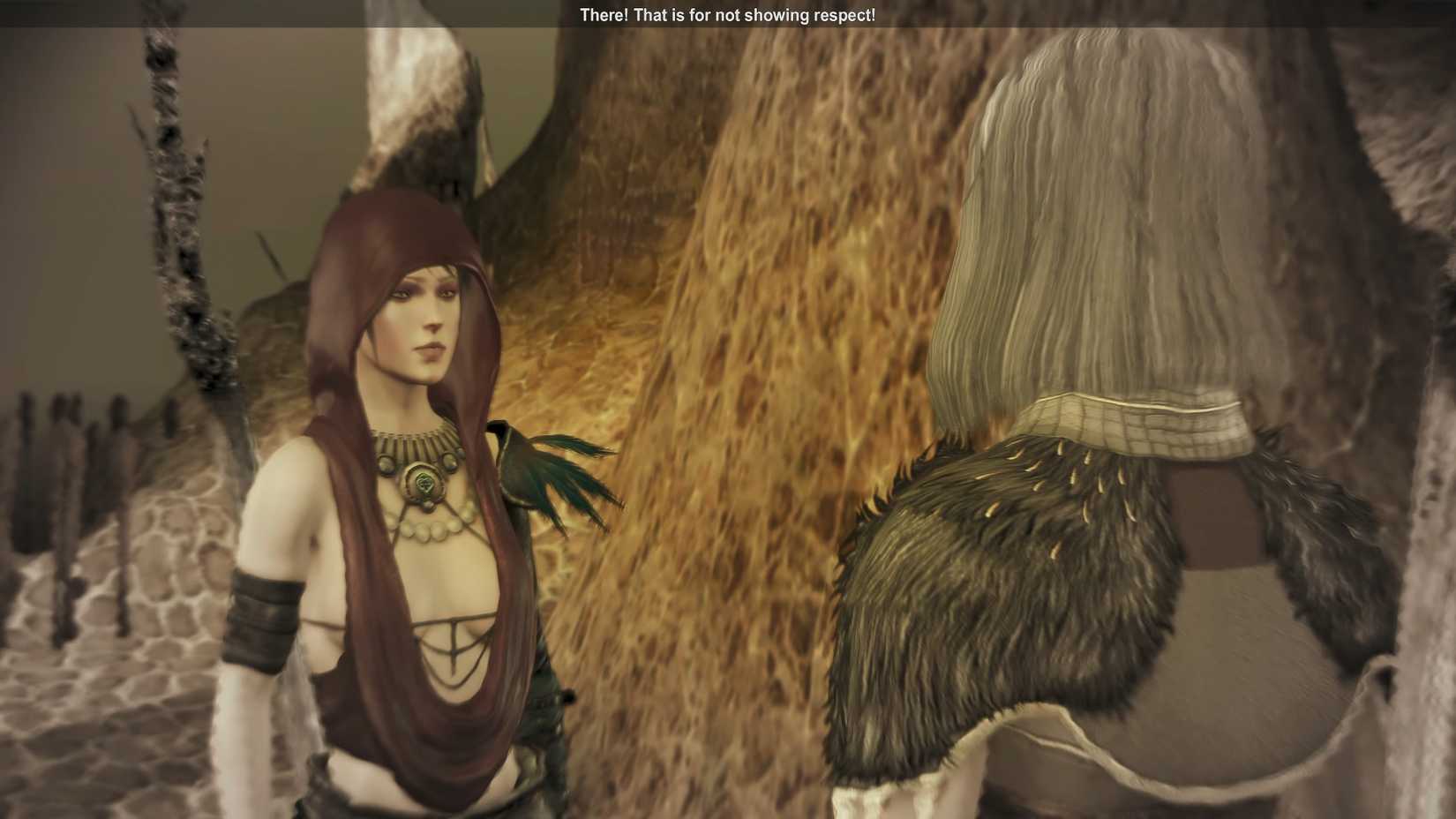
In a recent TikTok, former Dragon Age: Origins co-director and series executive producer Mark Darrah was asked what he would remove from the Dragon Age games. For Origins, he singled out the dream sequence in Mage Tower, saying, “I think I would be tempted to either cut or dramatically reduce the dream sequence part from Mage Tower.” He went further, calling it “not very good content” and “kind of filler,” before adding that it “was definitely done pretty fast in the end.”
Darrah’s comments don’t necessarily mean the Fade was a mistake as a concept. If anything, they highlight the difference between an interesting idea and an interesting experience, and The Fade has plenty of the former. The problem is that its length, mandatory structure, and departure from Origin‘s core gameplay can make the latter harder to find. Baldur’s Gate 3 offers such an intriguing alternative, and though the game was released nearly a decade later, there is an important distinction between the way it presents strange, substantial side content.
Baldur’s Gate 3 Makes Strange Detours Feel Worthwhile
Baldur’s Gate 3 is packed with the kind of strange RPG content that could easily have become a pacing nightmare. There are sinister deals, bizarre characters, grotesque locations, unexpected twists, and side quests that spiral far beyond what players initially expect. However, the game rarely makes these distractions feel like chores. They sit inside the world, waiting for players who are curious enough to follow them. One player can spend an hour unraveling a bizarre side story while another can walk away and never see it.
That freedom fundamentally changes how the weirdness feels, and because Baldur’s Gate 3 doesn’t need every player to experience its most elaborate detours, the player decides what deserves their attention. Even a lengthy quest can feel like a discovery rather than an interruption. That is a crucial difference from The Fade: when a game lets players choose their distractions, getting sidetracked can become part of the adventure.
BG3 Lets Players Follow the Weirdness

Part of Baldur’s Gate 3‘s magic is that its strangest quests feel like they belong to the Forgotten Realms rather than being bolted onto the adventure. A seemingly minor conversation can lead into a hag’s lair, a devil’s bargain, a cursed village, or an encounter with something far more sinister than expected. The game rarely tells players that they are now entering a designated “side quest.” Instead, the world keeps unfolding, and the player’s curiosity does the work. That organically fits BG3‘s tabletop-inspired spirit: the party follows a suspicious trail because someone at the table thought, “What happens if we go over there?”
Keep in mind that Baldur’s Gate 3 is at the crux, a Dungeons and Dragons game. Allowing players freedom and choice is very reflective of original, table-top role-playing games.
Those detours are essentially built around choice and consequences. Yurgir’s contract, for example, can be approached through a span of different options, such as combat, exploration, dialogue, or careful investigation, while Aunt Ethel’s storyline can develop dramatically depending on how players deal with her. But most importantly, when these encounters become substantial, the player still feels like they have wandered into them. Baldur’s Gate 3 makes room for the bizarre without putting the entire adventure on hold, which is a feature that Mark Darrah seems to think Dragon Age: Origins may have missed.
RPG Detours Work Best When They Leave Room to Wander
The comparison between Dragon Age: Origins and Baldur’s Gate 3 doesn’t mean every mandatory quest is doomed to frustrate players, or that every option quest is automatically worthwhile. Origins was willing to take risks with its structure, and The Fade remains memorable because it feels so different from the rest of the game. There is a more useful lesson here, though. When a detour is lengthy, unusual, and compulsory, its weaker moments become much harder to overlook, and players can feel like they don’t have control over the change of pace.

Guess the games from the emojis.
Guess the games from the emojis.
Easy (120s)Medium (90s)Hard (60s)
Baldur’s Gate 3 offers a compelling alternative by making much of its strangest content feel like something players stumble across. That approach suits an RPG built around improvisation, where a wrong turn can become an adventure of its own. It also leaves room for players to disagree about which diversions are worth their time, which is arguably part of the appeal.
There is a fine line between wandering off and being dragged away. Dragon Age: Origins sometimes crosses it, while Baldur’s Gate 3 is good at letting players decide when a strange encounter deserves their attention. That freedom doesn’t necessarily make every side quest a winner, but it does give the best ones room to surprise players. RPGs can afford to be completely ridiculous when they give players a reason to keep going, and nearly two decades after Dragon Age: Origins, Baldur’s Gate 3 shows just how much can change when freedom becomes a core part of the experience.


- Released
-
November 3, 2009
- ESRB
-
M for Mature: Blood, Intense Violence, Language, Partial Nudity, Sexual Content
- Publisher(s)
-
Electronic Arts
- Engine
-
Eclipse