




By my calculations, roughly 9 billion Dungeons & Dragons video games exist, and about 12 of them have any sort of notoriety. We all love most of the Baldur’s Gate games and BioWare’s Neverwinter Nights, and plenty of folks fondly remember Icewind Dale and Planescape: Torment, but those titles are just a drop in the D&D bucket. What about all the masterpieces forgotten by time?
To be honest, Dungeons & Dragons games don’t have a fantastic track record beyond the big names. For instance, I have a soft spot for Demon Stone on the PS2, but I’m not going to pretend it is anything better than “kind of fine.” To find the true gems, we have to look back at both D&D and the gaming industry’s formative years. In their time, these DnD games were top of the line, and some are still glorious today.
These games don’t all hold up amazingly, but they shone during their initial runs.
The Pool of Radiance Quadrilogy Was Widely Ambitious
A Grand Expedition Through The Forgotten Realms… That Has Been Forgotten
-
-


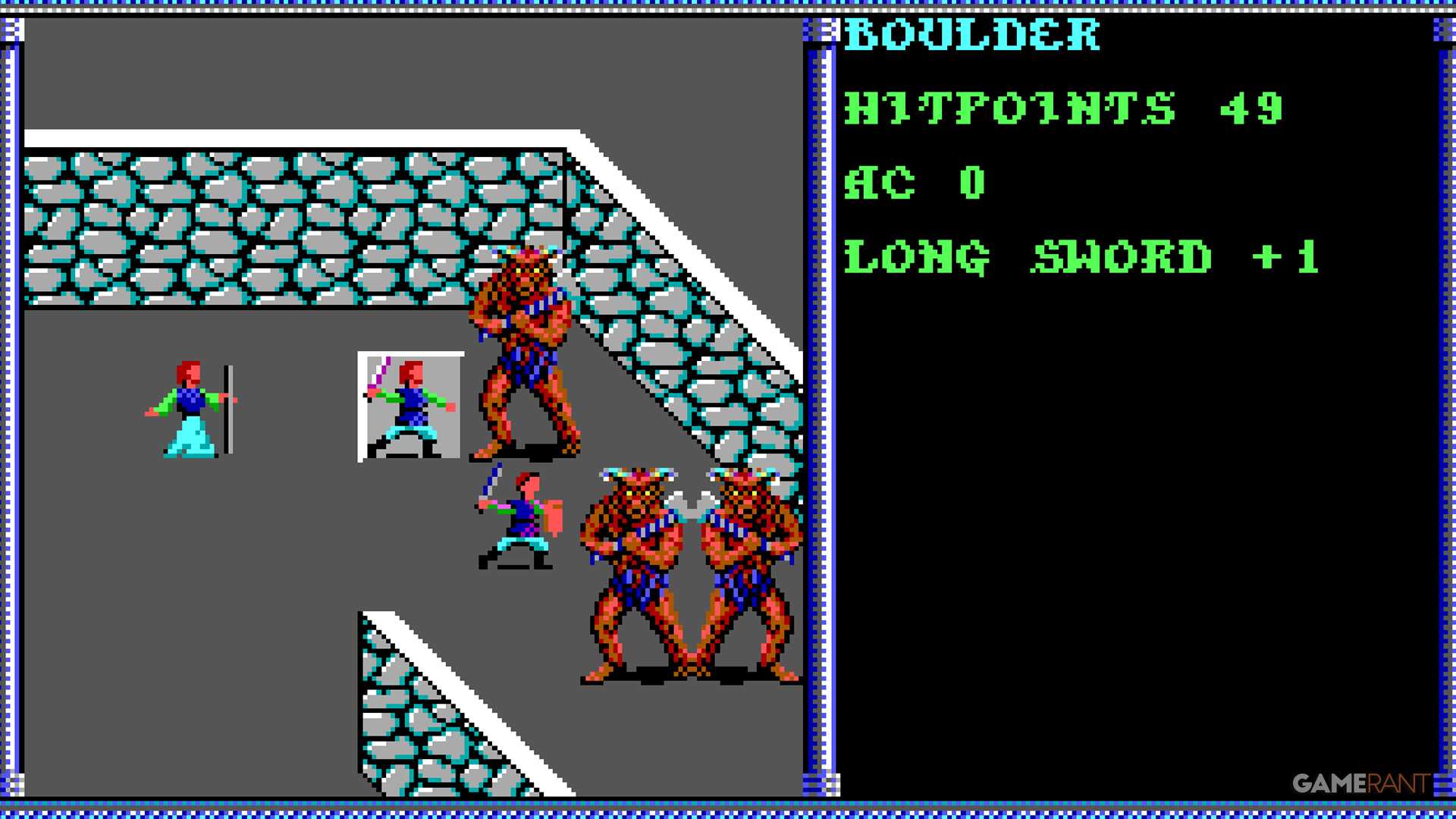
- Part of the Gold Box collection (D&D games that use the Gold Box engine).
- Set the stage for later games like Baldur’s Gate and The Temple of Elemental Evil.
- Lets you go on a years-long DnD adventure with your party.
- Games: Pool of Radiance (1988), Curse of the Azure Bonds (1989), Secret of the Silver Blades (1990), and Pools of Darkness (1991).
Although far from the franchise’s first foray into the medium, 1988’s Pool of Radiance was the first great D&D game, followed by three solid sequels that combined to create one of the more ambitious projects of their generation. At any point in gaming, using your character across multiple games is a rare triumph, which is why so many people grew attached to their version of Commander Shepard in Mass Effect. Between 1988 and 1991, SSI pulled off something even more ambitious: a continuous, four-game campaign that let players transfer an entire six-character party.
While you would end up with overpowered characters who steamroll the next chapter’s early levels, this process’ execution was done pretty darn well, and it’s still an achievement all these decades later. The games themselves are pretty great as well, with Pool of Radiance combining ideas from dungeon crawlers and turn-based RPGs to find a steady middle ground. The series adapted the Advanced Dungeons & Dragons rules accurately, and the writing hit impressive highs in Curse of the Azure Bonds and Pools of Darkness.
If you want to give these a go, play them through the Gold Box Companion, which adds QOL improvements that are a must nowadays. If you only want to try one entry, Curse of the Azure Bonds is the best in the series. That said, you really need to have a lot of patience for these games, and they don’t hold up by any modern metric. They are historically important but hard to recommend today.
In 2001, Stormfront Studios revived Pool of Radiance with Ruins of Myth Drannor. For good reason, we never got another game.
Eye of the Beholder 2: The Legend of Darkmoon Is An Action RPG Gem
The Only Good Eye Of The Beholder Game
Roughly around the same time as SSI was creating turn-based magic with Pool of Radiance, Westwood Studios sought to do the same for action RPGs with Eye of the Beholder. Unlike the quadrilogy, this trilogy doesn’t hold up as a whole, with the first entry feeling like a tech demo and Eye of the Beholder 3 being enough of a dumpster fire to effectively kill the series, except for a GBA remake. Sitting right in the middle, Eye of the Beholder 2 hit just the right sweet spot, delivering a fun AD&D take on the first-person dungeon crawler formula popularized by Dungeon Master.Although it became outdated within a couple of years, EOTB2 was pretty original for its genre, offering more diverse settings with complex routes than most primitive dungeon crawlers set in caverns that descend forever. You create a party of six (or less if you are up for danger), and you need to take into account their abilities and weapons when deciding who to place in the front or back rows. Although the combat is quite basic, Darkmoon does a good job of making enemies feel unique; for instance, a skeleton and a medusa require different tactics.
As far as early ’90s CRPGs were concerned, Darkmoon had a downright cinematic presentation, including an actual story with a pretty cool twist.
Although Pool of Radiance is more impressive as a collection, Eye of the Beholder 2 is a touch more enjoyable nowadays.
A Classic DnD Game That Stands The Test Of Time

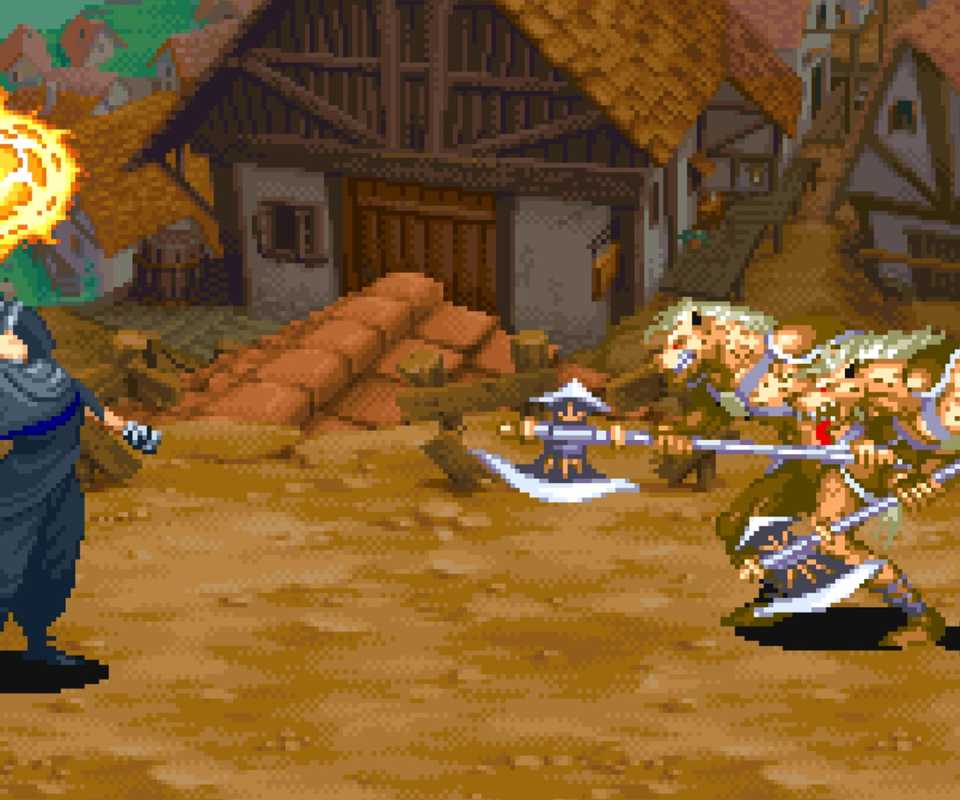
- Playable Classes: Cleric, Dwarf, Elf, Fighter, Magic-User, and Thief.
- You can see and feel that Capcom pedigree.
Now, let’s get to the only game in this article that I would 100% recommend to everybody, regardless of their affiliation with Dungeons & Dragons. Building on Tower of Doom‘s decent foundation, Capcom crafted Shadow over Mystara, one of the downright best beat-em-ups of the mid-90s. By then, the genre was running on fumes, but Capcom rose above the crowd by taking lessons from Street Fighter.
With 6 distinct playable characters, Shadow of Mystara doesn’t lack in variety, especially since the combat is far more complex than it might initially appear to be. You have directional inputs, dashing slide tackles, a useful crouch, and even midair recovery moves; heck, seasoned players can also juggle enemies. Unlike so many beat ’em ups with interchangeable fighters, Shadow of Mystara‘s characters adhere to their classes, making 4-player co-op far more fun since you can and should create a balanced party.
Shadow over Mystara is better remembered than any of the other games in this article, but it should be immortalized as one of the best beat ’em ups of the ’90s.
AOL’s Neverwinter Nights Is The Most Influential D&D Game Ever
The First True “Modern” MMORPG


Let’s talk about Neverwinter Nights. No, not BioWare’s Neverwinter Nights or its expansions, sequel, and remasters. I also don’t mean Neverwinter, the Dungeons & Dragons MMORPG that has been around since 2013. No, I’m referring to AOL’s Neverwinter Nights, an MMO that launched in 1991 and lasteda couple of years.
Without exaggeration, Neverwinter Nights is one of the most important games of the 20th century. Basically creating the modern-ish idea of an MMORPG, NWN wrote the visual playbook that would lead to Ultima Online, EverQuest, and World of Warcraft. It created MMO guild culture, letting players run guilds, negotiate with each other, and even stage tournaments. Rather than real-time, combat was turn-based and tactical, arguably a better fit for the license.
More importantly, it proved that D&D could extend beyond tabletop dynamics and connect hundreds of players through an online system. Is it “perfect” by today’s standards? Honestly, I don’t know, as the game has been dead for decades.
Fans have done their best to keep its memory alive through the Resurrection project and offline versions, but they have onlya tiny community. Neverwinter Nights ceased to exist when the servers died in 1997, and BioWare eventually hijacked its name for its seminal RPG. NWN was groundbreaking, and it deserves more recognition.
The Krynn Trilogy Set The Gold (Box) Standard
The Best Of A Dated Format
- Pool of Radiance, but better.
- A rare D&D game not set in the Forgotten Realms.
Let’s end things by returning to the Gold Box engine, specifically to discuss arguably its crowning achievement: the Krynn Trilogy. Set in Dragonlance rather than the Forgotten Realms, SSI took enough lessons from Pool of Radiance to craft a tighter and just more satisfying overall adventure. It wasn’t just that the tactical combat was better, but the classes were also better balanced than AD&D at the time, which tended to overpower human builds.
Unlike the somewhat inconsistent Pool of Radiance, the Kyrnn games maintain a pretty high standard of quality, even if the second chapter is generally regarded as the peak. The trilogy did a top-notch job of differentiating Dragonlance from the Forgotten Realms, and it incorporated novel mechanics like tying spell strength to the moon calendar and allowing Knights to progress through the Knights of Solamnia hierarchy.
Similar to the other Gold Box games, this trilogy is certainly a product of its time, and you need a certain degree of patience to get anything out of them today.