



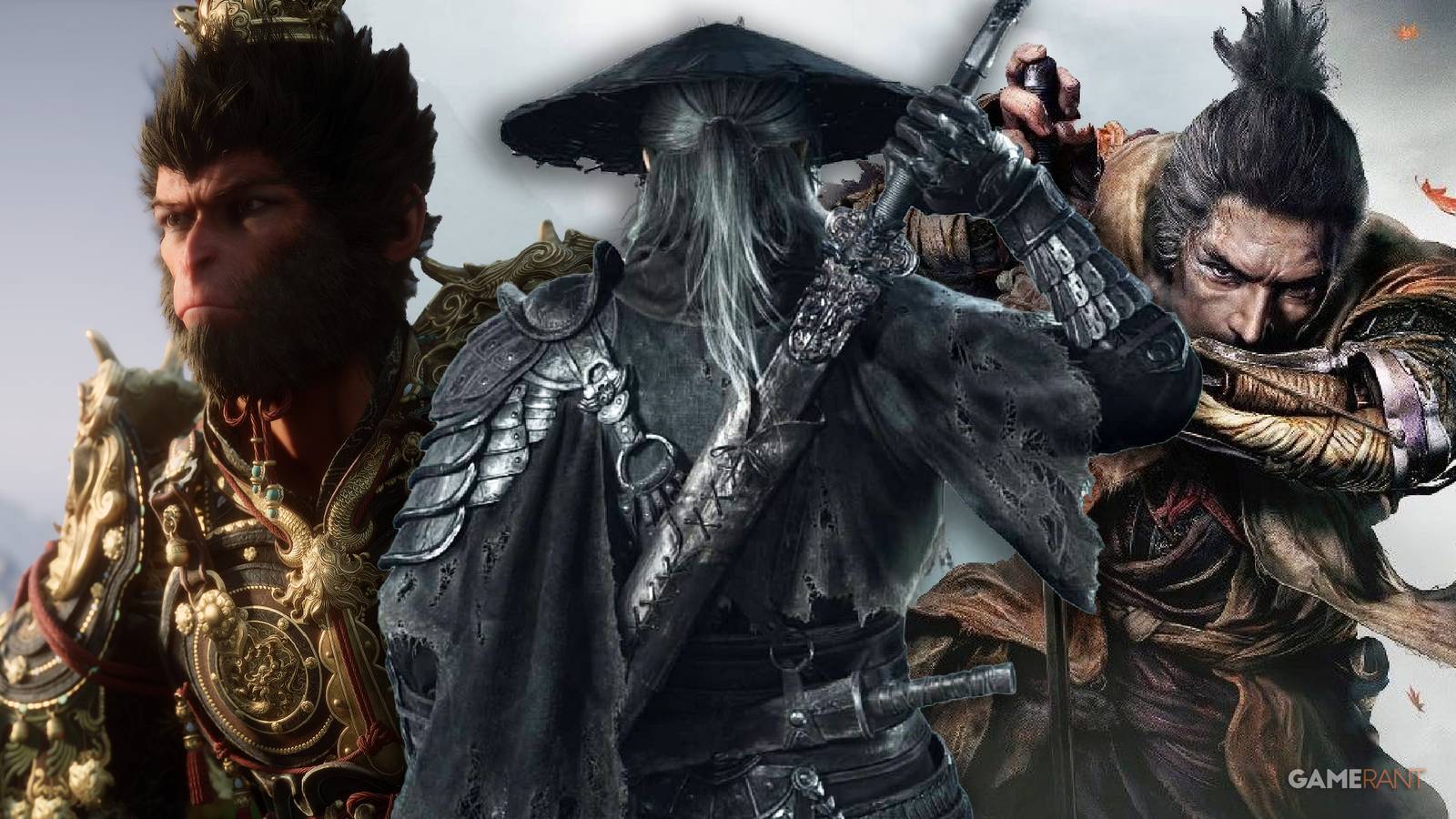
At this point, it feels like action RPGs are synonymous with soulslikes, given how often the two genres overlap. Although the upcoming action RPG Phantom Blade Zero looks very similar to a soulslike, such as Sekiro: Shadows Die Twice, that look could be deceiving. As it becomes more difficult to separate soulslikes from the action RPG genre as a whole, Phantom Blade Zero actually leans away from the soulslike influence and into another emerging action RPG subgenre that puts it closer to 2024’s Black Myth: Wukong.
When Black Myth: Wukong was released, there were endless debates on whether the game could be considered a soulslike. While Black Myth: Wukong featured some soulslike elements, such as limited health potion charges, the ability to collect XP and level up at checkpoints, and an emphasis on precise dodges and attacks, it ultimately played more like the recent God of War games than something like Elden Ring. In reality, Black Myth: Wukong is one of the pioneers of the Wuxia genre of games, at least in the West, which Phantom Blade Zero is set to follow when it releases later this year.
Phantom Blade Zero Has More Endings Than Elden Ring
In an interview with Game Rant, Phantom Blade Zero’s creator detailed how player actions throughout the story lead to more endings than Elden Ring.
Phantom Blade Zero is a Wuxia RPG at Its Core
While Wuxia games may not be as mainstream in the West as they are in China, their country of origin, the genre is quickly picking up steam through the popularity of recent releases. Wuxia is a type of Chinese historical fiction based in low fantasy that usually combines some type of martial artistry with fantastical feats and a lone protagonist setting out on a hero’s journey. Black Myth: Wukong‘s Journey to the West inspirations make it the perfect example of this type of genre being represented in gaming.
What’s That Weapon?

Identify the silhouettes before time runs out.
Identify the silhouettes before time runs out.
Easy (7.5s)Medium (5.0s)Hard (2.5s)Permadeath (2.5s)
Other Notable Wuxia Games
- Black Myth: Wukong
- Dynasty Warriors
- Lost Soul Aside
- Naraka: Bladepoint
- Where Winds Meet
- Wo Long: Fallen Dynasty
- Wuchang: Fallen Feathers
There has been a definite uptick in Wuxia game releases in the West recently, with major titles like Wo Long: Fallen Dynasty, Where Winds Meet, and Wuchang: Fallen Feathers riding that line between soulslike and traditional action RPG. Other Wuxia games like Lost Soul Aside and the Dynasty Warriors franchise follow a more hack-and-slash style of gameplay. In the case of Naraka: Bladepoint, the Wuxia genre can even include examples of PvP gameplay.
Black Myth: Wukong developer Game Science is currently working on a new game, Black Myth: Zhong Kui, which looks to be another entry in the Wuxia genre.
How the Story and Gameplay of Phantom Blade Zero Embrace Its Wuxia Roots
Phantom Blade Zero ticks all the Wuxia genre boxes with its story and gameplay. The story of Phantom Blade Zero follows Soul, a warrior with only six days left to live, as he is hunted by former comrades after the death of his master. Alone, Soul must uncover a web of conspiracy through elements of horror and Chinese folklore mixed with “Kungfupunk,” a blend of martial arts and machinery inspired by Hong Kong action films. This premise gives Phantom Blade Zero unique characteristics within both the action RPG and Wuxia genres.
Phantom Blade Zero’s Gameplay Deviates from a Significant Aspect of Sekiro: Shadows Die Twice
While Sekiro: Shadows Die Twice and Phantom Blade Zero appear to have similar gameplay based on the trailers shown of the latter, Phantom Blade Zero‘s combat is markedly different from FromSoftware’s ninja fantasy soulslike. A key component of Sekiro is its break from FromSoftware tradition by placing less emphasis on weapon variety and builds, and more emphasis on precise gameplay using its parry system. In contrast, Phantom Blade Zero takes nearly the opposite approach when it comes to combat emphasis.


Rearrange the covers into the correct US release order.
Rearrange the covers into the correct US release order.
Easy (5)Medium (7)Hard (10)
In Sekiro, Wolf is largely limited to two main weapons, the Kusabimaru and Fushigiri, along with Sekiro‘s limited prosthetic arm tools to help give the player a small advantage in combat. Comparatively, Phantom Blade Zero offers players over 30 different weapons to choose from, along with over 20 unique “Phantom Edges” to give players a much more complex level of playstyle customization. As Soul defeats enemies in Phantom Blade Zero, he will unlock access to their weapons and combat techniques as well, giving the game far more gameplay variety than Sekiro offers.
Black Myth Wukong’s Spirit Skills Are a Closer Fit for Phantom Blade Zero’s Weapon System
The diversity of weapons earned from defeating enemies in Phantom Blade Zero is very similar to how Black Myth: Wukong grants players access to special Spirit Skills by defeating certain enemies. There are 55 Spirit Skills that players can access in Black Myth: Wukong, which allow the Destined One to transform into its associated yaoguai and perform the skill. The skills play a key role in the game’s combat, often being the difference maker against Black Myth: Wukong‘s toughest bosses while also supporting the Destined One’s growth and fantastical abilities, which are important to the Wuxia genre.
Phantom Blade Zero seems to take a similar approach to Black Myth: Wukong in this way, weaving elements of the Wuxia genre into its gameplay loop and gear acquisition system. Giving out an enemy’s signature weapon as a reward for defeating them is something that the soulslike genre has done before, with Elden Ring offering players Remembrance Weapons in exchange for a boss’s Remembrance. However, games like Phantom Blade Zero and Black Myth: Wukong treat this system as a core part of the hero’s journey rather than an optional feature, which leaves them firmly in the Wuxia genre rather than the soulslike genre.

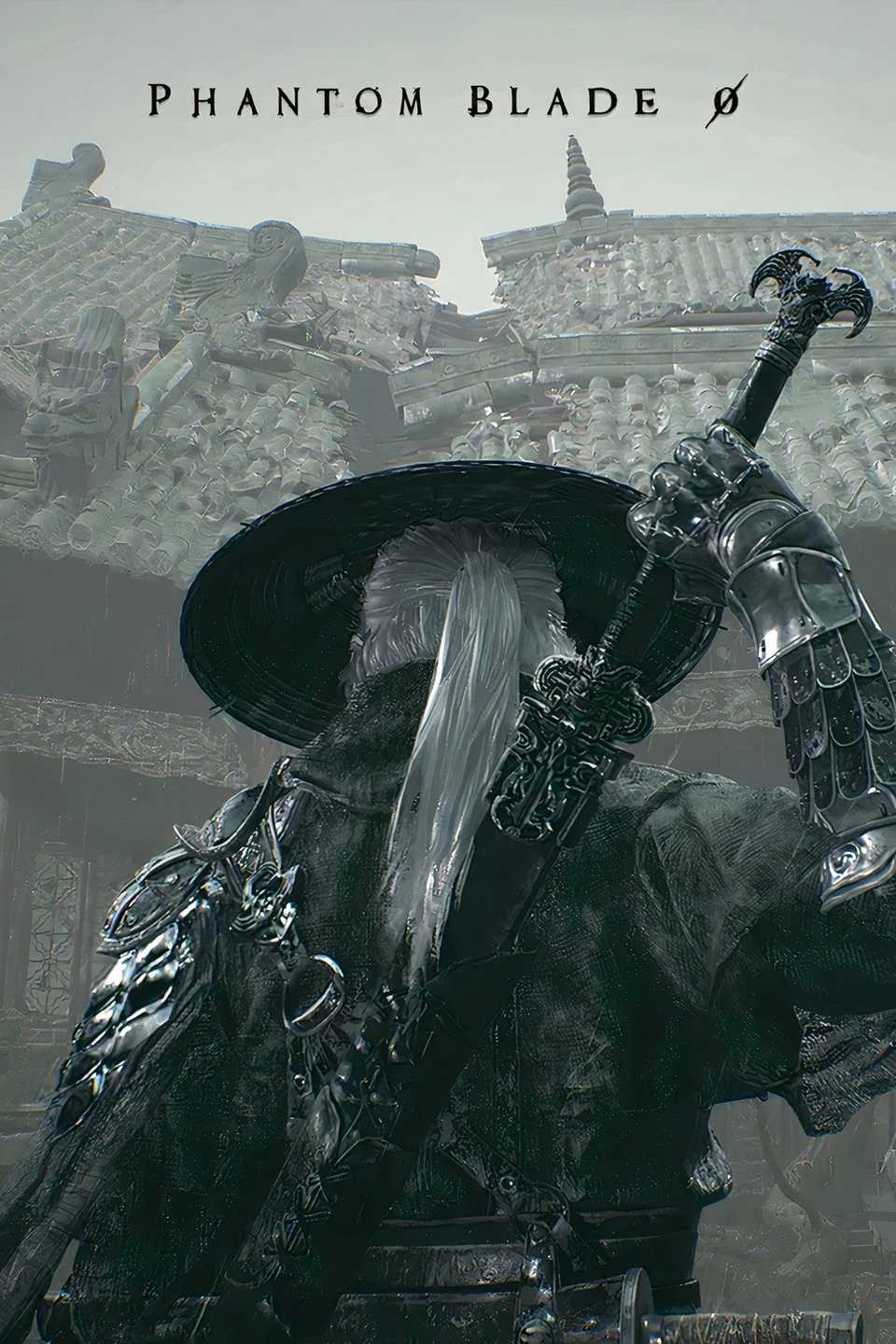



- Released
-
September 9, 2026
- ESRB
-
Unreal Engine 5
- Developer(s)
-
S-Game
- Publisher(s)
-
S-Game
- Engine
-
Unreal Engine 5