





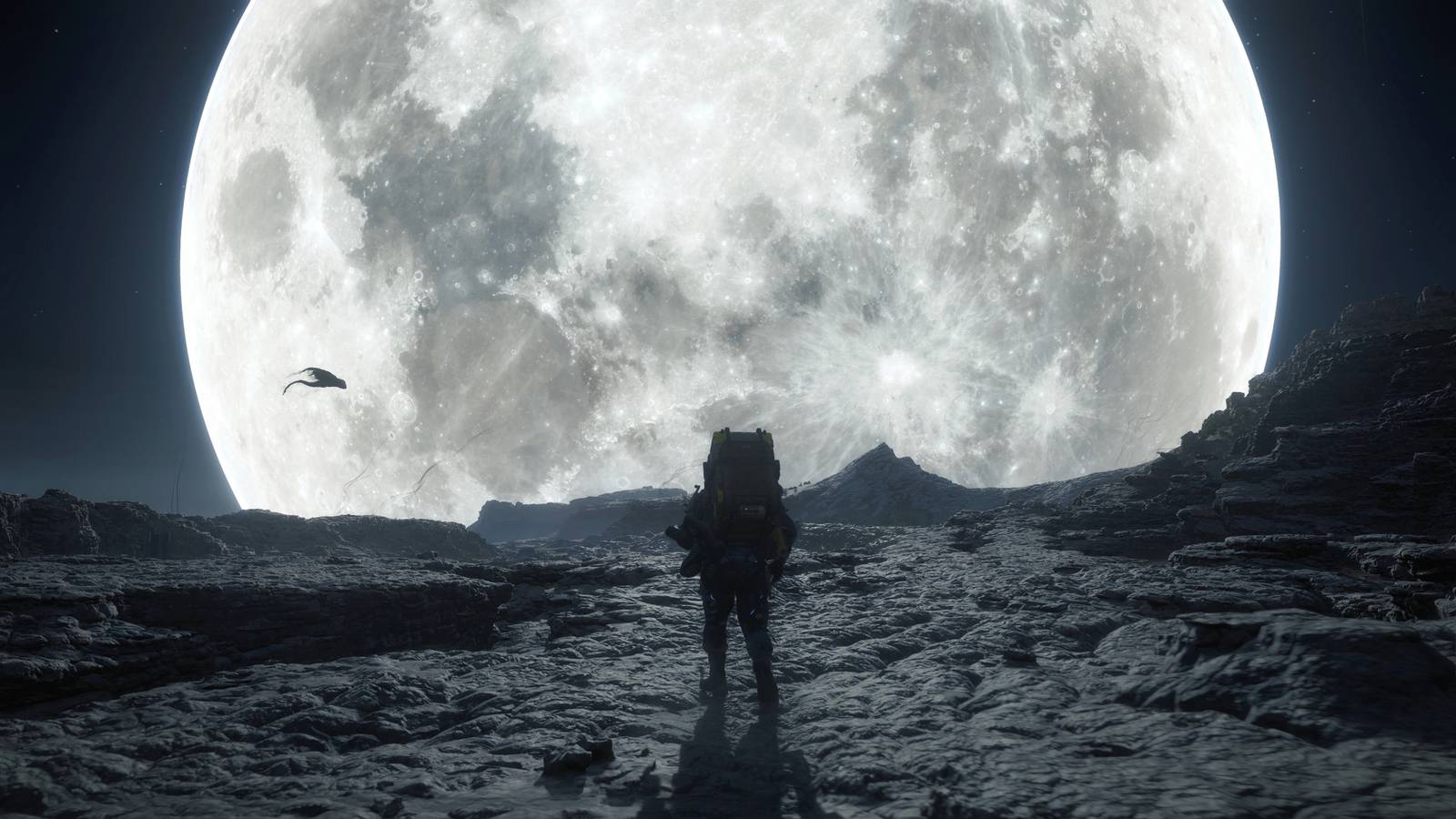
Some stellar games are being added to PlayStation Plus‘ catalog this November, including Like a Dragon: Pirate Yakuza in Hawaii, Atomfall, and Dragon Quest III HD-2D Remake. One of the games I am most excited about being added to the PlayStation Plus Extra and Premium tiers is Death Stranding 2: On the Beach, a Kojima Productions sequel that is rife with accolades, resulting in a 90/100 on OpenCritic. This seems to be part of a larger movement on PlayStation’s part to add more long-form cinematic games to their catalog so that members can sink hours upon hours into gameplay at little cost to them. As a PS Plus member, I was beyond excited, not for myself, but for the thousands of other players who haven’t touched Death Stranding 2 yet.
I am a massive fan of cinematic games and how they prop video games up as a very legitimate art form. These titles are all about utilizing all aspects of game creation to the fullest extent, combining high-quality motion capture, in-depth storytelling and writing, and an impeccable score to deliver something that feels like players are watching a movie. What Hideo Kojima was able to create has stuck with me long after I’ve finished both the first game and its sequel. Make no mistake, though. While Death Stranding 2 is a cinematic game, it is by no means slow. Death Stranding 2‘s pacing is designed to get players involved in the story and the vast world Kojima and his team created. You would be remiss to not try it out when it comes to PlayStation Plus on November 17.
The Death Stranding Series is a Cinematic Experience that Doesn’t Reward Players with Instant Gratification
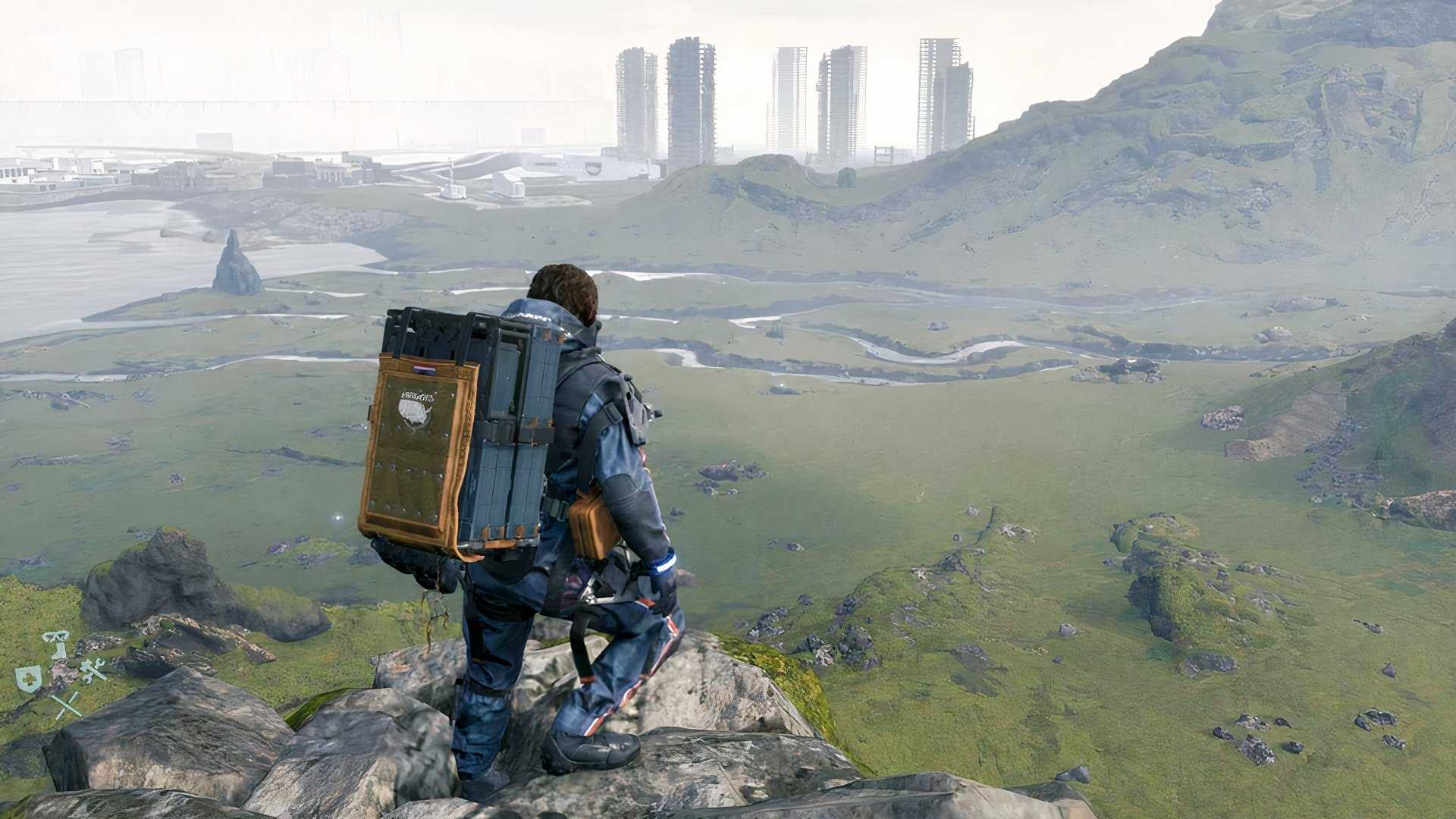
Pacing is an important factor in how a game is perceived. It seems that many players these days are looking for instant gratification out of their playthroughs, getting to the meat and potatoes of a game in a concise manner instead of sitting with it and seeing the game through. My rule is that if I am not hooked within the first 3 hours, I usually drop a game, and this rule has saved me from a lot of lost hours sunk into games I don’t care for. Death Stranding 2 was not one of those games for me. For some though, it was dubbed a “walking sim,” and I can see why. Players do a fair bit of walking and sightseeing, traversing endless landscapes plagued by turbulent weather phenomena to traveling the entirety of Mexico.


Balance the critic averages
Though, a “walking simulator,” in my mind, evokes a game with zero action and zero player participation. That is so far from the case when it comes to Death Stranding 2. The game’s pacing is what drew me as an outsider looking in. I’d never played a Kojima game, not even Metal Gear, but I was curious and wanted to know more. What I soon learned was that Kojima has a great love for film, and that love is palpable in his body of work. It is a key part of what makes a Kojima game a Kojima game. Take Solid Snake for example, who was modeled after Snake Plissken from John Carpenter’s film Escape from New York. Beyond reference made to film stars of years gone by, Kojima’s games are theatrical, using movie-esque framing to tell stories, primarily through cutscenes, but also through gameplay.
Death Stranding 2‘s pacing is designed to get players involved in the story and the vast world Kojima and his team created.
The cutscenes in Kojima’s games are usually what critics say makes the game feel slow. According to a cutscene analysis done by IGN, Metal Gear Solid 4: Guns of the Patriots features a whopping 7 hours and 31 minutes of cinematics, coming to a close with a 71-minute sequence. For Death Stranding 2, there are around 6 hours and 1 minute of cinematic cutscenes, around 15.97% of the game. The Death Stranding series actually features a lot less cinematic cutscenes than Kojima’s previous work, funnily enough. These cutscenes are a good chunk of games like Death Stranding 2 because they are meant to explore characters and character development along with expand on world building.
-
-

-


Gameplay is woven in, making the actions a player takes during fights or deliveries hold more weight. Taking time with these characters gave me more of an appreciation for them. Fragile, in particular, was an extremely impactful character to me towards the end of the game. We see that Fragile steps up as a sort of mother figure to Lou and thus, goes to great lengths to shield her from harm’s way. We also learn that she was born into a porter family and that her mother mentored Higgs. I also adored how I was able to see Fragile and Sam’s relationship blossom despite the circumstances, which is why the ending hit so much harder when it happened.
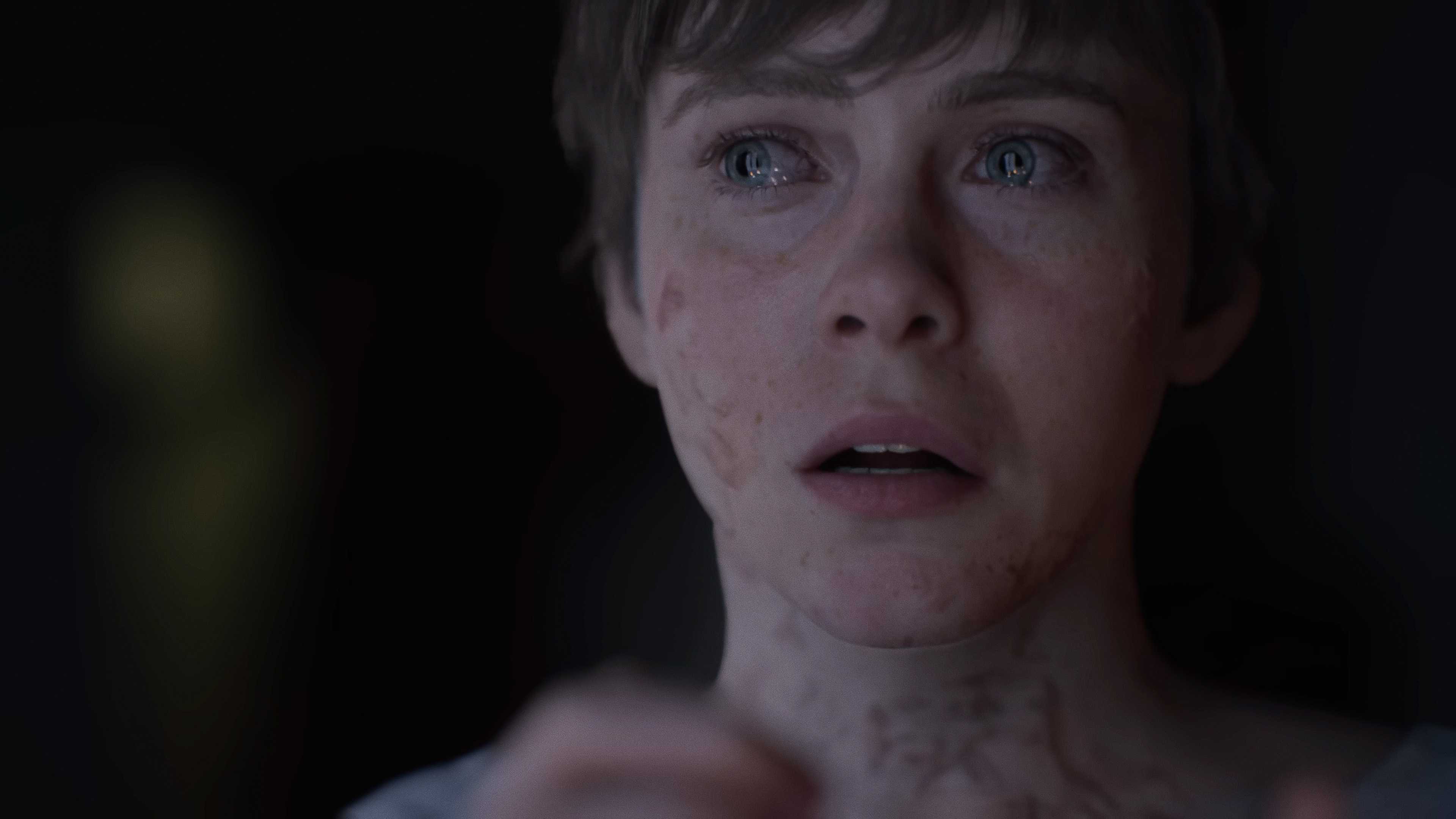
Some of my favorite characters from this series have become my favorites thanks to the lengthy but meaningful time I spent with them. Lengthy cutscenes are the heart of this series because they can showcase the A-list actors Kojima brought on to amplify world-building. It would be a true waste not to give actors like Norman Reedus, Lea Seydoux, Elle Fanning, and Margaret Qualley the chance to fully explore their characters through these cinematic cutscenes. Letting them go, giving them the space to embody the character regardless of length is how good art is made. Without restraint. I would wadger that we wouldn’t know as much impactful info about everything from BBs and Sam to Neil Vana if we didn’t have that measured pacing to keep players informed and invested.
-

-
-

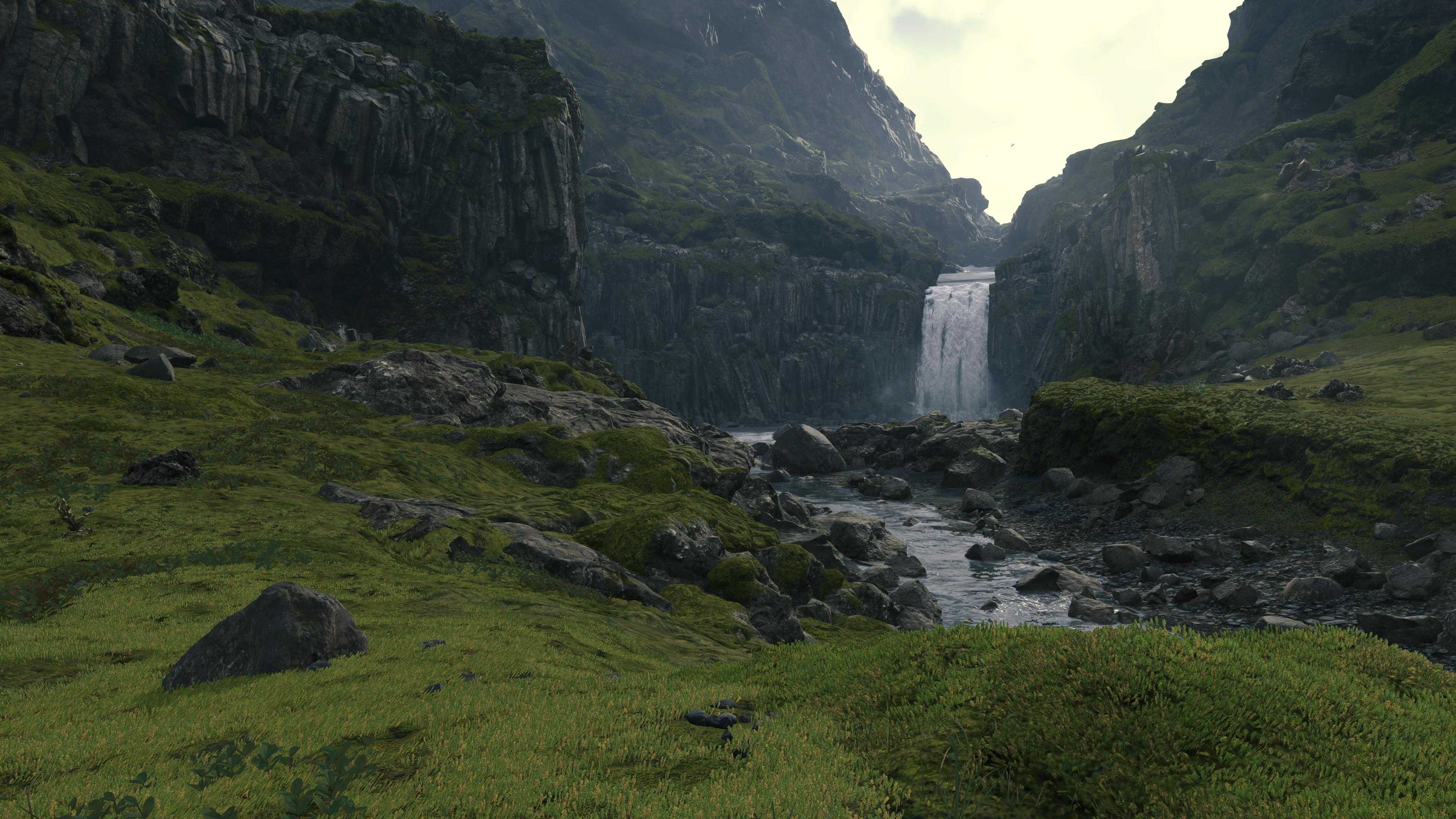
Cutscenes are “slower” for cinematic purposes. Players are meant to sit with what they are given, instead of just moving on to the next thing. Gameplay in Death Stranding 2, in between these cinematic cutscenes, doesn’t suffer just because the story takes priority. It is not “slow” in the sense that it is boring. Gameplay is meant to be meaningful for players. Each step is purposeful, which is why it can feel lethargic at times. This is so people can take in their surroundings, gather necessary information about the world around them, listen to the banger soundtrack that they can change on command as they go, and stop and talk to NPCs along the way.
The game is open world for a reason. Some of the best parts for me are traversing the land, helping Sam take on tricky inclines or harsh climates with deliveries piled up high on his back. Every step is measured, based on real-world physics, which means players must be careful and take their time. If they don’t, a delivery is likely to get damaged, which will not look good for a player’s rating. Taking things slow is the name of the game, both in gameplay and cinematic moments. Sure it can be a bit vexing at times, but trust me when I say it is worth it to see this game through. As they say, slow and steady wins the race.
The Next Few Years Are About to Be Massive for Hideo Kojima
-
-

-

Death Stranding 2‘s addition to the catalog might also be a strategic move on PlayStation’s part, since Hideo Kojima is in the news again recently for Physint and OD. Kojima games are a specific type, and it looks like both of these new launches are set to be quite theatrical. In OD, Kojima is enlisting the help of actors like Hunter Schafer, Sophia Lillis, and Udo Kier to convey this thrilling horror story, while in Physint, Kojima has cast Bill Skarsgård, Charlee Fraser, Ma Dong-seok, and Minami Hamabe to bring his story to life. This offers fans looking to get into his work a chance to sit with how his games play out ahead of both game’s launch.
As I have said time and time again in this article, Kojima games are very specific, made for a very specific vibe. They are weird and sometimes nonsensical, just as much as they are theatrical and immersive. The video game designer and writer is best at creating extremely eccentric characters and plots that border on camp. Some of his games, like Metal Gear, focus on stealth with lots of gun-welding action, while Death Stranding is more of an adventure set in a fantastical open world where players are meant to deliver packages like they’re Amazon. The through line to all these games is that players should expect the unexpected. There’s really no telling what Kojima has cooked up until a player actually has the controller in hand, experiencing their vision for themselves.
I will note that, oftentimes, this over-the-top nature can come off a little pretentious to some, including me. It is okay to not understand what is going on at first. Kojima is best known for throwing in a handful of wacky ideas and themes into games, catching the player up to speed when he feels like it. This was something I was particularly annoyed about when I first picked up Death Stranding. In time, though, I began to understand what was happening as I journeyed across the United States. The beauty of Kojima’s many games is that they are one of a kind, built from the ground up by passionate folks that want players to sit with the game and enjoy it. In Kojima games, sometimes the beginning, middle and end of a story won’t come to players in a neatly packaged box. It’s about sticking with what’s given until a whole picture is painted slowly but surely.





- Released
-
June 26, 2025
- ESRB
-
Mature 17+ / Blood and Gore, Partial Nudity, Strong Language, Violence