



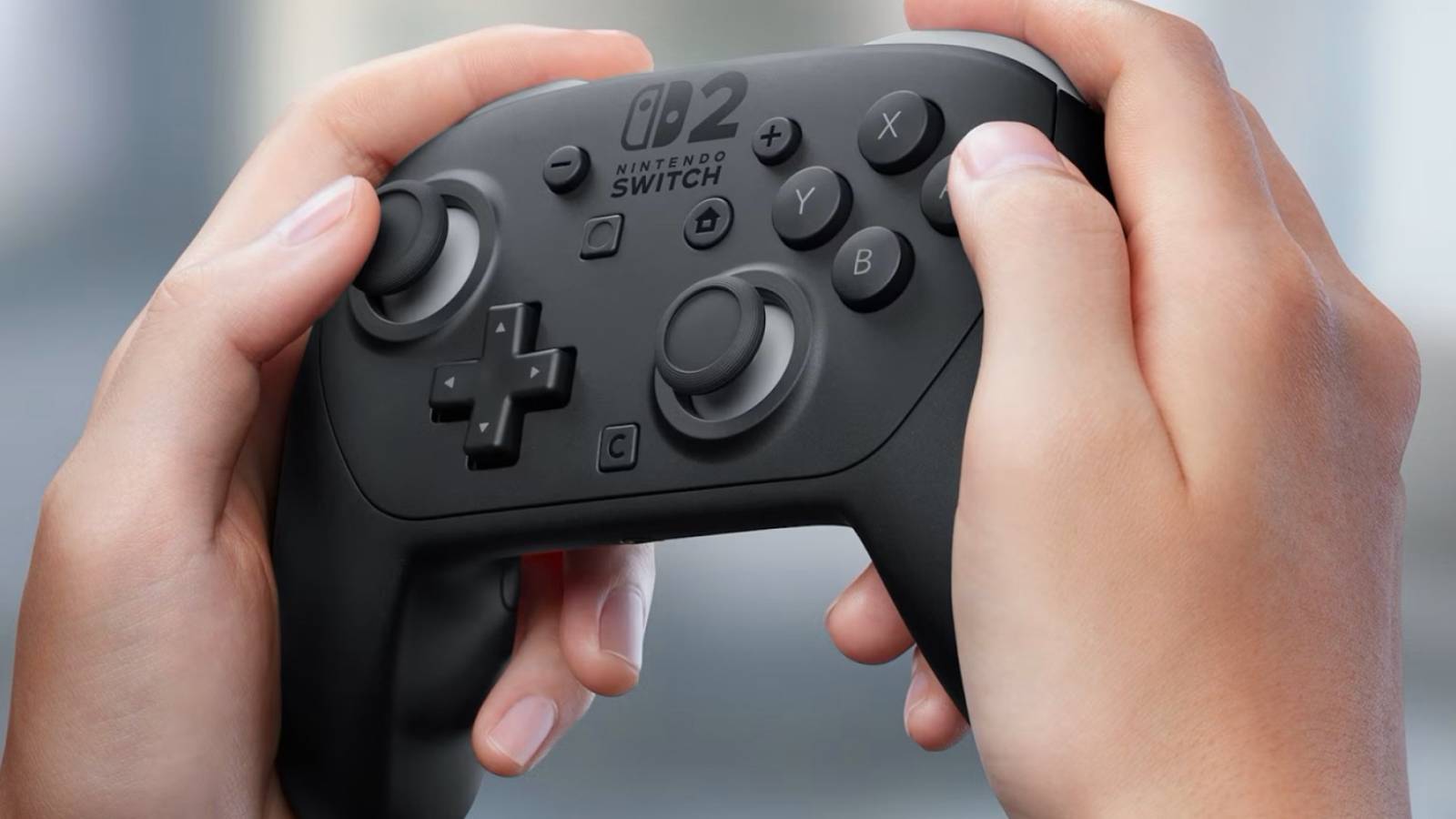



The newest sales data for the US video game industry has arrived, and one of the takeaways is that hardware sales continue to slide for all major platforms–except the Switch 2, it seems.
Circana’s report for January 2026 sales in the US showed that spending on hardware rose by 16% year-over-year, jumping to $248 million for the month. This growth was achieved despite the PS5 seeing a 17% decline in spending, the Xbox Series X|S posting a 27% decline, and the original Switch falling even more dramatically by 79% compared to last year.
The Switch 2, it seems, was the savior for hardware spending in January 2026, and it did well enough to offset all of those declines. Despite that, the Switch 2 was actually January 2026’s No. 2 top platform for unit and dollar sales. The PS5 was the No. 1 overall console platform in January 2026 by those metrics, even with its 17% year-over-year decline in sales.
It makes sense that PS5, Xbox Series X|S, and the original Switch would see lower year-over-year sales, in part because of their age. It was also reported recently that richer households now make up the majority of gaming hardware buyers in the US, suggesting more people are getting priced out.
Another element that could have contributed to the overall increase in spending on game hardware for January 2026 is the fact that consoles are more expensive than they used to be due to tariffs, among other factors. The PS5, Xbox Series X|S, and Switch all got more expensive in 2025, with experts predicting that a Switch 2 price hike is coming next.
In other hardware news, a recent report said Sony might delay the launch of the PS6 to 2028 or 2029 due to the AI-fueled ongoing shortage of memory chips. AMD’s CEO, meanwhile, said the next Xbox console could launch in 2027, but this is far from confirmation of any kind.
In terms of game sales in January, Activision’s Call of Duty: Black Ops 7 was the No. 1 best-selling game in the US, extending its streak to two months in a row as the top-selling game. Spending on games grew year-over-year for January 2026, but the uptick was largely attributable to revenue from subscription services.