




Diablo 4: Lord of Hatred is changing the game in a variety of ways, but perhaps the most drastic is how the new expansion update approaches itemization and loot value. Diablo 4 has historically struggled to make all loot valuable as players get deeper into the endgame and start optimizing their builds. However, Lord of Hatred takes a massive leap forward on this front, and what were previously considered junk items are now quite valuable pieces of gear that players should hold onto rather than selling or salvaging them.
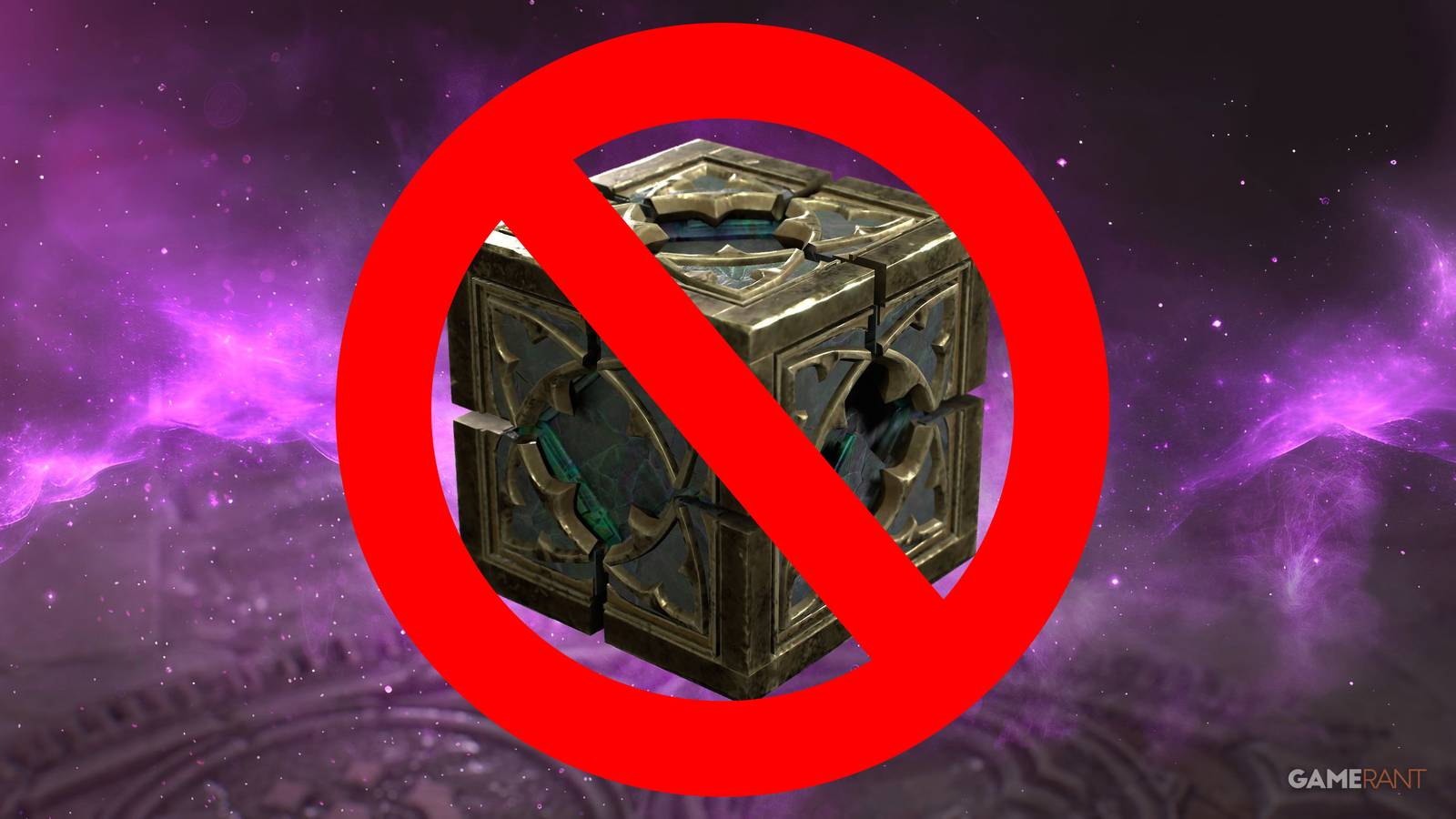
In an effort to make the endgame loot chase more rewarding, Diablo 4: Lord of Hatred introduces several new features to aid its itemization issues. While a loot filter is a very welcome addition, the Horadric Cube is another option for taking low-quality gear and turning it into something usable on an endgame Diablo 4 build. As a result, Common-quality gear will become some of the most valuable items for Diablo 4: Lord of Hatred players heading into the endgame.
Diablo 4’s Worst Class is Finally Viable in Lord of Hatred
Diablo 4: Lord of Hatred brings some important buffs to the game’s worst class, finally making it viable in the upcoming expansion.
Diablo 4: Lord of Hatred Makes Common-Quality Gear Incredibly Valuable
When starting a new character in Diablo 4: Lord of Hatred, finding Common and Magic-quality items is expected for the first few hours of the leveling grind. In the past, these types of items would be worthless as soon as players started adding Legendary and Uniques to their build. But with the release of Lord of Hatred, some of the lower-tier qualities can form the basis for incredibly powerful gear when transmuted using the Horadric Cube, meaning it’s worth saving some of these early-game “junk” items for an easier endgame grind.
Diablo 4 Gear Quality Tiers Explained
- Common — No affixes
- Magic — Up to 2 affixes, can include a socket
- Rare — Up to 3 affixes, can include sockets
- Legendary — 4 affixes and a Legendary Aspect
- Unique — 4 fixed affixes and a Unique power
- Mythic Unique — 4 fixed affixes and a very powerful Unique power
Item quality in Diablo 4 is largely defined by how many affixes a piece of gear has, with Commons having none, and each progressive tier adding the chance to have more affix rolls on it when it drops. Legendaries and Uniques in Diablo 4 are the most coveted for endgame builds, since they offer bonus powers that can’t be found on previous quality tiers, often with build-defining effects. Mythic Uniques are by far the rarest items in Diablo 4, but have all the benefits of standard Uniques with the addition of even more powerful stats and affixes.
Items can also be Ancestral in addition to their quality classification, meaning they will have at least one Greater Affix.
The Horadric Cube Can Turn Commons into Uniques in Diablo 4: Lord of Hatred
With the addition of the Horadric Cube in Diablo 4: Lord of Hatred, players will now have the ability to transmute one piece of gear to a higher quality version by adding additional affixes. This means that any piece of gear can potentially be used on an endgame build, and players can use the Horadric Cube to even re-roll or remove affixes that don’t fit with their build. While this is good news for the utility of Magic and Rare quality gear, it’s even better for Commons.
Drag weapons to fill the grid
Drag weapons to fill the grid
EasyMediumHard
Since Common items don’t come with any affixes, they are the only type of gear that can be transmuted into Uniques via the Horadric Cube. This means that Diablo 4: Lord of Hatred encourages players to stock up on Commons in the early game so that they can roll them into a random Unique in the endgame. Given that Uniques are usually target farmed from Diablo 4‘s Lair Bosses or randomly dropped from Helltide Chests, having a handy supply of commons available to gamble with in the Horadric Cube could end up being an easier approach to Unique farming compared to past methods.

- Released
-
June 5, 2023
- ESRB
-
Mature 17+ / Blood and Gore, Intense Violence, Language, In-Game Purchases, Users Interact