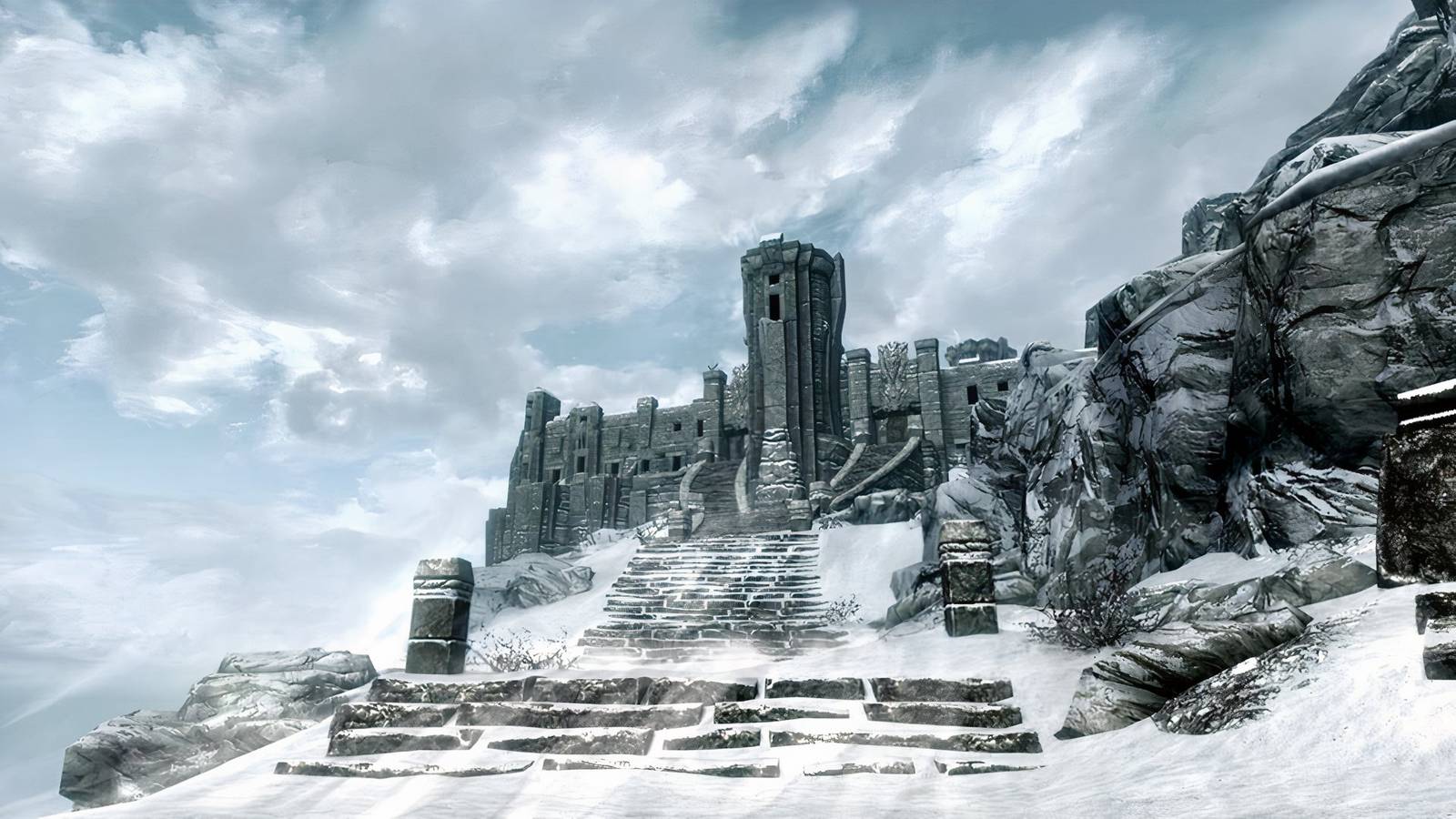




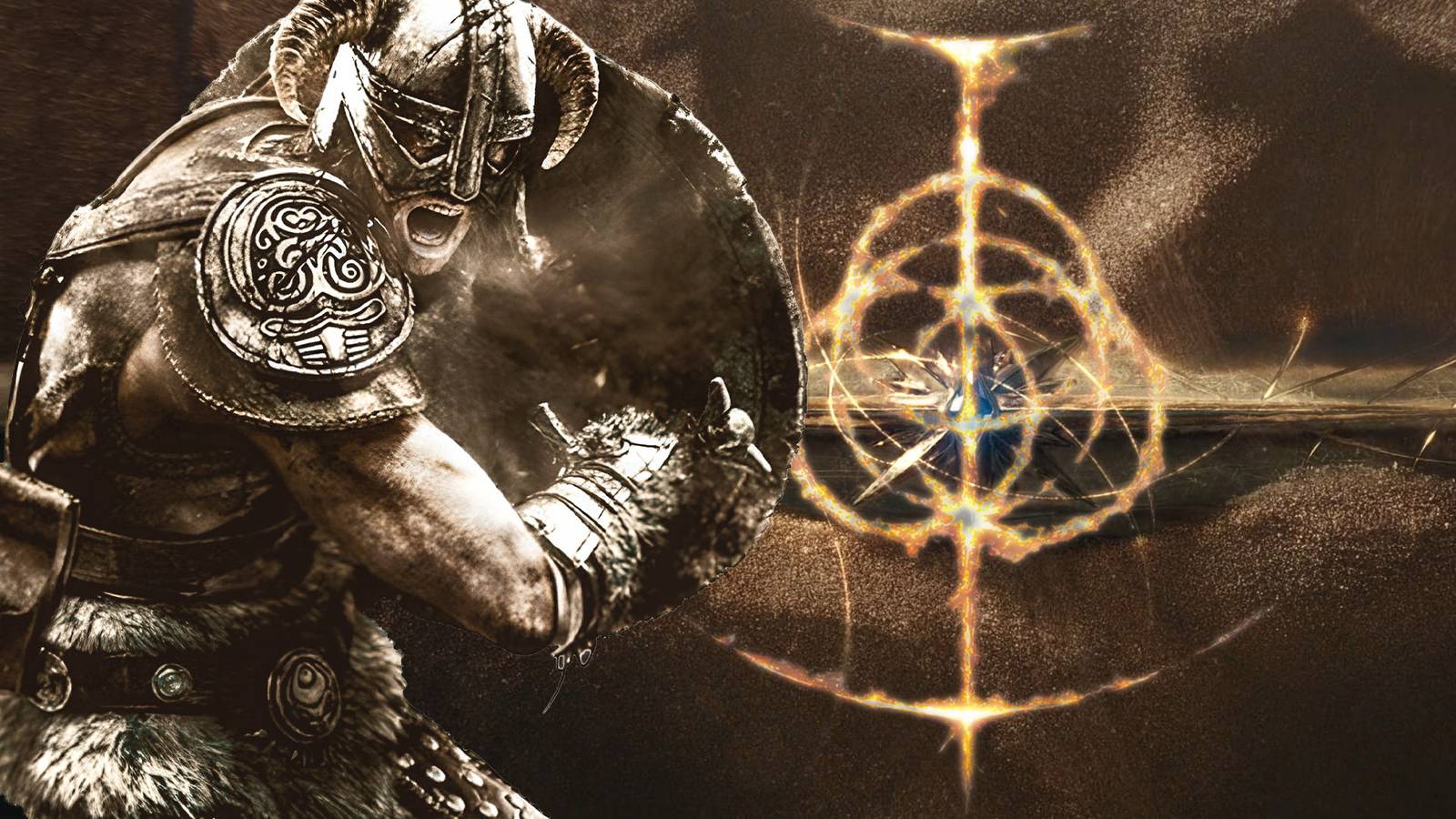
Bethesda has been keeping things pretty quiet about most of their upcoming games, but it seems the wait may finally be coming to a close for their biggest IP. The Elder Scrolls 6: Sentinel was just revealed, eight years after the initial teaser, and while we still don’t know a whole lot, it is reassuring to see at least a small step towards release. However, many people have pointed out that the golden shapes in the logo video resemble those in Elden Ring, which begs the question as to where this new game will land in the modern RPG landscape.
It has been over 15 years since the last mainline release in the franchise, and in that time, we have seen dozens of incredible open-world RPGs that make Bethesda’s game design feel a little outdated, putting pressure on The Elder Scrolls 6: Sentinel to be a true next-generation experience. If Skyrim dominated the 2010s, and games like Elden Ring have done the same this decade, then Bethesda needs to make sure their latest project sticks the landing, as otherwise, that enormous wait would have been for nothing.
When you look at the most anticipated games of the last few years, The Elder Scrolls 6 was almost always near the top of that list, and that was before we even knew the full name and any other specifics about the game itself. The expectations are immense, and as time has gone on, the competition has only gotten stronger, with countless new fantasy RPGs hitting the gaming world by storm and effectively displacing Bethesda as the kings of the genre.

Guess the games from the emojis.
There are narrative-driven epics like The Witcher 3, combat-focused ones like Elden Ring, and even sandbox-style games like Crimson Desert that have raised the bar for what a fantasy open-world RPG can be in the modern gaming world. Back in the Skyrim era, the competition was far lower, which doesn’t mean the game isn’t an incredible RPG that holds up today; it’s just that today, the microscope that games go under on release is far stricter, and players are far more vocal about what they like and don’t like, especially when it comes to the bigger names in the business.
If Skyrim dominated the 2010s, and games like Elden Ring have done the same this decade, then Bethesda needs to make sure their latest project sticks the landing, as otherwise, that enormous wait would have been for nothing.
Bethesda also needs to think about where The Elder Scrolls 6: Sentinel fits within the wider genre, as the concept of a fantasy open-world RPG has changed a lot in the last two decades and the expectations have altered with them. It is no longer good enough to put out an average game that doesn’t break the mold too much, and we have seen a lot of otherwise great games receive middling scores because they play things too safe or don’t deliver on the promises they laid out for their players.
-
 Image via Bethesda
-
-
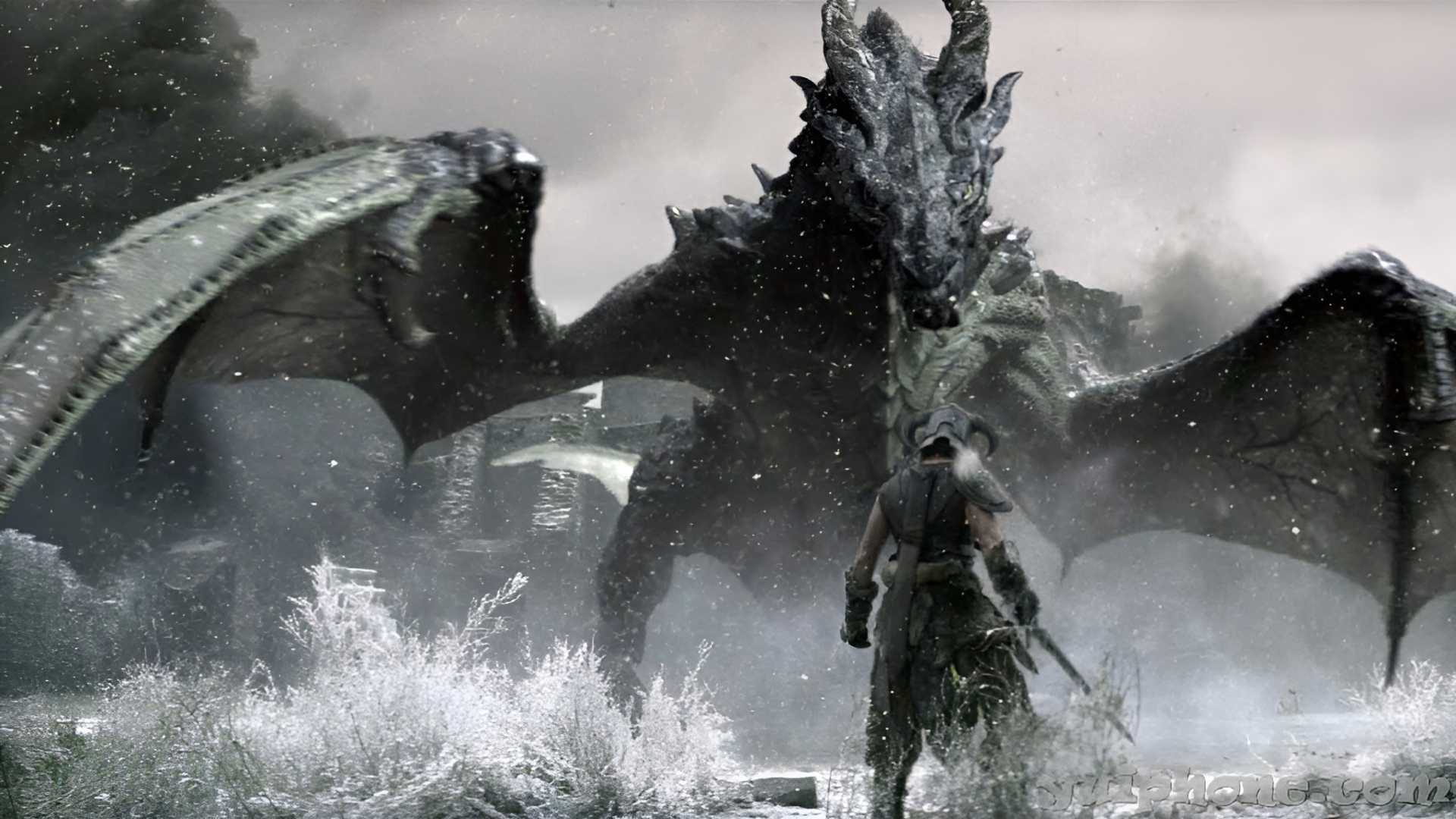 Image via Bethesda
If I am a developer at Bethesda and I thought about what Sentinel needs to bring to the table, then I would be looking at the competition, what works, and then deciding how many features from the previous games to include in this one. Skyrim is obviously a timeless classic with so many amazing mechanics and ideas, yet at the same time, I don’t think it would receive nearly as much acclaim now as it did back then, at least in its current form. My reasoning for that is based on how people play the game now by adding dozens of mods and additional features, but also Bethesda’s other more recent releases like Oblivion Remastered, a universal 8/10, and the more contentious Starfield.
Bethesda Can’t Make The Starfield Mistake Again
Game development takes a long time, and those extensive production cycles mean that when the game eventually launches, it has to be successful for all that work to be worth it. Bethesda is now notorious for having lengthy dev times for their games, but their track record in the past few years has been far from perfect. Fallout 76 was a mess at launch, and after that, Starfield released to lukewarm reviews from even the most diehard Bethesda fans, with many criticizing the lack of innovation and the general sentiment being that the development time was far too long given the quality of the end product.
-
 Image via Bethesda
-
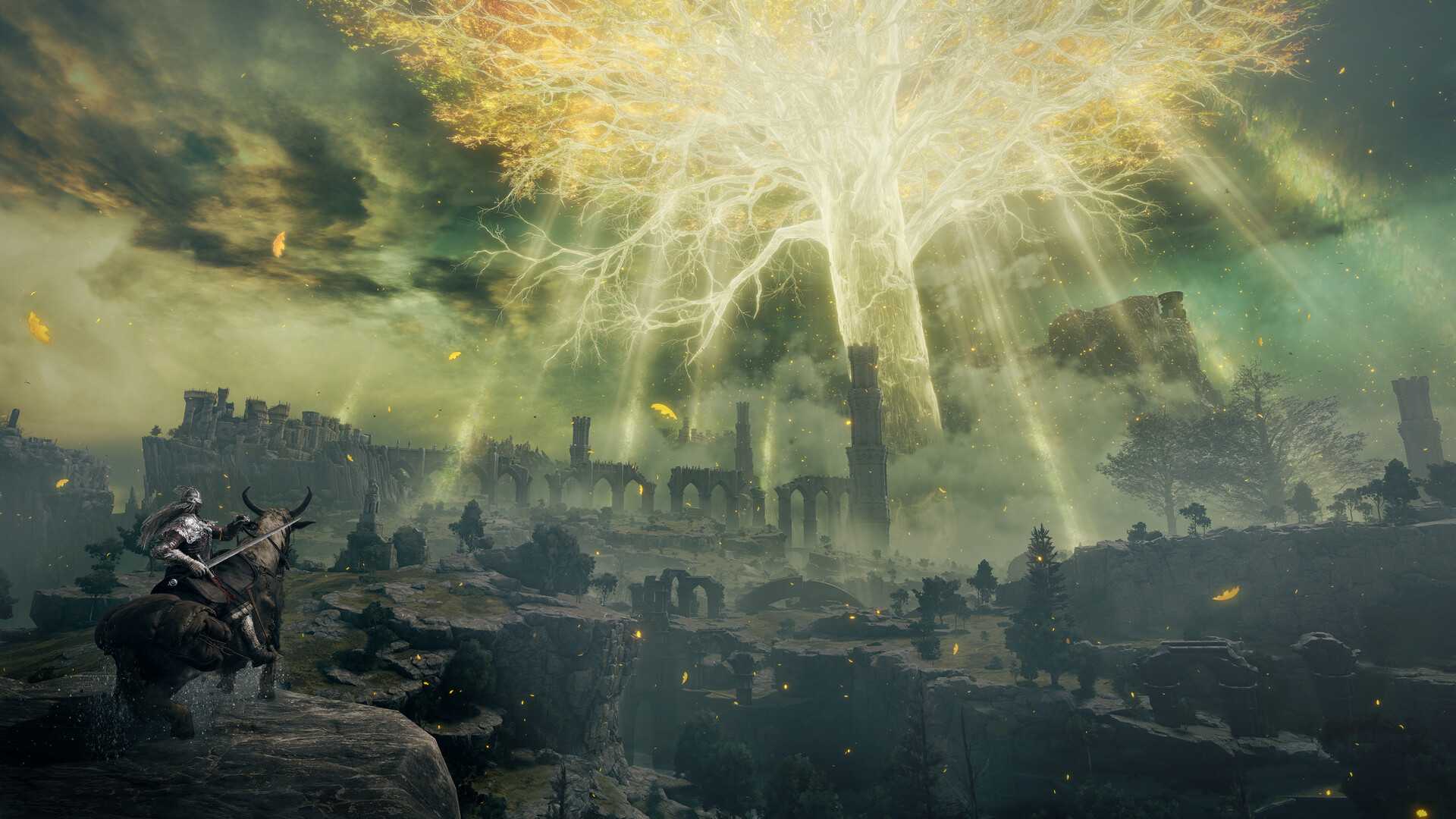 Image via: FromSoftware
-
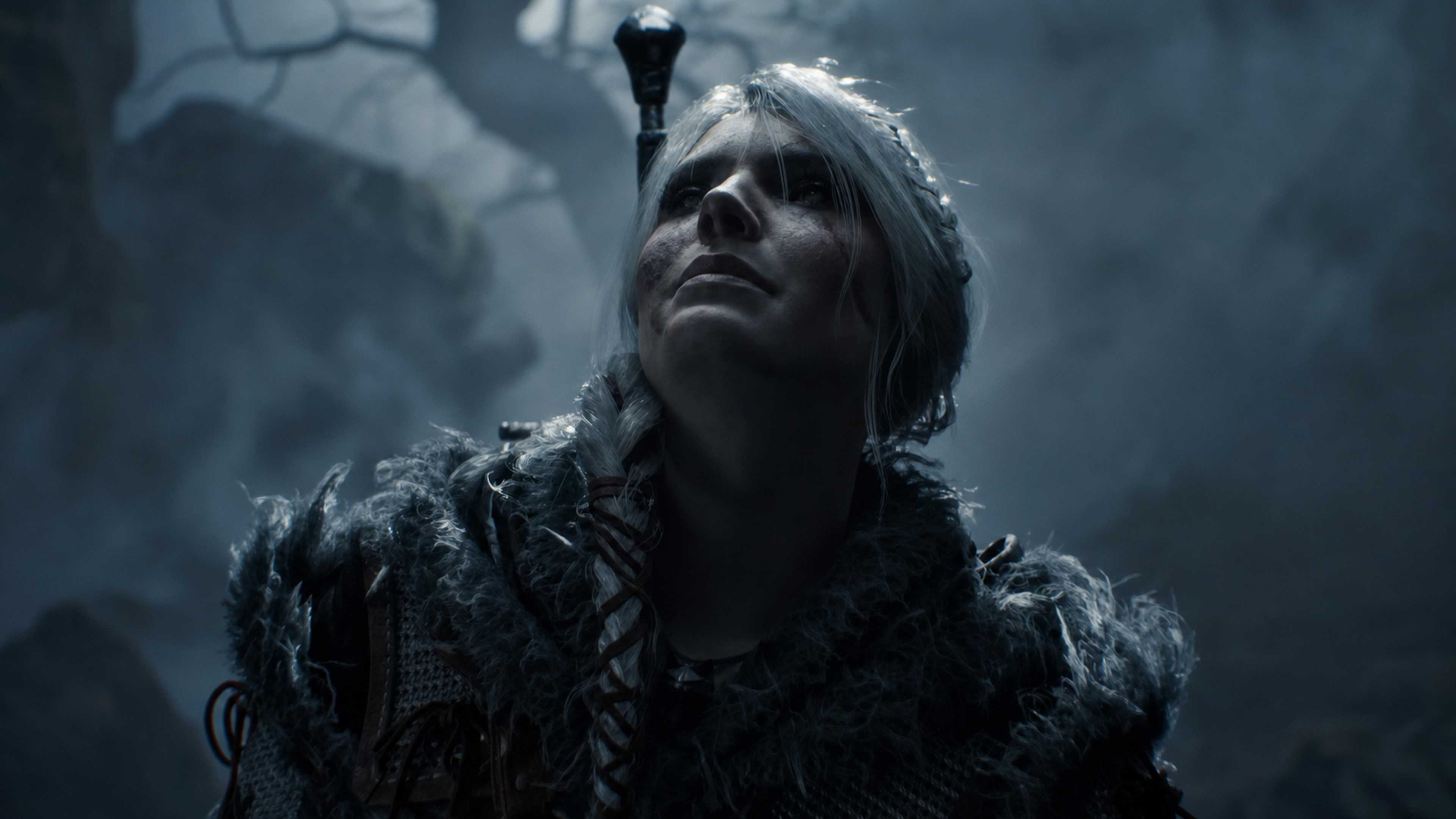
Now, in Starfield’s case, you can make an argument that it deserves a pass as it was a new IP, and so, while the expectations were high, I think they were still lower than if it was a mainline Elder Scrolls or Fallout game. The same cannot be said for Sentinel, which we have been waiting on for years at this point, and so, if Bethesda can’t innovate or prove they can keep up with the best games of today, then it may end up severely damaging their reputation as an open-world RPG developer.
Of course, we are still in the early days of Sentinel’s release cycle, and there is still a world where The Elder Scrolls 6 releases, and it is the best RPG ever made and overtakes Skyrim as Bethesda’s crowning achievement. However, I would err on the side of caution, purely due to Bethesda’s recent track record, and the lack of evidence that the company is still able to stand on its own two feet and not rely on its legacy titles for ongoing success.