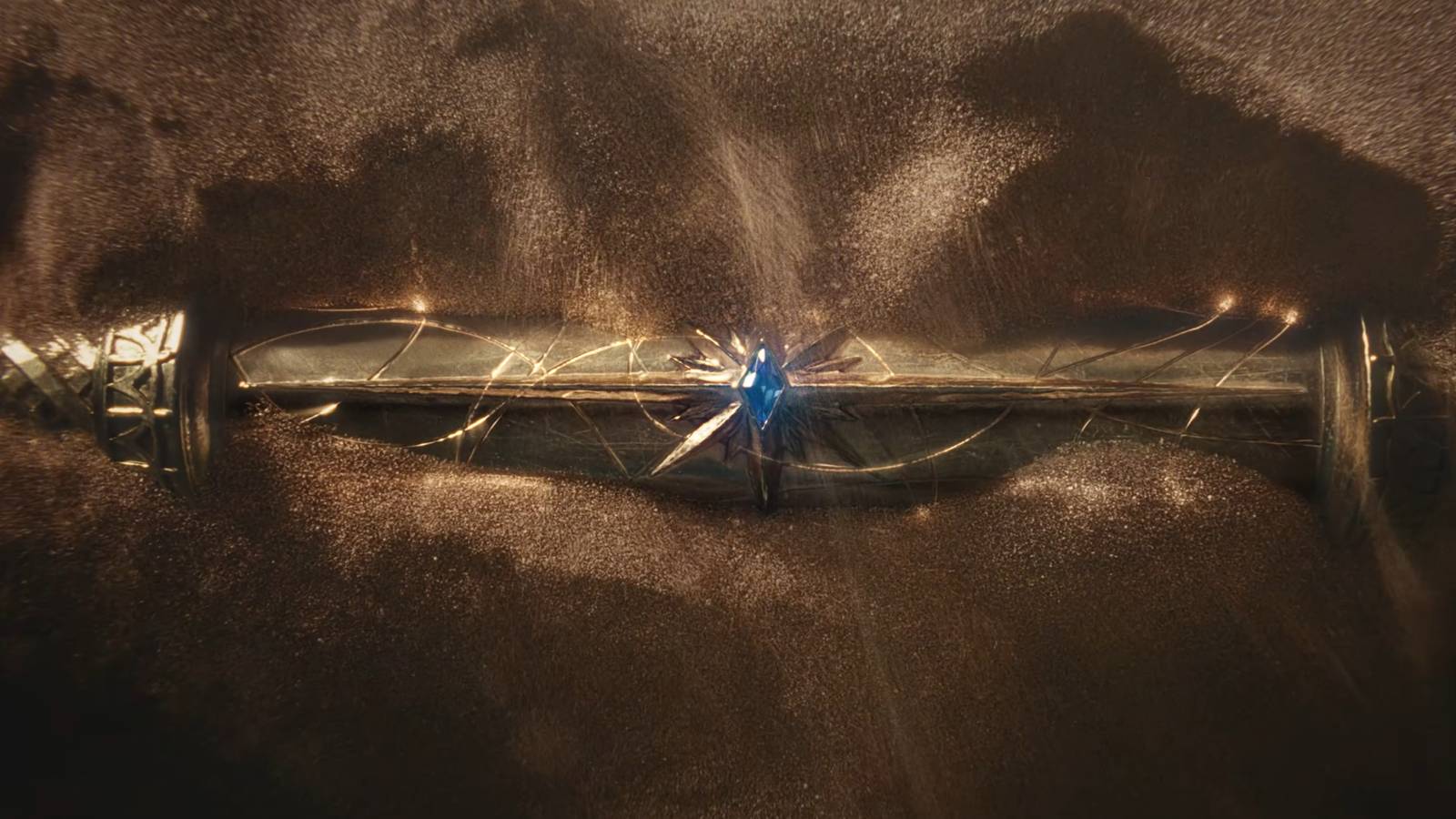




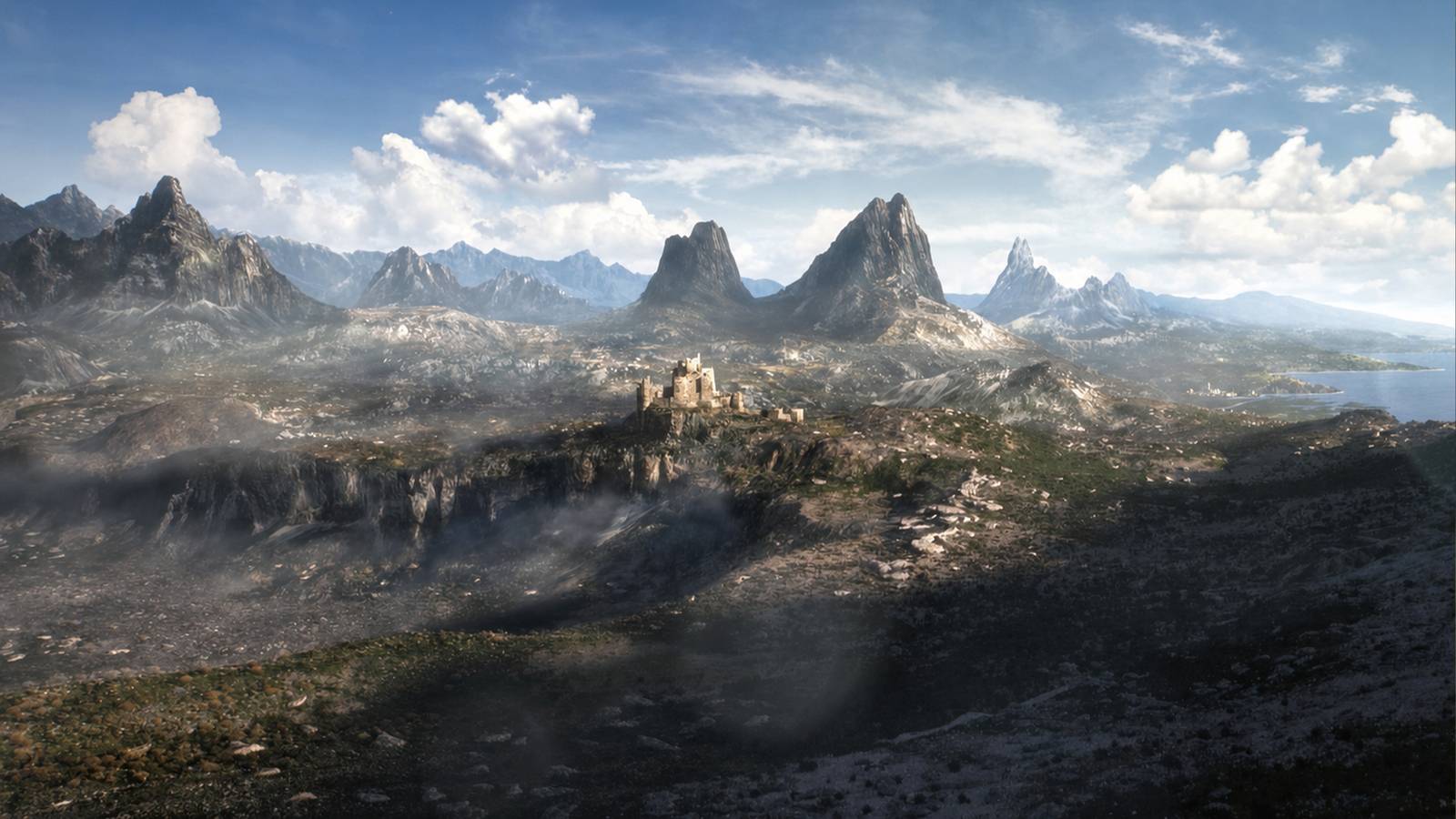
After years of waiting, The Elder Scrolls 6: Sentinel finally has an official name, following Bethesda’s November 3 announcement. The reveal also confirmed Hammerfell as the setting for the next mainline entry, giving fans something concrete to get excited about. However, tucked away in the teaser is a mysterious passage that could tell us considerably more about the game’s story than its title does.
The passage is attributed to Yazar, a Moth Priest serving High Queen Iradne of Hammerfell, and is dated 4E 206. That’s only five years after the events of The Elder Scrolls 5: Skyrim, which took place in 4E 201. Although Bethesda hasn’t confirmed when Sentinel itself takes place, the date immediately makes Skyrim’s unresolved political conflicts worth revisiting. With Hammerfell’s troubled history involving the Aldmeri Dominion, the prophecy’s warning about an undone victory feels particularly ominous.
One of the most interesting lines from Yazar’s prophecy is “A future lost. A victory undone.” Hammerfell has a significant military victory in its recent history that fits this description surprisingly well. During the Great War, the Empire signed the White-Gold Concordat in 4E 175, agreeing to peace terms that included surrendering parts of southern Hammerfell to the Aldmeri Dominion. The Redguards refused to accept the agreement, prompting Emperor Titus Mede 2 to renounce Hammerfell as an Imperial province. Hammerfell continued fighting the Dominion independently, eventually securing the withdrawal of Aldmeri forces through the Second Treaty of Stros M’Kai in 4E 180. That means Hammerfell’s hard-fought independence was secured just 26 years before Yazar recorded his mysterious warning.

Put the consoles in the correct order.
There’s also a particularly interesting connection involving Sentinel itself. According to Skyrim’s in-game book The Great War, a Forebear army from Sentinel helped break the siege of Hegathe in 4E 173. This military success helped reconcile the Forebears and Crowns, two historically divided political factions within Hammerfell. Their cooperation was an important part of resisting the Dominion, but that doesn’t necessarily mean their differences disappeared afterward. A renewed threat could put that unity to the test, especially if the province remains divided over its relationship with the Empire. The possibility that Yazar’s warning refers to Hammerfell losing the independence it fought so hard to secure gives Bethesda an established conflict to build upon. It would also make the game’s title feel particularly appropriate, considering Sentinel’s direct involvement in that earlier struggle.
A renewed threat could put that unity to the test, especially if the province remains divided over its relationship with the Empire.
Hammerfell’s history becomes even more interesting when considering what was happening elsewhere in Tamriel during Skyrim. The civil war between the Imperial Legion and Ulfric Stormcloak’s rebellion was closely connected to the Great War’s aftermath, particularly the Empire’s concessions to the Dominion. One of Skyrim’s most revealing documents, “Thalmor Dossier: Ulfric Stormcloak,” establishes that the Dominion considered a prolonged civil war beneficial to its interests. Its agents wanted to prevent either side from securing a decisive victory, allowing the conflict to continue weakening their enemies. The document doesn’t establish that Ulfric was knowingly working for the Dominion, but it does reveal how much the Thalmor stood to gain from Skyrim’s political instability. The Dominion had an interest in keeping Skyrim divided, and Hammerfell could be where the consequences finally come due.

Of course, Skyrim allowed players to determine the outcome of its civil war, which creates an interesting challenge for Bethesda. Establishing one canonical victor could undermine the choices players made, while avoiding the subject entirely might waste an opportunity to explore the wider conflict. Fortunately, Sentinel wouldn’t necessarily need to identify a winner to explore the consequences. Skyrim also introduced Hammerfell’s complicated political situation through the side quest “In My Time of Need,” where Saadia and Kematu offered conflicting accounts of an alleged betrayal involving the Dominion. That unresolved storyline already suggested that Hammerfell’s political loyalties were far from straightforward. There’s also the possibility that Yazar’s prophecy concerns something supernatural rather than another war. Moth Priests interpret Elder Scrolls, after all, and the warning’s references to fate and a lost future could point toward something far stranger than political upheaval.

What makes this reveal so exciting is how naturally it connects to events that Skyrim left hanging. The Great War shaped so much of that game’s political landscape, yet players never got to see the larger struggle between the Empire and the Dominion reach a definitive conclusion. Hammerfell offers an opportunity to explore that conflict from a completely different perspective. Its people rejected the Empire’s peace agreement and successfully fought for their independence, giving them good reason to distrust both sides. I’d love to see Bethesda explore how those experiences shaped the province, especially if another Dominion threat begins challenging everything the Redguards achieved.
There’s still plenty we don’t know about The Elder Scrolls 6: Sentinel, and the 4E 206 date doesn’t guarantee that its story will take place immediately after Skyrim. Even so, I’m already far more interested in what that prophecy could mean than I expected to be from such a brief teaser. Revisiting the consequences of the Great War could make Hammerfell feel connected to the Tamriel players remember while introducing an entirely new perspective on its political struggles. After such a long wait, the possibility of finally seeing where those conflicts lead is an exciting reason to look forward to Bethesda’s next adventure.



- Developer(s)
-
Bethesda Game Studios
- Publisher(s)
-
Bethesda Softworks