


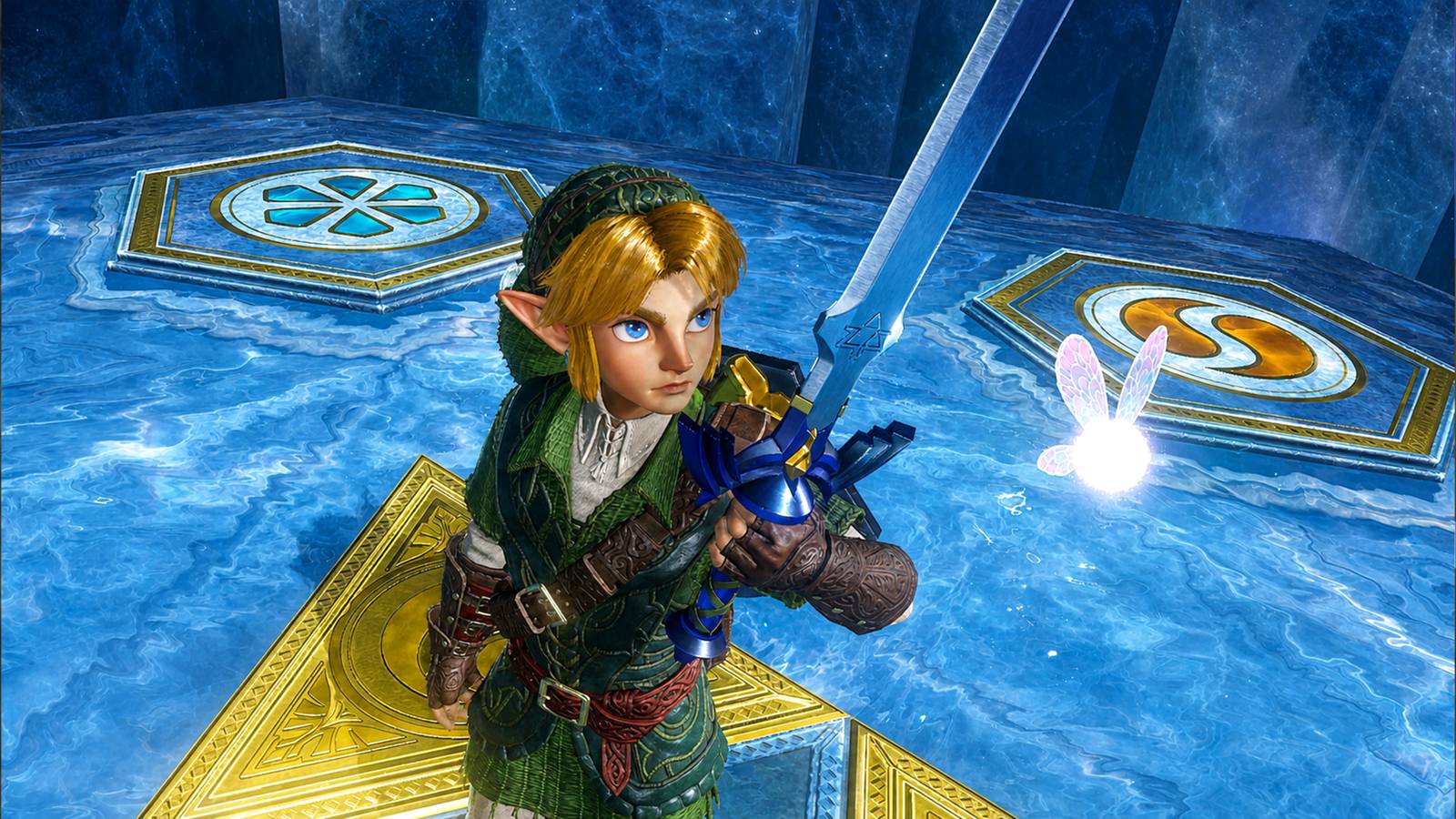







Whenever it’s time to talk about the current woes plaguing the video game industry—the layoffs, the game cancellations, the flops, the studio closures, the successes that still lead to studio closures and layoffs—Nintendo’s always the exception. Though subject to the same economic forces that require rising prices and to the same social forces that see a stagnant player base concentrated in fewer and fewer “forever games” like Fortnite and Roblox, Nintendo still seems to stand apart. In an interview with Japanese gaming magazine Famitsu (and translated via machine translation), Shigeru Miyamoto, long-time Nintendo director, explained exactly why Big Red is simply built different.
“The reason why Nintendo is particularly supported globally is that we don’t start by asking ‘what’s popular now?’” he said. “But rather we’ve consistently continued to create […] what we consider ‘fun to play.’”
It seems kinda “duh” for a video game maker to say, “we’re successful because we create stuff that’s fun to play,” but examining how Nintendo does that compared to its peers is key to understanding why the company doesn’t seem to generate the relentlessly depressing headlines Sony and Microsoft do. Nintendo’s de-emphasis on “what’s popular now” is part of that. Remember when Sony said it wanted to release 10 live-service games by 2026 and spent beaucoup bucks on developing Concord and acquiring Bungie to make that happen? And even when those endeavors categorically did not work out (with the exception of Helldivers 2), rather than recalibrating, Sony doubled down.
Nintendo doesn’t publish any live-service multiplayer games. In fact, it went in reverse, taking the one live-service multiplayer–adjacent game it had, Splatoon, and instead of stuffing it with microtransactions, turned it into a single-player experience that’s currently tearing up the Metacritic charts. Though there’s a certain mercenary appeal in spending millions on the hopes of creating the next lightning-in-a-bottle live-service game that generates billions in revenue ala Fortnite, Miyamoto explained that’s just not how Nintendo works.
“If you only think about whether something will make money quickly when you create it, you can’t create anything unique or with potential,” he said.
Of course Nintendo wants to make money, and the decisions the company’s made around increasing hardware and software prices certainly reflect that. But Miyamoto spoke to different priorities within Nintendo that have allowed it to be successful even though the company’s products seem less technically sophisticated than its peers. While Sony and Xbox build their consoles with bleeding-edge graphics in mind, Miyamoto said the Switch and now the Switch 2 have the appeal they do because, he believes, “customers are no longer solely focused on specs.”
Nintendo doesn’t chase trends or state-of-the-art technology. It’s the only console manufacturer that can say that, and it seems like that’s why it’s not currently on fire.
