



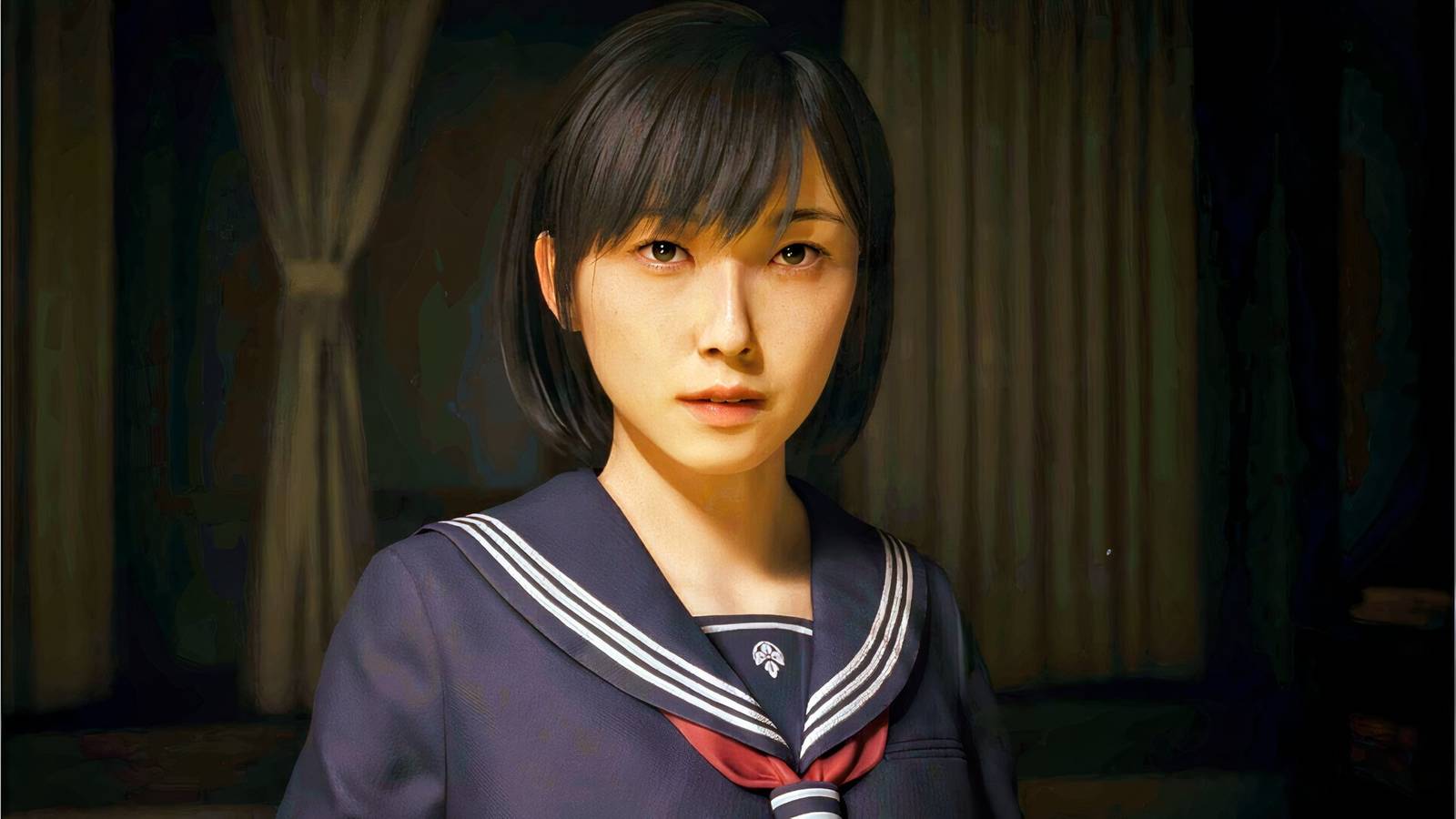
Konami has been very vocal regarding its most popular IP, Silent Hill. The company’s latest title in the franchise, Silent Hill f, was released in September 2025. Now its new offering, Silent Hill: Townfall, is set to release on September 24. This news comes with statements made by the game’s producer, Motoi Okamoto, in an interview with Video Games Chronicle that the company is planning to drop new games in the Silent Hill franchise annually.
The annual release schedule is said to prevent fatigue and explore new surroundings and settings for new titles. This means enlisting the help of new developers tasked with taking Silent Hill in new directions, making changes, for better or worse, to the franchise’s DNA. There is no better example of this annual shift and the games that come from it than Silent Hill f. The title took many ambitious risks, opting to keep some tonal and atmospheric elements, while completely changing others. With so much news coming out of the foggy world of Silent Hill, it’s time to take a look back at Silent Hill f for all its wins and missteps.
Atmosphere Is Key to Any Silent Hill Title
Silent Hill has undergone many changes since its conception in 1999. It is only right that the franchise grows and develops as new technology is integrated, and fresh talent joins the teams making the Konami games a reality. What impressively manages to stay the same, and is nailed every time regardless of changes to setting, characters, combat, and narrative, is Silent Hill‘s atmosphere. Our travels throughout the Silent Hill universe have taken us to many locations, from the franchise’s namesake town in Maine to Shepherd’s Glen, Japan, and now Scotland. Despite this locale change, people knew they were getting into a Silent Hill game right away.
Who’s That Character?


Identify the silhouettes before time runs out.
It’s thanks to that oppressive fog that blankets a town or village meant to limit visibility, blocking out light sources, key items, places, and people only inches away from you, ultimately fostering a fear of the unknown. This weather phenomenon, which was originally introduced to hide hardware limitations back in the game’s infancy, is a constant. The thick blankets of gray create an intentional dreamlike visual separating the real world from the “other” world. This is where the town physically manifests our main characters’ guilt, anxieties, and trauma from which there is no escape, no matter how far one runs.
What impressively manages to stay the same, and is nailed every time regardless of changes to setting, characters, combat, and narrative, is Silent Hill‘s atmosphere.
Take Silent Hill protagonist Hinako Shimizu’s journey, for example. A radio broadcast reveals that a poisonous geyser exploded underground, filling the fictional mountain mining town of Ebisugaoka’s air with noxious gases that hang over the town as a dense, lethal fog. This fog serves a purpose in Hinako’s story, a physical manifestation of the situation we find her in. Hinako is burdened with a heavy psychological weight of trauma and forced societal expectations, mirrored by how the fog hangs over her town.
Decay and destruction are other aesthetic tools utilized that are a large part of the chilling atmosphere of pretty much every Silent Hill title. Buildings’ exteriors and interiors are left to crumble, gardens are overgrown and aren’t maintained, mold, holes, and other gross-looking substances cover the walls and floors and rusted metal surfaces serve as a constant. The decay and destruction are meant to manifest our main character’s inner turmoil. This decay effect was largely kept in Silent Hill f for those reasons. Take James Sunderland’s romp through Silent Hill in Silent Hill 2. The rot and rust seen throughout different locations, from Brookhaven Hospital to Toluca Prison, are meant to mimic Sunderland’s deteriorating psyche and immense guilt surrounding his terminally ill wife, Mary.
These atmospheric details are implemented to accomplish two major things: Scare the player’s pants off, and uniquely mirror our main character’s mental state. Without them, a game wouldn’t read like Silent Hill, but rather something completely different. It’s like peanut butter without jelly, salt without pepper. It just can’t be.
Changes Made to Silent Hill Separate the Game from Others in the Franchise
While the atmospheric fog and decay remained the same in Silent Hill f, major changes were implemented to combat and narrative that made the game fall flat with some players. Games past relied on simplistic combat that came with an understanding that players piloted a normal civilian, not someone with special combat training. Hacking, slashing, and shooting were your main sources of defense. Combat items like nail-adorned boards, shotguns, or pipes were plucked from structures or found organically throughout specific set pieces.
It wasn’t until the release of Silent Hill 2 remake that a fully fleshed-out dodge mechanic was introduced, and even then this only allowed players to quickly sidestep or move back and forth without any flashy animations. Silent Hill f held onto this new dodge mechanic, but its melee-focused combat relies on stamina and sanity management to get through battles. Sanity management allows players to charge up powerful attacks to deal greater damage, while the dedicated stamina bar forces players to be strategic with their strikes, rather than just swinging randomly. Even more complex parrying mechanics were also added to combat in Silent Hill f, further complicating combat.
While the atmospheric fog and decay remained the same in Silent Hill f, major changes were implemented to combat and narrative that made the game fall flat with some players.
These added mechanics drew comparisons to Dark Souls or the Onimusha franchise. While the addition was ambitious and unique, it often felt clunky, overengineered, and disjointed. Enemy encounters were no longer frightening but punishing and tedious. Tight corridors and camera angles also made fighting said enemies borderline impossible. An added wolf arm tacked onto Hinako in the latter half of the game was also difficult to use and seemed out of place for the horror genre. The combat system felt less like a Silent Hill game, taking players out of the psychological horror experience they signed up for into a strategic fighting game.
Adding to player frustrations and steering away from mysterious but not head-scratching storytelling, Silent Hill f‘s narrative relies heavily on repeat playthroughs for context, making the player’s first go-around quite disjointed. There is an underlying theme of crippling societal expectations placed on women’s backs in 1960s Japan, which is clearly depicted throughout the game. That being said, Hinako’s relationship with her sister, Junko Kinuta, and the mysterious Fox Mask man, as well as Hinako’s motivations for doing what she does throughout the game, aren’t really explored. Hinako’s actions, character backstories, relationships, and the town’s curse are only recontextualized in-depth in New Game Plus. Essentially, to understand the story in its entirety, players are forced to replay all 10 to 12 hours of the game to finally come to a conclusion that makes sense.
Changes made to this beloved franchise are meant to entice and draw players in, rather than ostracize them from the title they know and love. Narrative and combat changes made Silent Hill f play more like a standalone title, rather than another addition to the world of Silent Hill. It will be interesting to see if Konami chooses to implement some of the added mechanics from Silent Hill f into Silent Hill: Townfall. From trailers and teaser imagery, fans have already gotten a sneak peek of what St. Amelia’s atmosphere might look like and, spoiler alert, there’s certainly fog. With Okamoto’s plans to ramp up production, we’re bound to see innovative additions to the franchise. Time will tell if new additions aid in the 2026 game’s playability or hinder it.

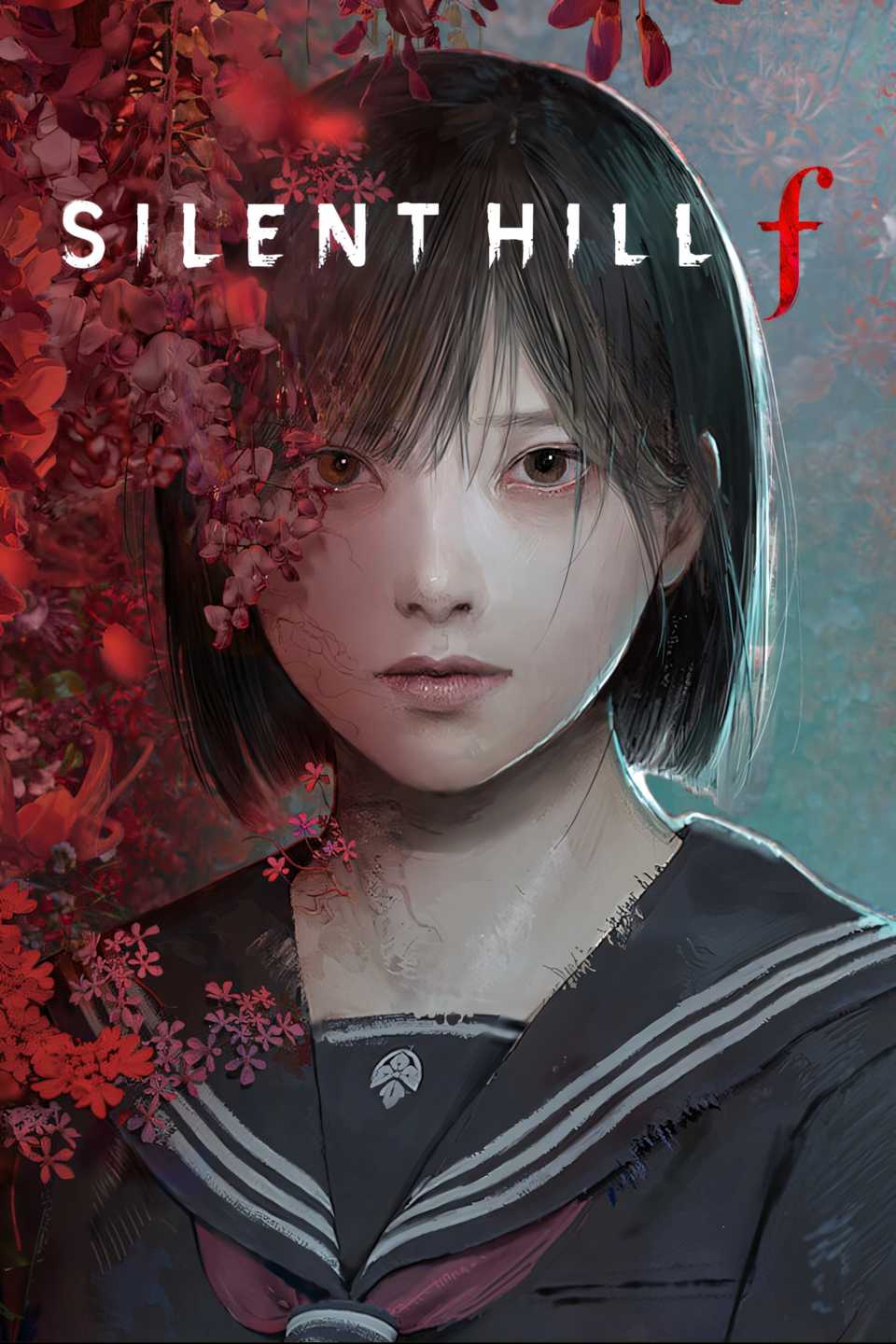
- Released
-
September 25, 2025
- ESRB
-
Mature 17+ / Blood and Gore, Intense Violence, Partial Nudity
- Developer(s)
-
Neobards Entertainment