





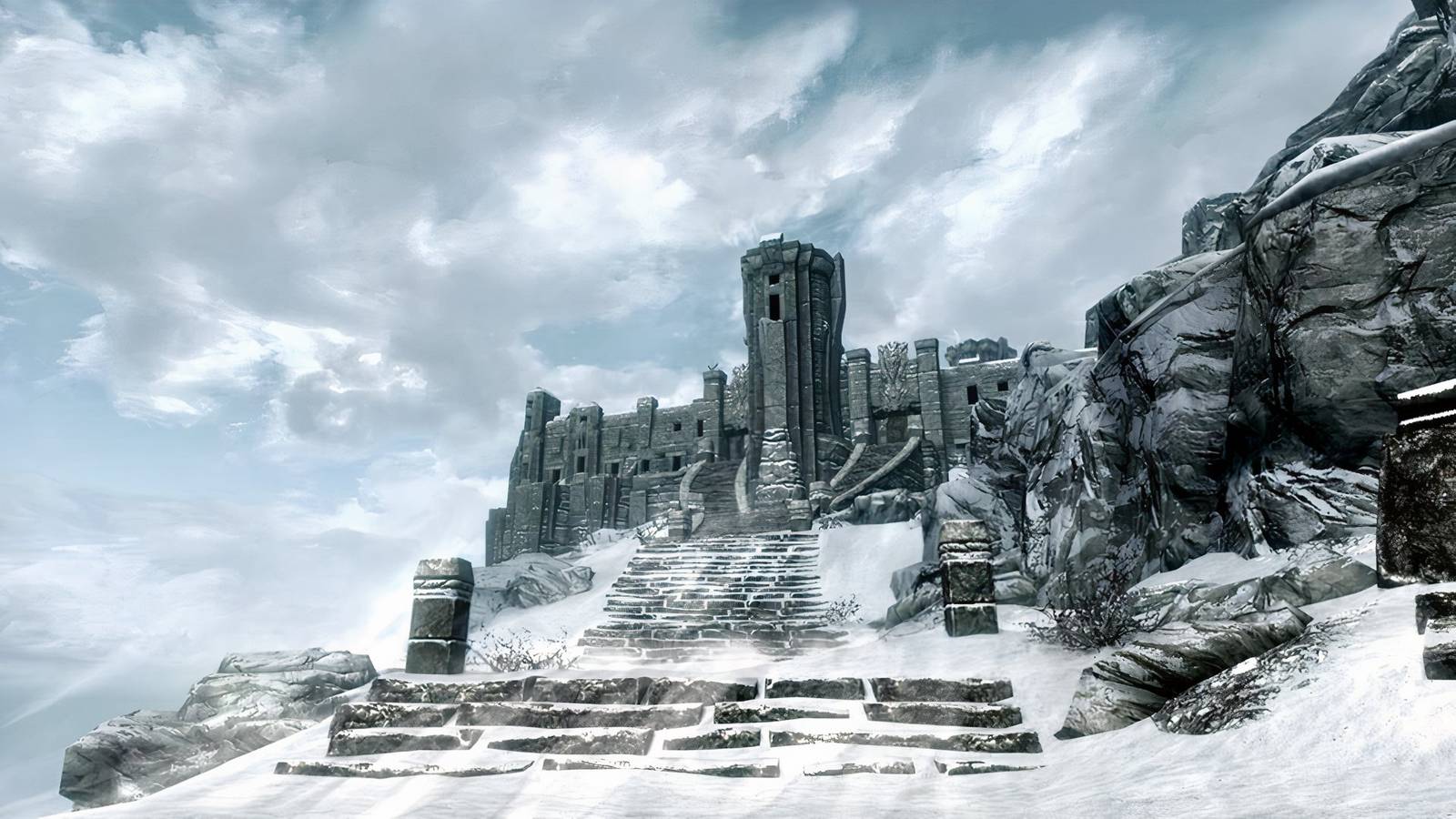
For my Elder Scrolls 5: Skyrim fans, you’ll remember the ascension to High Hrothgar, where the Greybeards sit in the monastery at the top of its 7,000 steps. This is a memorable journey for any Skyrim fan, and usually our first ruthless encounter with the infamous Frost Troll. I remember nearly punching my monitor before realizing I could just sprint past it—a classic experience for a beginner’s Skyrim playthrough.
What’s interesting is that Bethesda originally intended to make all 7,000 steps leading up to High Hrothgar, but the ambitious idea proved far more impractical than it sounds. As revealed by associate art director Dan Lee in the studio’s anniversary retrospective, his proposed route would have extended well beyond Ivarstead, and wound around the mountain towards Whiterun. The finished game actually features roughly 700 visible steps, and while it sounds like a minor cut, it brings to light one of Bethesda’s greatest world building tricks: making Skyrim feel larger than it actually is.
Skyrim Makes Its World Feel Bigger Than It Really Is
-
-
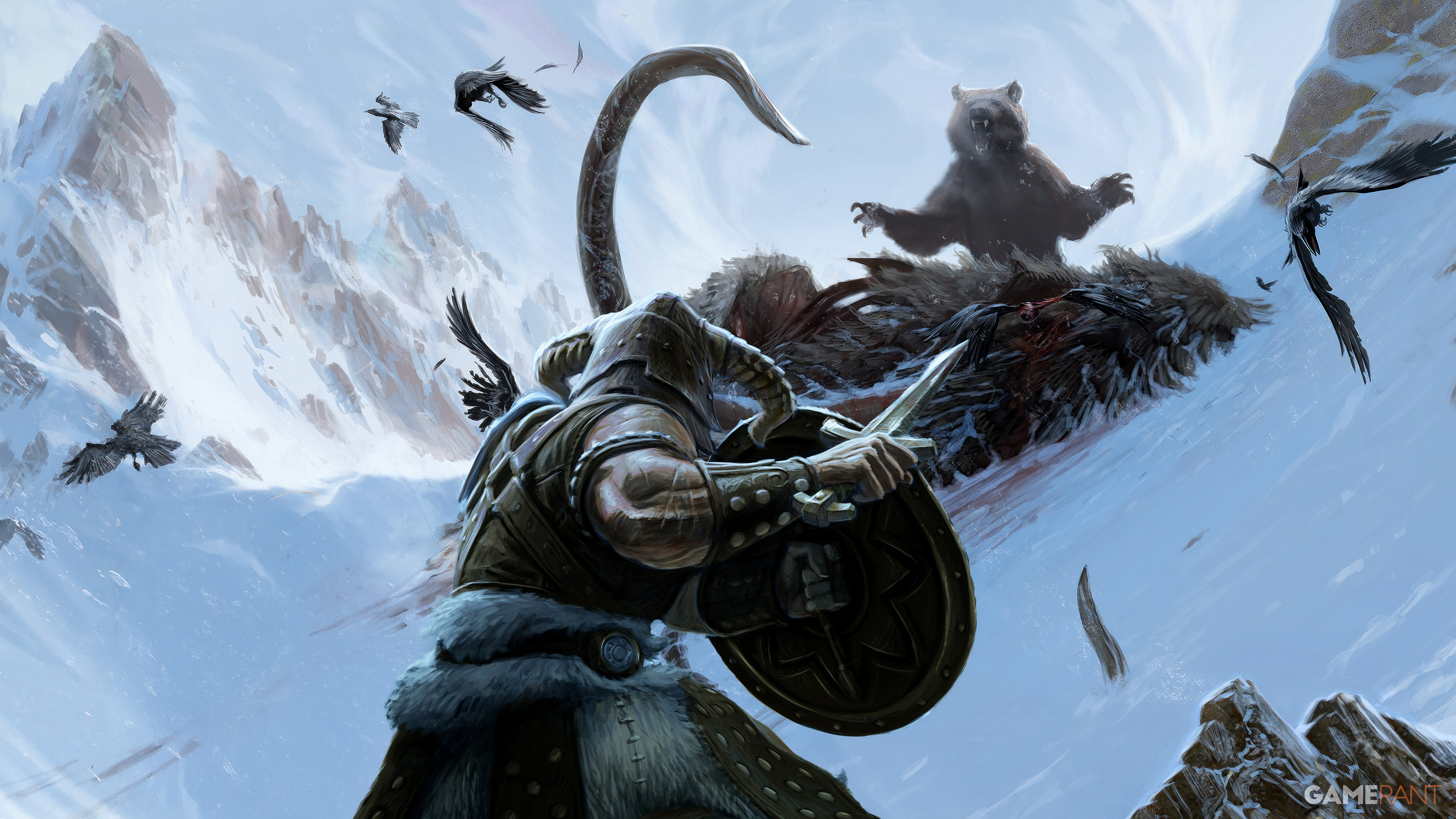
skyrim custom image with bear Game Rant | Source images via Bethesda -
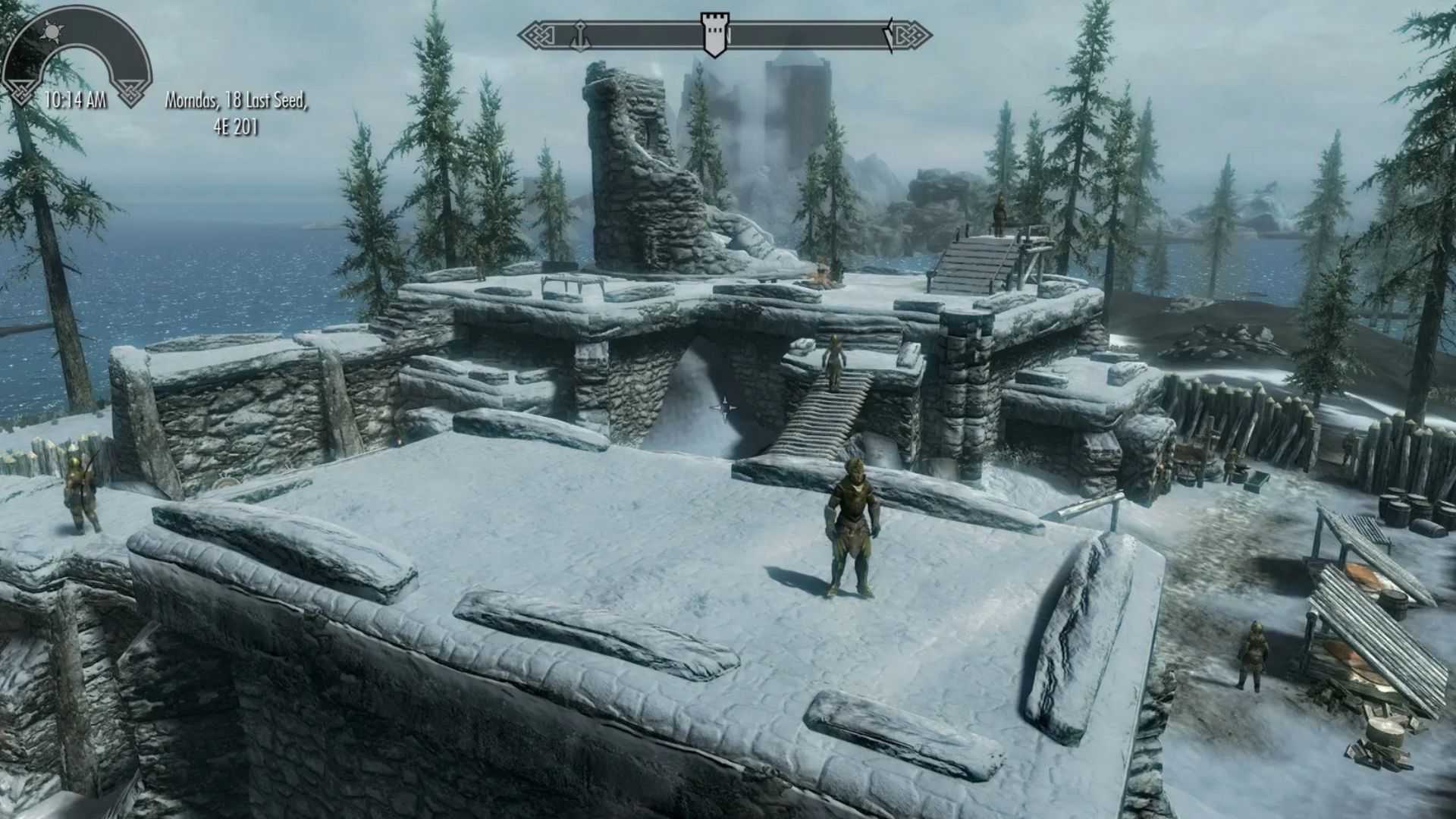


Despite its geographical cuts and relatively compact settlements, Skyrim has a remarkable way of making its province feel enormous. I think it’s the mountains, winding roads, distant landmarks, and all of its carefully placed locations that create an impression of a scale that goes far beyond the game’s actual dimensions. Even after many playthroughs, I still feel like there are areas of Skyrim I haven’t fully discovered, not to mention the return of Morrowind‘s Solstheim in the third and final major expansion, Dragonborn. In my opinion, this is something Bethesda should remember when developing The Elder Scrolls 6, especially since we’re pretty certain now that Hammerfell will be the setting of Sentinel‘s great open-world playground. A bigger map sounds appealing, but making a world feel authentically and genuinely expansive is a different challenge for Bethesda here.


Guess the games from the emojis.
The 7,000 steps are perhaps one of the clearest examples of how Bethesda achieved this illusion. Although the finished game contains fewer visible steps than the 7,000 Dan Lee originally envisioned, the climb still feels like a significant undertaking. The journey is punctuated by small discoveries, ancient shrines, hostile wildlife, and of course, the seething Frost Troll. It’s these intricate details that make the climb feel like its own little adventure, especially as it comes earlier on in the game. It cements Skyrim as a game that isn’t simply just routes between each location, and it’s clear that Bethesda didn’t need to build all 7,000 steps to convince players of a boundless journey: that’s more impressive than literal geographical accuracy.
A bigger map sounds appealing, but making a world feel authentically and genuinely expansive is a different challenge for Bethesda here.
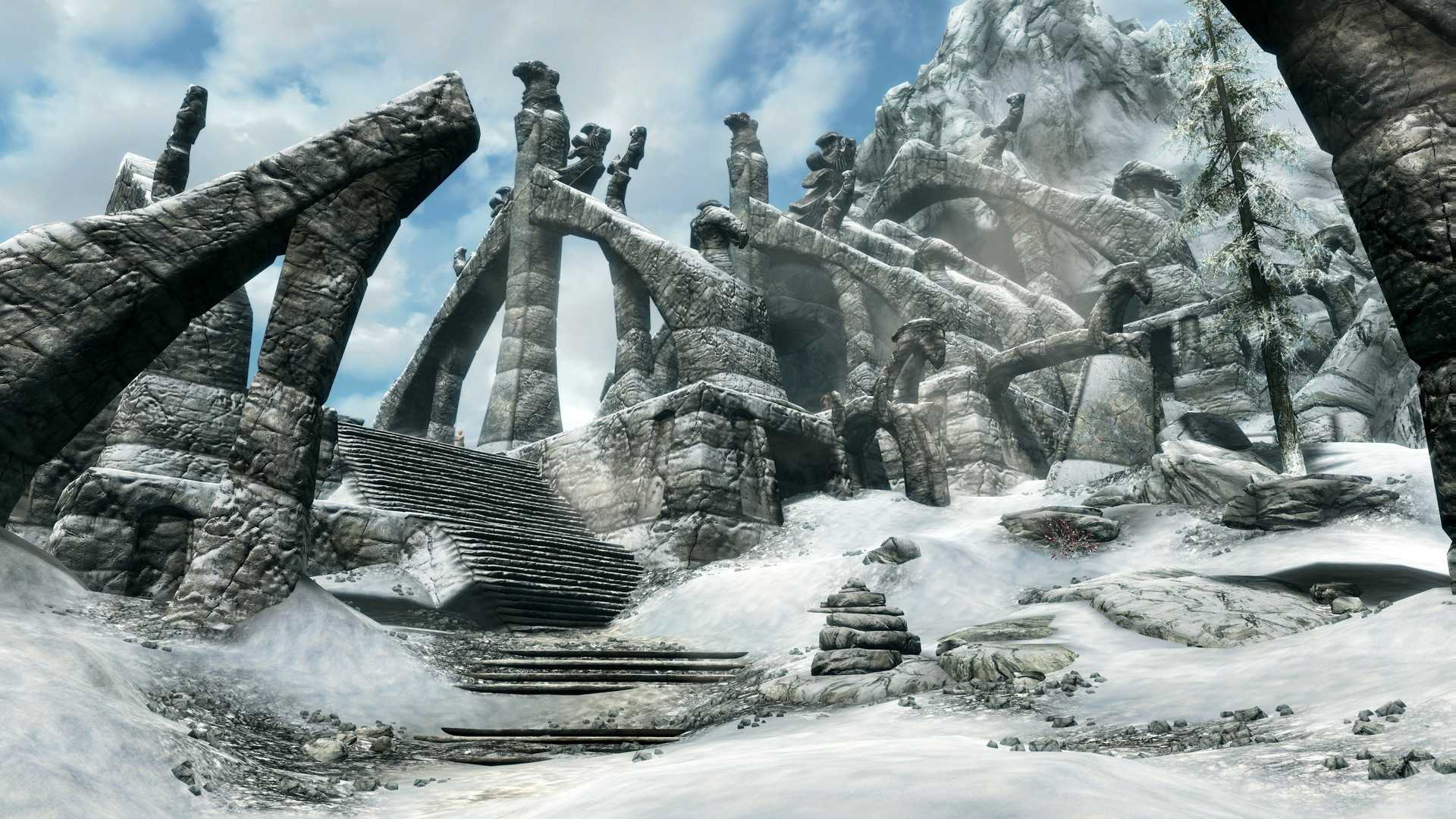
Skyrim‘s sense of scale also comes from how Bethesda uses its environment to tell stories. Even when you stray from the quest marker, the abandoned forts and Nordic ruins with all their small settlements give players a reason to veer off the main road. These locations hint at local conflicts and forgotten histories, or even the people who once called them home. Seemingly insignificant discoveries can make the world feel timeless and animated, existing long before the Dragonborn arrive.


The game’s ambience and character feel most effective when traveling between major settlements. The wilderness doesn’t just seem like empty space, because Bethesda filled it with caves, environmental encounters, hidden treasures, and unexpected characters (though I seem to run into M’aiq the Liar almost anywhere on the map). Players might set out for a specific destination but find themselves distracted by an interesting landmark or unexplored path. This freedom is a major reason why I think that Skyrim remains so rewarding to revisit, because its world feels like there is always something else waiting to be discovered.
-
Stros M’Kai hammerfell -

-
skaven hammerfell


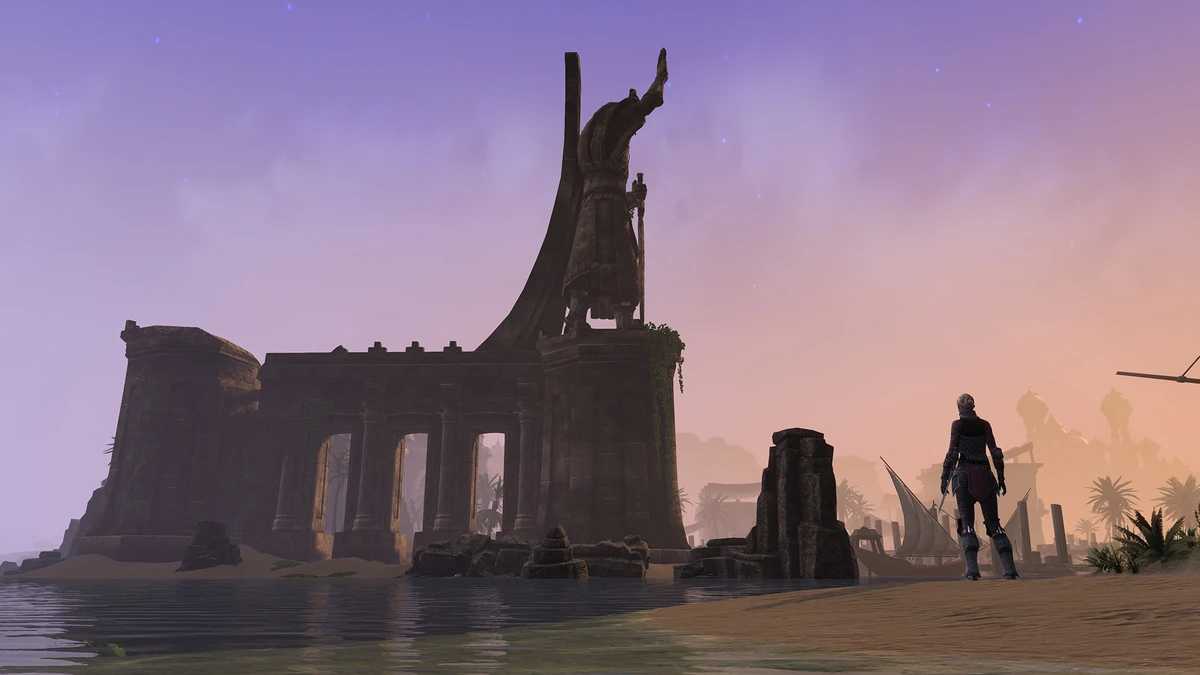
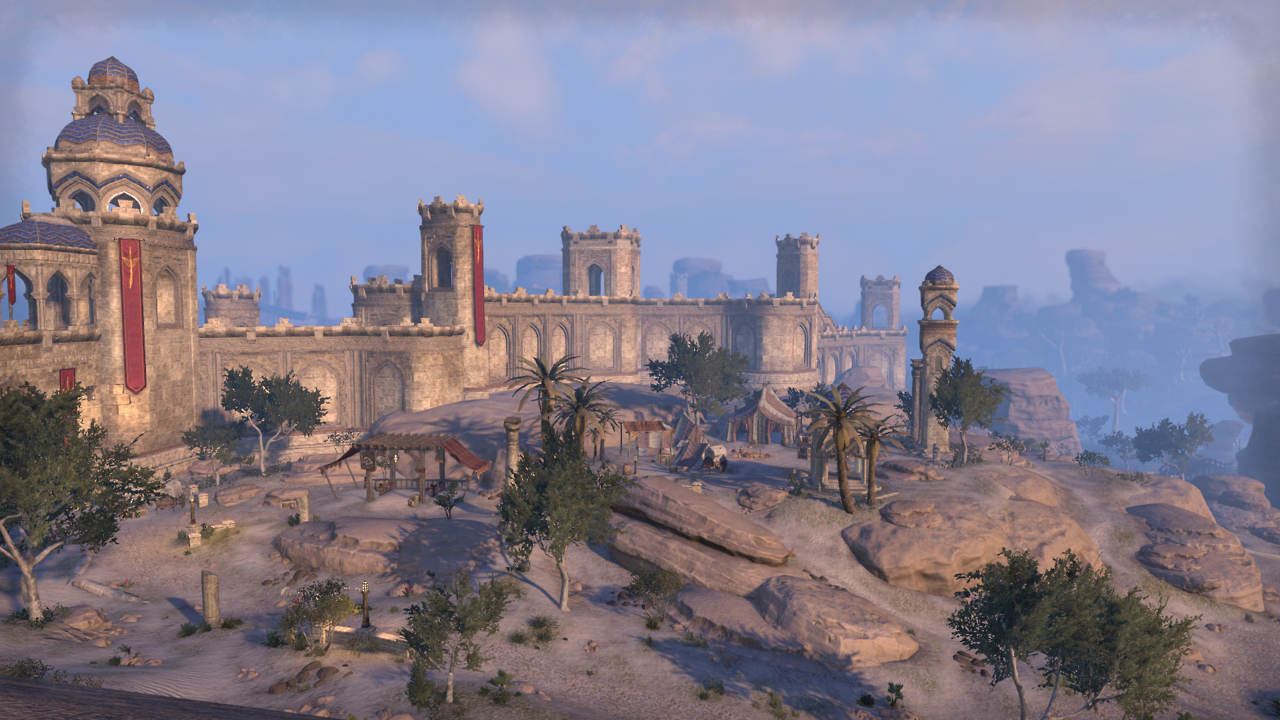
With The Elder Scrolls 6 potentially taking players to Hammerfell, Bethesda has another opportunity now to show us a world that feels genuinely enormous without relying on physical dimensions. Sentinel could offer us many stretching deserts, ancient ruins, coastal settlements, and mountainous regions—but making these locations larger isn’t the solution to making them more memorable. Bethesda should do what it does best and prioritize meaningful exploration and environmental storytelling rather than just building a huge map with empty wilderness.
There is clearly plenty of room now for Bethesda to experiment with Hammerfell. Its coastal geography could make traveling by sea more significant, while its deserts will be a new type of exploration compared to Skyrim’s snowy mountains and forests. The studio shouldn’t lose sign of what made The Elder Scrolls‘ previous worlds so compelling and intriguing for us players. The 7,000 steps are a perfect example of how a relatively small stretch of playable terrain leaves a lasting impression: sometimes, making players believe they’re exploring an enormous world is more fulfilling than actually attempting to build one.




- Developer(s)
-
Bethesda Game Studios
- Publisher(s)
-
Bethesda Softworks