



It’s obvious that the wait for The Elder Scrolls 6 will go down in history as one of gaming’s greatest pop culture subjects. Despite The Elder Scrolls 5: Skyrim being considered one of the greatest RPGs of all time—especially at the time of its release in 2011—Bethesda has allowed fifteen years to pass without a sequel, with no release window in sight. For perspective, the wait between Oblivion and Skyrim was just five years.
This has led to a great deal of disillusionment within the Elder Scrolls community, which is quite vast considering Skyrim‘s aforementioned prestige. Thankfully, there have been a number of effective and well-crafted Elder Scrolls successors that have risen up in The Elder Scrolls 6‘s stead. They just aren’t made by Bethesda: projects like Tainted Grail: Fall of Avalon and Avowed prove there are still developers learning from and adapting the ideas popularized by Morrowind, Oblivion, and Skyrim. One could even draw parallels between The Elder Scrolls and the likes of Cyberpunk 2077 and Kingdom Come: Deliverance. But if you have a Nintendo Switch 2 and are looking for something fresh and inventive to tide you over until The Elder Scrolls 6 rears its head, then I’ve got the perfect recommendation.

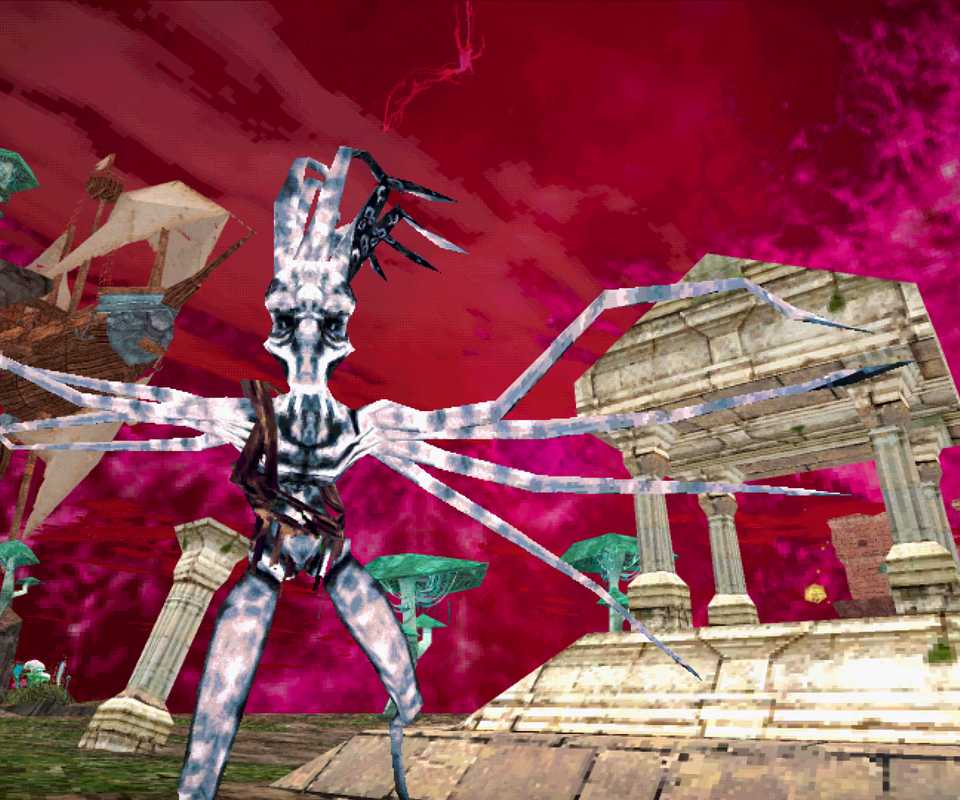
Naturally, comparisons have been drawn between Dread Delusion, the trippy 2024 breakout from indie outfit Lovely Hellpace, and The Elder Scrolls 3: Morrowind. Morrowind is regularly cited as the best Elder Scrolls game out there, so this is certainly a favorable comparison for Dread Delusion. And looking at the recent throwback game, it’s easy to see how someone might draw the connection.
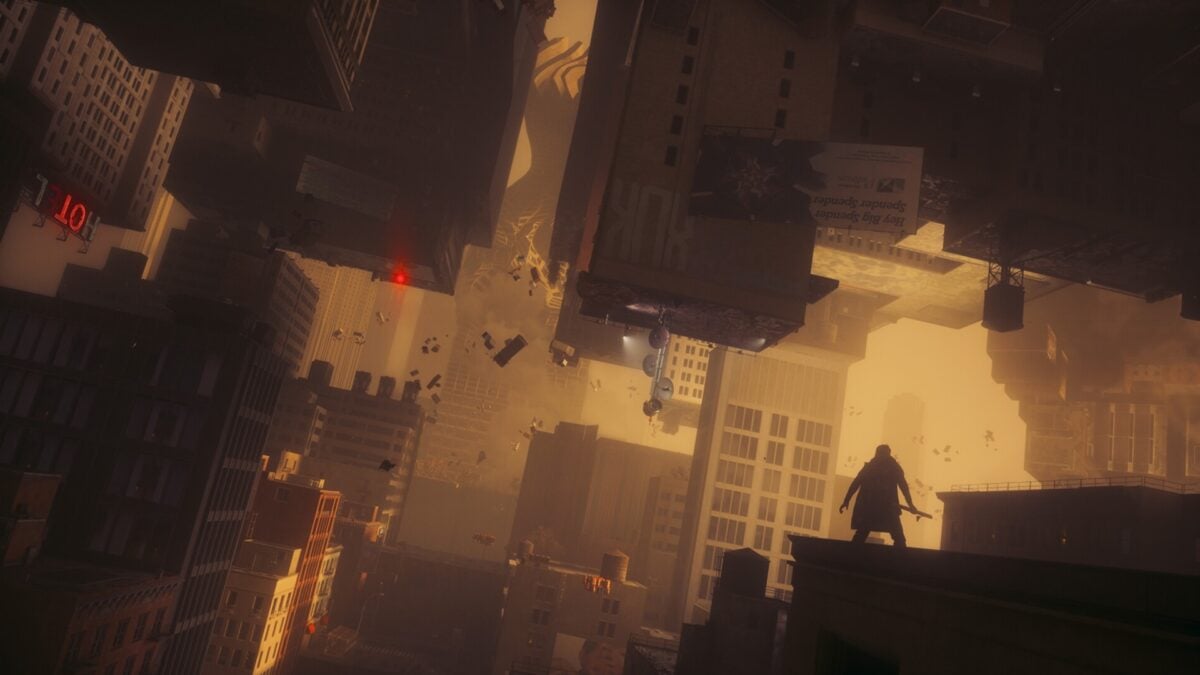
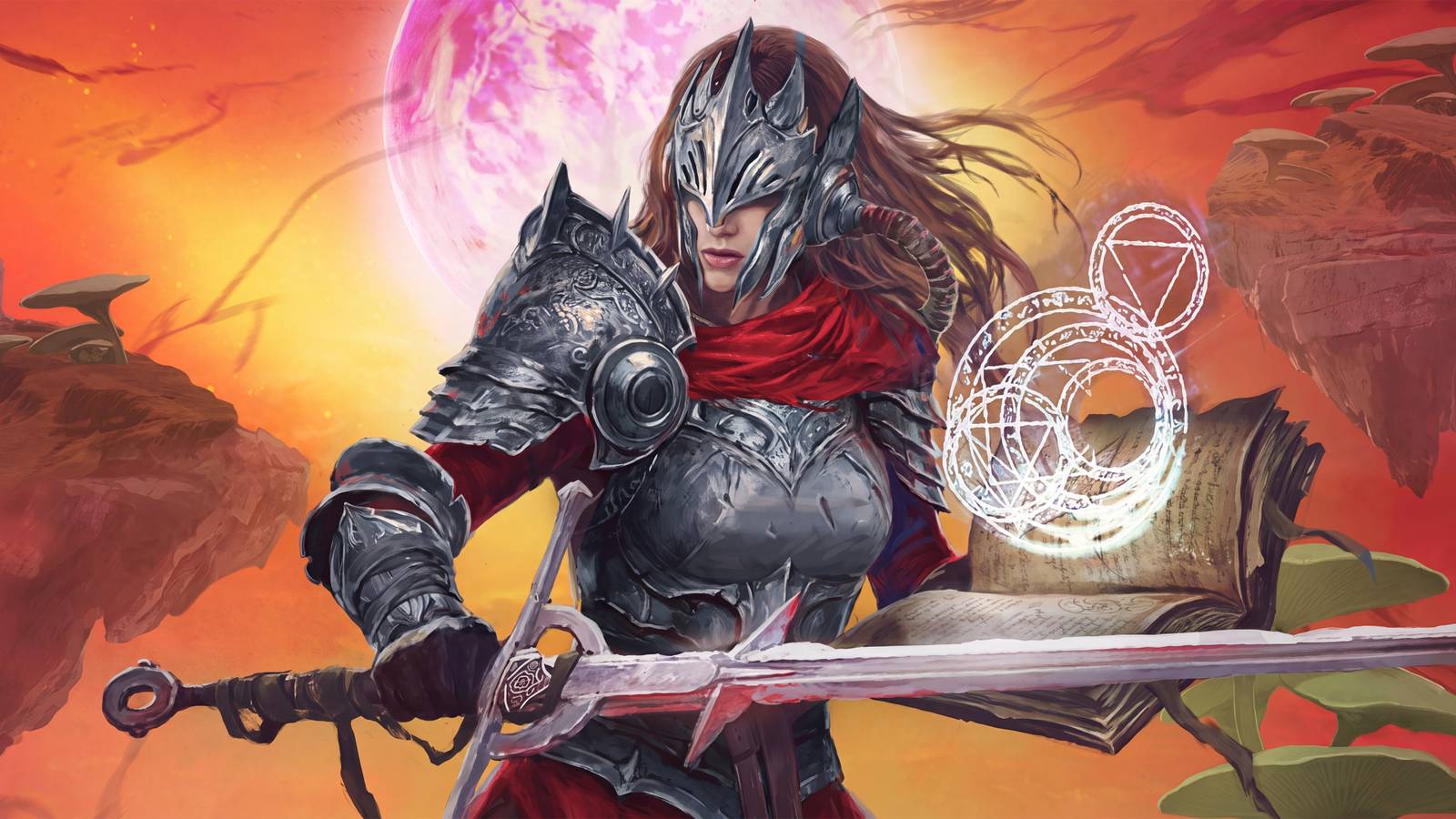
Dread Delusion is a first-person 3D dark fantasy RPG with an open-world map. This, coupled with its intentionally outdated graphics, puts it in conversation with Morrowind, whose record-breaking map size, side quests, and intangible sense of mystery all helped it achieve and maintain its legendary status. Dread Delusion manages to adapt many of these broad-strokes strengths, but make no mistake: it’s its own, unique experience.
Dread Delusion Key Features
- OPEN-WORLD EXPLORATION – Explore flying continents packed with strange towns, creatures, secrets, and treasure.
- PLAYER CHOICE – Decisions can reshape quests, relationships, factions, and the world itself.
- FLEXIBLE CHARACTER BUILDS – Overcome challenges through combat, charm, lockpicking, knowledge, or other approaches.
- MAGIC AND POTIONS – Wield powerful spells and concoctions capable of bending reality.
- SMITHING AND ALCHEMY – Craft and upgrade equipment using gathered materials and specialized skills.
- FACTION SYSTEM – Join or oppose competing factions pursuing their own conflicting goals.
- QUEST-DRIVEN NARRATIVE – Follow an interactive story or simply wander wherever curiosity takes you.
- NON-COMBAT SOLUTIONS – Many encounters can be resolved without ever drawing your weapon.
Dread Delusion kicks off with what can only be described as an Elder Scrolls tribute. The nameless, faceless player character awakens while imprisoned, just like in Oblivion and Skyrim, and takes a few moments to remember their past, which informs their abilities and play style. For example, choosing the Urchin backstory will grant the player-character higher starting stamina, agility, and lockpicking stats. Other variables, like former profession and the reason the protagonist has been imprisoned, can also be customized for various stat buffs.
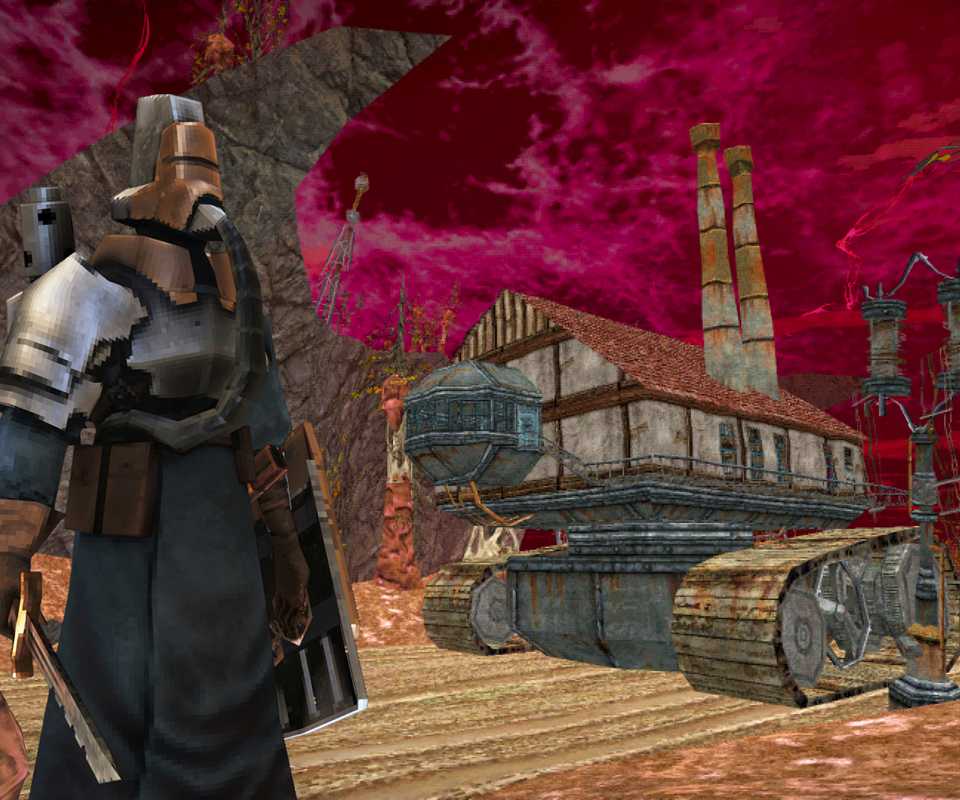
From there, you’re able to explore the Skyrealms, Dread Delusion‘s magical post-apocalyptic setting. The Skyrealms are a collection of floating archipelagos that civilization has fled to after a disastrous war with Dread Delusion‘s original, oft malicious, pantheon of gods. Essentially, the Skyrealms serve as the seat of the anti-god faction—it doesn’t get much more hardcore than that. Unfortunately, said anti-god faction is a bit tyrannical, and the Skyrealms are no peaceful haven. Thus begins the tension and fear that defines Dread Delusion‘s RPG experience.
Dread Delusion’s Strange World Is Its Greatest Strength
The world of Dread Delusion is impressively well-crafted and original, channeling seminal works from Lovecraft as much as Morrowind itself. There’s a conspicuous edge to Dread Delusion‘s world, whereas the darker, more unsettling aspects of The Elder Scrolls‘ lore are usually hidden beneath its high-fantasy veneer. This makes it unique, to be sure, but also a bit more affecting and thought-provoking at many points.
And, most importantly, it facilitates exploration and quest structure, which are the highlights of Dread Delusion as a whole. Combat, for instance, isn’t exactly revolutionary (it borrows quite a bit from The Elder Scrolls in that respect), and RPG staples like progression, while serviceable, are easily outdone by the average JRPG. However, immersing yourself in Dread Delusion‘s atmosphere, studying its complex and multifaceted world, and completing side quests upon its distinct flying islands, more than make up for its other, relatively pedestrian elements.
Whether or not something like Dread Delusion lives up to its Elder Scrolls inspirations in the eyes of players, it’s evidence of something a bit more interesting, in my opinion: the building blocks of The Elder Scrolls are being repurposed. Yes, The Elder Scrolls is held together by its world-building, but I’d actually argue that the series’ throughline is more closely connected to convention and formula. That is to say, Skyrim and Oblivion are more meaningfully connected by their environment design, philosophy of player freedom, and quest structure than by the Deadra, Tamriel, or other signifiers of its expansive world.
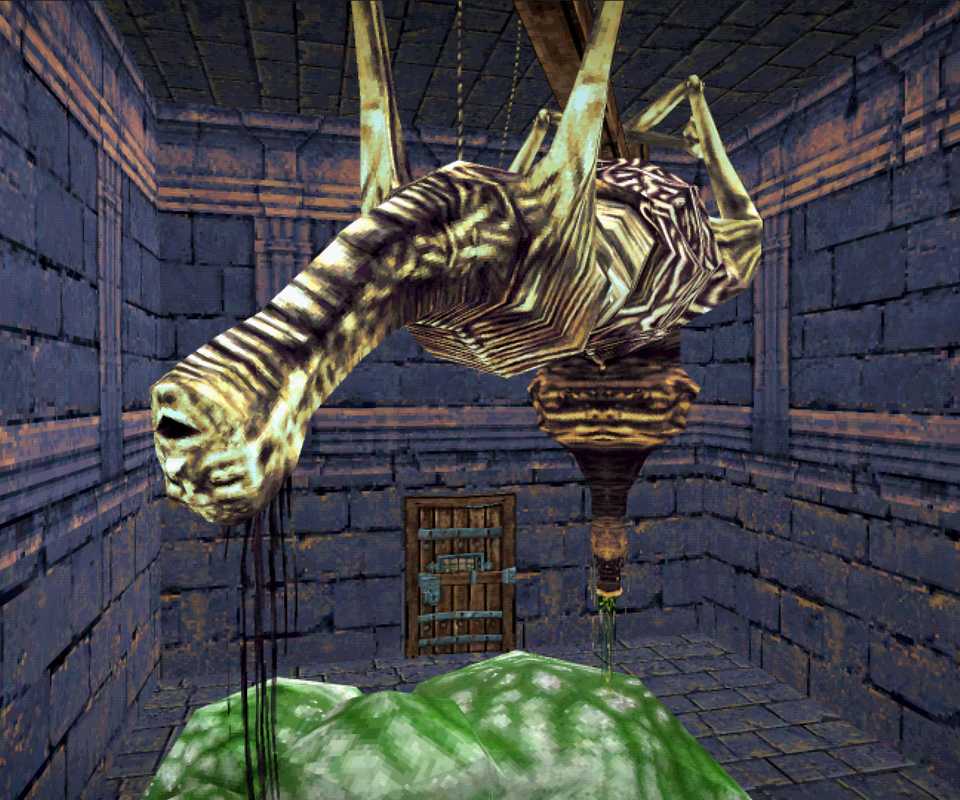
The mechanical, structural, tonal, and philosophical traits of The Elder Scrolls are much easier to adapt and recontextualize than the specific elements of its world, which are the biggest boons The Elder Scrolls 6 has. In other words, the sense of freedom and adventure that The Elder Scrolls 6 will offer could very well be great, but we don’t necessarily need to wait for Bethesda to experience them: the likes of Dread Delusion offer this same sense of freedom and adventure in spades.
Additionally, and perhaps more significantly, smaller projects like Dread Delusion, despite taking cues from The Elder Scrolls, also serve to raise the stakes for Bethesda. It’s been a whopping decade-and-a-half since Skyrim released, and it’s not as if there haven’t been games that have picked up the gauntlet in the interim. Such projects have actually pushed Bethesda’s once-groundbreaking formula forward in interesting ways, and in turn, make Skyrim look more and more dated with each passing year. Something like Dread Delusion might never be as mainstream as The Elder Scrolls 6, but it nevertheless evolves certain elements of the Bethesda RPG formula in a valuable way, which TE6 should probably learn from.




- Released
-
2026
- ESRB
-
m
- Developer(s)
-
Bethesda Game Studios
- Publisher(s)
-
Bethesda Softworks