





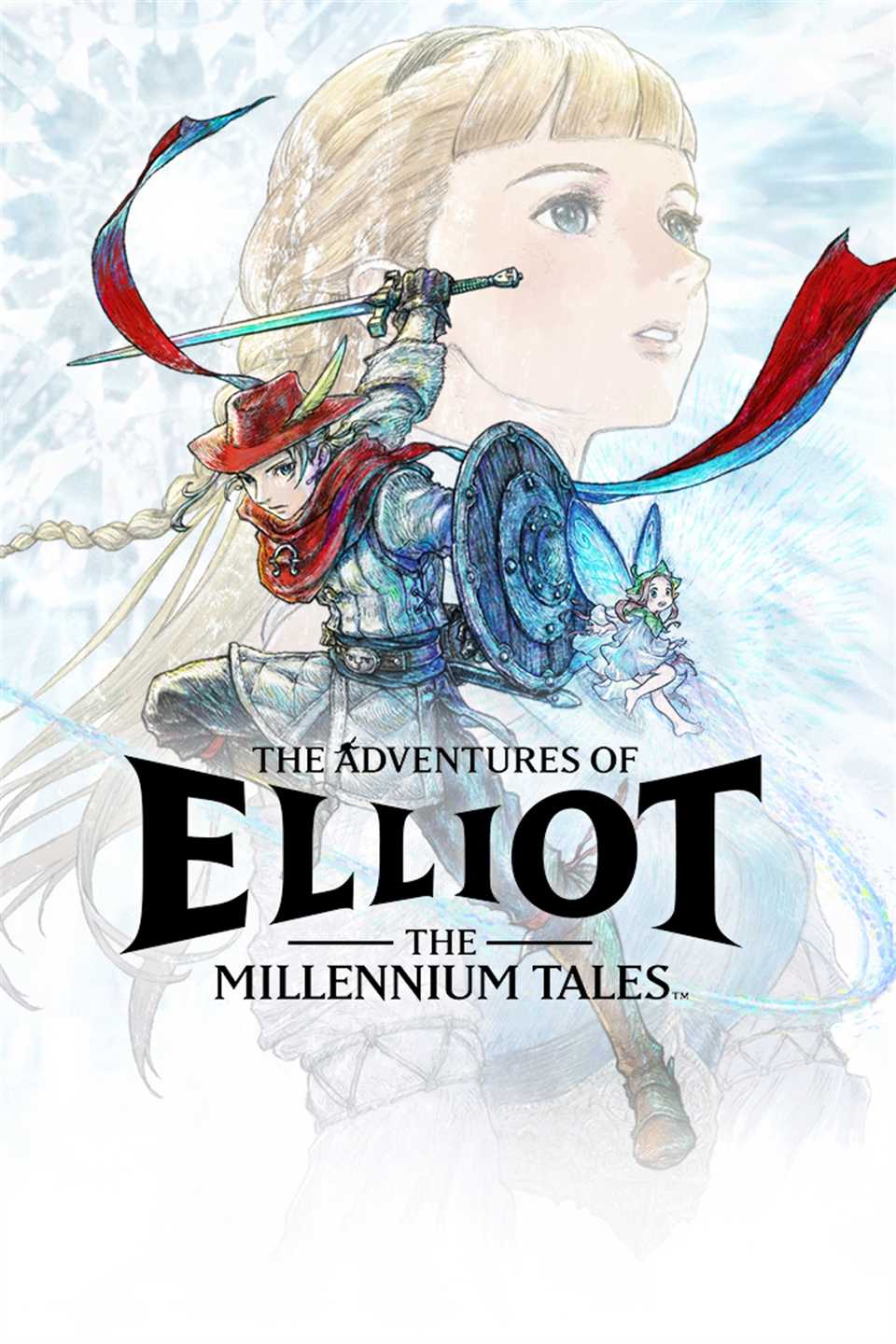
Since its big reveal during July 2025’s Nintendo Direct, The Adventures of Elliot: The Millennium Tales has been relentlessly compared to The Legend of Zelda. Of course, there are far worse things to be compared to, and seeing Square Enix and Team Asano’s iconic HD-2D presentation move on from the turn-based RPG format it has been associated with since the release of Octopath Traveler in 2018 is a much-needed breath of fresh air. It also helps that The Adventures of Elliot producer Naofumi Matsushita has already been pretty open about the team’s anticipation of those comparisons, even saying that they were “truly honored by those parallels” in a May 2026 interview with RPGFan.
However, as painful as it is to admit, The Legend of Zelda hasn’t always been perfect throughout its 40-year lifespan. Sure, it’s considered one of the most beloved video game franchises of all time, and Nintendo clearly owes a lot of its own success to it. But for every ten great things one can find in The Legend of Zelda, there are almost always one or two not-so-great things, and now The Adventures of Elliot: The Millennium Tales has already found a way to sidestep one of the franchise’s most frustrating habits before it could define the adventure for the wrong reasons.
Zelda: The Twilight Princess Remake Exists & It’s a Masterpiece
Ocarina of Time Remake has brought renewed interest to the idea of a Twilight Princess remake, but a Twilight Princess remake already exists.
The Legend of Zelda Has Had a Companion Problem
The Legend of Zelda‘s relationship with companion characters has been rather uneasy for decades. While not every entry in the series has given Link a companion, when one does, that character is intended to help out with tasks like solving puzzles and helping players remember—or figure out for the first time—what to do next. In Zelda games where missing one crucial detail can turn valuable gameplay time into aimless wandering, they really can be a good thing.
Who’s That Character?


Identify the silhouettes before time runs out.
Identify the silhouettes before time runs out.
Easy (7.5s)Medium (5.0s)Hard (2.5s)Permadeath (2.5s)
Ocarina of Time’s Navi Is the Most Problematic
The problem, though, is when those characters start feeling more like a tutorial system with a face than an actual companion. Ocarina of Time‘s Navi is easily one of the most recognizable examples, largely because “Hey! Listen!” quickly became the poster child for how not to design video game companions. Navi’s purpose made sense in 1998—and it was far more understandable then, because many players simply didn’t know any better—but she was still remembered for her overbearing, interruptive guidance in the long run.
Skyward Sword’s Fi Was Somehow Worse Than Navi
Skyward Sword‘s Fi pushed that issue even further with a new take on what it meant to be a companion in the Zelda universe. Navi might have become infamous for interrupting players at every turn, but Fi was more like a glorified babysitter who told players how to solve puzzles, where to go and how to get there, how items worked, and then just about any other basic reminder imaginable. When a Zelda companion essentially tells players what to do before they’ve even been given enough room to think through a problem, the satisfaction that would normally come with discovering things naturally drops considerably.
Fortunately, Skyward Sword HD took player feedback seriously and made Fi’s help less obtrusive. Nintendo’s listed quality-of-life changes for the game included “Optional help from Fi,” with Fi only appearing in cutscenes or when necessary, while otherwise being manually summonable for advice or guidance. The remaster also added faster dialogue, skippable cutscenes, streamlined item explanations, and less intrusive tutorial dialogue, all of which softened the original game’s hand-holding problem.
Twilight Princess’ Midna Was a Zelda Companion Done Right
Midna from Twilight Princess could be thrown in there as well, though her role ultimately complicates Zelda‘s pattern of featuring overly helpful companions. She still guides Link through the world and story, and she still fits the companion role, but her primary purpose is character-driven. She has her own character arc, a distinct personality, and a genuine place in the narrative, so rather than being an automatic hint machine, she’s more like someone who is actually taking the journey with Link.
That’s a difference worth pointing out, though, because it shows what it is that effectively turns a Zelda companion—and any video game companion, for that matter—into a problem. For the most part, players are willing to accept guidance from a character when it feels like that character has a significant place in the narrative rather than merely being a helper. It’s when that companion starts interrupting the adventure too often, explains things the player already understands, or spoils the reward of discovery that it gets frustratingly annoying.
Other Zelda companions include Tatl from Majora’s Mask, The King of Red Lions from The Wind Waker, Ezlo from The Minish Cap, Ciela from Phantom Hourglass, Linebeck from Phantom Hourglass, and Tri from Echoes of Wisdom.
And this is the problem that any Zelda-like game like The Adventures of Elliot risks inheriting when it gives the hero a talkative guide. A companion can add a lot to the adventure and even be used as an instrument of growth for the main character, but they can also quickly become the most intrusive part of the game if their guidance is too prominent. Zelda‘s best companions show how much a sidekick can add to the overall experience, while its most infamous ones show how easily help can become unsolicited hand-holding.
The Adventures of Elliot Solved Zelda’s Companion Problem Before It Became One
When its demo was released and players began getting their hands on The Adventures of Elliot: The Millennium Tales for the first time, the Zelda comparisons increased tenfold as they noticed that Elliot’s fairy companion Faie was almost just as talkative as someone like Navi or Fi. Naturally, it wasn’t long before that became a bit of a problem and Square Enix and Team Asano received waves of negative feedback regarding the frequency of the companion’s dialogue. For a game that was already standing in Zelda‘s shadow, a fairy companion who talks too much was all but destined to invite one of the least flattering comparisons possible.


Guess the games from the emojis.
Guess the games from the emojis.
Easy (120s)Medium (90s)Hard (60s)
However, The Adventures of Elliot has already done what classic Zelda eventually had to learn to do later. After players said Faie talked too much, Team Asano added an option in the game’s Settings menu to reduce the frequency of her dialogue from “Talkative” to “Reticent,” thereby offering more direct control over how often she speaks. Funnily enough, The Adventures of Elliot isn’t the first Square Enix game to implement a muzzle for a talkative companion, as Forspoken‘s Cuff found itself in a similar situation in 2023.


It’s likely some players who have already spent time with the game aren’t yet aware of the fix Team Asano implemented, because some reviews for The Adventures of Elliot: The Millennium Tales have still described Faie as being too chatty. Fortunately, though, there is a solution, should anyone find Elliot’s fairy companion to be a bit too much. At the very least, if The Adventures of Elliot is going to keep inviting Zelda comparisons, then solving one of Zelda‘s most frustrating companion problems before it actually became one of its own is a great place to start.

- Released
-
June 18, 2026
- ESRB
-
Teen / Fantasy Violence, Mild Language, Use of Alcohol