







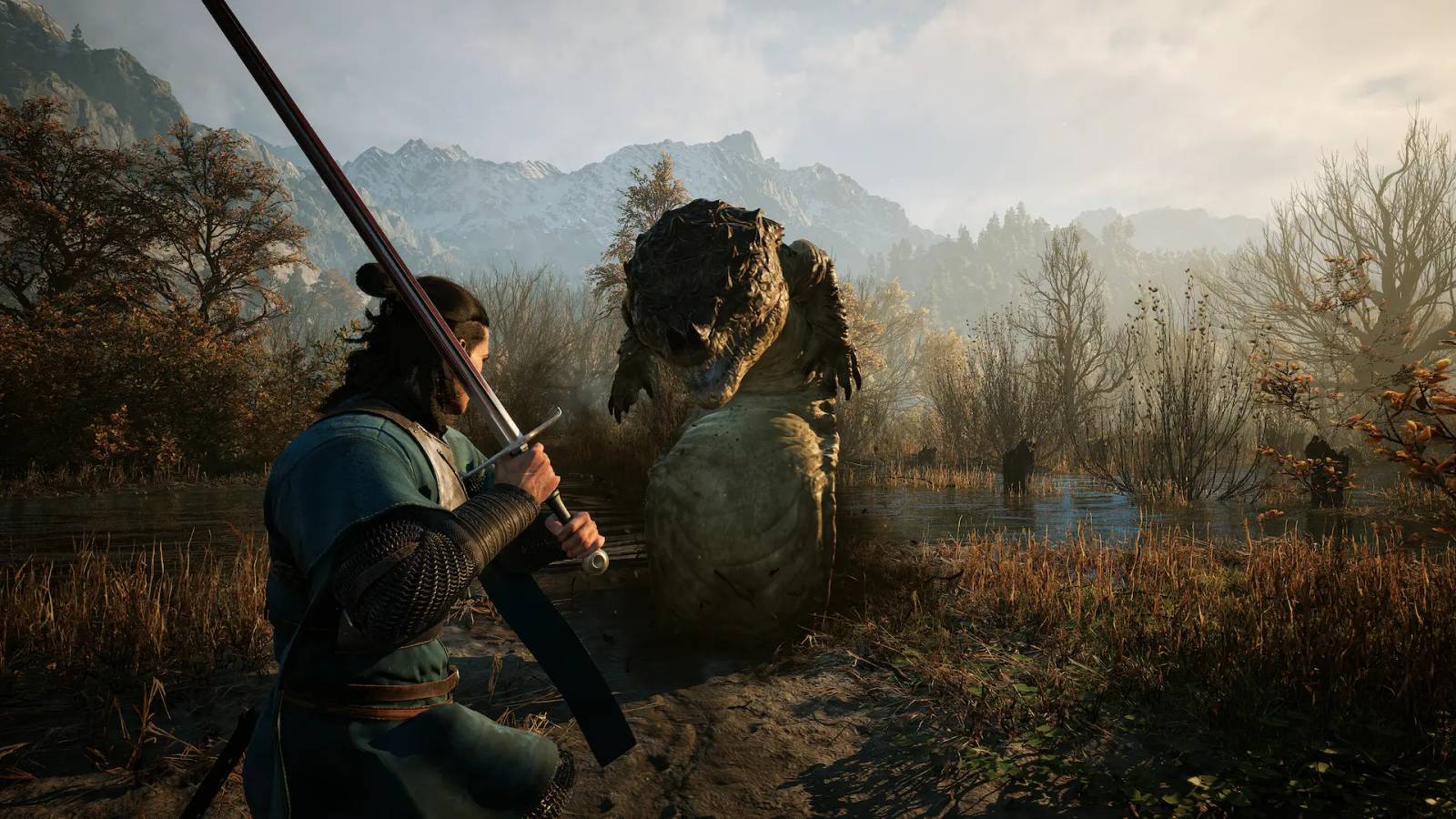
The Blood of Dawnwalker has finally released, and it’s gone over relatively well. At launch, The Blood of Dawnwalker garnered strong reviews and has even amassed a dedicated following, although it’s not universally beloved. Several outlets were less than enthused about the game’s overall design—you can check out GameRant’s own Blood of Dawnwalker review for evidence of that—and many gamers who were expecting a worthy successor to The Witcher 3 have found themselves disappointed with Rebel Wolves’ debut.
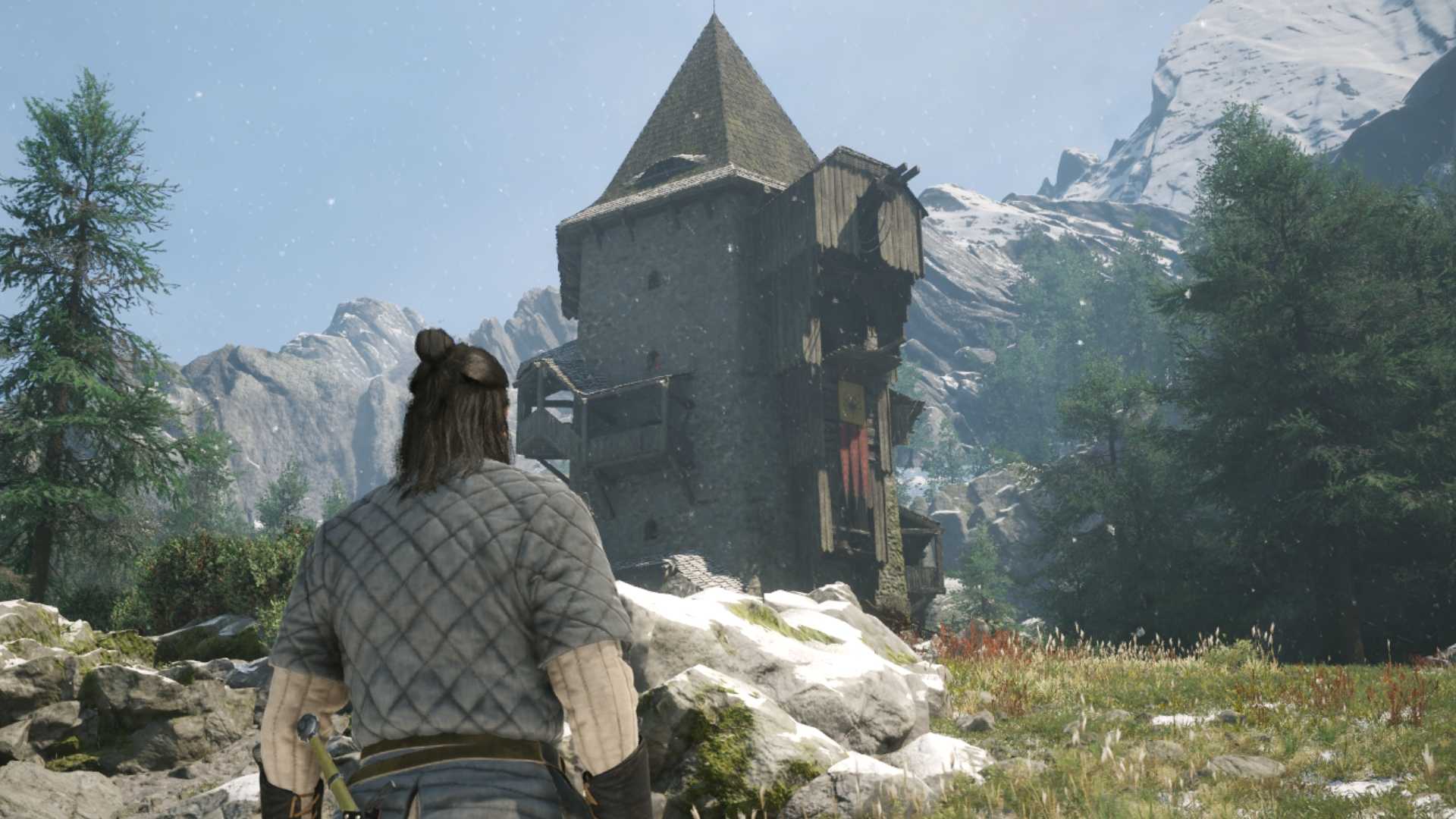
A lot of this disappointment, though not all of it, stems from The Blood of Dawnwalker‘s time limit mechanic. The premise of the game, in a nutshell, is that protagonist Coen is a Dawnwalker: human by day, vampire by night. Instead of adopting a basic day-night cycle like a standard open-world RPG, Dawnwalker takes a page out of the Persona playbook, segmenting the story into discrete chunks that are consumed whenever the player takes certain actions. This allows Dawnwalker to, in theory, balance its human and vampire gameplay, but some players feel that it’s either poorly executed or was doomed to fail from the start. Whether or not you agree with such sentiments, it seems like Rebel Wolves isn’t too committed to the time-limit system.
The Blood of Dawnwalker’s Time Limit System Isn’t Guaranteed to Stick Around, Says Rebel Wolves
-
-

-


In a conversation with Eurogamer, Blood of Dawnwalker director Konrad Tomaszkiewicz had the following to say about the game’s time travel mechanic reappearing in a sequel:
We will play with it. If we will have parts of the story, or the whole story, to which it fits, then we will use it. If we will have stories where it does not fit, we will not force it. We will play with this system and we will try to use it to boost the urgency of some events in the game. But I’m not saying that in every game we will have the same scheme or loop – it’s not like this. We are also considering and researching some other crazy ideas which can make the RPG genre different to surprise people in the future.
A Blood of Dawnwalker sequel has already been confirmed, and Rebel Wolves is saying that it might not have the time limit system that more or less defines its predecessor. This is interesting, considering that the day-night cycle is pretty central to the game’s identity and internal logic. Without getting into spoilers, it seems like Rebel Wolves hopes to keep Coen at the center of the burgeoning Dawnwalker franchise, and it’s hard to imagine doing this without retaining the time limit.
Should The Next Blood of Dawnwalker Keep the Original’s Time Limit System?
It’s obvious that people have vastly different opinions about The Blood of Dawnwalker‘s time limit. For example, the most popular Blood of Dawnwalker mod lets players remove or greatly reduce the time cost of in-game actions, as well as add additional days. Numbers don’t lie, and they say that a lot of people have sought a solution to the time limit. They view it as a problem to be solved, not a mechanic to engage with.
-

-

-

But I know for a fact that not everyone despises the time limit, because I don’t. But I don’t love it either. Ultimately, I feel that The Blood of Dawnwalker‘s time limit is very meaningless. I can’t imagine putting in the effort to mod it out of the game, but I also can’t imagine fighting for its inclusion or lamenting its absence. I imagine that there are many more people who share this kind of stance than the “time limit ruins the game” one. This leaves us to wonder how many Blood of Dawnwalker players genuinely love the feature, and care about whether it comes back in a sequel.
We thus arrive at a tricky but enduring question about game design, specifically mass-market AAA design. Of course, many developers would readily admit that they listen to player feedback (this is why the field of quality assurance/playtesting exists), but the ingenuity of an individual or creative team is ultimately what makes a game, or any work of art for that matter, great. In other words, great games need a great, confident vision, so I hope that Rebel Wolves continues to base its design choices on what actually serves one of these visions, rather than solely on the reactions of consumers.
Remaining Open-Minded Will, Hopefully, Serve Rebel Wolves Well
You might be able to tell that I don’t exactly love The Blood of Dawnwalker. I like it, but I don’t think it delivers on its time-oriented role-playing promise, nor does it meet the narrative standards set by its most obvious influence, The Witcher 3. In a word, I feel like The Blood of Dawnwalker lacks originality, at least in its mechanics. Its day-night split gestures toward original or innovative game design, but in practice, it doesn’t go beyond the surface level. What we’re left with is a good, albeit pedestrian, fantasy RPG.
But it has rock-solid fundamentals, in many ways, so “considering and researching some other crazy ideas,” as Tomaszkiewicz put it, sounds like a great idea. When it comes to The Blood of Dawnwalker‘s ever-present time limit systems, Rebel Wolves’ heart is in the right place, as it were. This kind of time limit makes sense for a game with Dawnwalker‘s narrative and gameplay premise, and with similar systems in games like Persona and Metaphor: Refantazio earning heaps of praise, you can’t blame the studio for plowing full-steam ahead with the feature.
Maintaining this desire for meaningful, gameplay-driven ingenuity could immeasurably help Rebel Wolves’ future projects. If The Blood of Dawnwalker‘s unique gimmick truly took off, and most players loved it, then it may have made sense for the studio to hitch its wagon to it. But as it stands, it’s a bit of a take-it-or-leave-it mechanic, which isn’t the end of the world. The important thing will be for Rebel Wolves to focus on honing Blood of Dawnwalker‘s strengths, like its world-building and character writing, while feeling comfortable enough to let go of what doesn’t work.

- Released
-
September 3, 2026
- ESRB
-
Mature 17+ / Blood and Gore, Intense Violence, Nudity, Strong Language, Strong Sexual Content
- Developer(s)
-
Rebel Wolves