






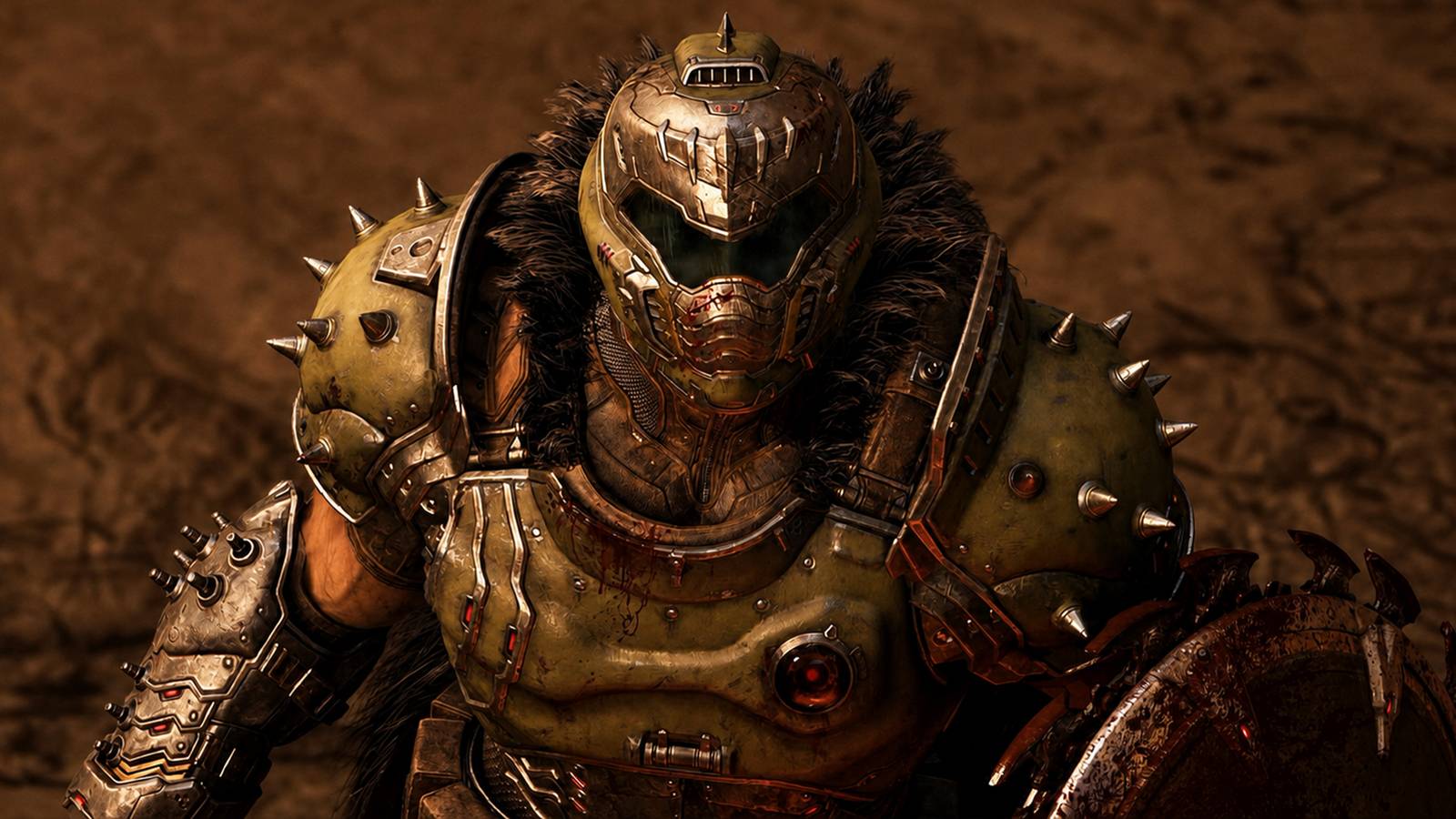
Doom: The Dark Ages was a fun, medieval-tinged fight through Hell, but it struggled to be a significant success compared to its predecessors, Doom and Doom Eternal. It may have reached a larger audience because of Xbox Game Pass, but when it comes to actual sales, Doom: The Dark Ages had a hard time reaching the same bar that the past entries set. That doesn’t mean it isn’t a solid game, though. Doom: The Dark Ages is an action-packed romp with some great new combat mechanics thrown into the mix, which is why it was worthy of getting a DLC in the form of Revelations. It proved to be a solid expansion, but unfortunately, the team at id Software had a pretty rough time bringing it to life because of a strict timeline.
Crunch culture game development isn’t anything new to the industry. Even developers like Naughty Dog, who have tried to change its well-known crunch culture, have recently backpedaled these initiatives in order to meet certain deadlines. Between shareholders and higher-ups having increasingly intense expectations, turnaround times and deadlines are becoming harder to hit, which creates a stressful cycle that causes devs to work far longer than what’s healthy. According to a former id Software dev, this is exactly what happened with Doom: The Dark Ages‘ recent expansion. There are a lot of factors that go into these hard-to-meet timelines, but there is one major issue that isn’t talked about as much: players have become conditioned to expect a quick turnaround.
Doom: The Dark Ages Revelations Is a Reminder That Game Devs Are Navigating a World That Runs on Short Attention Spans

Former id Software producer Andrew Willis recently chatted with Insider Gaming about how awful the crunch was when developing Doom: The Dark Ages‘ new DLC. The expansion took around three to four months to make, which is a crazy short amount of time. For reference, Doom: The Dark Ages took around four years to complete. It would be different if the Revelations DLC wasn’t long, but its main story can get close to the 10-hour mark, depending on how fast one plays. That’s not a small DLC, so a four-month deadline is wild.

Put the consoles in the correct order.
Willis claimed that the process of making Revelations was some of the worst crunch that he and many other industry veterans had ever experienced. He made sure to make it clear that the word “crunch” wasn’t used by id Software, but the deadline made it practically impossible not to crunch, so the team was forced to work far longer than usual:
There were two months where I was working something like at least 12 hours every day. I know I hit 17 a couple of days. There were days where I didn’t get to see my son the whole day; multiple days that I sacrificed to get this out the door at the level of quality.
Devs Are Facing the Pressure to Stay Relevant in a Fast-Changing Industry
This isn’t an article trying to point the finger at players, because there are many different reasons why crunch culture has become so prevalent. It’s a complex issue. However, the audience has definitely grown more insatiable over the years. A lot of gamers buy a game, knock the main story out in a weekend, and then move on to whatever game looks the most exciting next. It makes it hard for devs to keep up, and it can create pressure to push out DLC and post-launch content within a game’s first year in order to stay relevant.
There was once a time when one-year content roadmaps didn’t exist or were at least rare. The game was enough as is, but the past decade or so has conditioned players to always want more. Devs put in a lot of work and passion into making a game, so it can be devastating for a labor of love to launch and quickly disappear from online discourse within a few months because it’s already been overshadowed by a flood of other great-looking new indie and AAA games.
Gaming’s Reliance on Live-Service Models Is Another Culprit to Take Into Consideration
Granted, crunch culture existed long before live-service games became such a huge industry trend. However, the quick turnaround and need for developers to bring forth post-launch content within the first year after a game’s release has ramped up alongside live-service models. The live-service formula is one of the main culprits behind this conditioning, because the entire model thrives on constantly churning out new content and updates to keep players’ attention.
There was once a time when one-year content roadmaps didn’t exist or were at least rare.
Now that live-service fatigue is starting to kick in and gamers are becoming bored with the formula, it’s going to be interesting to see if it helps cool down the constant need for new DLCs and extra content. Game releases definitely aren’t slowing down, but it’s possible that this pivot in the industry hopefully means that players become more accustomed to sitting with a great game and playing it for months or years without the need for any post-launch promises.
One of the biggest signs that live-service is falling out of favor with gamers is Horizon Hunters Gathering being rebooted after negative playtest feedback. It was intended to be a live-service title, but reports have claimed that the game is being completely reworked without the live-service elements.
Certain developers are seemingly already making moves to try and add replayability without the need for quick-turnaround DLC. For example, the way The Blood of Dawnwalker‘s open world is designed allows players to have a different experience with every playthrough. That’s not exactly a new concept, but it could be a hint that game design is hopefully relying more on a product that has plenty of replay value built in from the start.
Games like Cyberpunk 2077 are great examples of how a DLC taking a while to arrive is not a bad thing. Phantom Liberty was added to Cyberpunk 2077 nearly three years after its launch, and it was well worth the wait. The Witcher 3 is even getting a new DLC, despite the base game being 11 years old. Waiting isn’t a bad thing. When it comes to gaming, longer waits tend to mean better products, because devs aren’t rushed and forced into 60–80 hour work weeks. Rushed work leads to sloppiness and burnout, so longer post-launch content development times don’t just benefit the studios; it benefits the players, too.

- Released
-
May 15, 2025
- ESRB
-
M For Mature 17+ // Blood and Gore, Intense Violence
- Publisher(s)
-
Bethesda Softworks