



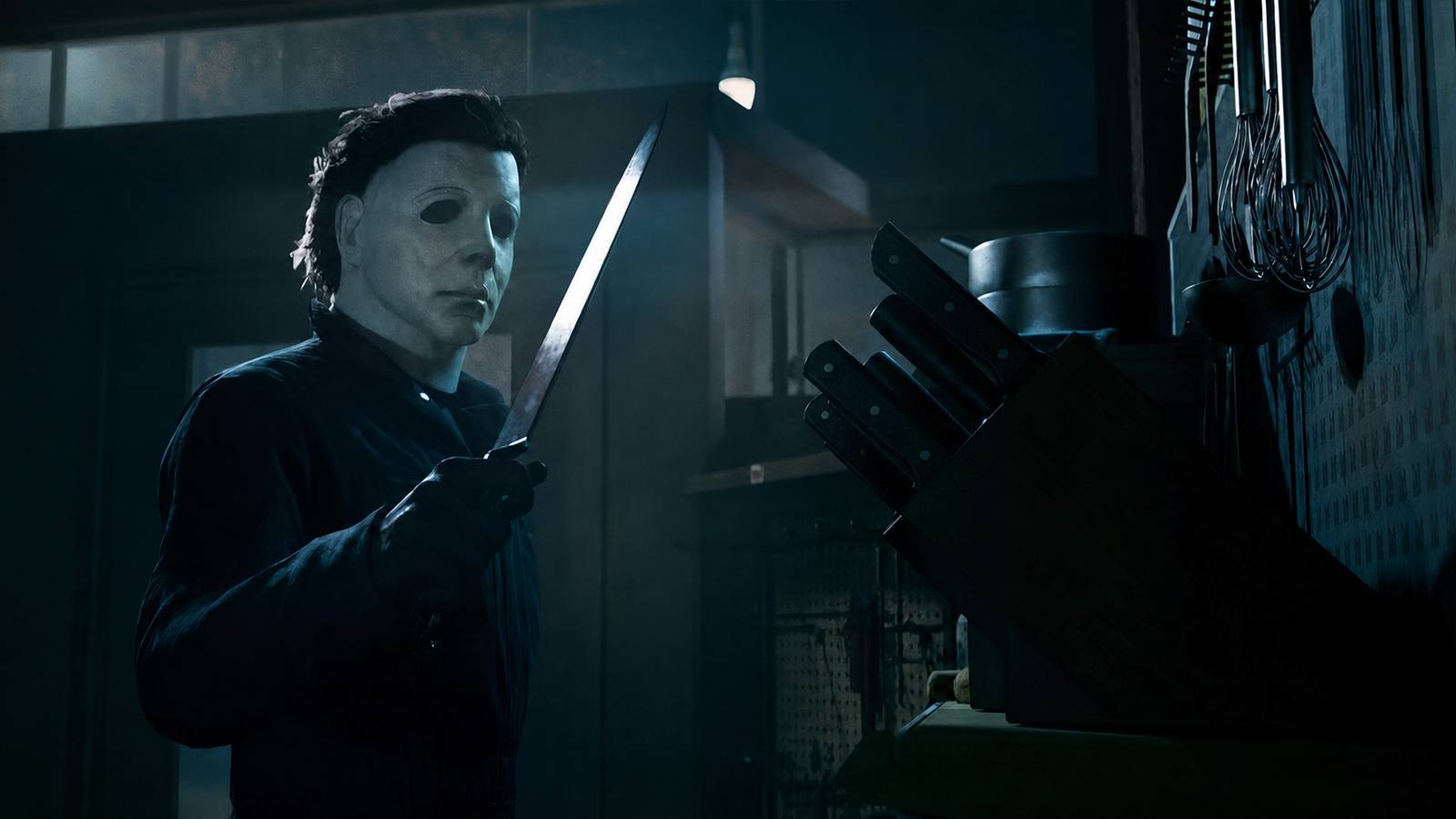
IllFonic and Gun Interactive’s latest title, Halloween: The Game, is almost here. The upcoming video game adaptation already has horror fans in a frenzy, excited over the prospect of bringing Michael Myers to life once again. Halloween: The Game‘s release, which is set for September 8, raises a question about a trend that we’ve seen for most, if not all, horror IPs once they get the game treatment.
These horror franchises are often adapted in a similar manner and fit into a specific style of game that seems to go over pretty well with consumers, since games of this style continue to be created. This can be seen, not just from IllFonic’s new release, but from past titles developed with cult followings in the gaming world. This formula is a constant, but does it work, and why?
Asymmetrical Multiplayer Survival Horror Is the Key
-
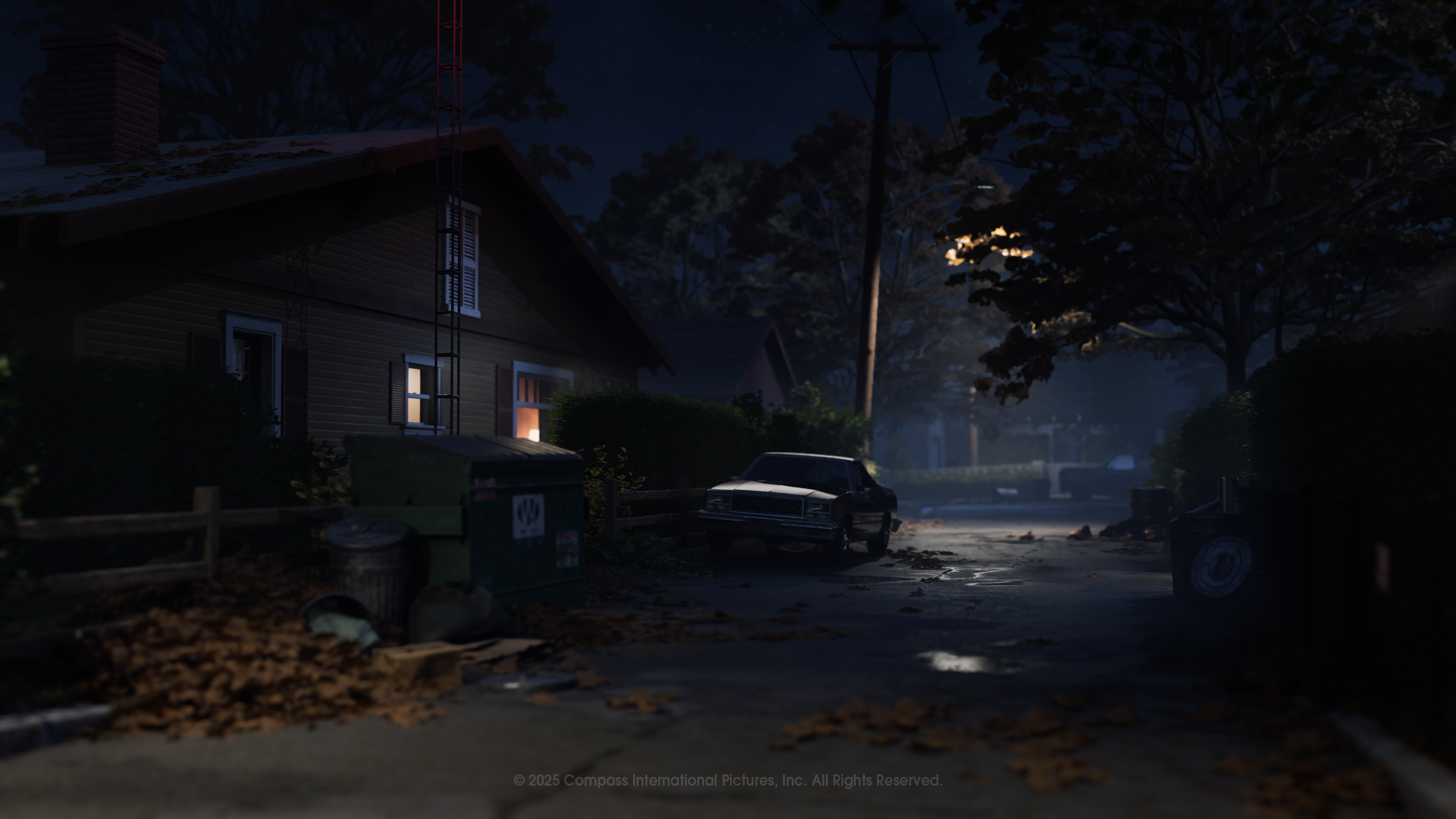
The Haddonfield Heights map from IllFonic’s 2026 Halloween game. IllFonic Publishing -
-


Many video game adaptations of iconic horror franchises, from The Texas Chainsaw Massacre to Friday the 13th, and even Killer Klowns From Outer Space, have all received the asymmetrical multiplayer survival horror treatment. Halloween: The Game is the next game to adopt that style. In short, this means that gameplay features multiple roles with an unequal balance of power. A great example of this style is Dead by Daylight, which features one powerful killer and multiple survivors. It is up to you to decide if you want to be the hunter or be the one doing the hunting. Survivors and killers are equipped with different skill sets and goals for the round.

Guess the games from the emojis.
Guess the games from the emojis.
Easy (120s)Medium (90s)Hard (60s)
Dead by Daylight masters this realistic perspective down to its survivors by equipping them with zero weapons or abilities, much like a camper being stalked in the dark, forced to make do with the situation thrust upon him. All survivors can do is hope to live through the night, boot up generators that power the exit gates, and escape while avoiding the killer at all costs.
Video Games Let Horror Movies Go Places Film Can’t
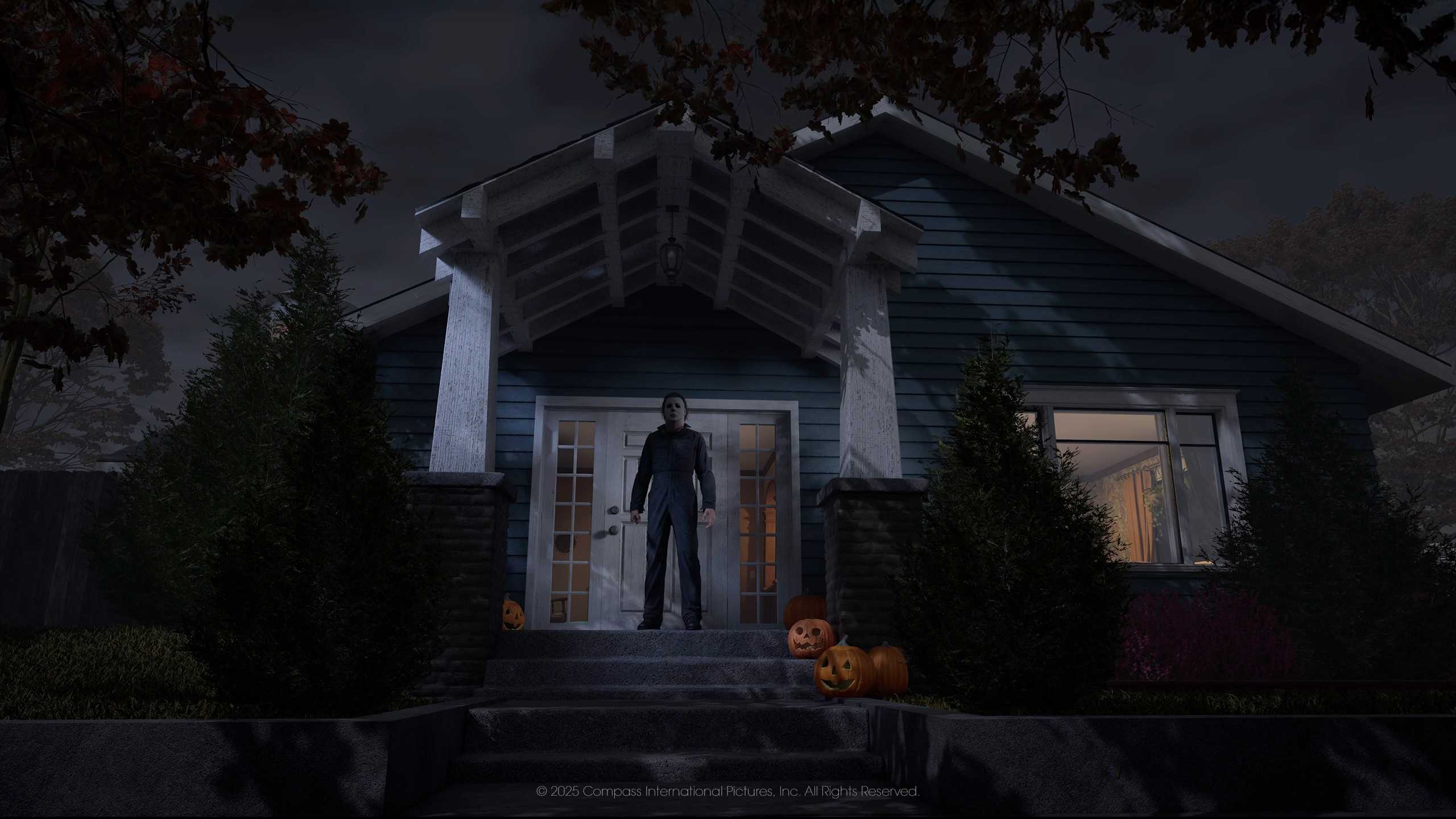
Halloween: The Game is taking a similar route, putting the person in the shoes of the ever-terrifying Michael Myers in a one-versus-four matchup against civilians, otherwise known as the Heroes of Haddonfield, trying to outrun him. There is also a story mode that lets you play solely as Myers. It should be noted that Myers is faster, stronger, and even has supernatural abilities that allow him to maneuver around traps. All this serves to amplify that power dynamic that Myers holds his victims. The predator-meets-prey relationship is again revisited in multiplayer, putting people at a disadvantage as they face off against Myers, who, seemingly, can’t just die. This creates a sort of underdog narrative, where four civilians must survive the night against all odds. It’s either kill or be killed.
-
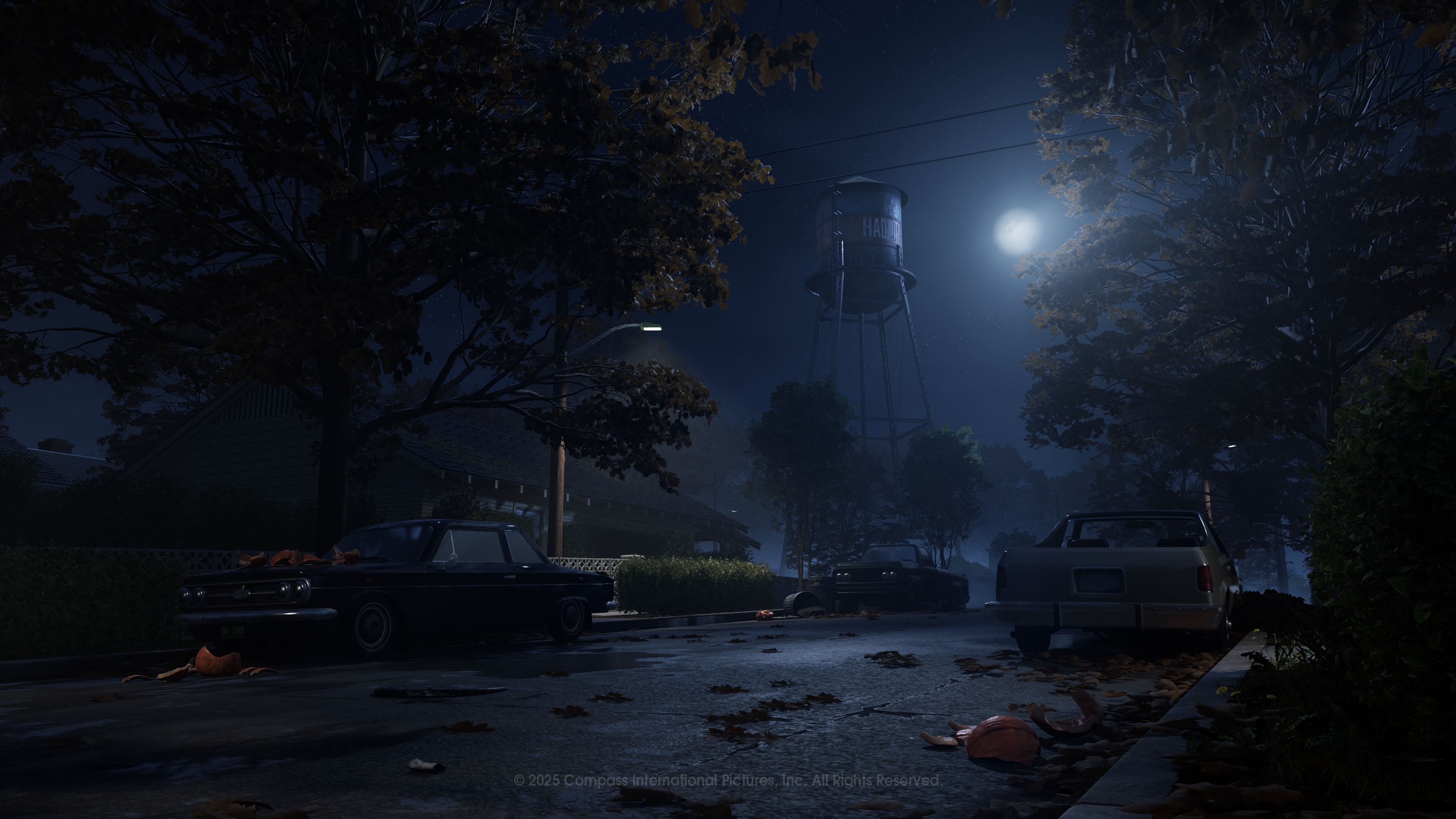
The Haddonfield Heights map from IllFonic’s 2026 Halloween game. IllFonic Publishing -
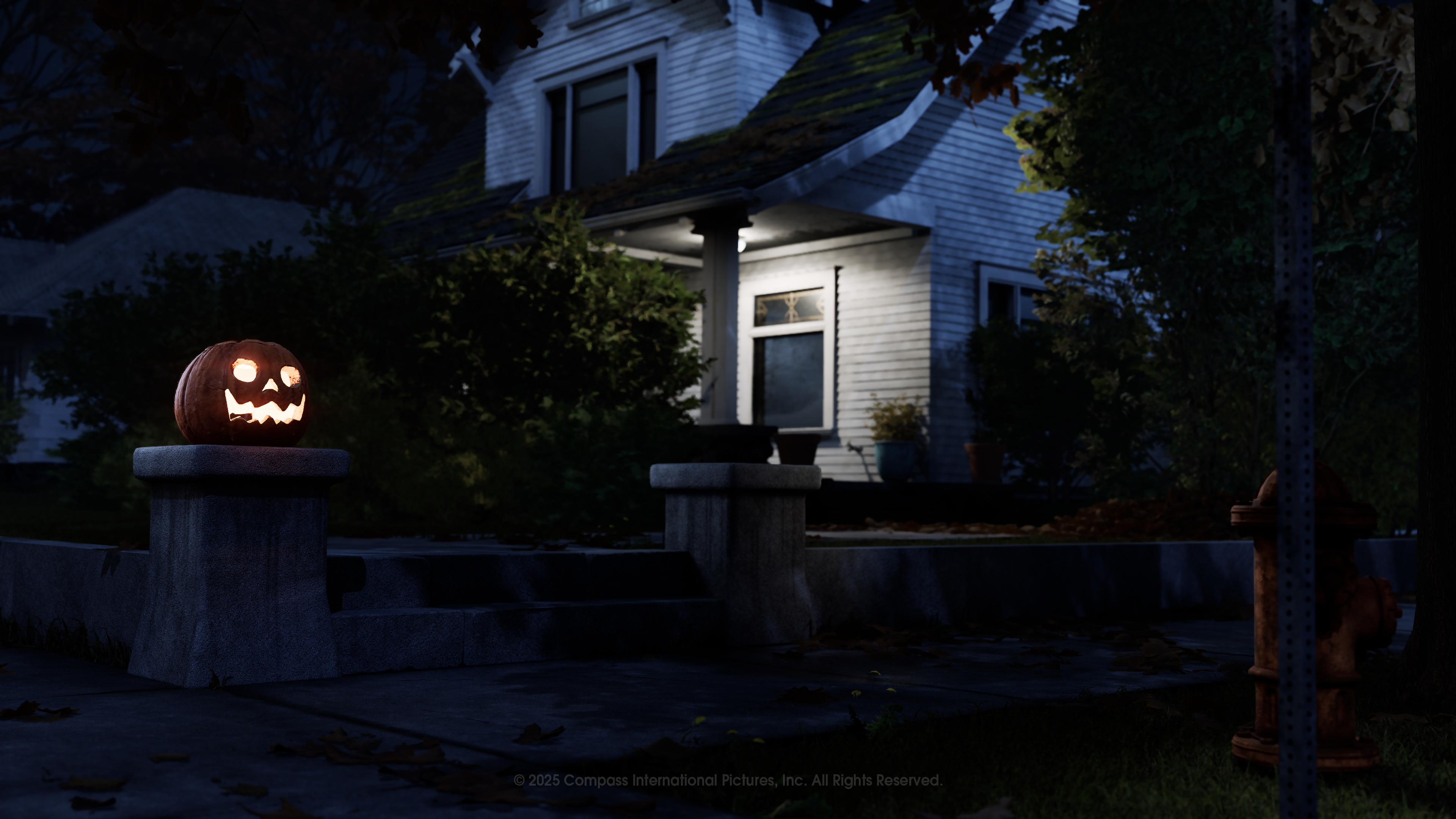
The Haddonfield Heights map from IllFonic’s 2026 Halloween game. IllFonic Publishing -
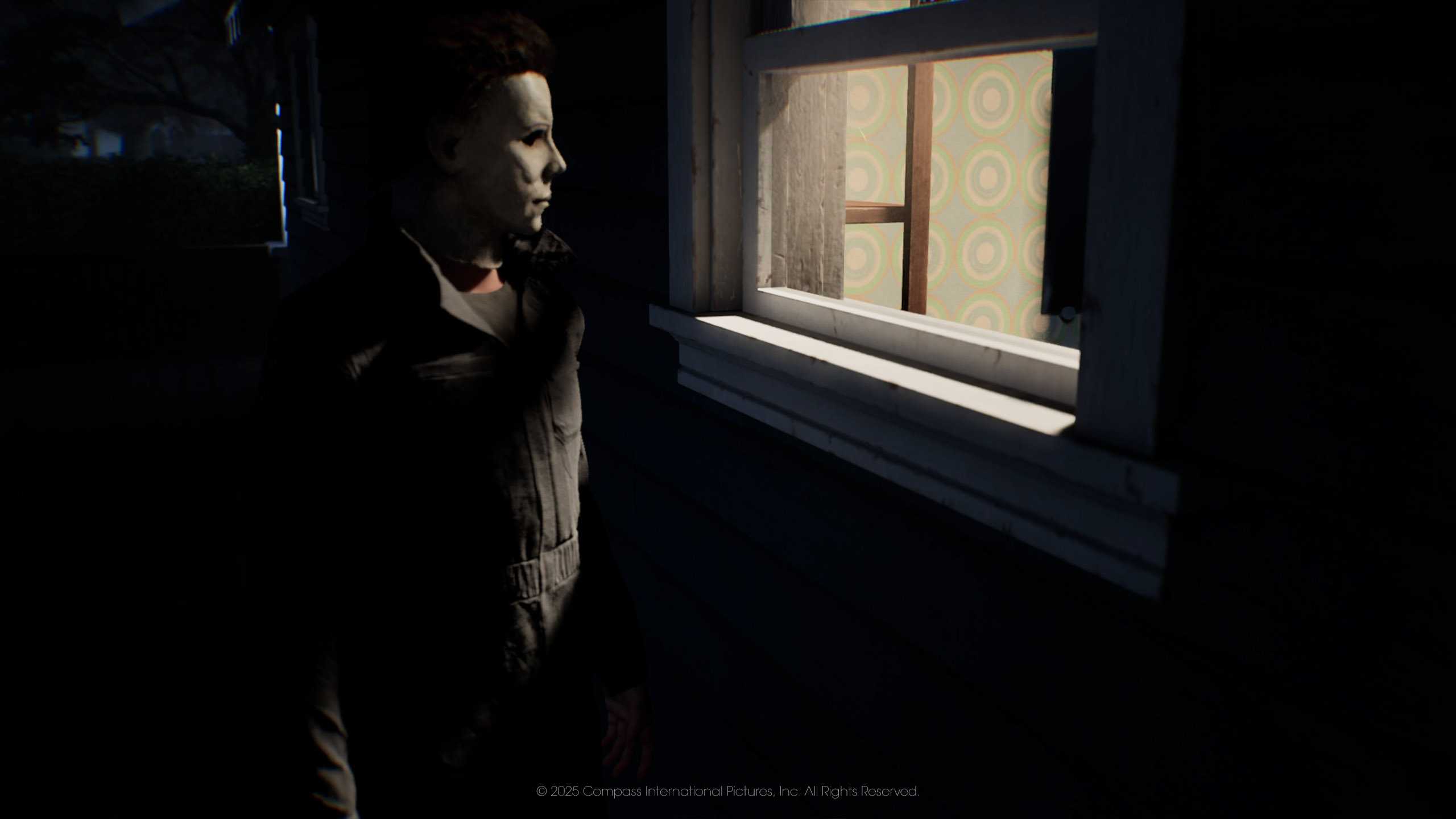
Halloween is just one of many horror IPs turned into video games. Alien, Evil Dead, Predator, The Thing, Saw, Friday the 13th, The Texas Chainsaw Massacre, Jaws, and Dracula. The list could go on forever. This trend of horror films getting video game adaptations is many years in the making. The origins are fuzzy but, funnily enough, it seems that Halloween for the Atari 2600 in 1983 by Wizard Video Games was the first to kick off the horror film video game adaptations movement.
The question of why so many horror franchises get their own video games likely stems from that feeling of wanting you to experience fear on a different level. Putting the person in the shoes of the slasher or slash-ee, getting their palms sweating and their heart pounding in a different medium. Video games served as untapped potential, exposing folks to the franchise while giving them an experience that they couldn’t get from buying a ticket to the movies.
This medium also allowed for further creativity, applying techniques and creating scenes that even actors couldn’t portray. Alien: Isolation is a prime example of what studios can do with a precious IP without any real-world constraints. The Xenomorphs in the game take the stalking Ellen Ripley faced in the first film up to 100, all thanks to the game’s AI adaptive learning. These creatures can adapt to your exact playstyle, learning it to eventually thwart you. This means it will find you if you hide in lockers too often or if you rely heavily on the equipped motion tracker to find your way. Even worse, the game taps into your controller’s microphone, cueing the Xenomorphs in to your whereabouts through real-world sound.


Additionally, video games are naturally lengthier, meaning the narrative and characters can be further fleshed out. In Halloween: The Game, it is likely you will get to know more about Myers and his motives through story mode, a detail that is usually cut for time in the film. Again, Alien: Isolation does a fantastic job at adding more context to a pre-existing story. We find out that the game’s main character, Amanda Ripley, is the daughter of a fan-favorite from the films, Ellen.
Her dynamic with her mother, plus the fact that Ellen goes missing in the game, is explored in depth, getting you more involved with the Alien lore in a new way. Video game adaptations are a well-tapped medium, and one we will likely see prosper in the coming years as more horror movies continue to come out. It is one of the best ways to explore a horror movie’s narrative and characters without any real-world roadblocks.

- Released
-
September 8, 2026
- ESRB
-
Rating Pending