










The Ultimate Digital Treasure Hunt
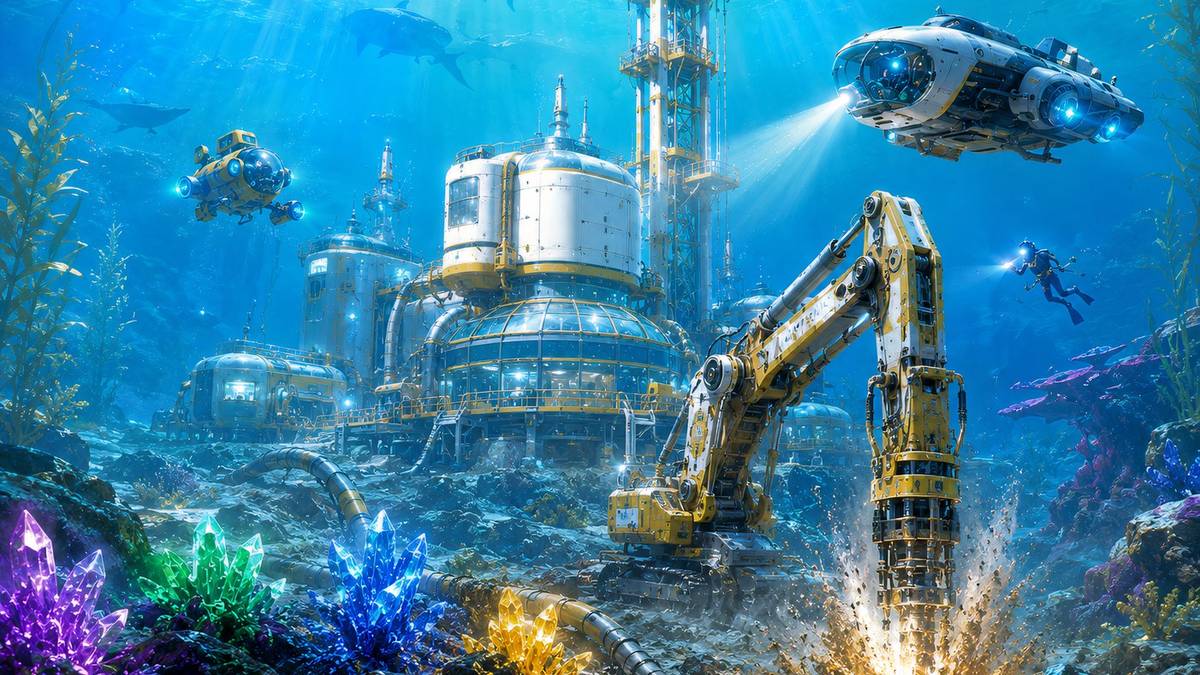
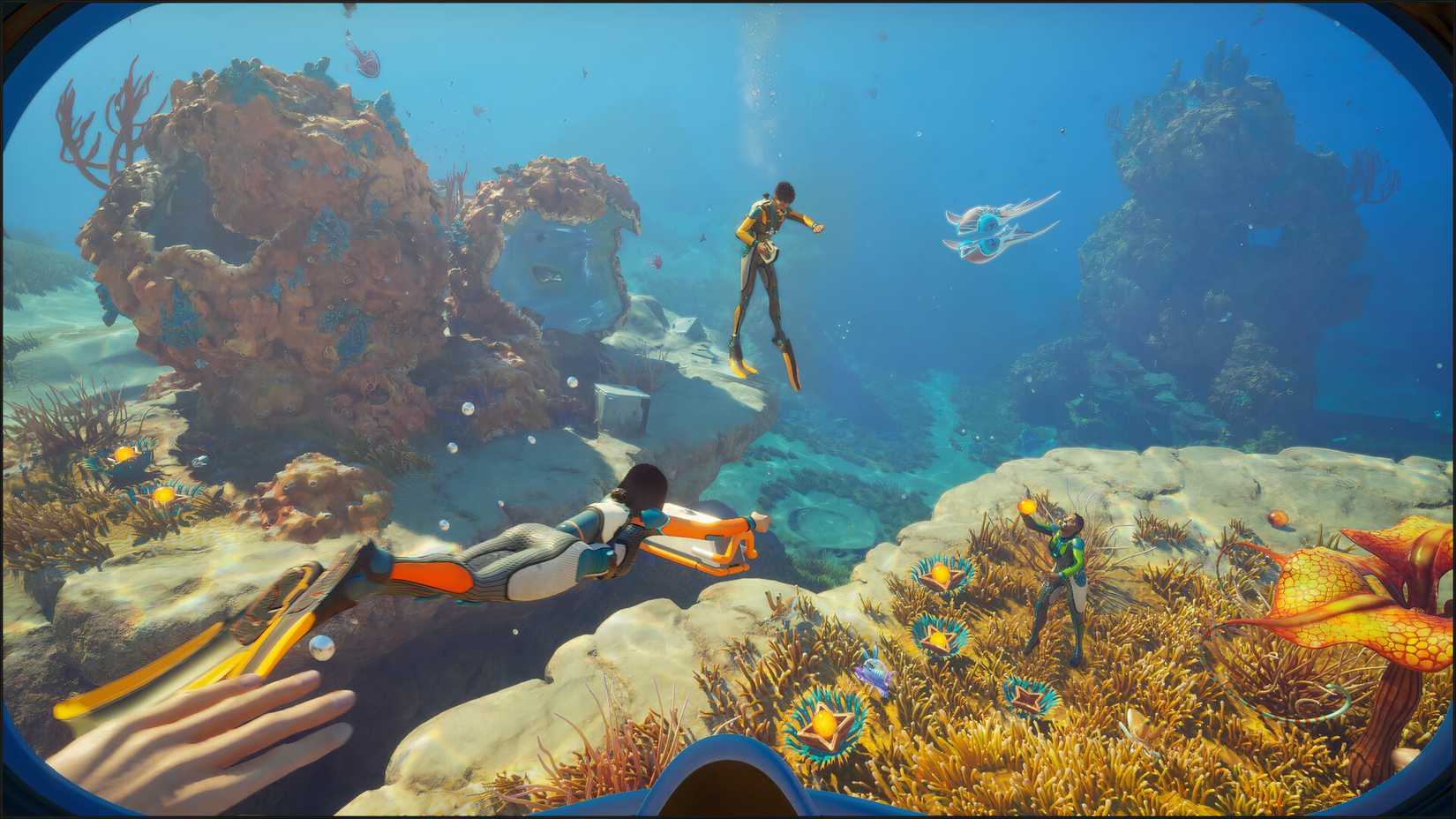
On May 14th, gamers are diving back into the gorgeous, bioluminescent waters of Subnautica 2. We all know the incredibly satisfying gameplay loop of the first one: you dive deep, scan the ocean floor, and vacuum up weird, glowing alien minerals to upgrade your gear and build massive underwater bases. It’s the ultimate sci-fi treasure hunt. But while millions of us are exploring fictional alien oceans on Game Pass, a very real, equally fascinating treasure hunt is happening right now at the bottom of the Pacific, and it’s being driven by the exact same tech we use to game.
The Potato-Sized Batteries

Subnautica 2: How Players Are Changing the Game
We are currently in the middle of an unprecedented global tech boom. The sheer scale of what we are building is staggering. Everything from the electric vehicles silently dominating our driveways to the heavy-duty cooling systems and haptic motors inside the next generation of gaming consoles requires an astronomical amount of critical metals. Factor in the massive, power-hungry AI data centers springing up worldwide to power the tools we use every day, and the global demand for materials like cobalt, nickel, manganese, and copper has skyrocketed far past what traditional supply chains can easily handle.
Facing this severe bottleneck, the tech and energy industries have realized that the ultimate supply-chain cheat code isn’t on land at all; it is sitting in the pitch-black abyss at the bottom of the sea. Spread across the abyssal plains of the Pacific Ocean, specifically within a massive underwater expanse known as the Clarion-Clipperton Zone, lies an unimaginable wealth of resources. Scattered across the muddy seabed are trillions of “polymetallic nodules.” Formed drop by drop over millions of years by absorbing metals directly from the surrounding seawater, these bizarre geological anomalies look exactly like charred, blackened potatoes.
Real-Life Prawn Suits

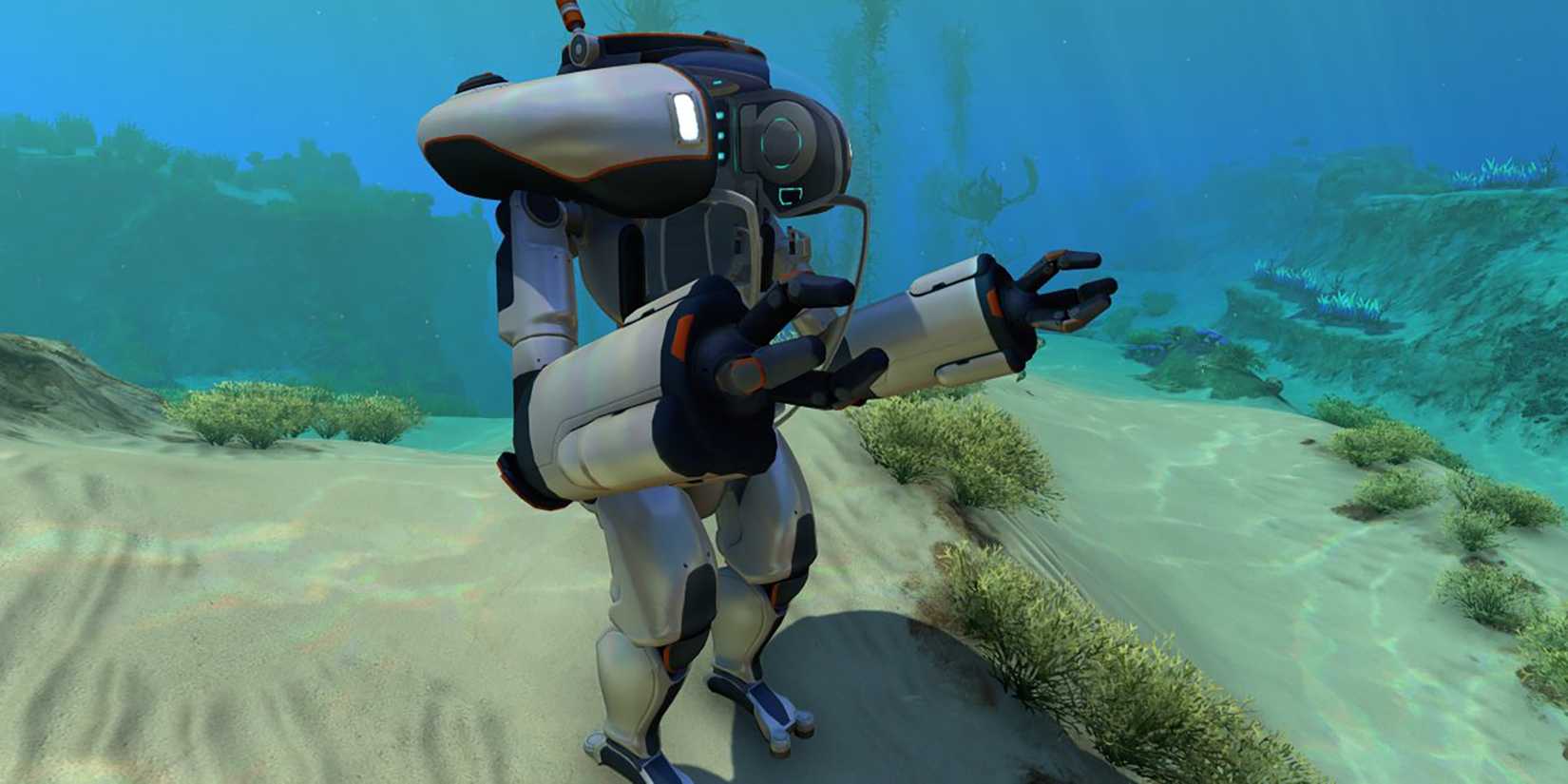
This is where the real world starts to look exactly like a Subnautica save file. To get these minerals, marine engineering companies aren’t using traditional mining equipment; they are deploying massive, cutting-edge robotic submarines and deep-water ROVs (Remotely Operated Vehicles). These multi-million-dollar aquatic robots are dropped thousands of meters into the pitch-black ocean to vacuum up these metallic nodules directly from the seafloor.
If you’ve ever stomped around the ocean floor in Subnautica’s robotic Prawn Suit to drill for titanium, you actually have a surprisingly good idea of what the bleeding edge of modern marine engineering looks like today. A perfect real-world example of this is the Patania II, a deep-sea nodule collector developed by the Belgian marine engineering firm Global Sea Mineral Resources (GSR).
Subnautica 2 is Causing Other Games to Move Their Release Dates
Gamifying the Deep Sea
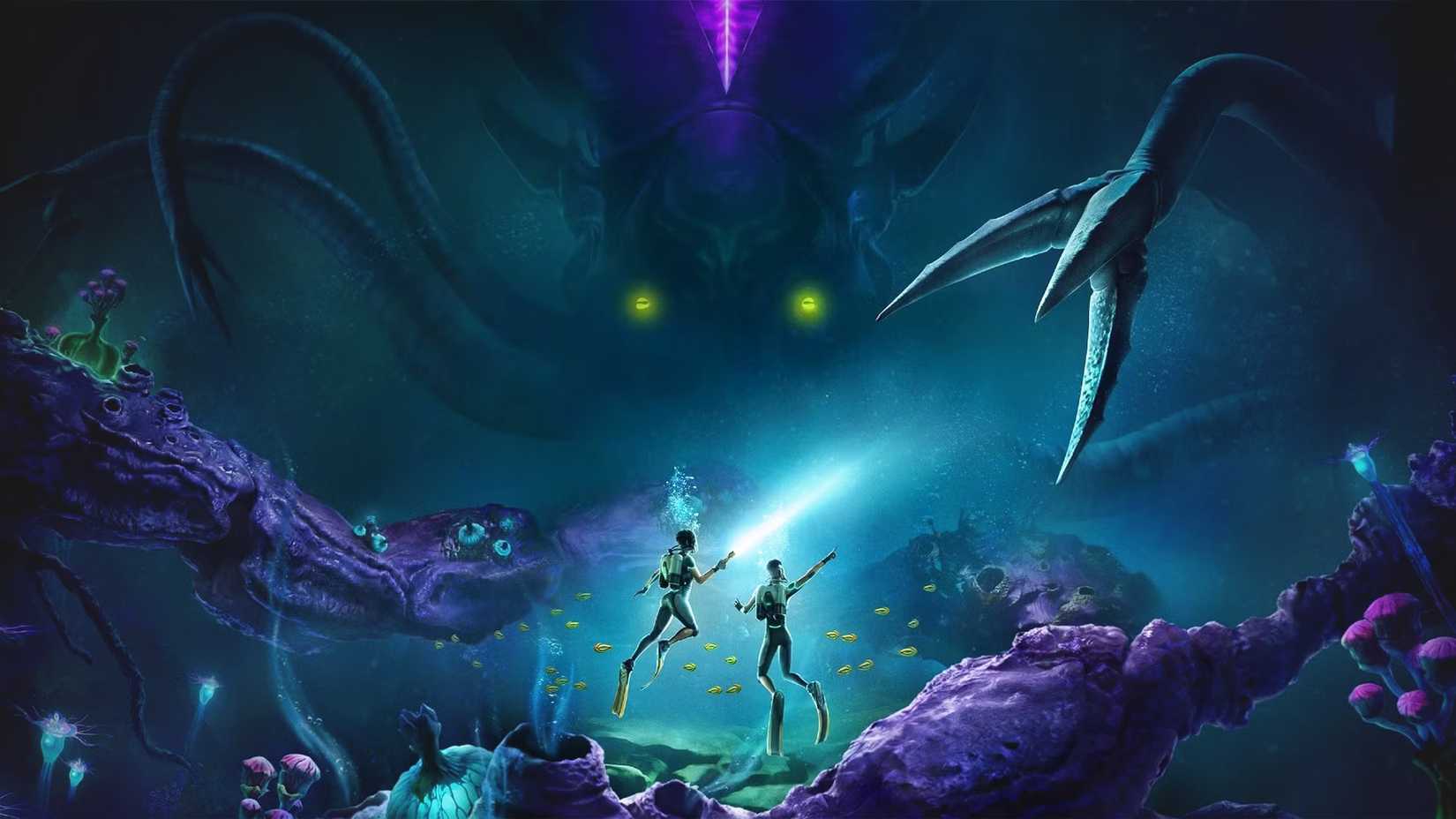
The coolest part? The pilots driving these massive underwater vacuums aren’t using clunky steering wheels. Because the telemetry and precision required are so complex, the control rooms for these real-world deep-sea expeditions look exactly like high-end Twitch streaming setups. Pilots are often using off-the-shelf gaming controllers and multi-monitor rigs to navigate the abyss, proving that the gap between playing a heavy machinery simulator and actually operating one has basically vanished.
So, the next time you boot up Subnautica 2 and dive into the depths to grab some resources for a scanner room upgrade, take a second to appreciate the irony. There is a very real chance that the physical hardware you are playing on contains minerals scooped from the bottom of our own ocean by someone using the exact same controller inputs as you.

