




The Continent has been waiting for Geralt for years, but apparently, it only needed a little polish to get him back on the road. The Witcher 3: Wild Hunt Remastered has already pulled 120,975 concurrent Steam players, smashing the open-world RPG’s previous all-time peak of 103,329. That is a remarkable comeback for a game that originally launched more than a decade ago, especially when its predecessor record was set during the height of Netflix’s The Witcher frenzy.
But the bigger story isn’t that The Witcher 3 looks better in 2026. Plenty of remasters can make an old RPG prettier. The real challenge is giving players a reason to spend another dozen, 50, or 100 hours in a world they may already know by heart. The Witcher 3 Remastered seems to understand that distinction, using visual upgrades alongside performance and gameplay improvements to make returning to Geralt’s adventure feel like more than revisiting an old save file. That is exactly what other RPG remasters should be paying attention to.
The Witcher 3 Remastered Doesn’t Reinvent the RPG
Images via CD Projekt Red.
There is an obvious problem with calling The Witcher 3 Remastered a reason to return: a lot of players have already experienced most of these improvements. The 2022 next-gen update already gave the RPG a substantial visual upgrade, improved performance on modern hardware, ray tracing, quality-of-life changes, and other additions. That means the jump from the original 2015 release to the 2026 remaster is not quite as dramatic as the word “remastered” might first suggest. For players who have spent the last few years with the next-gen version, some of the changes can feel more like refinement than transformation.
There are also some legitimate technical frustrations getting in the way of that return. Players have reported performance drops and visual issues compared with the previous version, while some PS5 Pro players have experienced inconsistent performance. On PC, the considerably higher demands of the new visual features can also make the upgrade harder to appreciate if the trade-off is a lower frame rate. The remaster, therefore, isn’t a perfect example of how to modernize an RPG: making an older game look more advanced means little if returning players feel like they’re giving something up to get there.
But It Doesn’t Need to Be a Different Game

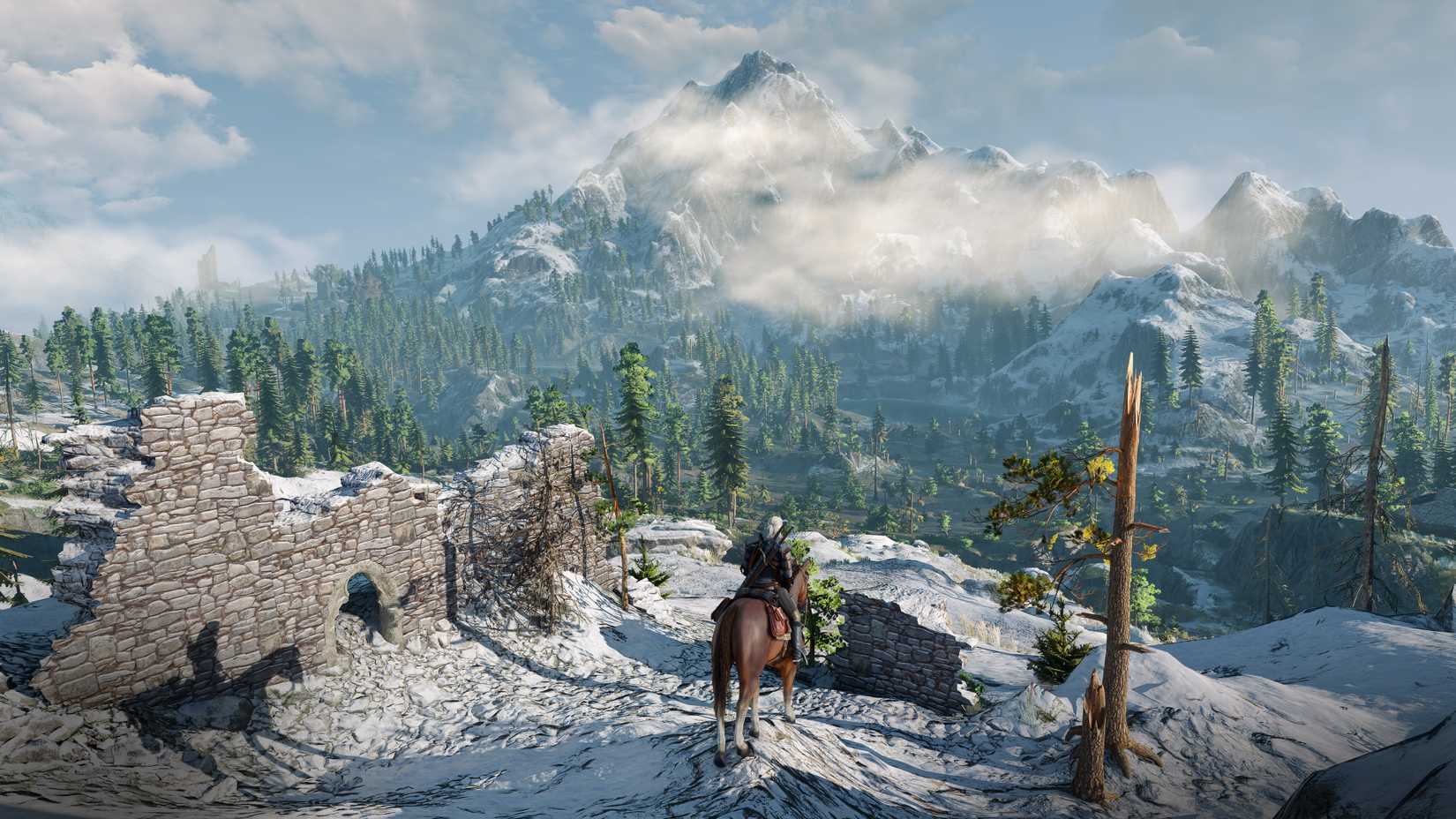
That is where The Witcher 3 Remastered becomes more interesting. Its biggest success may be that CD Projekt Red didn’t try and build the RPG from the ground up. Instead, it has made a collection of changes to combat, progression, presentation, accessibility and quality of life while keeping the same enormous adventure underneath.
And that distinction matters for remasters. A remake can justify itself by being radically different, but a remaster has a harder job: it has to make players want to revisit something they already know without destroying the reasons they loved it in the first place. The Witcher 3 isn’t perfect in that respect, but its record-breaking return to Steam suggests that refinement can still be enough when the underlying game gives players something worth discovering.
The Witcher 3 Remastered Makes Returning to the Continent Feel Inviting

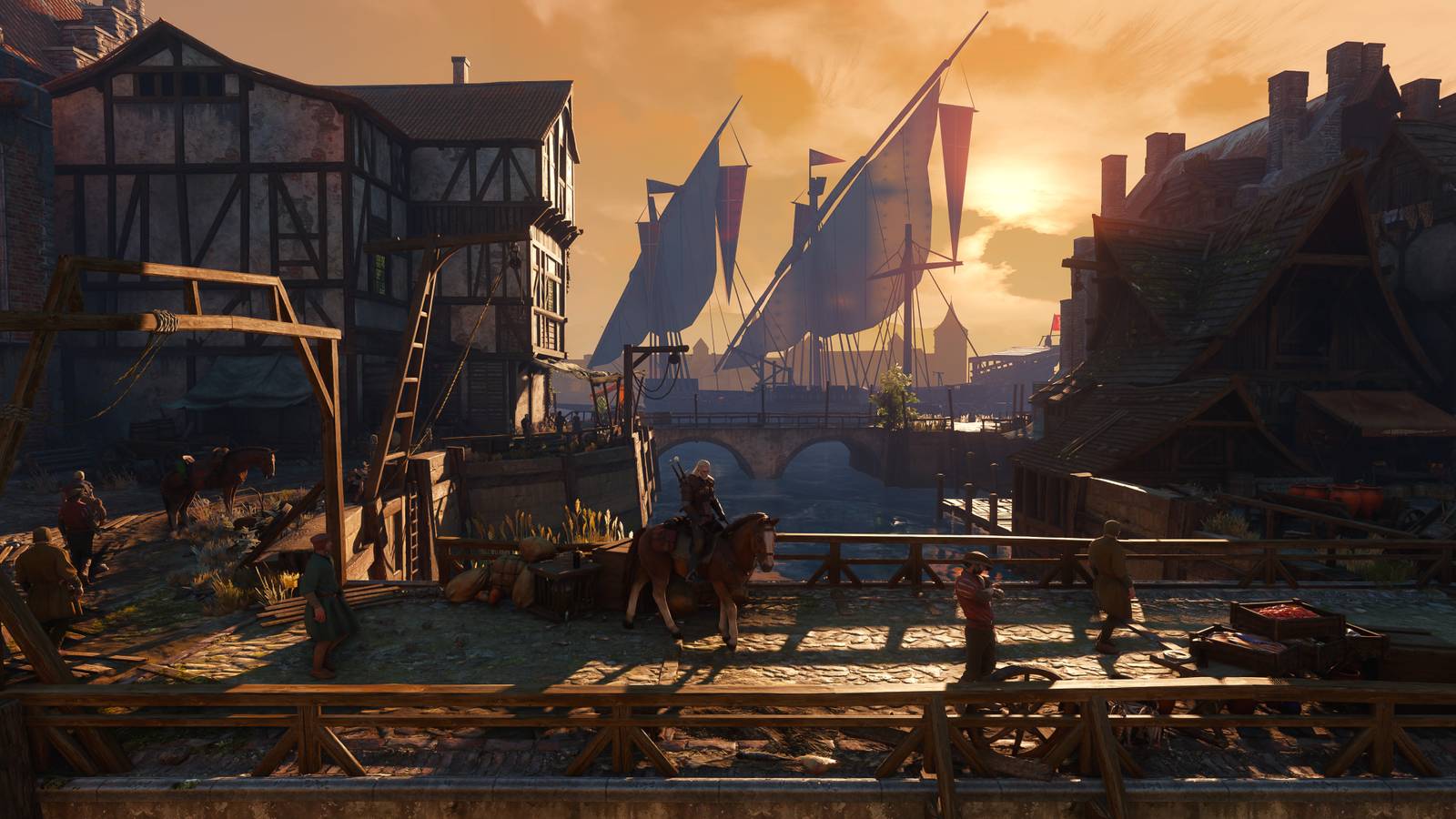
There is something strangely comforting about seeing the Continent again. The muddy roads, creaking forests, candlelit taverns, and distant silhouettes of Novigrad are all familiar, but The Witcher 3 Remastered gives them enough extra life to make another journey feel tempting. Improved lighting, textures, foliage, animations, and performance help the world feel less like a decade-old RPG being preserved and more like one that has been allowed to breathe again.
More importantly, CD Projekt Red has made changes that players will actually feel while playing. Combat animations and movement are smoother, the skill system has been redesigned, and Geralt can now use transmog to keep the look he wants without sacrificing equipment stats. Even smaller additions, such as improved quest tracking, an expanded Photo Mode, and new accessibility options, make the enormous RPG easier to settle back into. That is the difference between making an RPG look new and making it feel worth playing again.
RPG Remasters Should Make Old Worlds Worth Exploring Again

The most convincing part of The Witcher 3 Remastered is not any single graphical upgrade. It is the way the smaller changes can make a familiar journey feel slightly different. A revised skill tree gives progression another rhythm, improved monster behavior makes encounters more dynamic, and smoother traversal makes Geralt’s endless wandering across forests, villages, and battlefields feel less dated. Even features like transmog give players another reason to engage with equipment they might otherwise ignore.
This is an important lesson for other RPG remasters. Players do not necessarily need an entirely new quest line or a radically redesigned combat system to justify returning. Sometimes the better approach is to identify the little frustrations that have accumulated around a beloved game and quietly sand them down. The Witcher 3 already had a world worth getting lost in; the remaster makes the act of getting lost in it feel more comfortable, while still leaving the original adventure recognizable.
CD Projekt Red Wanted to Preserve the Original Experience

CD Projekt Red has been fairly clear about the thinking behind The Witcher 3 Remastered. In its official Xbox Wire announcement, the studio described the project as “upgrading the experience while maintaining the heart and soul of the original.”
The remaster’s PC version also raises the technical ceiling considerably, with full path tracing requiring significantly more powerful hardware than the game’s standard settings.
That philosophy is particularly relevant here. The remaster isn’t trying to replace The Witcher 3 with a different RPG; it is updating parts of the experience that can feel dated while leaving its familiar world, story, and identity intact. For returning players, that can make the difference between simply looking at an old favorite in higher fidelity and actually wanting to spend dozens of hours exploring it.
The Witcher 3 Remastered Shows Where RPG Remasters Should Draw the Line
Images via CD Projekt Red.
There is a temptation for remasters to keep adding until the original game barely resembles itself. The Witcher 3 Remastered takes a more interesting approach. Its combat, progression, transversal, visuals, and interface have all been modernized, but the underlying RPG remains unmistakably The Witcher 3. CD Projekt Red has essentially asked a difficult question: how much can an RPG change before improving it starts erasing what made it worth revisiting in the first place?
That restraint may be exactly why the 120,975 Steam peak matters. The remaster does not need to convince 120,000 players that The Witcher 3 is a completely different game; it needs to convince them that the familiar one is worth stepping back into. That is a much more useful benchmark for future RPG remasters. A successful upgrade should not leave players thinking, “Look how different this is.” It should leave them thinking, “I remember this place. I want to see it again.”
The Real Remaster Test Is Simple: Give Players a Reason to Return

The remaster can have sharper textures, better lighting, smoother performance, and a long list of technical improvements, but none of it matters if players close the menu and think, “I’ve already done this.” The Witcher 3 Remastered faces that problem head-on because its greatest asset is also its biggest challenge: almost everyone knows what awaits them beyond White Orchard. The fact that more than 120,000 people jumped back in within hours suggests that familiarity does not have to be the enemy of a remaster.
That should be the real benchmark for future RPG remasters. They need to make the first step back into that world feel enticing enough and keep walking. The Witcher 3 Remastered isn’t a completely new adventure, and its upgrades aren’t without flaws, but it demonstrates the value of making an old journey feel inviting again. A good remaster doesn’t just remind players where they’ve been. It makes them wonder what they might have missed.

- Released
-
September 29, 2026
- ESRB
-
Mature 17+ / Blood and Gore, Crude Humor, Intense Violence, Nudity, Sexual Content, Strong Language, Use of Drugs and Alcohol