



I’ve been enjoying another tumultuous playthrough on The Witcher 3: Wild Hunt Remastered, and I’m especially enjoying revisiting the gorgeous views and bustling cities of the Continent. The upgraded graphics make Geralt’s journey exceptionally alluring, and between each familiar location and unexpected encounter, it made me think of how vibrant The Witcher 3: Wild Hunt‘s world feels. While plenty of other medieval-inspired open-world RPGs also offer gorgeous landscapes and fascinating lore, they don’t always capture that same sense of living, breathing spirit that I experience when on the Continent.
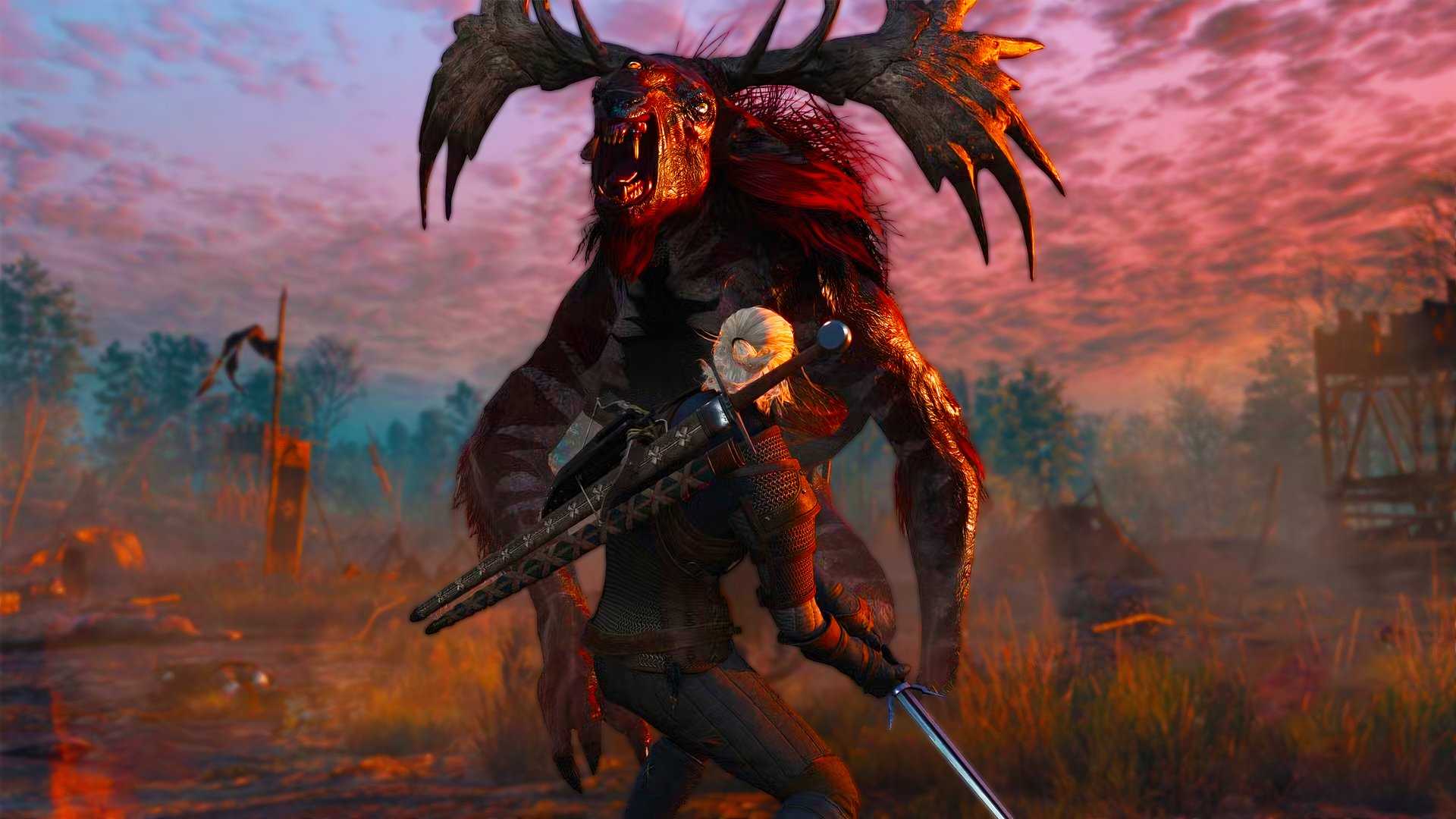
I have played most of the medieval-inspired RPGs out there, but something about The Witcher 3 stands out to me: the folklore, fairytales and village culture feel so embedded in each quest, as well as the moving world around it. I feel like it retains that Middle-Age, 13th-Century imagination with its rural superstition, herbal remedies, and fear of the supernatural. Many of the monsters that players meet on Geralt’s journeys are directly inspired by real folklore creatures, and I think that the game does exceptionally well to express this through its varied villages, castles, and cities, which each have their own fable to tell.
The Witcher 3 Villages Make the Continent Feel Alive With Folklore and Monsters
-
-

-
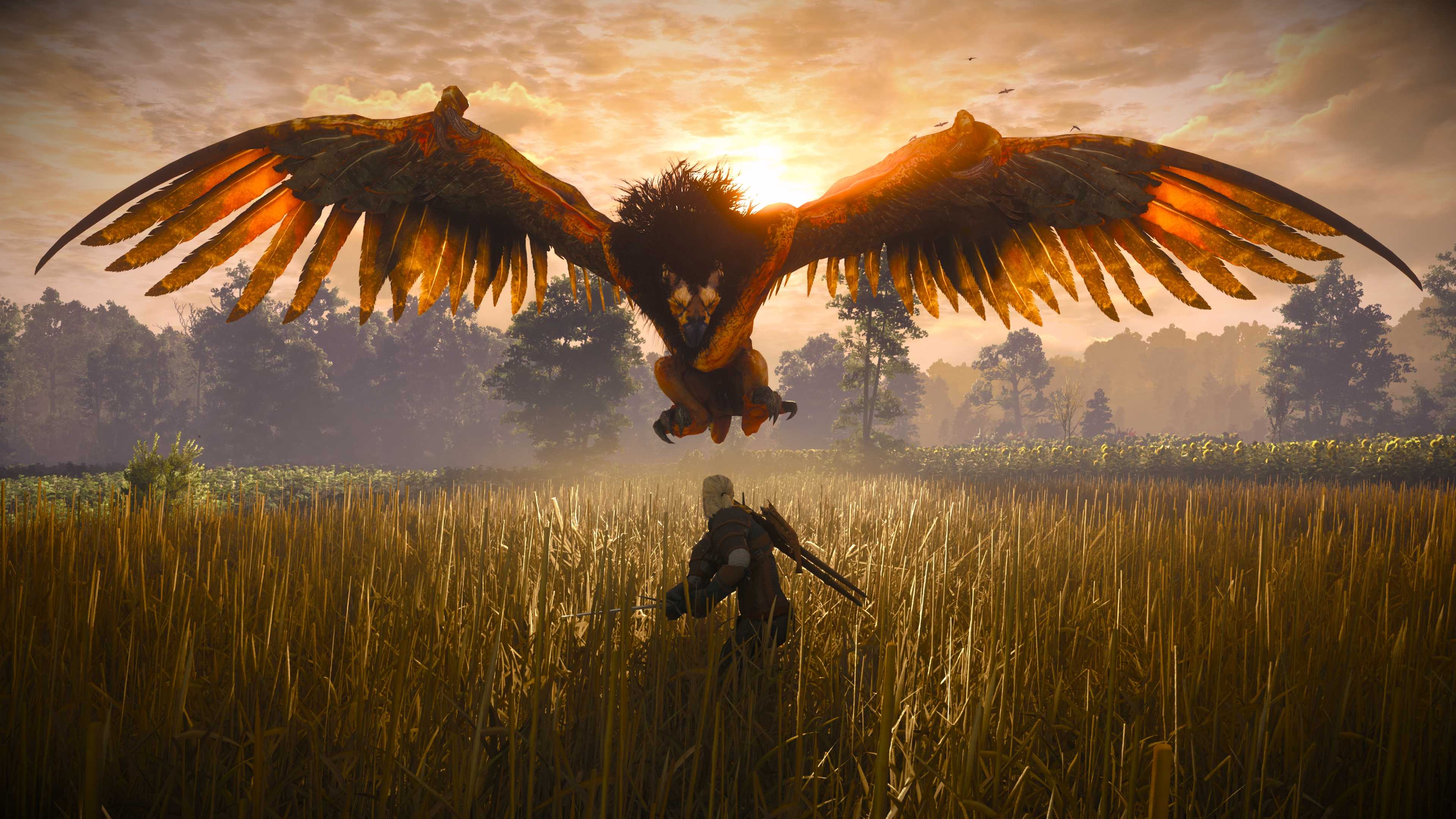


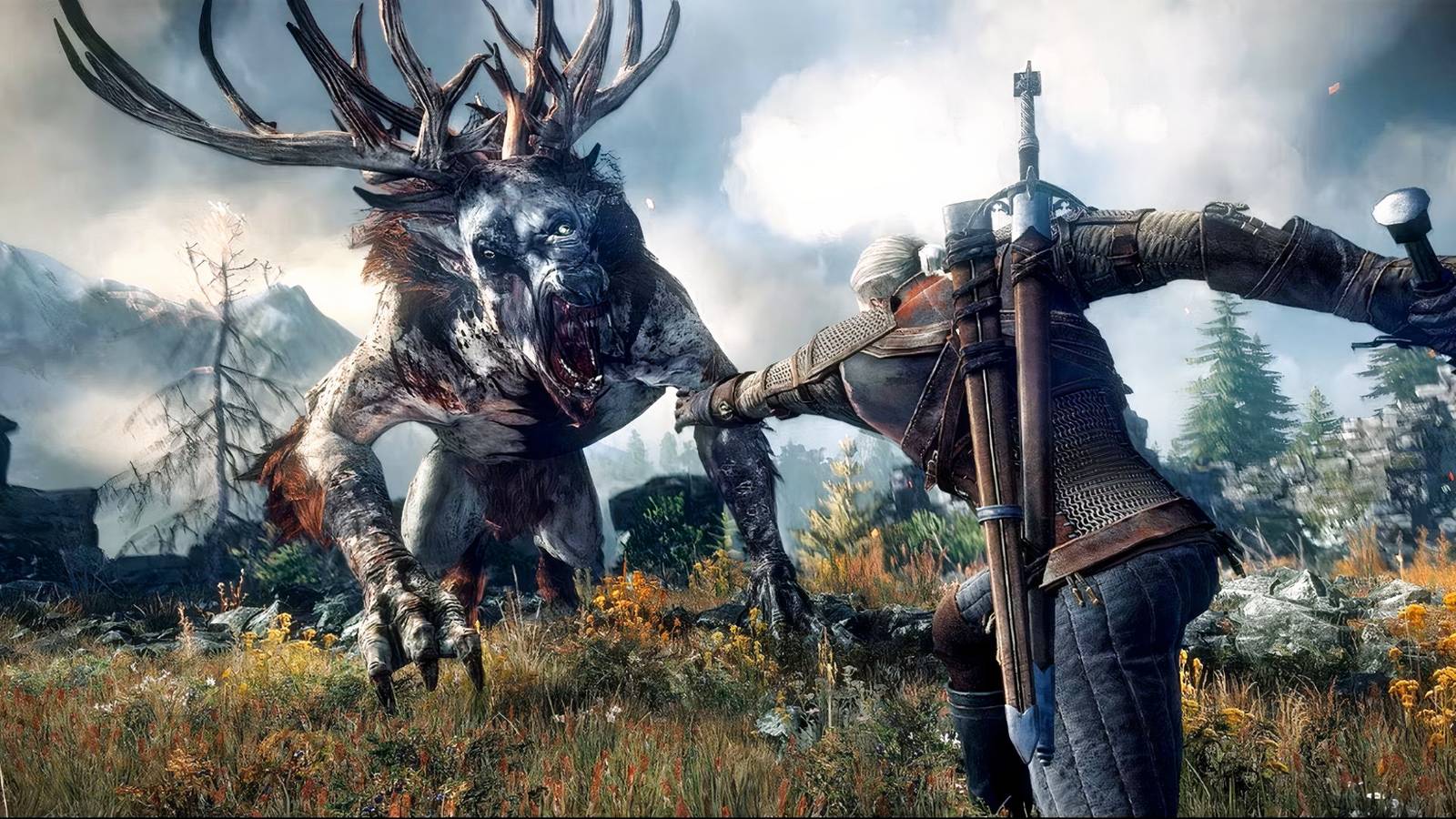
Though I mostly like to spend my time within the thriving walls of Novigrad, I also enjoy visiting each of the villages on my way to whatever quest or contract Geralt has been sent on, and each excursion itself is ripe with monsters and other creatures. For most, the first that Geralt confronts is The Beast of White Orchard, otherwise known as a Griffin which he and Vesimir attempt to lure to the grassy plains with the ill-smelling buckthorn. The Beast of White Orchard quest itself feels like the first chapter of the many tales that Geralt goes on to discover, especially when learning that the Griffin has been terrorizing the region for a while. This immerses players directly into the story of The Wild Hunt, where it feels like trouble is brewing, regardless if Geralt is there to aid or not.
There is plenty of folklore across the rest of the Continent too, and each location has its own vibrant network of characters. In Velen, there’s Blackbough, with its woodland monsters, and Downwarren, home to the Crones of Crookback Bog, who are themselves surrounded by Drowners and Water Hags. The Family Matters quest itself has its own savage mystique, and in Crow’s Perch you meet the Bloody Baron, whose family conflict lies at the heart of his stronghold’s personality. Players see firsthand how the Bloody Baron’s temper affects his fortress, keep, and those who live in it. The countless missing posters of his wife, Anna, and daughter, Tamara, only add another shade of mystery to Geralt’s exploration of the region.
Every Region in The Witcher 3 Has Its Own Unique Identity


Velen isn’t the only region which is abundant with personality, and I want to focus now on the network in these locations. In Skellige, there’s Kannvaig, which is a seafaring, Scandinavian-inspired village. Kannvaig has its own folklore, tradition, and set of coastal monsters. Even its architecture contributes to Skellige’s rugged, maritime, atmosphere, and I think that it’s this sense of eccentricity that makes The Witcher 3‘s world so animated. In the Blood and Wine expansion’s Toussaint, there’s Dun Tynne, a castle which reminds me of the aristocratic, fortified noble residences of Medieval times, especially with its chivalrous knights and picturesque countryside. Coronota Vineyard is full of its own wine culture, and Geralt helps solve problems and infestations of the estate in the Wine Wars quest line. So, each settlement in The Witcher 3 has its own individual particularity, which is often even distinguished by the slight lilt of the regional accent.
If you haven’t come across Toussaint in your playthroughs, that’s because it’s exclusive to The Witcher 3: Wild Hunt‘s Blood and Wine expansion, which must be purchased separately from the base game unless included in a bundle or edition you own. The expansion introduces Geralt to an entirely new region, complete with its own main storyline, characters, quests, and locations, including Beauclair and the surrounding vineyards.
It’s important that The Witcher 3‘s smaller areas hold this distinctive energy, because each of them contributes to the Continent’s liveliness. I don’t see this level of spirit in every medieval-inspired RPG: in The Elder Scrolls V: Skyrim, though most of the towns and cities have a clear faction or allegiance, the constitution feels more or less the same. Don’t get me wrong, I think that Tamriel is dynamic in its own right, but I don’t get the same sense of foreboding or mystery as I do when playing The Witcher 3: Wild Hunt. Even the dungeons you explore are more or less the same in their look and feel.
In Elden Ring, the Lands Between are deliberately ruined, with few ordinary people living together in “functioning” communities. The game prioritizes decay and isolation over bustling village life, but it’s clear that The Witcher 3 connects the threats of monsters and folklore-inspired creatures to the everyday lives and beliefs of local people. And though Dragon’s Dogma 2 does have impressive monster encounters and a beautiful fantasy landscape, its comparatively shallow towns and NPC interactions limit the personality of certain settlements.
The Witcher 3’s Folklore Is About Understanding Monsters, Not Just Hunting Them

To me, folklore is the living belief system in The Witcher 3: Wild Hunt. The villagers don’t just coexist with the surrounding monsters, and their rituals and fear of the supernatural influence how they behave and make decisions. This isn’t just limited to the dangerous, though. During a recent playthrough of Novigrad Dreaming, I investigated the haunted house as Geralt aimed to help Corinne Tilly, a dreamer. After discovering Sarah, the Godling, and making a few more choices, the section ended, and I moved on to the next phase of the quest line. However, a while later, I decided to revisit Corinne and Sarah. I was rewarded with a short cutscene and the Haunted House secondary quest, which I hadn’t encountered in my previous playthrough.
It was that cutscene that stood out to me, though, because of its black-and-white, storybook-like animation that is usually at the start of each load. The cutscene retells Corinne, Sarah and Geralt’s story in a dramatic but important way: it plays with folklore’s tendency to cast strange beings as dangerous. To me, it felt like understanding Sarah’s motives changed the story entirely. It’s the little moments like this where The Witcher 3: Wild Hunt showcases such a richly embedded, and surprisingly grounded, depiction of medieval-inspired folklore. It invites the players to contradict and even rewrite these tales, rather than letting them pass by unmoved.
The Witcher 3 Remains the Gold Standard for a Living, Breathing Fantasy World
I’ve yet to find a world as captivating as I’ve experienced in The Witcher 3: Wild Hunt, and the Remastered version is letting me experience its allure all over again. After deliberating on why the world feels so effortlessly alive, I’ve given the folklore strong credit. There are plenty of other reasons that add to the Continent’s dynamic, though, such as Gwent, the functioning trade network and environmental storytelling. I also think that the choices Geralt makes change how players interpret folklore, like with Sarah the Godling: Geralt must ultimately investigate local beliefs rather than automatically accept them.
This is not to make the point that The Witcher 3 has more lore than every other medieval-inspired RPG: that would be a much harder claim to make. But I really do think that it’s how lore matters to the people living in the world. Other RPGs excel at world-building in their own ways, but The Witcher 3 remains an extraordinary example of how to make a fantasy world feel lived in, and I’m looking forward to seeing the next medieval-inspired open-world RPG to bring that same level of energy into their world (and frankly, I think that Fable has a great chance).

- Released
-
September 29, 2026
- ESRB
-
Mature 17+ / Blood and Gore, Crude Humor, Intense Violence, Nudity, Sexual Content, Strong Language, Use of Drugs and Alcohol