


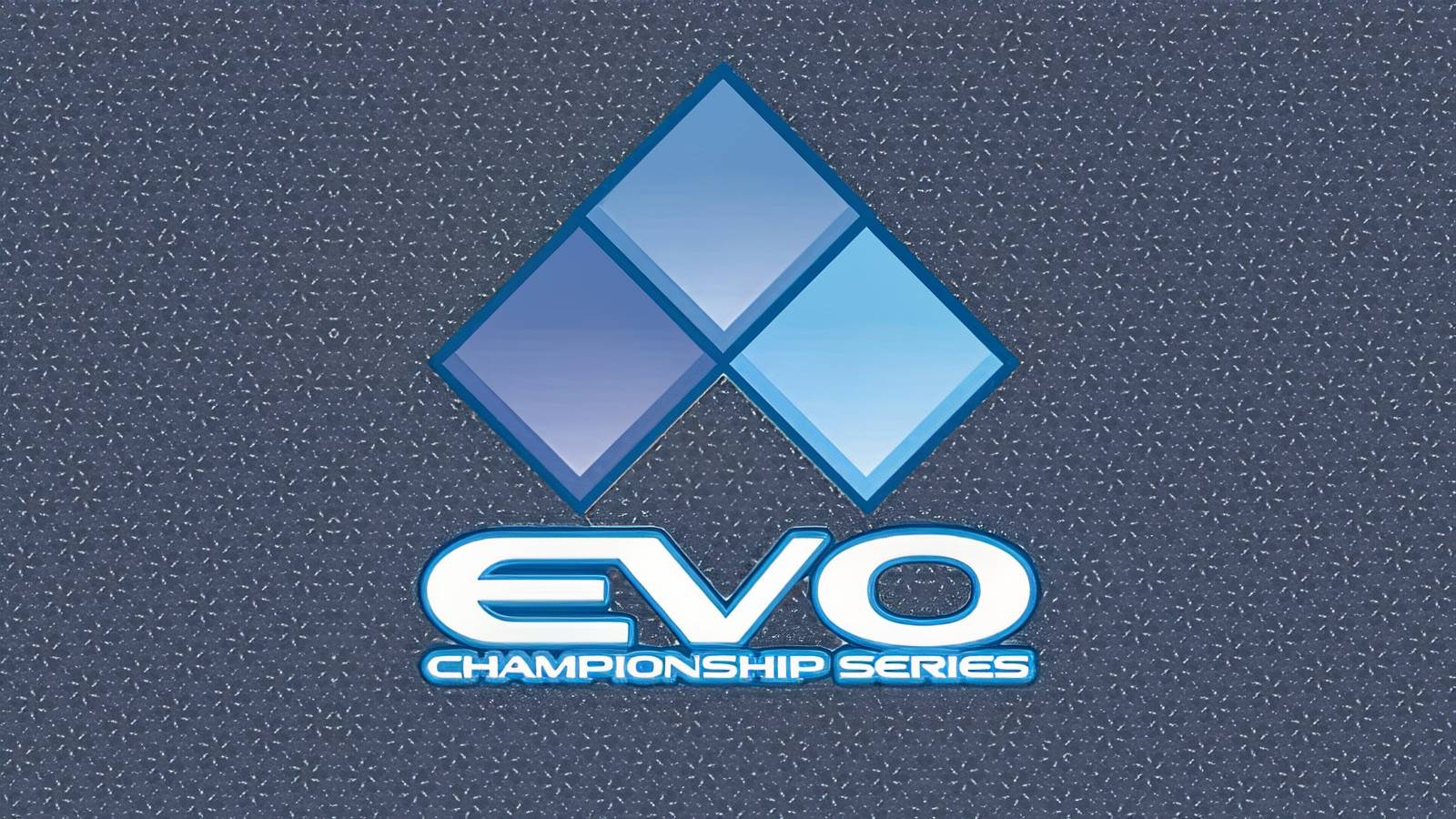
According to an official business update, the Qiddiya Investment Company has acquired full ownership of Evolution Championship Series (EVO), consolidating control of the iconic fighting game tournament under Saudi Arabian backing. Despite the shift in ownership, organizers emphasized that EVO’s “traditions, values, and identity will remain unchanged.” The Evolution Championship Series has officially entered a new era.
EVO’s reputation within the fighting game community is significant. Founded in the late 1990s as a grassroots event centered around arcade competition, it has grown into one of the most prestigious esports tournaments in the world, hosting some of the largest tournaments for Super Smash Bros. and other iconic titles such as Street Fighter, Tekken, Mortal Kombat, and Guilty Gear. It routinely draws thousands of competitors and hundreds of thousands of online viewers. The open-bracket format, where anyone can enter, has long been considered central to EVO’s identity.
The Best-Selling Games Developed By Ubisoft (& How Much They Sold)
Ubisoft is known for making some of the biggest titles in the industry. But which were the company’s highest-selling games?
Qiddiya Now Owns EVO, Event Schedule Remains Unchanged
In its official statement, EVO leadership sought to reassure fans and competitors that the tournament’s community-driven foundation will not be altered. “Under RTS ownership, Evo’s traditions, values, and identity will remain unchanged, with a continued focus on serving players, fans, and publishers at every level of the industry,” the announcement reads. The organization also confirmed that current CEO Stuart Saw will remain in his position, signaling continuity in day-to-day operations. The update confirms that RTS, a subsidiary of Qiddiya, has purchased the remaining ownership stakes previously held by Sony Interactive Entertainment and NODWIN Gaming.
Who’s That Character?
Identify the silhouettes before time runs out.
Identify the silhouettes before time runs out.
Easy (7.5s)Medium (5.0s)Hard (2.5s)Permadeath (2.5s)
This move gives Qiddiya full control of EVO’s global operations, including its flagship Las Vegas event as well as international tournaments such as EVO Japan and EVO France. The acquisition aligns with Qiddiya’s broader push into global gaming and esports initiatives. The Saudi-backed developer has been building an expansive Gaming & Esports District as part of its larger entertainment and tourism strategy. By bringing EVO under its umbrella, Qiddiya secures one of the most recognizable brands in competitive fighting games, potentially positioning the tournament as a centerpiece in its long-term esports ambitions.

While EVO leadership’s message focuses on stability, the ownership change has sparked conversation across the gaming community. Saudi Arabia has invested heavily in sports and entertainment in recent years, acquiring stakes in major organizations and hosting large-scale events. Some observers see the EVO acquisition as part of that larger strategy to expand its influence in global entertainment sectors. For many fans, the central question is what this means for EVO’s future. The official announcement did not outline immediate structural changes, nor did it suggest relocation of existing tournaments. The 2026 slate, including EVO Las Vegas, EVO Japan, and EVO France, remains on schedule, so a situation like the canceled 2020 EVO event shouldn’t play out again. However, with full ownership now in Qiddiya’s hands, the long-term direction of the brand will be closely watched.

EVO’s growth over the last decade has already been significant. Under previous ownership, the tournament became a well-known destination for fighting game beginners and experts alike to soak up the FGC atmosphere. If Qiddiya continues investing resources into the brand, the tournament could see even larger global reach, potentially introducing new venues, higher-stakes competition, and expanded regional circuits. At the same time, EVO’s identity has historically been tied to its community roots. The official assurance that “traditions, values, and identity will remain unchanged” appears designed to directly address those concerns.
For now, EVO competitors and fans can expect business as usual heading into the 2026 competitive season. The full impact of the shift in Sony’s ownership of EVO will likely become clearer over time as Qiddiya outlines its long-term plans for the tournament. What remains certain is that one of the most iconic events in fighting game history has entered a new chapter. Whether that chapter represents simple financial backing or a broader transformation of the brand will be something the global fighting game community watches closely in the months and years ahead.