




For a lot of survival fans, Valheim is still the definitive modern survival sandbox experience. Its mix of open-ended exploration, cooperative progression, and lightweight survival systems have helped it stand out even in early access, quickly making it one of the genre’s biggest success stories. However, as is generally the case with success stories like Valheim, a gap has formed where players are chasing that same feeling in other games and can’t always find something that hits quite the same way.
That’s where Windrose comes in. Rather than trying to replace Valheim—despite clearly being built from the same foundation—it takes what the Norse survival-crafting game did so well and throws it into a pirate setting instead, where progression moves between islands and the open sea rather than staying rooted on the ground. Windrose‘s early access numbers already suggest it could be the next Valheim, so fans who have yet to dip their toes in the salty water shouldn’t ignore the urge to do so.
The Perfect Pirate Game to Tide You Over Until Assassin’s Creed: Black Flag Resynced’s Release Just Dropped
Assassin’s Creed: Black Flag Resynced may be real, but it’s not here yet, meaning there’s plenty of time to check out the recently release Windrose.
Windrose Feels Like Valheim’s Pirate Sibling
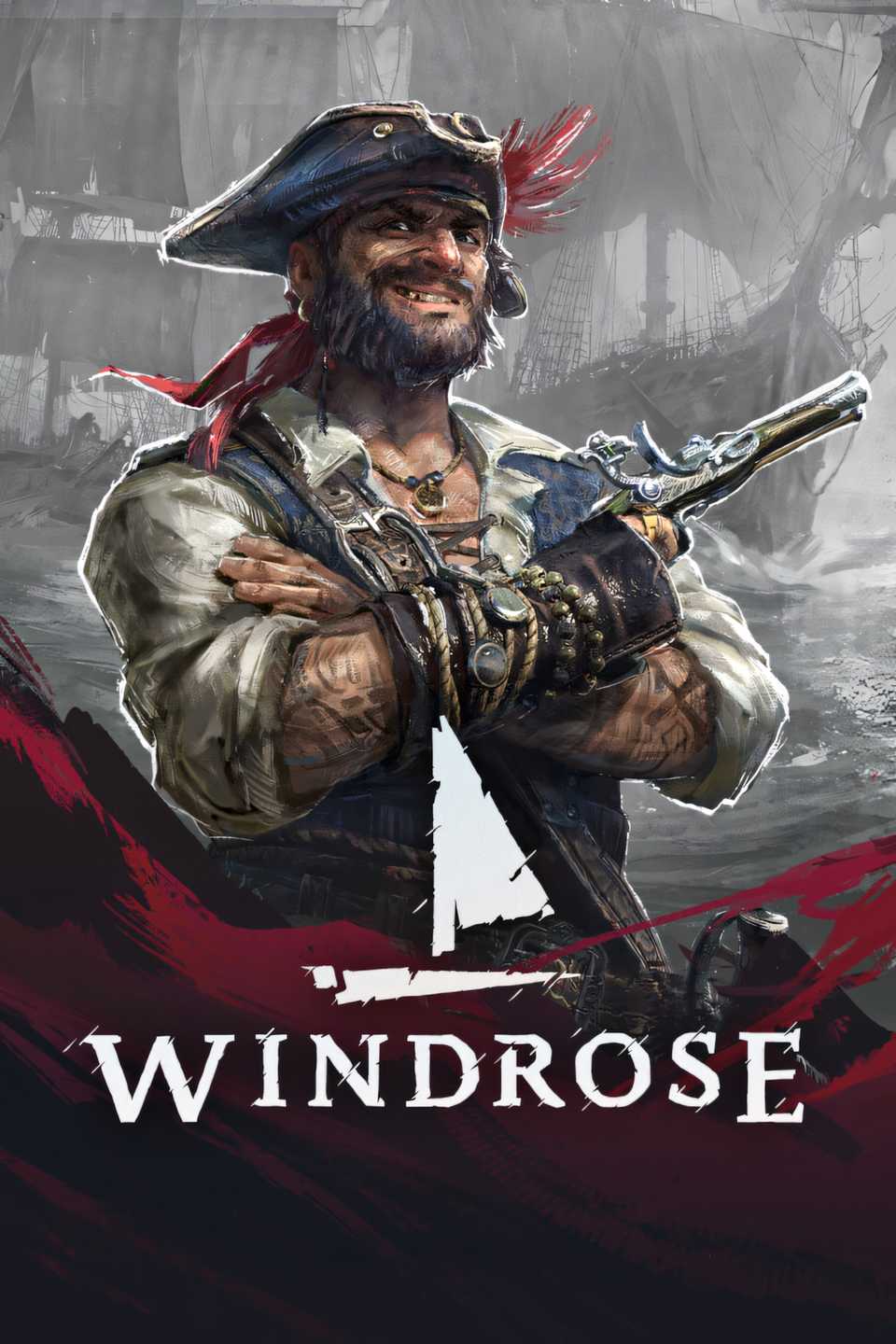
Windrose is an open-world survival-crafting adventure set in an alternate Age of Piracy, where players begin shipwrecked and slowly build themselves back up into a fully-fledged pirate captain. That starting point will feel familiar to anyone who has played a survival game before, but the way it unfolds is a bit different. There’s even a narrative beneath Windrose‘s gameplay, albeit a light one. The player’s journey occurs within the context of a larger conflict involving pirate factions, empires, and supernatural forces, with figures like Blackbeard acting as a motivation and a looming threat. It’s not a story-first experience—like most survival games—but it at least gives context to the constant push forward.
Windrose’s Key Features
- OPEN-WORLD EXPLORATION – Seamless land and sea traversal across vast islands.
- SURVIVAL CRAFTING – Gather resources, craft gear, and manage progression.
- BASE BUILDING – Construct and expand settlements on remote islands.
- SHIP CUSTOMIZATION – Build, upgrade, and command your pirate vessel.
- NAVAL COMBAT – Engage in ship battles with cannons and tactics.
- PVE ENCOUNTERS – Fight wildlife, undead, and enemy pirates.
- SOULSLIKE COMBAT – Face challenging bosses with skill-based mechanics.
- CO-OP MULTIPLAYER – Play solo or team up with friends.
- PROCEDURAL WORLDS – Explore dynamically generated biomes and locations.
- CREW MANAGEMENT – Recruit and manage a growing pirate crew.
Windrose Takes Exploration to the Open Sea
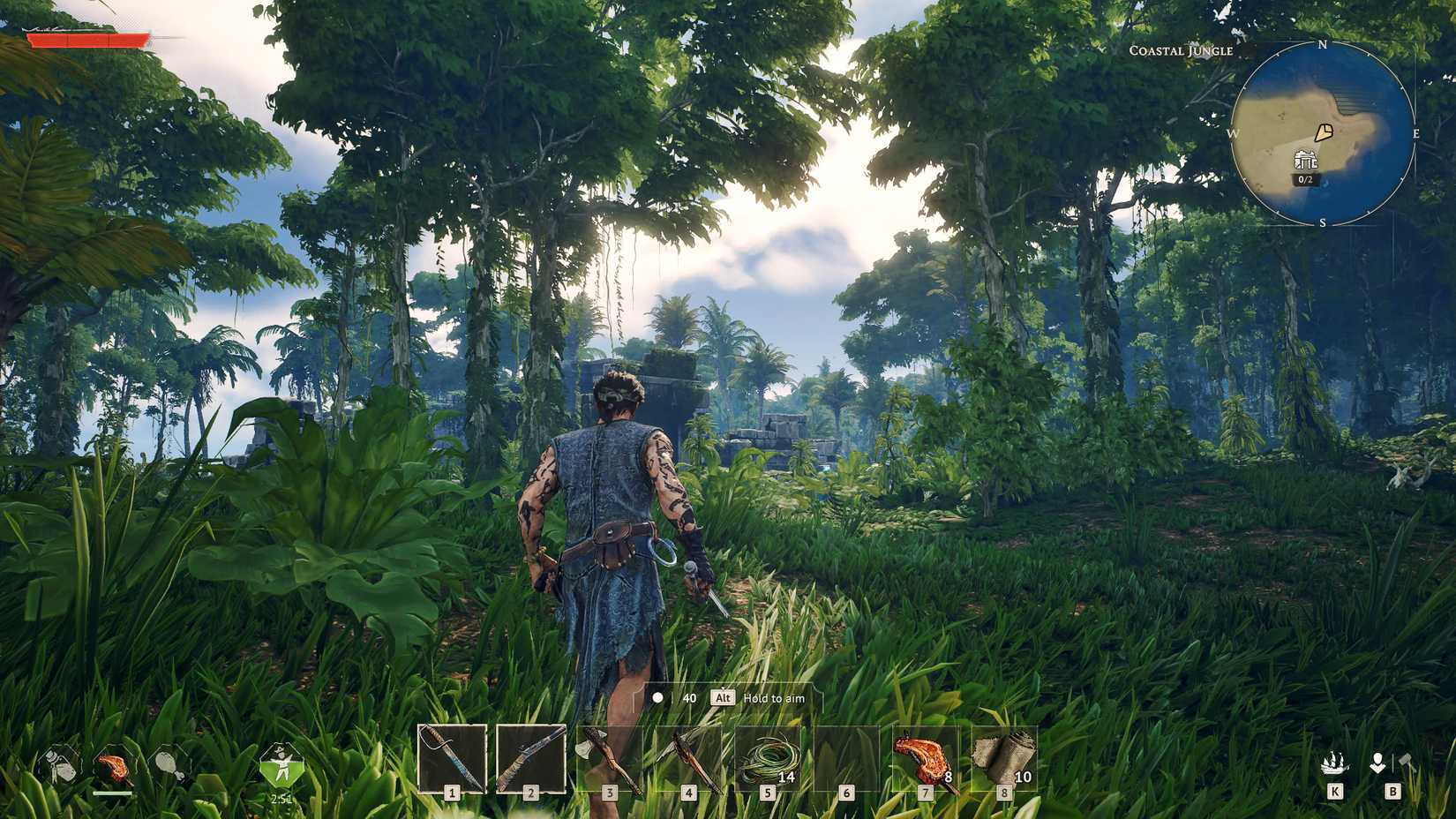
Windrose might be yet another open-world survival-crafting game arriving in an increasingly congested space, but its biggest distinction is in how it handles exploration. It’s far from the first open-world survival game to include sea travel—Valheim being one of those—but while most survival titles pick a lane, Windrose is one of the few that merges land exploration and base building with open ocean traversal and somehow manages to maintain its cohesion across the board. The islands they discover on their journey are even home to dungeons, loot, and plenty of environmental storytelling to boot, making each adventure worth something in the end.
But while exploring the open seas, players are likely to encounter enemy ships and engage in heated naval combat similar to Assassin’s Creed 4: Black Flag. Part of Windrose‘s progression even lies at the heart of that aspect of gameplay, as players can upgrade their ship into something more powerful. So, essentially, while most survival games see players establishing a base on land to explore from, Windrose encourages players to have one base on land, and one mobile base out on the water, making for a more diverse and satisfying exploration and progression loop.
Windrose is one of the few that merges land exploration and base building with open ocean traversal and somehow manages to maintain its cohesion across the board.
When they aren’t at sea, however, players will still have plenty of exploration and combat opportunities that await them on land. Developer Kraken Express has done an excellent job of balancing procedural generation with structure by randomizing island and environmental layouts for maximum replayability and then filling them with handcrafted dungeons, quests, and unique encounters. As they make their way through the world, players will use a mixture of melee combat and firearms to overcome their foes, some of which can prove difficult if underestimated.
Windrose Isn’t Easy in Some Ways, and It Is in Others
Here is where Windrose‘s Soulslike elements come into play, and yet another way it compares to Valheim. While typical survival encounters can see players either easily overpowering or outlasting their enemies, Windrose features some immensely difficult boss fights that require carefully timed parries and attacks rather than button mashing. They are clearly inspired by Soulsborne games, even to the point that the amount of damage enemies can deal has already drawn criticism from players. Nevertheless, it does add some much-needed variety to the traditional survival-crafting loop of the genre.
At the same time, Windrose is a more accessible, more approachable survival game in its survival mechanics. The expected survival mechanics are there—like food, crafting, and resource gathering—but it approaches them in a more flexible way. Hunger exists, but it functions more as a buff system rather than a strict punishment mechanic, which will feel familiar to Valheim players. Other systems like illness, temperature, and deeper survival penalties are either simplified or still being expanded during early access. That gives the game a slightly more approachable feel compared to survival titles that lean heavily into realism.
Windrose‘s base-building system also plays a central role in the game, allowing players to construct settlements, store resources, and craft new gear. The system pulls from established survival design, with features like pulling materials directly from nearby storage to streamline building. Crafting extends beyond simple tools and weapons into ship upgrades, equipment, and long-term progression systems, reinforcing that loop of constant improvement.
Windrose features some immensely difficult boss fights that require carefully timed parries and attacks rather than button mashing.
And finally, like Valheim, Windrose is designed with co-op in mind. Players can explore, build, and fight together, with systems that scale to group play. Right now, the focus is entirely on PvE, with no PvP component in early access. That creates a more collaborative experience, where the emphasis is on shared progression rather than competition.

In essence, for players coming from Valheim, Windrose doesn’t reinvent the survival formula, but it does change enough that it stands out easily. The core loop of gathering, building, and progressing is still intact, but the addition of naval traversal and ship-based progression change how that loop unfolds over time. Valheim‘s sense of discovery revolves around biomes and gradual expansion across land. Windrose replaces that with a more dynamic structure, where movement itself becomes part of progression.
Early access also means Windrose is still evolving. Some systems are clearly incomplete, and others are intentionally simplified for now. But the foundation is already there, and the early response suggests players are buying into what it’s building toward. For anyone who has spent time in Valheim and is looking for something that captures a similar sense of cooperative survival while offering a different setting and pace, Windrose is already making a strong case for itself.



- Released
-
April 14, 2026
- Developer(s)
-
Kraken Express
- Publisher(s)
-
Kraken Express, Pocketpair Publishing
- Multiplayer
-
Online Co-Op, Online Multiplayer
- Number of Players
-
Single-player