










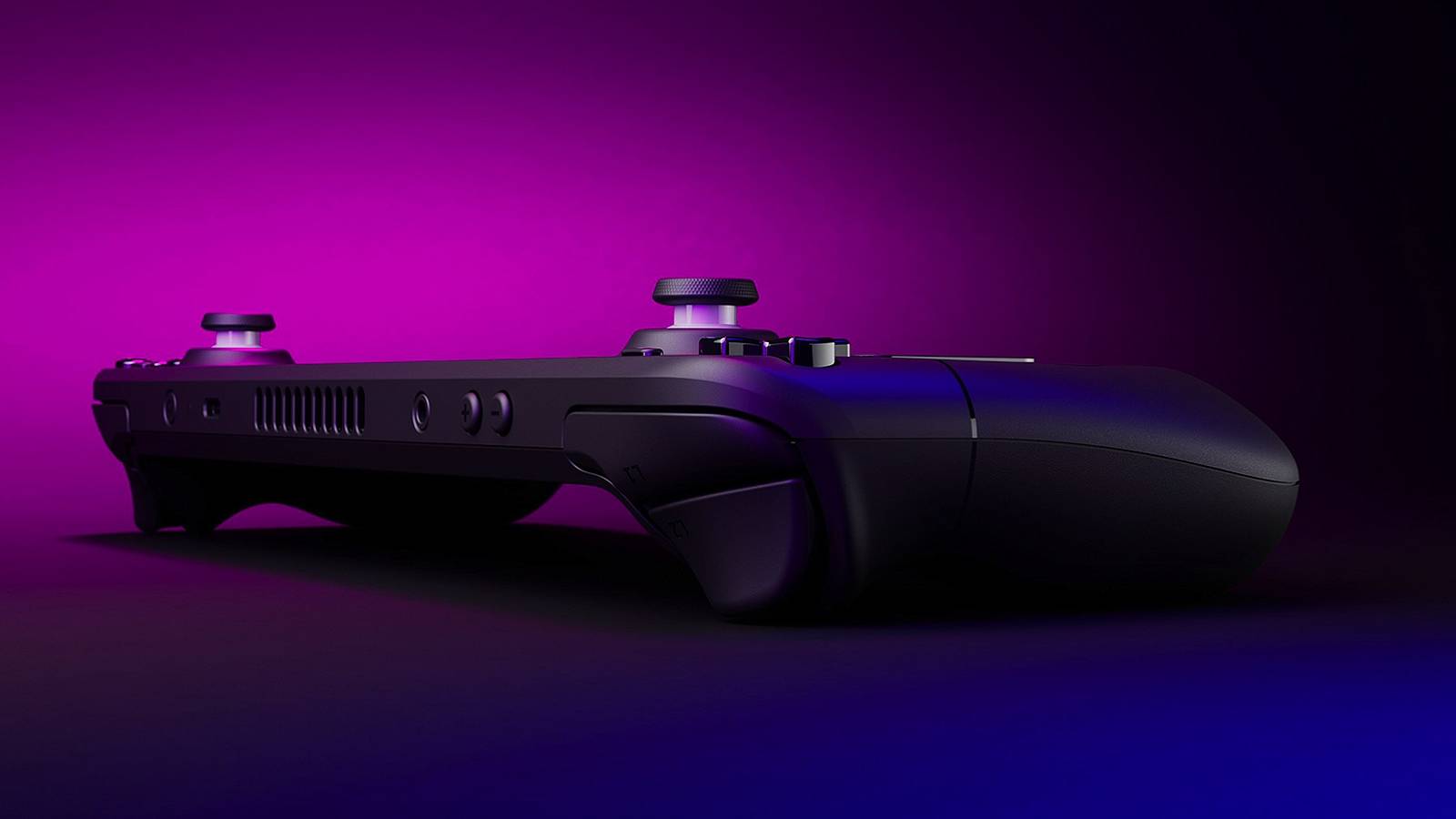
The Steam Deck 2 remains one of the most anticipated pieces of hardware Valve could release, but getting the timing right is becoming increasingly important and difficult to navigate. Valve’s original Steam Deck also succeeded partly because it hit a compelling price point, giving players enough performance without trying to compete directly with the most expensive handheld gaming PCs, and the ongoing RAM crisis has weakened that approach.
Based on past comments, Valve has never seemed particularly interested in making a Steam Deck 2 that is simply a little faster than the original. The company has repeatedly said it wants the next Steam Deck to deliver a meaningful generational improvement, not just a slightly better version of the existing machine. The problem is that the hardware market has become considerably less friendly to that goal.

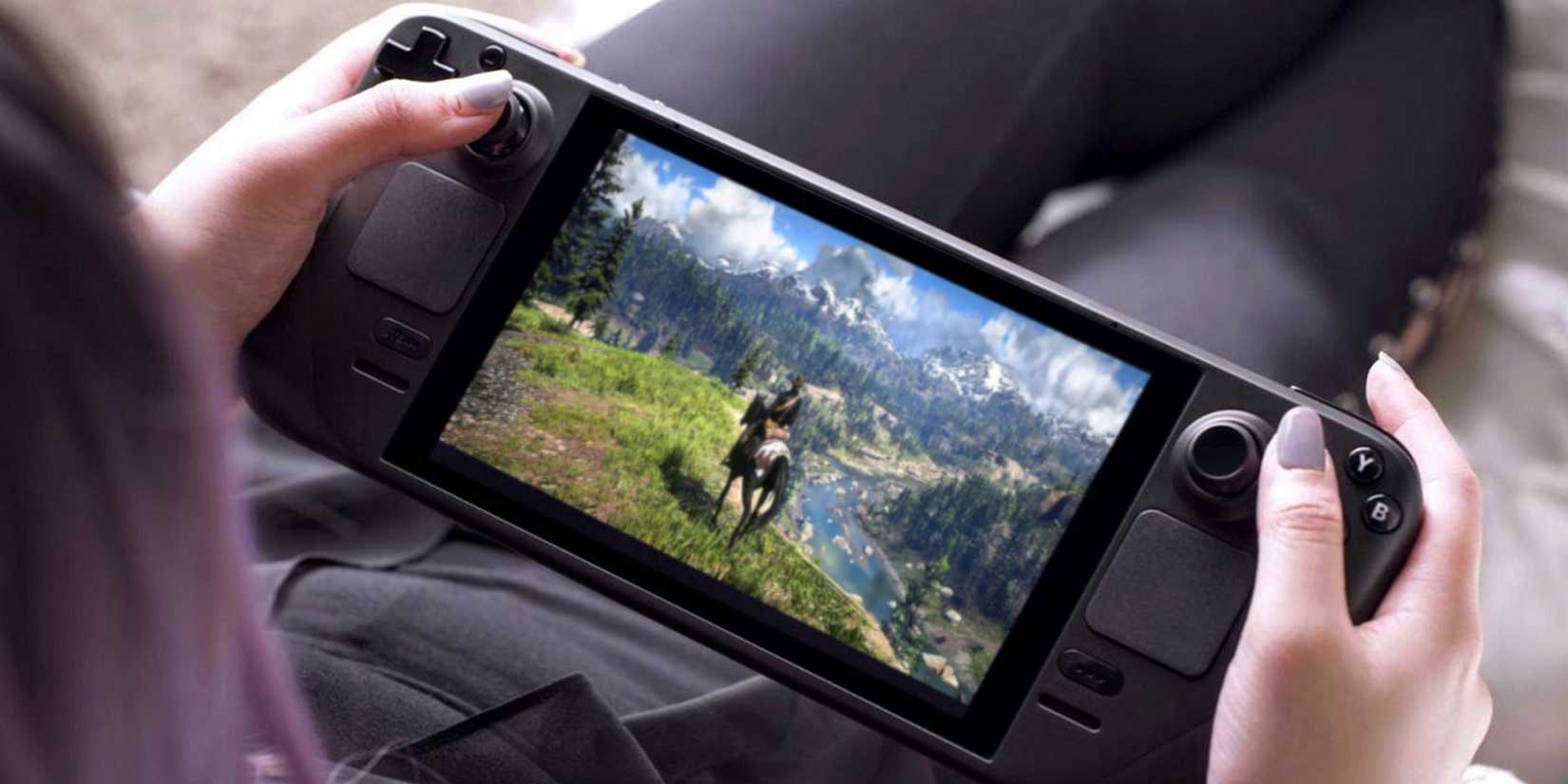
More powerful handheld gaming PCs have arrived since the Steam Deck launched, proving that the technology for a substantial upgrade is already available, but those devices also tend to come with substantially higher prices. IGN recently asked developer Pierre-Loup Griffais whether the ongoing RAM crisis has changed Valve’s original plans for the Steam Deck 2, and Griffais indicated that it has not. Valve is still pursuing the same goal of delivering a significant performance improvement, although the current hardware market could affect when that becomes practical. In Griffais’ own words,
“We’ve talked before about how we want to make sure there’s a very delineated performance improvement for something like a future Steam Deck…It’s just a matter of looking at the current conditions and seeing how and when we can deliver something like that. But from what we’re working on, as far as the user experience goes and what the product that we’re trying to build is, it’s very similar goals.”


Build your perfect top ten one reveal at a time.
Swap two picks?
Pick two spots to swap before locking in your final ranking.
The Steam Deck 2 appears to be stuck in a familiar hardware dilemma that’s impacted recent releases, as well as upcoming ones like Sony’s PlayStation 6: Valve needs the technology to improve enough without the cost of that technology getting out of control. The ongoing RAM shortage has already contributed to higher prices across the hardware industry, affecting everything from graphics cards to consoles and even the existing Steam Deck. Valve has shown with its newer hardware that it is willing to pass some of those costs onto consumers, but Steam Deck 2 is a particularly difficult product in that regard because affordability has always been one of its biggest advantages.
-

-

-


Valve has released several new products in 2026, including the Steam Machine, that have demonstrated that the company isn’t opposed to shipping expensive hardware (especially when the technology demands it). Steam Deck 2 is different, though, because a high price could undermine the very reason many players are waiting for it. Reports that demand for the current Steam Deck has fallen after its 512GB OLED model rose from $549 to $789 only make the prospect of Valve launching an expensive successor more complicated.
For now, the Steam Deck 2 appears to remain a matter of when, not if, although Valve still isn’t stamping anything. The company continues to want a Steam Deck 2 that feels like a genuine generational leap, and that goal apparently hasn’t changed despite the worsening hardware market.
