





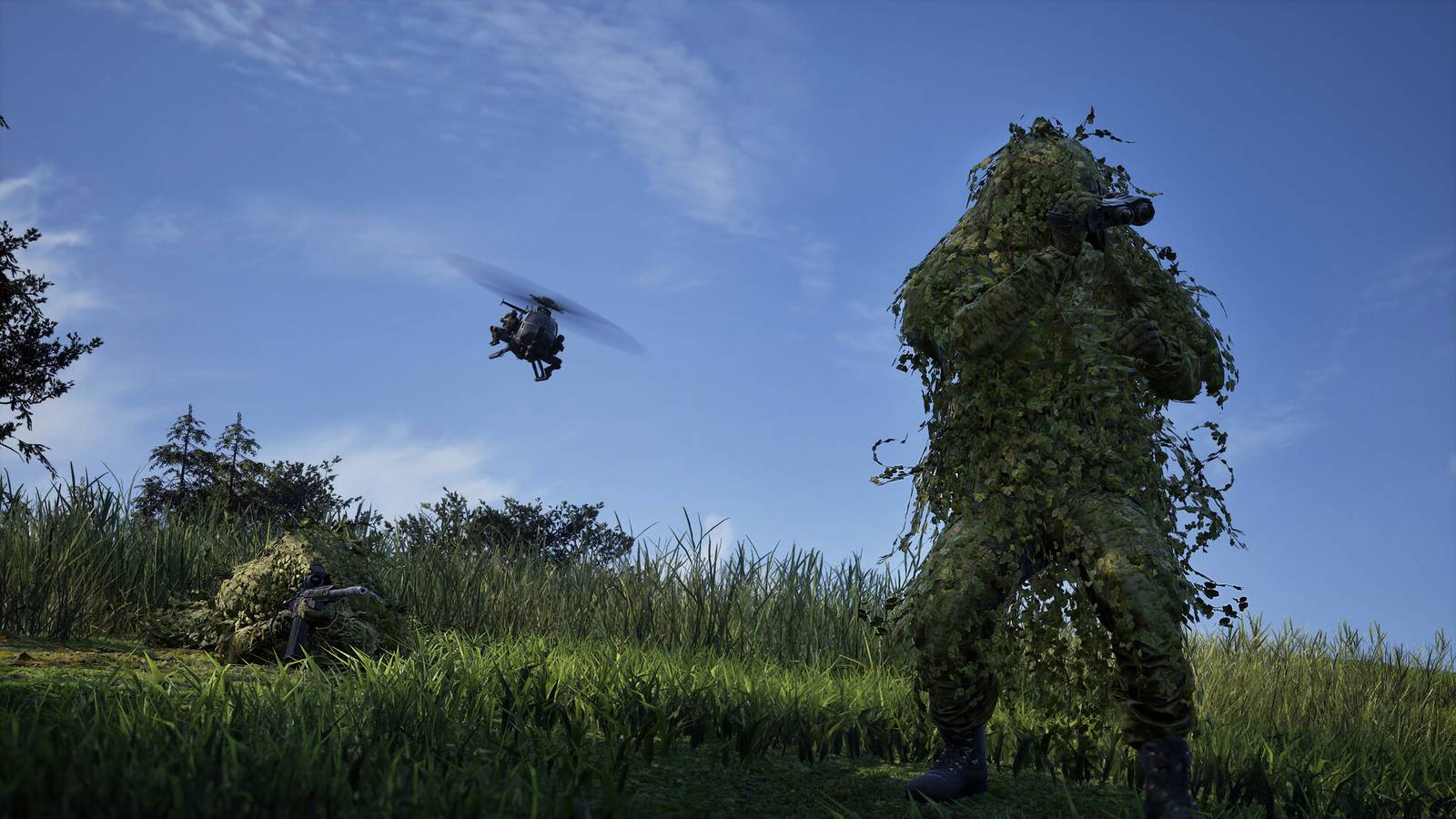
Bulkhead CEO and Wardogs producer Joe Brammer recently caught some flak for comments he made on The Game Business, an interview show covering games development. After covering Wardogs‘ success and Bulkhead’s complicated history with Tencent, Brammer defended and ultimately endorsed the phenomenon of “crunch,” one of gaming’s most controversial practices.
Crunch has long been criticized by game developers and consumers as inherently anti-worker. The practice can be broadly defined as coerced or mandatory overtime, to an extreme degree. In the most notable cases, like the development of The Last of Us 2 and Red Dead Redemption 2, developers have reported working 7-day weeks, going days without seeing their children, or spending nights in the office. Crunch can often become exacerbated in the weeks or months ahead of a game’s launch, a period some call the “death march.” This kind of excessive, forced overtime isn’t exclusive to the games industry, but some of the quirks commonly found in large games companies, like the tendency to fire mass swaths of overworked employees after a game’s launch, make it a more sensitive topic.
-
-

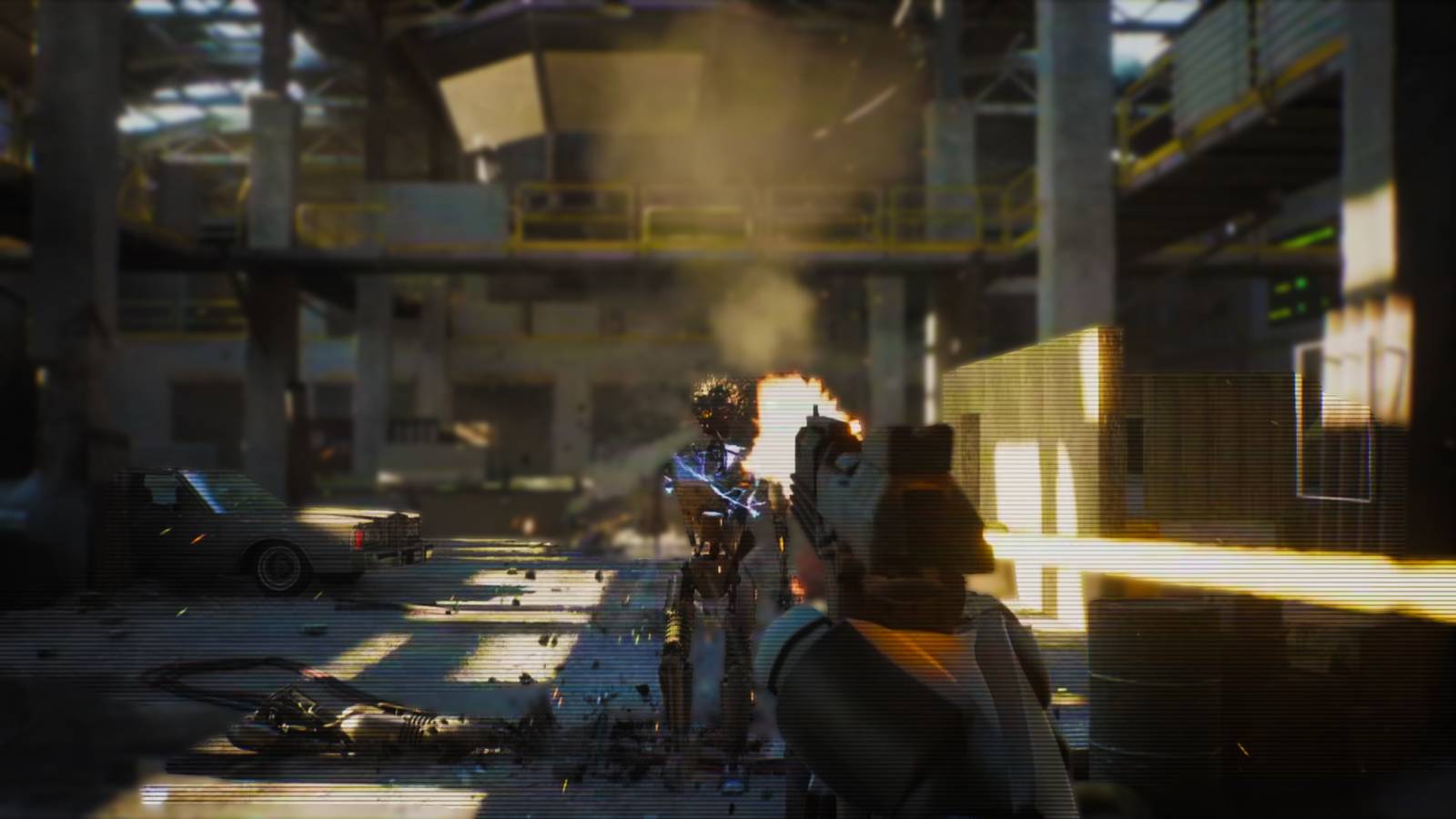
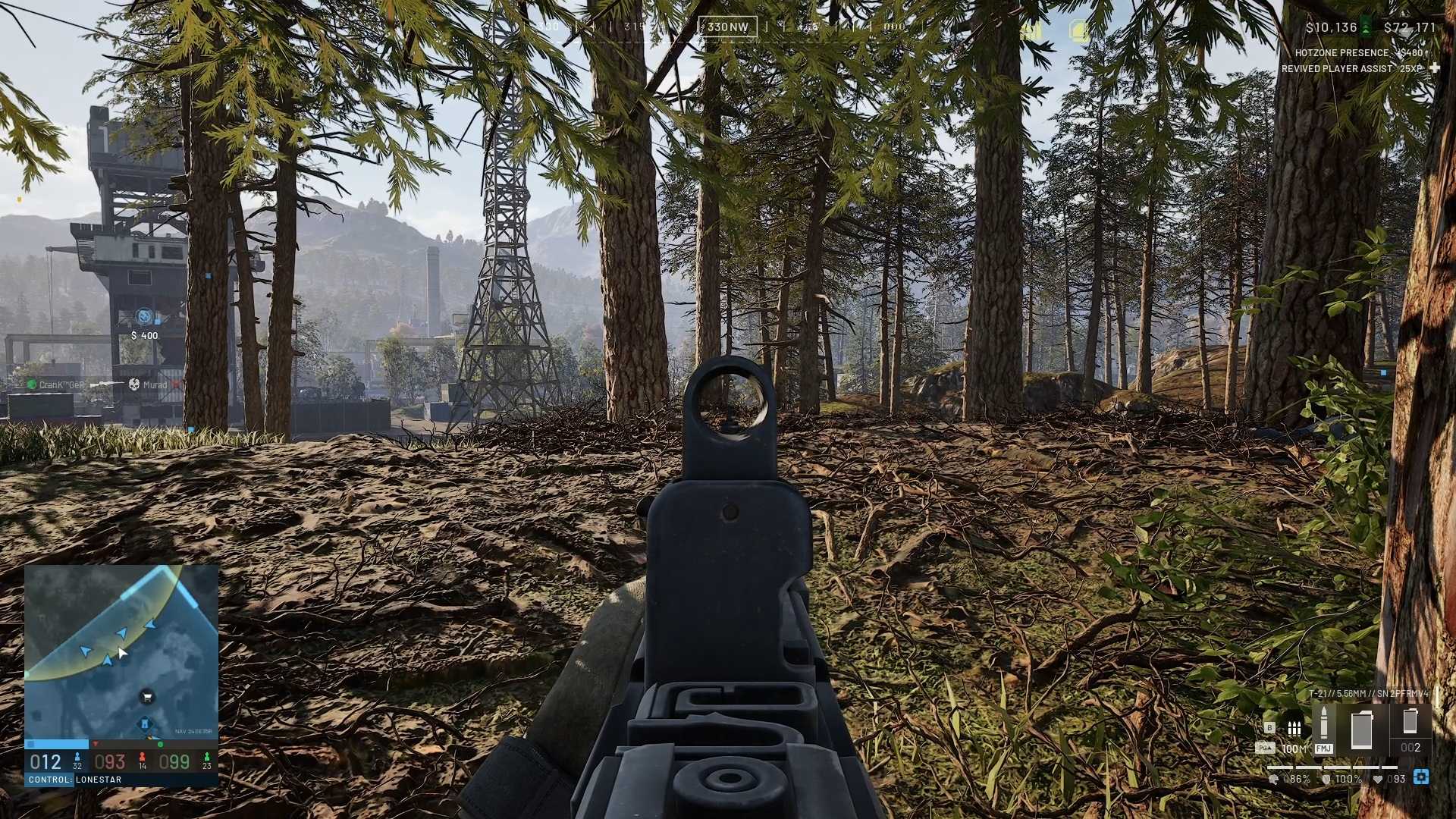
Wardogs Tower Image via GameRant; Source: Bulkhead -


Brammer and his proponents have argued that his stance on crunch has been mischaracterized or taken out of context, so I’d like to present a few full quotes from The Game Business interview in question:
“A lot of people who may have an issue with crunch—rightly so, I understand that issue, we always try and avoid it, but we don’t hide that this is going to happen at some point—they often don’t make it in the door. Because we want to be known for that: this is a place you come to work hard. If you care about the work you’re making and the result of what you make here, you’ll feel really valued. If you don’t, you will feel slave-driven,”
Brammer’s implication that those who don’t like crunch don’t care about the quality of their work is only one of his more fascinating opinions. Just before this, and after bemoaning “restrictive” UK labor laws, he described his broader crunch philosophy:
“In terms of defining what it is, I always use the analogy of life being a balancing act, and sometimes, you know, if you ask someone to mimic balancing, they will put two hands out like they’re on a tightrope. But really, it’s more like this [he pantomimes weight-shifting with his hands]. And for the last three months, Wardogs has been more important than a lot of [developers’] family lives, because that’s what pays the money for them.”
After explaining how Wardogs developers had to neglect their families in order to continue earning income, Brammer revealed the counterweight: the studio still plans to release the console version of Wardogs in 2028, despite “everyone pushing us to get console out earlier.” The implication here is that Wardogs developers are being spared additional crunch as a reward for participating in previous periods of crunch.
At any rate, Brammer would go on to double-down on his pro-crunch stance, saying, “We will check people’s socials, and if you’re constantly tweeting anti-crunch messaging, we know that, and we’re like ‘look, we know you’re not going to be happy here, so we’re not going to go with you.'” For many, this admission of screening social media for “anti-crunch messaging” is the most distasteful part of Brammer’s Game Business appearance.
As previously stated, Brammer has since disavowed “out of context articles” about his interview, publishing this Tweet on September 15:
Of the five points Brammer raises, I’d like to focus on just the first two: other perks of working at Bulkhead, like a temporary 4-day work week or having December off, are not relevant to the discussion of crunch. Brammer’s primary concern (echoed by the Community Note and Wardogs fans backing him up) is that he never used the term “mandatory” when talking about crunch. This is quite true, but also mostly semantic. If you say that crunch is “going to happen at some point,” and that you won’t hire someone who expresses “anti-crunch” opinions, then you don’t need to say that crunch is mandatory at your studio. It simply is.
Like Brammer’s other points about the supposed non-crunch-related benefits of working at Bulkhead, the claim about employee ownership is mostly, but not entirely, irrelevant. Criticisms of crunch culture focus on work-life balance and general well-being, not monetary compensation. But to be fair, giving employees a piece of the pie, as it were, makes crunch marginally more acceptable. After all, this suggests a scenario wherein workers are being proportionately compensated for their increased efforts.
However, Brammer’s statement that “80% of the shares in Bulkhead are owned by 50% of the staff” is so vague that it shouldn’t be taken as evidence of anything meaningful. Without more information about Bulkhead’s total employee count, management structure, vestment approach, et cetera, we can’t verify the implied, underlying message of this claim: that Bulkhead is some sort of progressive corporate ideal of collective ownership, to the extent that its crunch culture is negligible.
The Crunch Conversation Goes a Lot Deeper Than Wardogs, Bulkhead, and Brammer
-

-

-

Whenever someone defends crunch, they usually form an argument along the lines of “this is just what it takes to make high-quality, ambitious games.” It’s not much of a leap to assume that Brammer generally agrees with this sentiment, not only because of his aforementioned comments, but also because of Wardogs‘ clear success so far. Just like in the case of Red Dead 2, The Last of Us 2, Elden Ring, or any other critically acclaimed game whose development involved notable amounts of crunch, the results seem to justify the working conditions.
But this is confirmation bias, plain and simple. Red Dead Redemption 2 had crunch, but so did Anthem; Elden Ring had crunch, but so did Redfall. The notion that crunch somehow guarantees a high-quality, commercially successful product is demonstrably false. Conversely, hit games like Hades 1 and 2, Animal Crossing: New Horizons, and PowerWash Simulator were all reportedly made without notable or forced crunch, so we know the practice isn’t a prerequisite for quality, either.
This is to say nothing of the motivations behind forced crunch periods, which are usually not related to the artistic integrity of a given product, but rather the deadlines imposed by shareholders expecting an on-schedule ROI.
But forget all of that. Assume, for a moment, that what the pro-crunch crowd argues is undeniably correct: crunch is a practical reality of game development that’s necessary for great, blockbuster projects to make it to the finish line. I love, for example, Red Dead Redemption 2, but at the end of the day, it’s only a piece of entertainment. No single work of entertainment, no matter how powerful, is worth more than a single person’s well-being. By perpetuating crunch, AAA studios and publishers are, knowingly or unknowingly, working against that maxim.
To have a meaningful discussion about the impact of crunch, studios, publishers, investors, and consumers need to stop thinking primarily in commercial terms. Instead, we all need to interrogate the concept through a humane, social lens. If we determine that a solid multiplayer shooter or profitable adventure game is worth missed birthdays, poor sleep, and declining mental and physical health for countless developers, then so be it. But there’s no world where a studio can endorse or even celebrate crunch while simultaneously patting themselves on the back for being a great company, or a swell place to work “if you care about the work you’re making.”



- Released
-
August 10, 2026
- Developer(s)
-
Bulkhead
- Multiplayer
-
Online Multiplayer, Online Co-Op
- Number of Players
-
Single-player