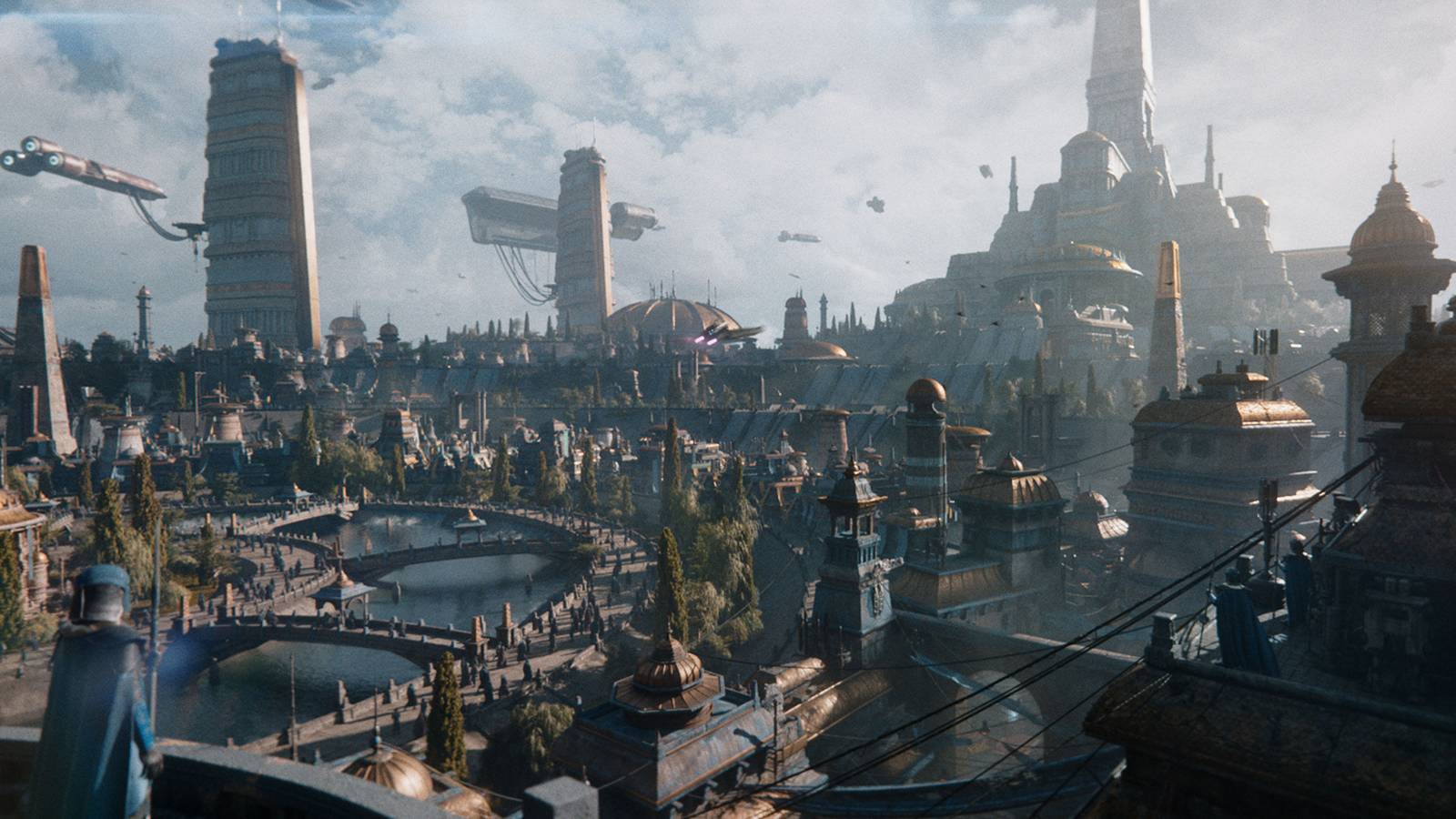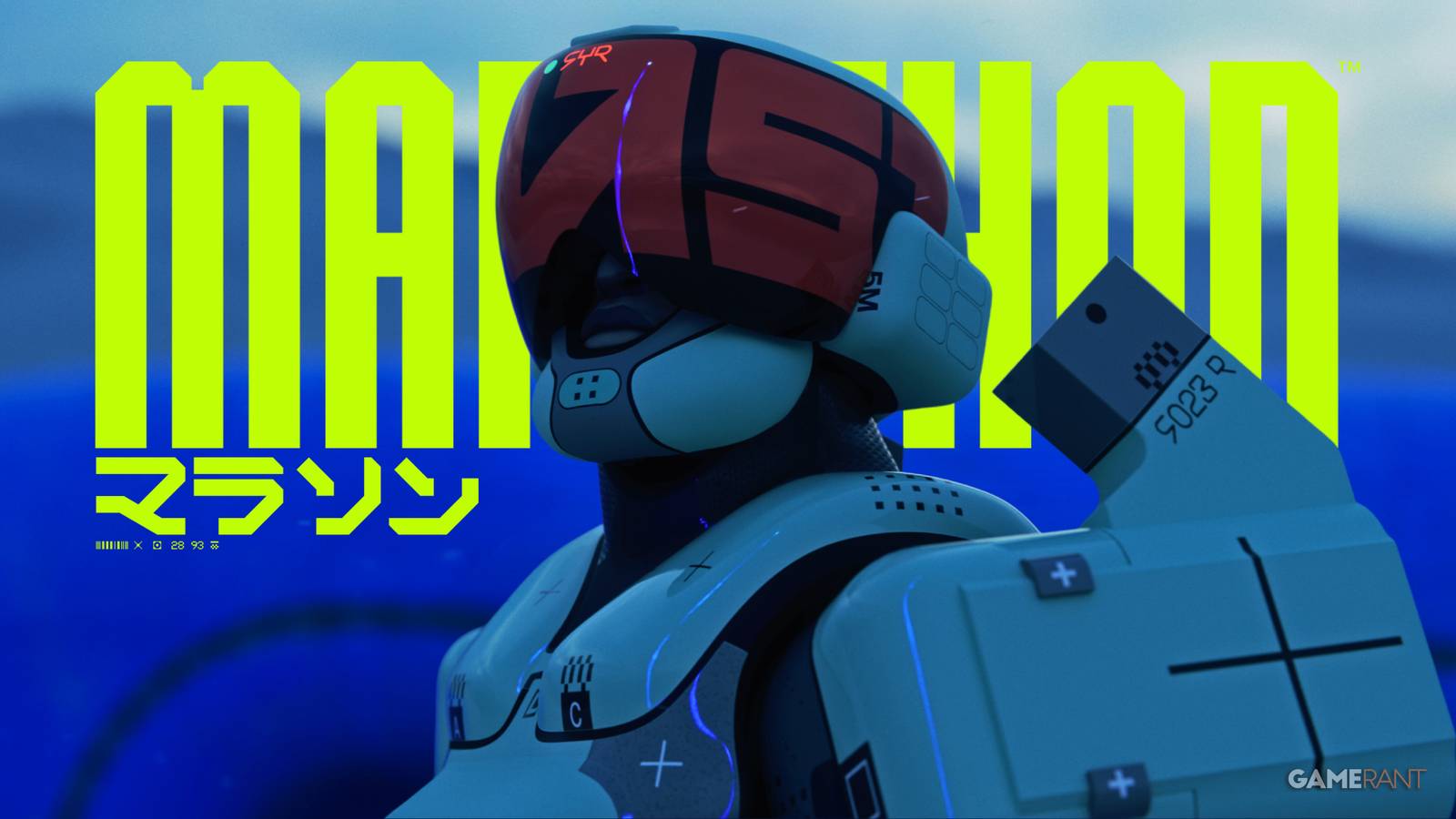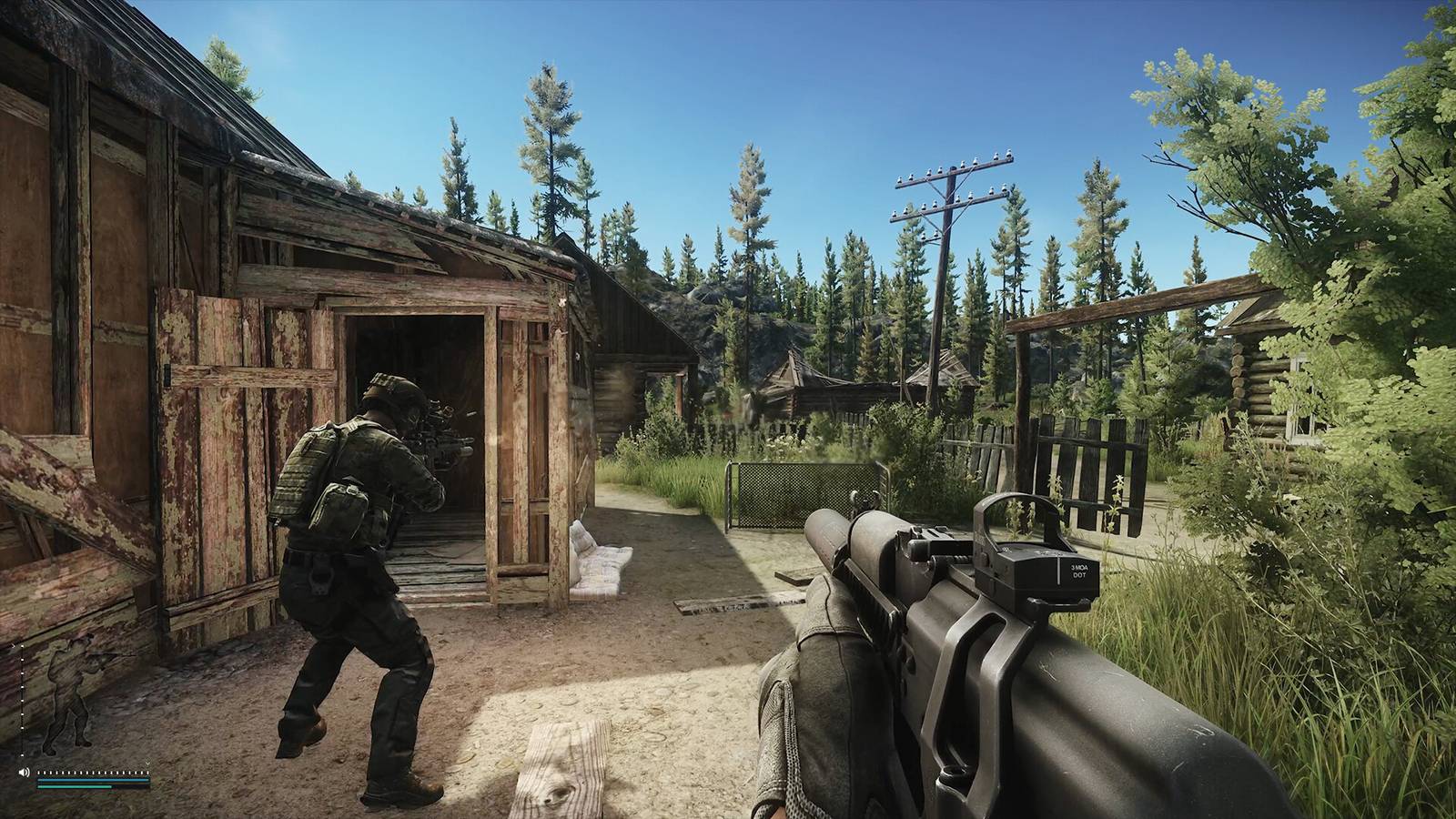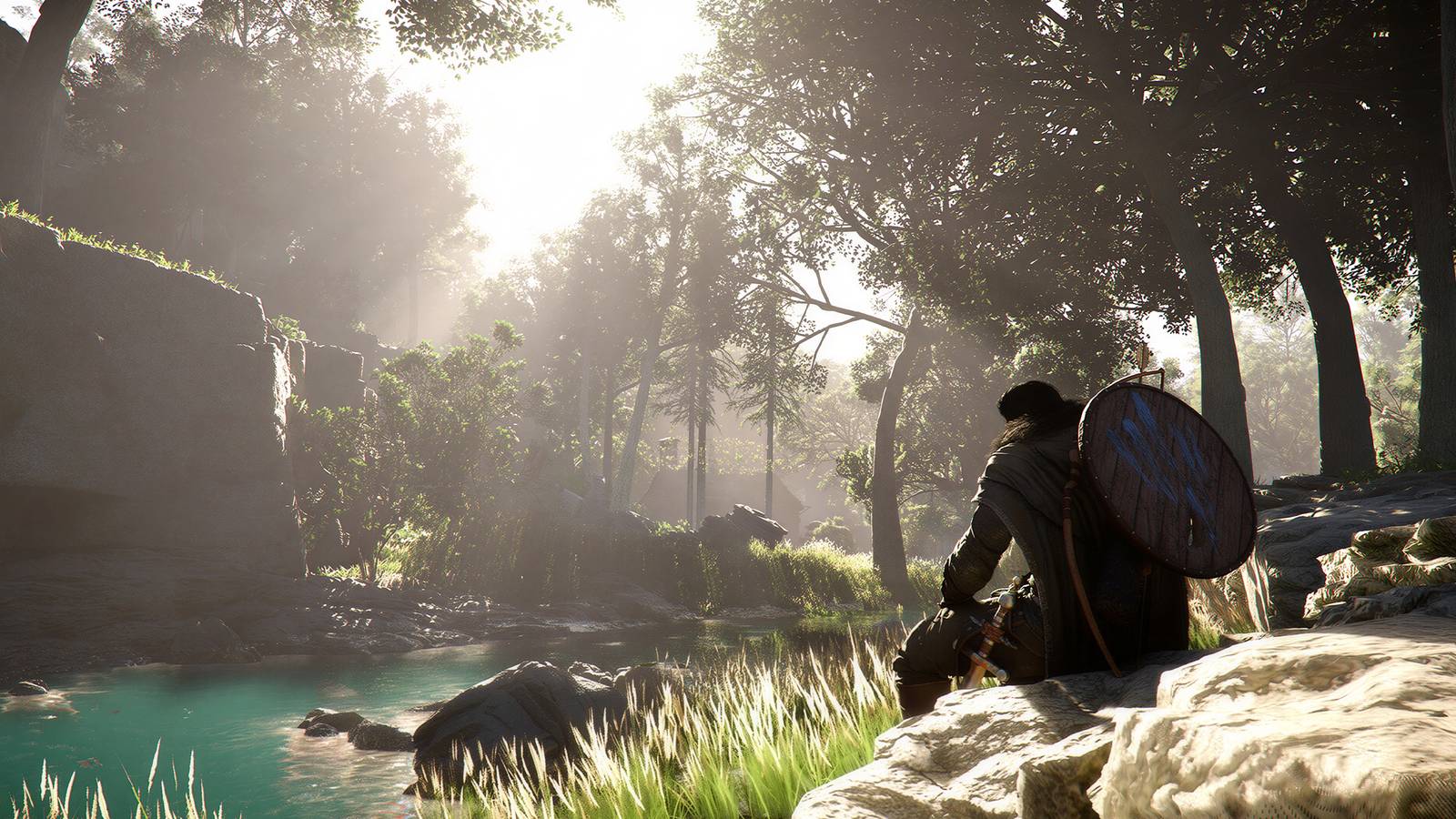



Before we had the likes of Dreams and Roblox, we had Garry’s Mod, an open-source game development platform built within Valve’s Source engine. Garry’s Mod came out in 2006, just when Valve was at the height of its game-making powers, having released classics like Half-Life 2 years earlier, and on the cusp of releasing the first Portal, my personal pick for best-ever Valve game.
Garry’s Mod represented the height of game-making tech in the mid-2000s, and by putting this tech in the hands of video game consumers, countless fantastic creations were spawned. Gmod developers made (and continue to make) adventure games, multiplayer shooters, and animated films, often featuring characters and iconography from Valve games of the era. In short, it was quite a sight to behold, and you can still make the most of Garry’s Mod by downloading it on Steam (it’s only about $10). However, it’s also a little long in the tooth at this point, especially since the original Source engine has been replaced by Source 2, a more advanced platform used for newer games like CS:GO 2 and Deadlock. Thankfully, Mr. Garry Newman himself, the eponymous creator of Garry’s Mod, is taking the next big step with s&box (pronounced “sandbox”).
Newman’ studio, Facepunch Productions, is also well-known for developing Rust.
Upcoming Games With Expansive Worlds
These upcoming games promise to deliver some of the biggest and most detailed virtual worlds ever seen.
Garry’s Mod Creators Are Coming Back With s&box
At its core, Garry’s Mod has always been about freedom. It’s not a video game in the traditional sense, but rather a virtual playground that leaves creation in the hands of its participants. But while its modern-day equivalents, like the aforementioned Dreams, are more about engaging in the creations of others, Garry’s Mod makes creativity the main focus through easy-to-use methods that range from rudimentary, like summoning vehicles and guns, to complex, like penning your own Lua scripts from scratch. These accessible and flexible tools are what set Garry’s Mod apart from other, similar games.

Find all 10 pairs
Find all 10 pairs
Regular Cover ArtClean Cover Art
This is precisely what s&box is attempting to recreate: an open-source platform robust enough to make full-fledged games. But Facepunch has been very careful to avoid words like “sequel” when discussing s&box, opting instead to think of it as a spiritual successor, or perhaps something much more than that. Here’s what the official s&box blog has to say about the project:
“s&box isn’t Garry’s Mod 2. It’s built to eclipse what was possible before — not just modernise it. We’re using Source 2 and everything we’ve learned from Source 1, Garry’s Mod, Unity, and Unreal to create a modern, intuitive, moddable game development environment. Like Rust and Garry’s Mod, this is a long-term project. We’re building the platform we want to use ourselves — something we’ll work on and improve for the next couple of decades.”
Of course, this is a lot of marketing-speak, as it were: you would expect Facepunch to sell its Gmod successor as a generational leap. But there’s a good bit to dig into here as well, as this elevator pitch is seemingly backed up by everything we know about s&box so far. The claims about learning from Unity and Unreal Engine stand out to me in particular, as this seems reflected by the s&box editor, which is a much more streamlined and intuitive interface, taking clear inspiration from these other leading engines. Potentially even more significant is the shift to C# and away from Lua: C# is considerably easier to learn than Lua, and is also much more common in modern game engines like Unity. C# is also easier to learn if you know other C languages, which could lead to an even greater influx of new developers within the S&box ecosystem.
You’ll Be Able to Make Money on s&box
One of the most compelling and potentially risky parts of s&box is its approach to monetization. Those who create games on the platform will get a share of a daily “pool of money… based roughly on clamped individual player hours.” Facepunch is keeping the specifics of its engagement algorithm secret for now, but it sounds similar to the broad-strokes monetization strategies of platforms like YouTube, where user-generated content can net its creator money based on how much attention it gets.
This democratic monetization model could go a long way toward encouraging both creators and players to engage with s&box over a long period of time. Perhaps developers could, someday, make a comfortable living off the platform, like many YouTube content creators have done. This would not be the first game-making toolkit of its kind—Roblox offers a similar monetization model for its developers, but its proprietary Ogre platform is far less sophisticated than Source 2. Developers in s&box could, in theory, create deep and complex gaming experiences on par with successful standalone titles, facilitated by the generation of consistent income.
Of course, this is all quite theoretical, and it’s difficult to ascertain the plausibility of this model until we see it in action. But the vision presented by s&box, of a game creation platform with the flexibility of Garry’s Mod combined with the advancements in dev tech, is certainly alluring, and I’ll be rooting for it to succeed when it launches in a few weeks, on April 28.