



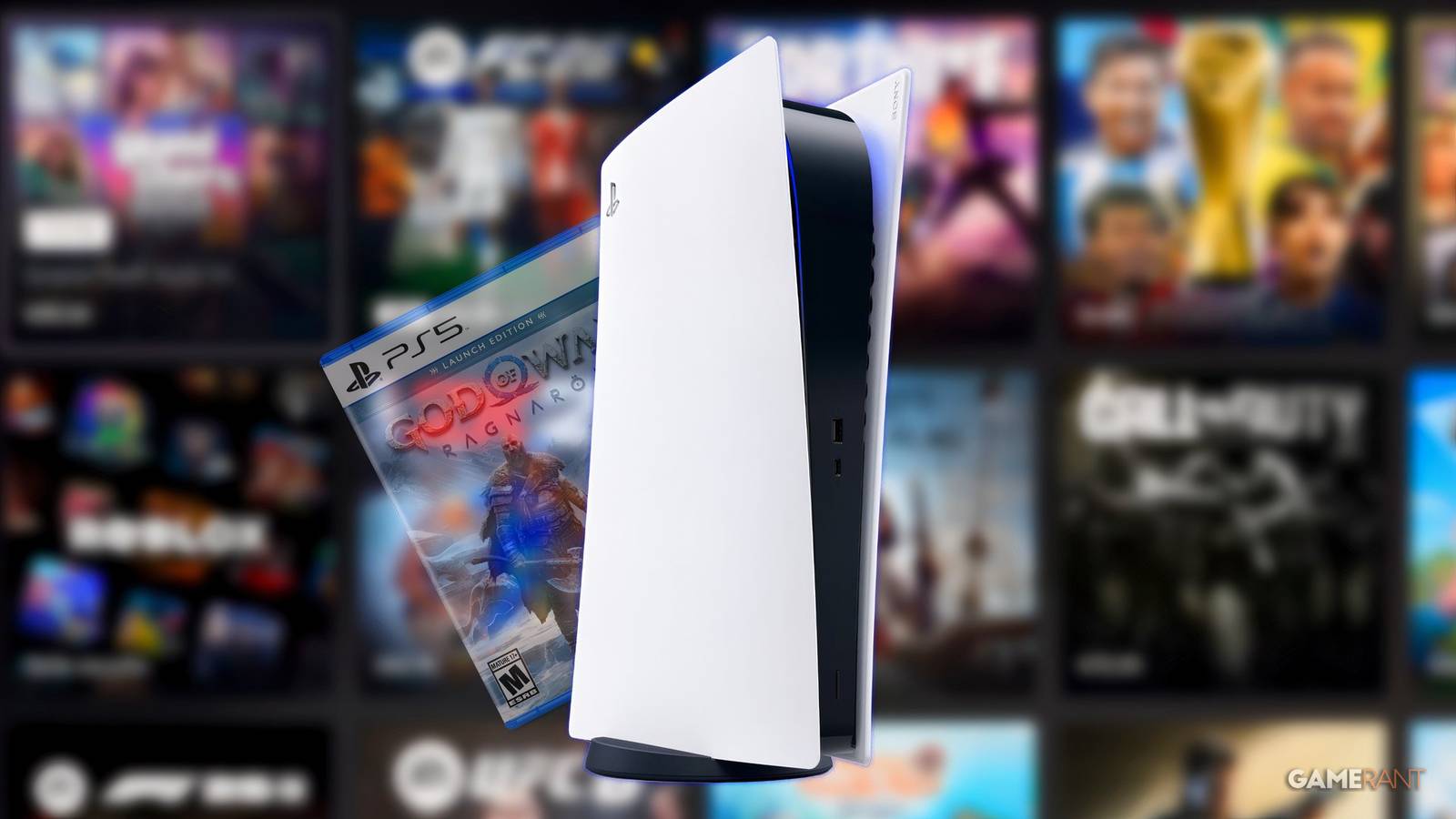
Well, Sony has triggered physical gaming’s armageddon. From January 2028, all PlayStation games will be digital-only. That’s it. We will never own another PS5 or PS6 game. At some point, the industry shifted onto the wrong timeline, and escape seems to be impossible.
With roughly 18 months before the end of times, hope remains that Sony might change course and say “my bad,” but that seems unlikely. After all, digital sales have long outpaced physical sales, and Rockstar even announced that GTA 6 will not come on a disc.
What does this actually mean for the future? Are there any positives to a digital-only PS5 or PS6? Should we be worried about the future of gaming? Should we take up knitting as a hobby instead?
Full disclaimer: I have nothing positive to say about this move, so be prepared for a lot of negativity.
Digital Ownership Is Just An Illusion
You Cannot Buy A Digital Game; You Can Just Own A License
Recently, Sony deleted hundreds of movies due to expiring licenses, offering no refunds to people who purchased them over the years. As Sony is determined to speed-run brand destruction, this move was not well received and, unfortunately, seems to foreshadow a dire future for PlayStation games.
Digital games are by no means a bad concept in a vacuum. They provide an accessible way to build a library, and they tend to go on sale relatively frequently. Also, if you happen to be someone who moves around a lot, a digital library simplifies matters considerably, as you would not need to carry boxes of games.
However, make no mistake: you don’t own digital games. Killing physical copies means players are no longer buying a permanent asset; they can only rent a service that could very well be revoked later down the line.
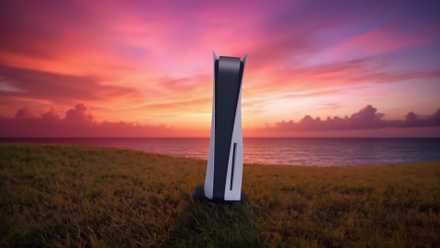

It’s Officially the End of an Era for PlayStation
PlayStation’s latest announcements signal the end of the physical era for games, as the industry continues to adjust to a new reality.
The Used Game Market Becomes A Thing Of The Past
The Safety Net Will Be Gone Entirely
Over the years, I’ve written plenty of articles about games delisted from digital stores, making it very difficult to purchase a copy of them. Driver: San Francisco, Spec Ops: The Line, King Kong, Splatterhouse, and The Operative: No One Lives Forever are merely a few examples, but their physical versions can at least be found on the used market. Sure, they might be expensive as heck, but the option is still there. Killing discs entirely eradicates the second-hand market.
Any PS5 or PS6 game released after January 2028 will not have that safety net. If they were removed from the PS Store, they would no longer be available for purchase in any form, dooming them to P.T.‘s fate. This practice is not only anti-consumer, but also anti-preservation and a prime example of why the Stop Killing Games movement is so important.
Every Game Permanently Shutting Down This Month
In July 2026, 6 games are officially shutting down their servers, bringing their lives to a permanent end. Play them now while you can.
The Current PS Store Might Not Last Forever
The PS3 And Vita Stores Are Currently Circling The Drain


Alongside this announcement, Sony also revealed plans to shut down the PS3 and PS Vita stores, with the process concluding in July 2027. Any purchased items should still be playable after that point, although for how long remains a mystery. While most big releases have physical versions, PS3 games like Tokyo Jungle and Infamous: Festival of Blood are digital-only, meaning you will no longer be able to purchase them once Sony shuts things down.
To ease the transition, players will still be able to download previously purchased content after the closing date for the foreseeable future.
Sony shutting down the PS3 store while simultaneously phasing out physical discs for the PS5 and PS6 proves exactly why fans are terrified of an all-digital ecosystem. Once the servers click off, games and gaming history disappear. Sure, the current PS store transcends generations, offering both PS4 and PS5 games; consequently, turning it off seems a bit more unlikely RIGHT NOW. However, who is to say whether that remains the case indefinitely?
SSD Bloat And Broadband Punishment
The PS6 Better Have A Gigantic SSD
Admittedly, this one is a bit of a smaller point, but it is still worth mentioning. Modern AAA games are absolutely massive, with some exceeding 100 GB. Unless Sony plans to ship the PS6 with a 5 TB SSD, a digital-only future means making some tough choices when installing games, as they will fill up storage space quickly.
Beyond that, plenty of people have slow broadband speeds or strict data caps that make downloading the latest Call of Duty a long and frustrating process. Physical discs aren’t exactly a perfect solution since many games come with massive Day One patches, but they definitely ease the pressure on the home internet to an extent.
Just some examples: God of War Ragnarok is about 190 GB, Black Ops 7 is roughly 180 GB, and FF7 Rebirth is roughly 155 GB.
The Death Of Video Game Preservation
Stop Killing Games


I’ve already mentioned this point, but it bears repeating in its own dedicated section, and it’s arguably the most worrying part of this whole ordeal. Video game preservation has been a hot topic for a long time, and we have yet to see any major positive steps. Digital-only ecosystems are the ultimate, inescapable death sentence.
If a publisher refuses to renew a music license, an actor’s likeness contract, or a brand partnership, a digital PS5 game can be permanently removed from the PS Store. Discs ensure a game remains playable decades after corporations abandon the software, something that is almost guaranteed to happen with each and every game. Currently, online-only games are most affected, but that will change once single-player PlayStation games become digital-only.
Let’s just hope console exclusives become a thing of the past and every game releases on PC.
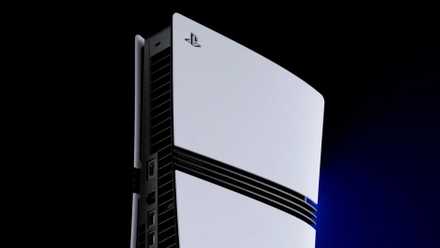
PS6 Will Reportedly Cost More Than the Steam Machine
New development information from a reputable insider points towards the PS6 launching next year at a price higher than the recent Steam Machine.