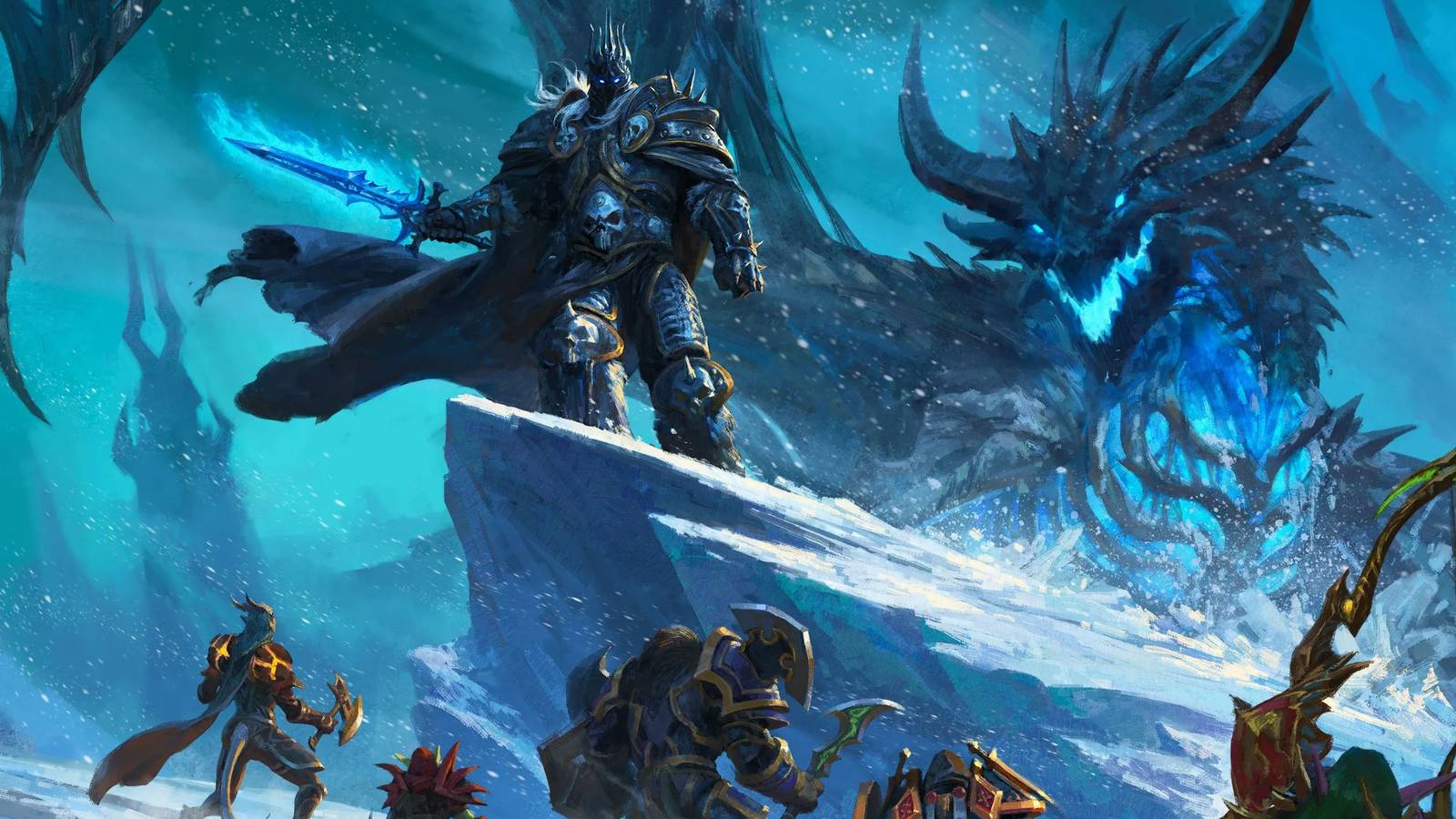


World of Warcraft has spent more than two decades giving players an enormous fantasy world to explore, but even a place as big as Azeroth has its limits. Every quest, conversation, and major story beat has to work within the choices Blizzard has built into the game. That is part of what makes its new Dungeons & Dragons crossover so interesting to me. D&D: World of Warcraft brings Azeroth to the tabletop, where a Dungeon Master can react to a player’s ideas on the fly. The gameplay expansion entered early access on November 3, with a wider release scheduled for November 17, 2026. Its biggest selling point could be the chance to experience a familiar world without having to follow a familiar script.
On paper, the crossover has plenty of recognizable World of Warcraft content. It includes rules inspired by all 13 MMO classes, 16 playable species, and seven reimagined dungeons, along with monsters and spells drawn from Warcraft lore. Those additions should make it easier for fans to feel at home, especially if they want to recreate a character they already know. But I find the storytelling possibilities much more exciting than the idea of rolling dice to fight an old boss. In the MMO, players are usually following stories someone else has written. At a D&D table, a party can head in an unexpected direction and see what happens next, provided its Dungeon Master is ready to run with it.
D&D Could Give World of Warcraft Players More Control Over Azeroth
-
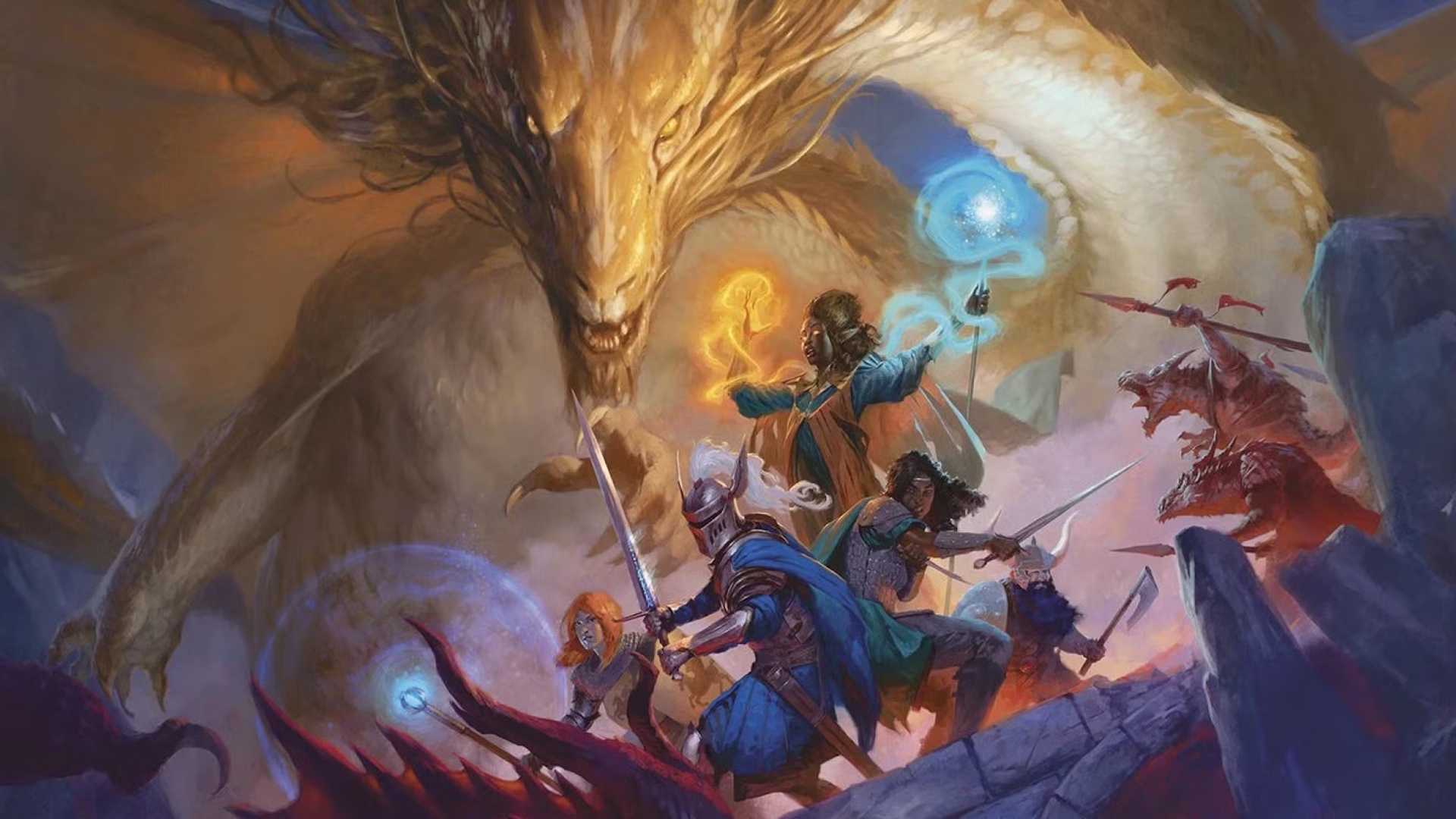 Image via Wizards of the Coast
-
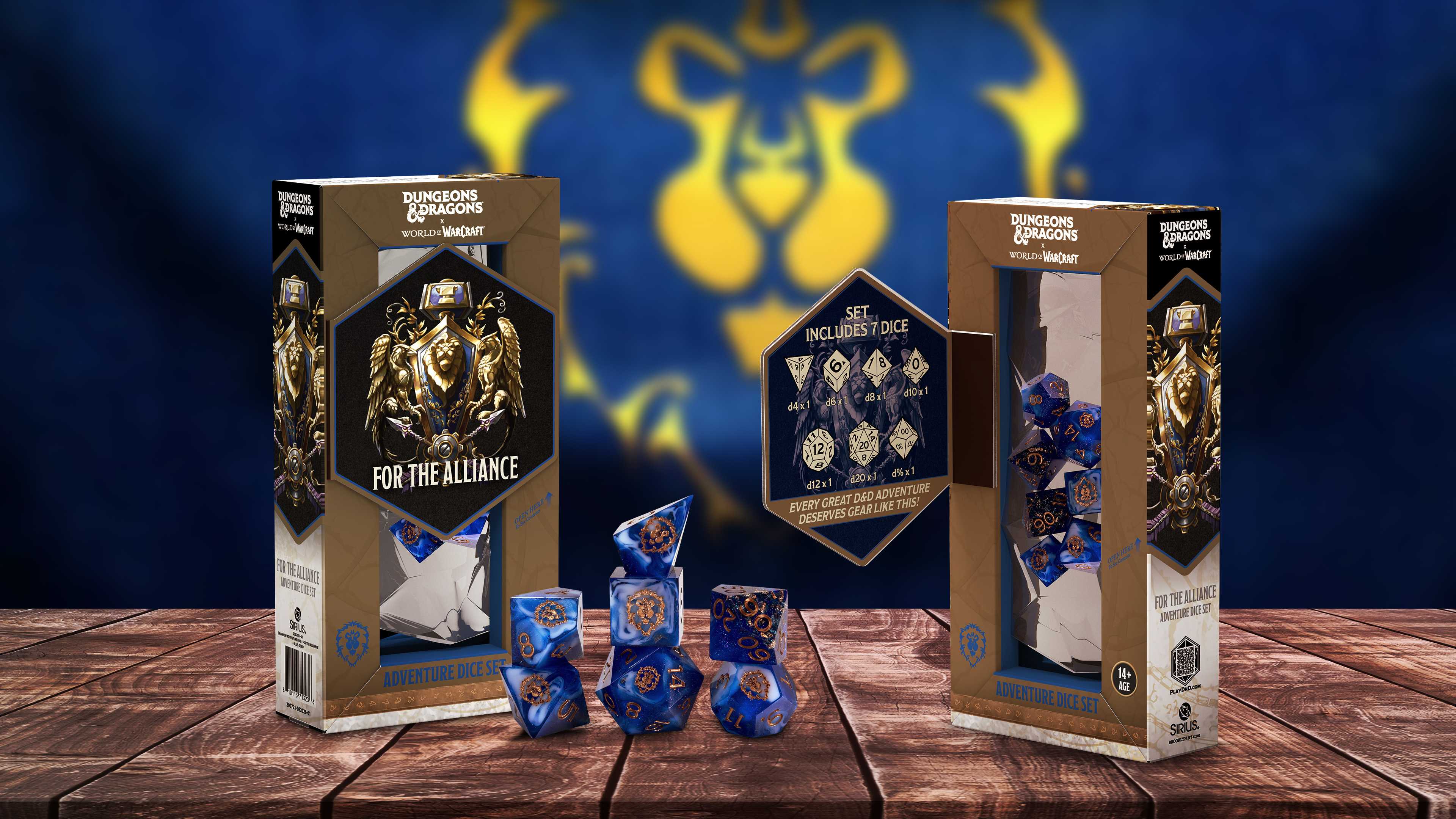
-
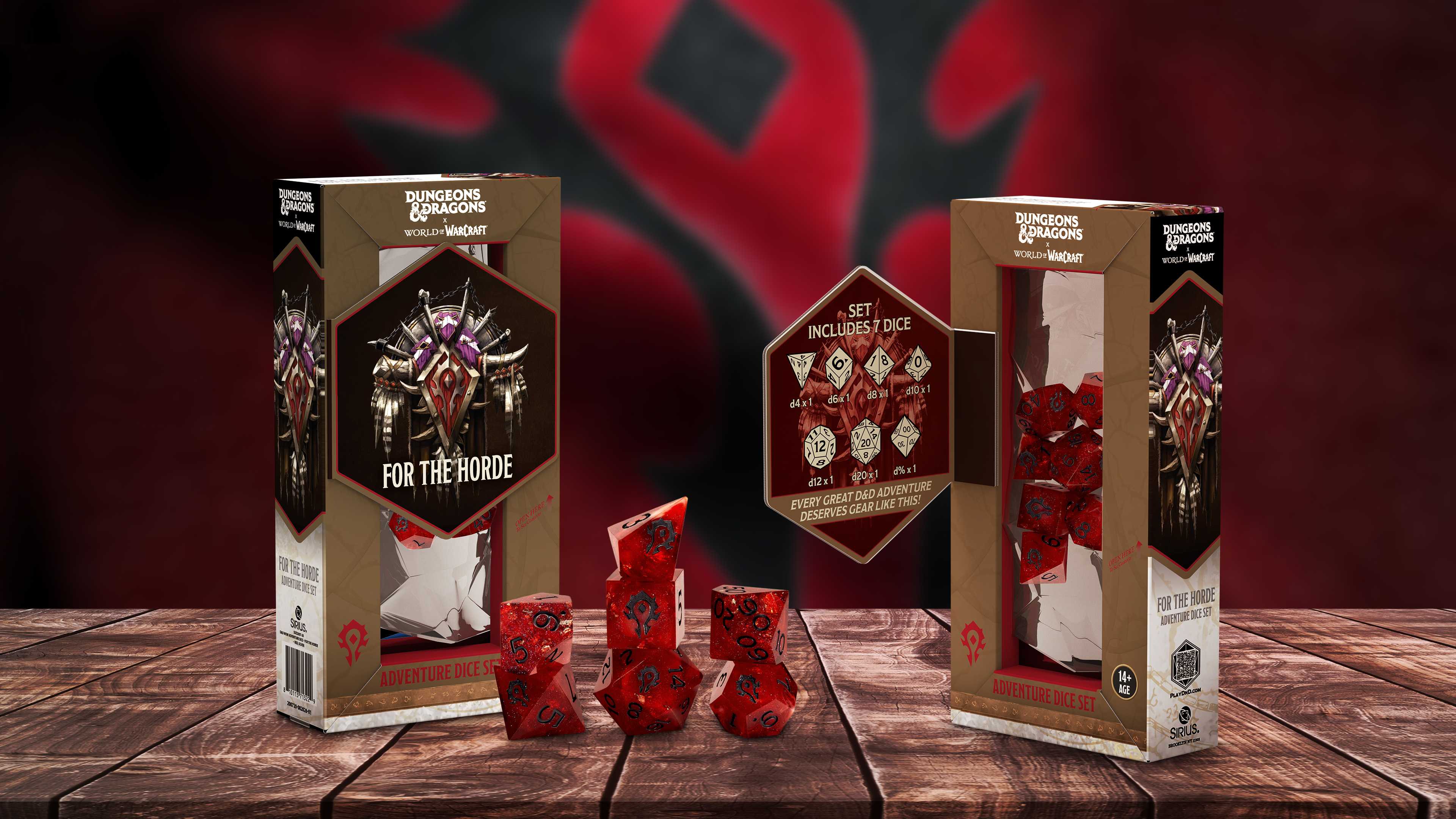
That freedom is something the crossover’s designers have discussed openly. Project lead James Wyatt has discussed that tabletop play lets people talk to characters and interact with things that a video game might never have anticipated. He also offered a great example: a Night Elf sailor who once ran a ferry between Teldrassil and Darkshore. It’s a small idea, but it immediately gives that character a personal connection to Azeroth’s history. The MMO provides memorable introductions for its playable races, yet those beginnings generally follow a set path. In a D&D campaign, a player can decide what their character was doing during a major Warcraft event and work with the Dungeon Master to explore the fallout. I’d love to see how differently people interpret places they already know when they can bring their own history into them.
Find the odd one out before the timer hits zero.
The same applies to the people players meet along the way. An NPC in World of Warcraft might offer a quest or a few dialogue choices, but there’s usually no option to ask an unrelated question or challenge the entire premise of the assignment. A tabletop group could decide to help the supposed villain instead, or spend an evening investigating something the Dungeon Master mentioned in passing. Naturally, that depends on the person running the campaign, and improvisation doesn’t guarantee every idea will lead somewhere interesting. Still, Azeroth can respond to the decisions players make, even when they go completely off script. That’s a huge opportunity for a setting with this much established history, because familiar characters could become part of stories that no one planned in advance.
Azeroth can respond to the decisions players make, even when they go completely off script.
One of the best places to see that potential is in the crossover’s dungeons. The expansion reimagines seven classics, including Deadmines, Scarlet Monastery, and Onyxia’s Lair, with material for Dungeon Masters to build encounters around them. I keep coming back to Deadmines because the Defias Brotherhood has a history rooted in grievances against Stormwind. In the MMO, players typically push through the dungeon and fight its enemies. Around a table, a party might investigate those grievances or try to broker a deal. There could still be a fight, of course, but the group would have more say in how it gets there. Game Informer’s preview confirms that the designers have considered approaches such as stealth and negotiation rather than requiring combat at every turn.

Faction relationships could make those choices even more interesting over a longer campaign. The book includes 23 factions with renown rewards, giving players a mechanical reason to build connections across Azeroth. According to PC Gamer’s preview, support from the Earthen Ring can eventually unlock powerful elemental assistance or travel options, while backing one faction can sometimes strain relations with another. That gives a Dungeon Master plenty to work with if a party tries to balance competing loyalties. I can imagine an Alliance and Horde group working together, only to discover that their decisions have made them unpopular with people on both sides. The MMO already supports cross-faction play, but at a table, the political consequences could be shaped by the group’s particular actions instead of a predetermined storyline.
World of Warcraft’s Best Stories Might Be the Ones Players Invent

There’s another exciting possibility here: a campaign doesn’t have to stick to one period of Warcraft history. Wyatt has explained that the book covers conflicts from different eras, and the Dungeon Master can use those events as a starting point. A group might revisit a familiar tragedy or choose to explore the years leading up to it. With the right campaign, players could even try to change an outcome that feels inevitable in the MMO. That doesn’t mean the expansion promises an official alternate timeline, and creating a convincing one would take work. But the idea of stepping into a moment of Warcraft history and being able to influence it is exactly the kind of freedom that makes tabletop roleplaying appealing to me.
I don’t think a D&D campaign could replace what makes World of Warcraft special. It can’t reproduce a massive online community or the feeling of charging into a raid with a whole group of players, and a great Dungeon Master isn’t something a book can guarantee. But that’s fine. The crossover has a chance to make Azeroth feel personal in a different way, especially for fans who already know its characters and locations by heart. I’d be far more interested in a campaign where my party’s terrible decision changes how a city treats us than one that simply retells a quest I’ve completed before. Warcraft has given players countless stories to experience. I’m excited by the possibility of seeing what happens when they’re trusted to make a few of their own.


- Released
-
November 23, 2004
- ESRB
-
T for Teen: Blood and Gore, Crude Humor, Mild Language, Suggestive Themes, Use of Alcohol, Violence (online interactions not rated)
- Engine
-
Unreal Engine