


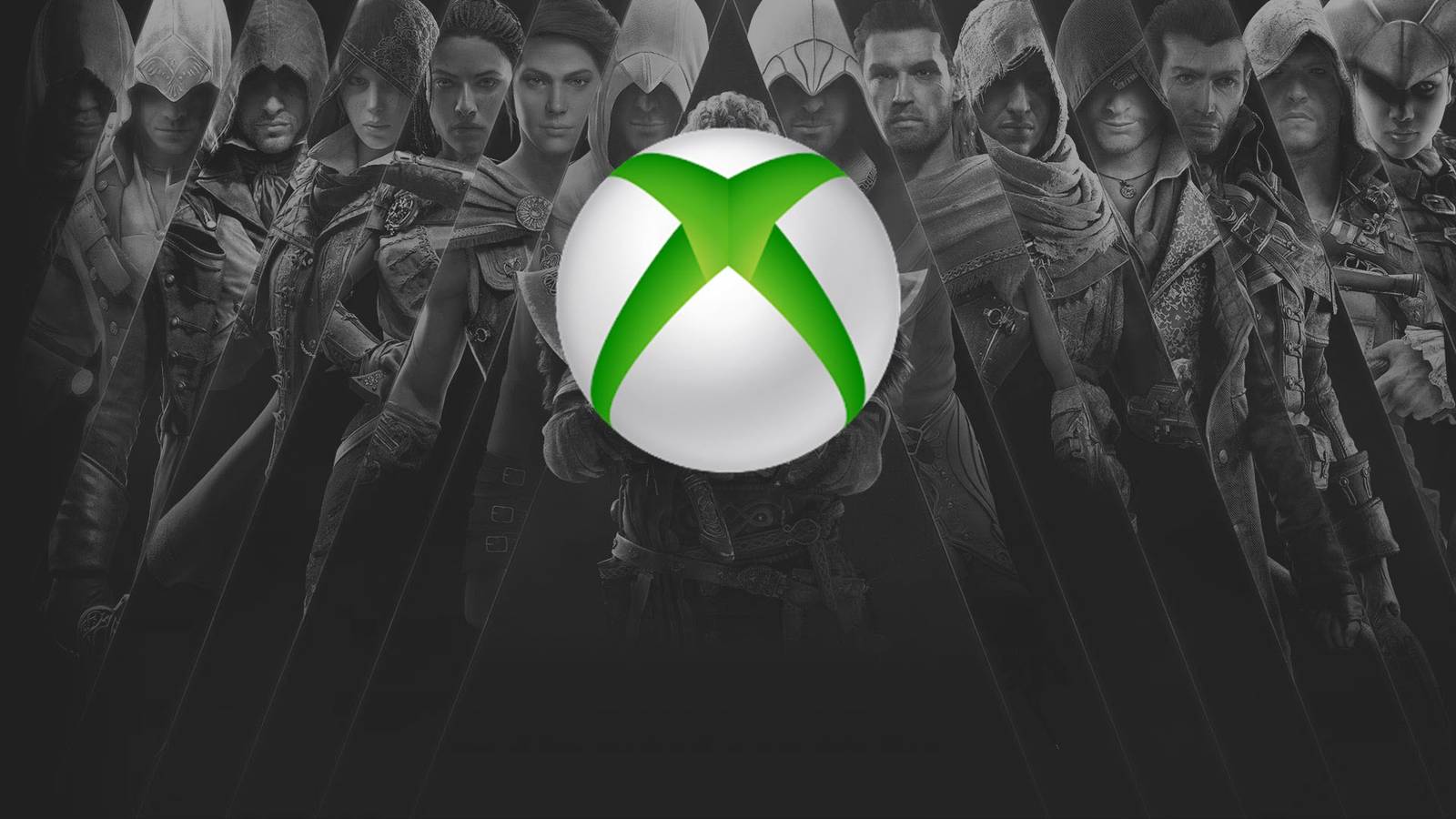
According to new reports, the Xbox One launch title, Ryse: Son of Rome was intended to be the start of a major franchise for Xbox, one that was likely going to be Crytek’s version of Assassin’s Creed. However, as fans know, things didn’t end up going in that direction, as the fortunes of the Xbox One and Crytek certainly went in different directions following the game’s launch while Assassin’s Creed continued to flourish.
Coming off of the massively successful Xbox 360 era, Microsoft seemingly wanted to cover all entertainment bases with its next console, the Xbox One. While still a video game console at heart, Xbox, and its then president, Don Mattrick initially presented the console as an all-in-one entertainment device, being “always on” and fully integrated with multimedia such as TV. The now retired and former Xbox boss Phil Spencer later criticized the messaging as confusing at the time, though at the E3 prior to the hardware’s launch, Microsoft pivoted to focus solely on its launch games including Crytek’s Ryse: Son of Rome.
Ryse: Son of Rome Was Supposed to Be A Big Time-Spanning Franchise
-
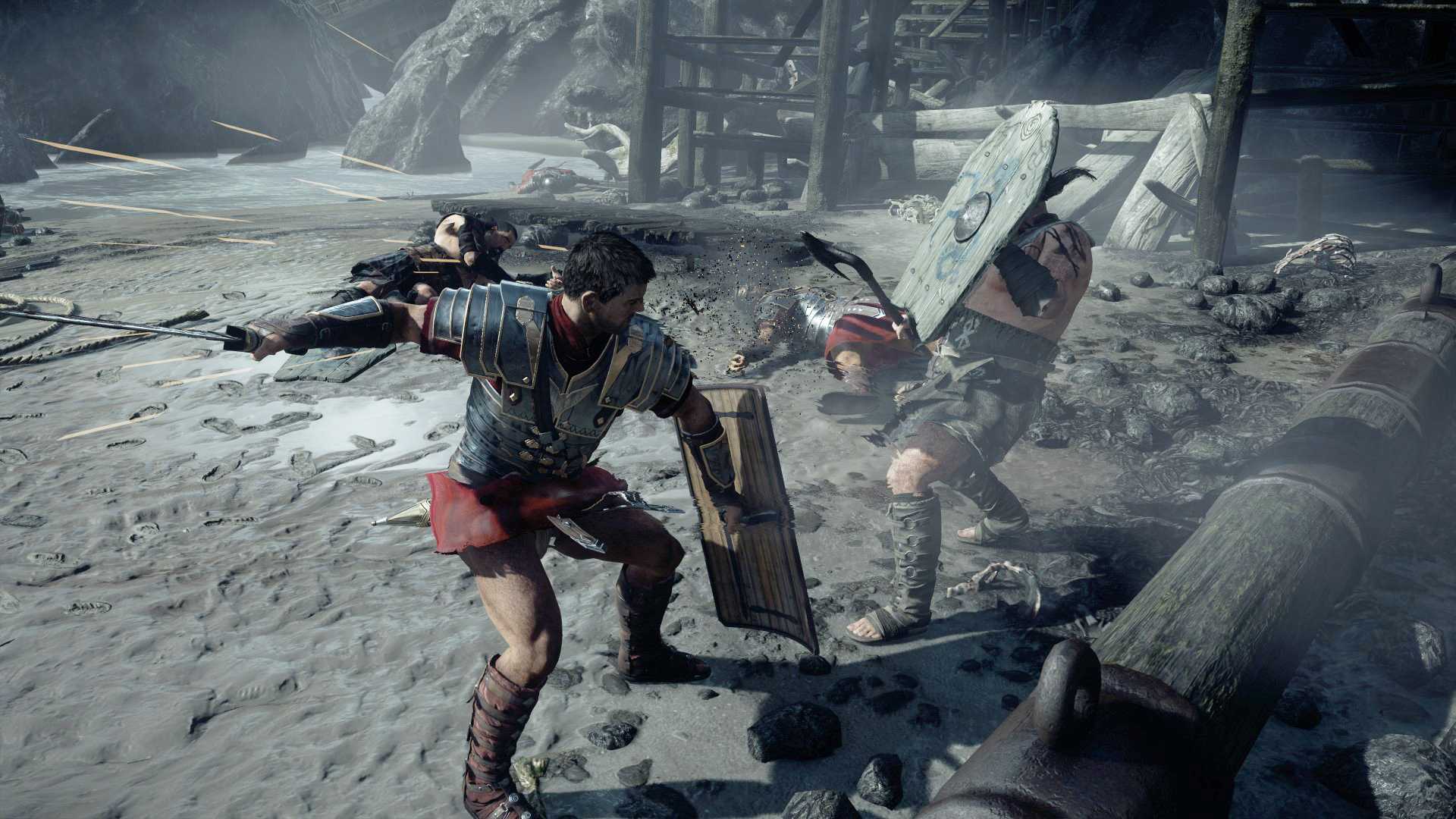 Image via Crytek
 -
 Image via Crytek
 -
 Image via Crytek
When it was first revealed, many were enthralled by Ryse: Son of Rome, a massively cinematic experience where players take up the role of a Roman Centurion named Marius Titus taking revenge against the barbarian hordes for the death of his family. While the Xbox One launch lineup had a variety of games, Ryse: Son of Rome managed to stand out thanks to its impressive visuals and cinematic action. Unfortunately, Ryse didn’t quite hit the mark when it launched, scoring mixed reviews from critics and players due to issues like combat that felt a little basic and the fact that the game was fairly short, wrapping after around 6 hours with not much in the way of replayability.
GameRant Quiz
However, what fans got at launch seemingly wasn’t what Crytek had in mind when it first started development on the game. According to reports and those with knowledge of the game’s development, Crytek pitched Microsoft on the plan to make Ryse a franchise, with sequels planning to visit other eras similar to Ubisoft’s popular Assassin’s Creed series. While some wanted to keep Ryse set in Rome, others dreamt of visiting other major historical events, such as the Viking raids along the English and French coasts, highlighting the Mongols’ failed invasions of Japan, or even the Byzantine Empire’s fall to the Ottomans in 1453.

Regardless of the story, Crytek had plans to address and expand certain aspects that people didn’t like about Ryse: Son of Rome. Namely, sequels would feature a bigger and more open-ended design rather than that tight and linear level design in Son of Rome. Many plans for the original game had to be cut in order to finish the game in time for the Xbox One launch, which is largely why the game felt underwhelming. Sequels would likely have received these cut features ranging from a true PvP mode, more dynamic single-player combat, and even vehicle navigation, while keeping the franchise’s aesthetics and historical fiction.

Drag weapons to fill the grid
Drag weapons to fill the grid
EasyMediumHard
Unfortunately, due to Ryse: Son of Rome‘s flaws and poor reception, work on the franchise was abandoned and sequels never saw the light of day. Interestingly enough, former employees say the Ryse sequels were never canceled outright, work just stopped as Crytek was eventually forced to sell IPs and some of its studios in a massive restructuring shake-up during the mid-2010s. As part of that, Microsoft purchased the Ryse IP from Crytek, as the two had a disagreement about how to proceed. Essentially, Crytek didn’t want to work on something that they didn’t own, while Microsoft wasn’t interested in financing the project if they couldn’t buy the rights. While Microsoft ended up getting what it wanted, Crytek moved on, leaving the Ryse IP in limbo.



- Released
-
November 22, 2013
- ESRB
-
M For Mature 17+ due to Blood and Gore, Intense Violence, Partial Nudity, Sexual Content, Strong Language
Source: IGN