






It’s no secret that Xbox has struggled these past few years, to the point where a lot of gamers, either gleefully or with sadness, have declared the console “dead.” While it’s certainly not down and out just yet, it would be disingenuous to pretend that nothing’s wrong with Xbox right now, as it’s suffered a major fall from grace.
During the Xbox 360 generation, Microsoft seemed unstoppable. The console’s main competitor, the PlayStation 3, struggled to produce must-play exclusives during its first few years on the market, and a higher price point didn’t help either. Eventually, though, the tables turned. The PS3 started prioritizing home-run exclusives like Uncharted 2 and The Last of Us, and the launch of lower-priced units made the console that much more accessible. Xbox, on the other hand, stumbled through the marketing and rollout of the Kinect, a motion-tracking device that was positioned at the front of the console’s brand strategy despite underdelivering on its lofty promises. This set the stage for the next console generation, which Xbox undeniably lost, according to former Xbox Gaming boss Phil Spencer. Things might be on the up-and-up, but it’s going to take a lot of work to bring Xbox back to where it needs to be.
‘We Know We Have Work To Do’ Xbox Boss Reacts to Q3 2026 Earnings Decline
New Xbox boss Asha Sharma shares her thoughts on the company’s latest earnings report, which shows declines over the previous year.
Xbox Is Gearing Up for a Strong 2026
Xbox has spent the last few years souring a lot of the good will it once had with its consumer base. There are a few reasons for this, but perhaps the greatest is a pointed lack of once-promised exclusives. At the turn of the current console generation, Xbox was gobbling up a number of beloved studios and IP, including all of those under the ZeniMax and Activision-Blizzard umbrellas, gearing up for an onslaught of Xbox exclusives to compete with the likes of God of War and The Legend of Zelda.


Drag weapons to fill the grid
Drag weapons to fill the grid
EasyMediumHard
The promise of these exclusives is why many gamers bought an Xbox Series X|S rather than a PS5 at launch. But in the end, Xbox players once again wound up with no true exclusives, watching from the sidelines as PlayStation got well-received exclusives in addition to Xbox’s highly-touted first-party titles. With a disastrous Game Pass price hike and the ill-timed “This Is an Xbox” campaign, Xbox Series X|S assumed a role as the industry’s most optional console.
The good thing is that Xbox seems to know this, initiating major leadership and operational changes to address these concerns. Most notably, Phil Spencer’s four-year tenure ended, and he was replaced by Asha Sharma as CEO of Microsoft Gaming. I still have some concerns about Sharma, mainly due to her lack of games industry experience and her former position in Microsoft AI, but so far, she’s doing all the right things. Under her leadership, Xbox has reduced the newly price-increased Game Pass to make a more balanced value proposition, unpopular Xbox features like Microsoft Copilot integration have been massively scaled back, and a pledge has been made to rally around the Xbox console experience.
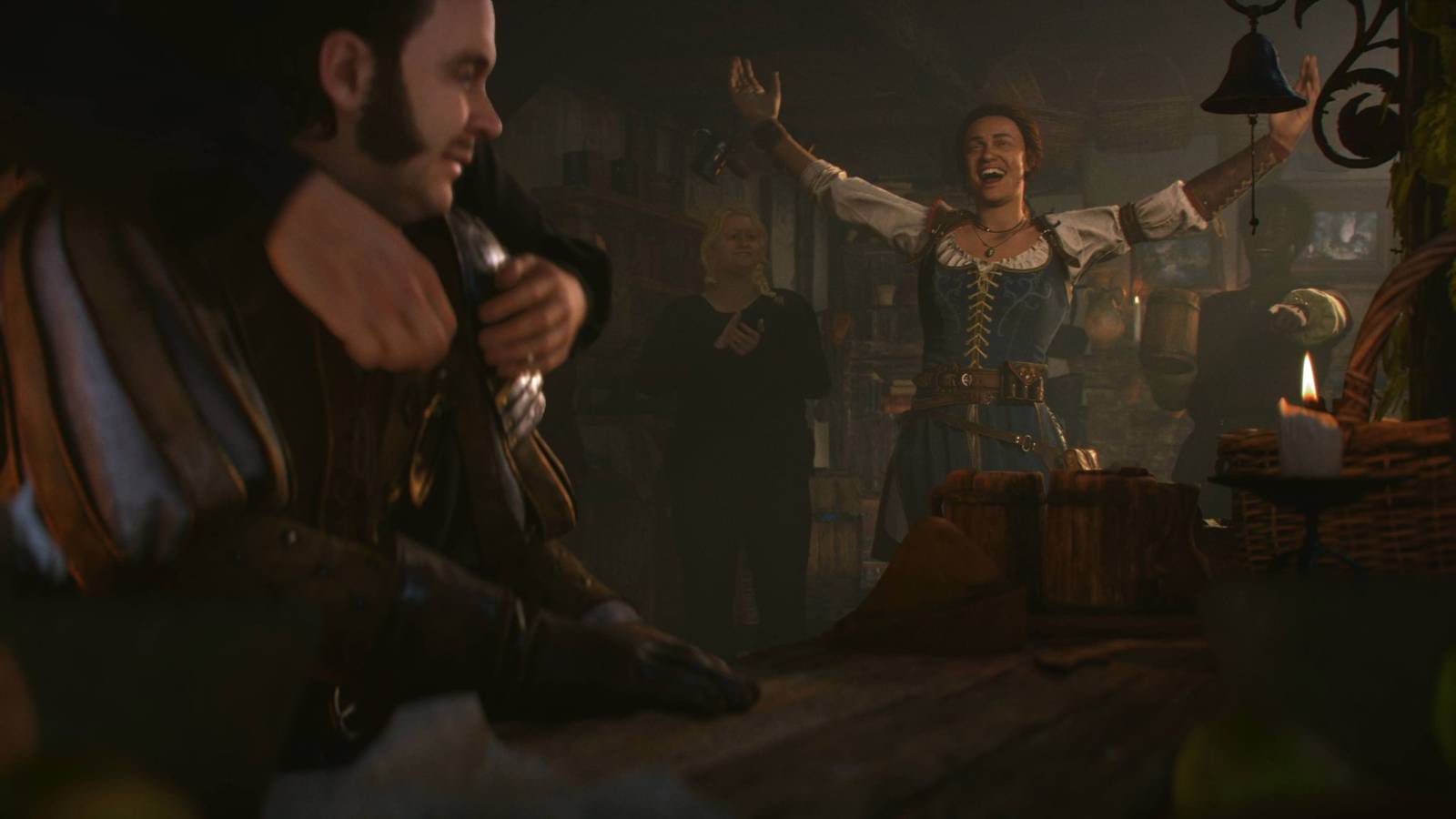
We’ll see how indicative these decisions are of Sharma’s long-term plans for Xbox, but in the meantime, the brand has some silver bullets in the chamber. Forza Horizon 6 has landed splendidly with fans and critics alike, with many praising it as the best in the franchise, and with the promising-looking Fable reboot set to release later this year, we could see opinions on Xbox start to trend in a more positive direction.
What Xbox Will Need to Succeed in the Long-Term
You may have noticed that I’ve referred to Xbox as a brand several times, and that’s because, for better or worse, that’s how it’s been defined this generation. Differences in performance between Xbox Series X and PS5 are negligible at best, and if you can play just about any Xbox game elsewhere, then what use is the console itself? That’s been the narrative that’s surrounded Xbox for years, and it’s what will need to change for it to reassert its dominance in the market. It needs to be less of a brand, and more of a must-have console.
Sharma has hinted at a return to true console exclusives, although I would imagine that a lot of Xbox games would still launch on PC as well. Still, blocking future Xbox games from coming to PlayStation and Nintendo platforms would be the most obvious way to make Xbox a more essential device. Right now, as far as exclusives are concerned, getting an Xbox is all downside, since there’s plenty of games the console will never get, but virtually none that it will exclusively get. This needs to change if Microsoft wants to move consoles, and by extension, further solidify gamers within its ecosystem.
Reverting to traditional exclusives practices could be tricky for Xbox, as it might be viewed as simply taking games away from PS5 and Switch 2 users, rather than actually giving something new to Xbox users. Still, that’s a toll that may need to be paid.
I don’t want to sugarcoat anything: Xbox’s public perception is probably still at an all-time low. It will take additional bold decisions, like Sharma’s walking back of Copilot and recontextualizing of Xbox Cloud Gaming, to shift the narrative. I’m not sure what these next steps will entail, but as long as Xbox keeps strong, entertaining gaming experiences (rather than unwanted AI features, for instance) at the core of its strategy, then future years could see its return to glory.


