






Microsoft has recently filed a patent that would allow Xbox to show users ads during games. The patent, which was filed on April 23, 2026, doesn’t necessarily indicate that Xbox plans to roll out such ad-based initiatives anytime soon, just that this could be something the company is considering.
There have been plenty of notable instances of gaming companies filing strange or concerning patents, but they don’t always go anywhere. Take the PlayStation AI chatbot patent Sony filed in 2025: this hasn’t led to actual, integrated AI chatbots in our PS5s just yet. What makes the Xbox ad patent different is that it’s actually quite believable. Putting ads in games doesn’t hinge on cutting-edge, experimental AI technology: it’s already a thing in series like NBA2K and Madden. This is to say nothing of the aggressive microtransaction advertisements in games like Assassin’s Creed and Call of Duty. But Xbox could theoretically execute similar advertising strategies on a much larger scale, and this poses potential problems for Microsoft as well as gamers.
Xbox’s Mid-Game Ad Idea Further Confuses the Value of Digital Games
-
-
-



The official name of this Microsoft ad patent is “Contextually Aware Management of Interactive Software Application Access,” and would, if implemented, dole out chunks of gameplay to users, separated by ads. The “contextually aware” bit of the patent refers to how, where, and when advertisements would appear in-game. The patent lists the ends of missions, loading screens, and menus and potential opportunities for ads. The idea here is to “naturally” weave ads into the rhythm of gameplay.
Notice that the patent describes “interactive software,” an umbrella term that encapsulates, but isn’t entirely defined by, video games. This ad integration concept could potentially impact other applications as well, and not just on Xbox.
There are many obvious taboos associated with this proposed system, but it could spell trouble for Game Pass as well. You would imagine that, were this patent to actually be used by Microsoft, it would be for some new low-cost or free tier of Game Pass, or another service that’s similar in concept. In other words, this would add another tier or pricing option to Game Pass/the Xbox Store. There are already four tiers of Xbox Game Pass (Essential, Premium, PC, and Ultimate), so another “ad-supported” tier could be confusing.
The official name of this Microsoft ad patent is “Contextually Aware Management of Interactive Software Application Access,” and would, if implemented, dole out chunks of gameplay to users, separated by ads.
This is doubly true when you further dig into the specifics of the patent, which detail how a credit system could be used to control and monetize this concept. It gives examples of 15-minute, 30-minute, and 60-minute “blocks” that would be punctuated by ads, with each block corresponding to credits owned by the player. Again, this would be context-specific, and tailored to the given game—a multiplayer shooter might have fewer “credit minutes” than a single-player, story-focused game, for instance. The patent also suggests basing credits on game progress, like a certain number of rounds or levels. In whatever case, more gameplay time, rounds, levels, etc., would be granted upon watching ads.
-

-
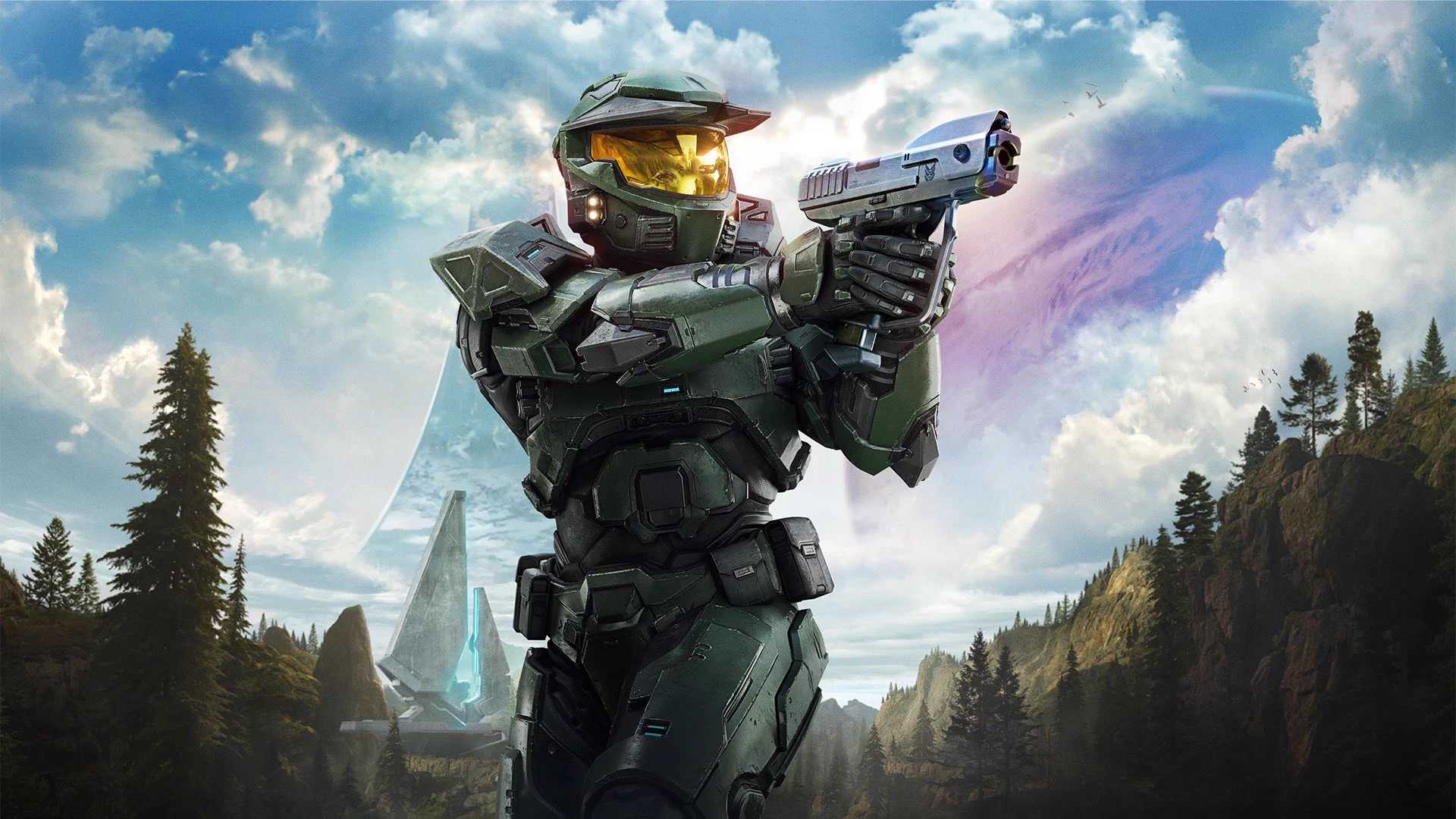
-

The time-based structure is fairly straightforward, and mirrors what users are already accustomed to with TV and platforms like YouTube, but the active, participatory nature of gaming might make the progress-based model a better fit. It’s not really how ads are doled out that’s the problem, though. The real hurdle is putting ads in video games in the first place, which, despite there being a precedent for it, is far from conventional or popular.
For Microsoft, which is already playing fast and loose with the definition of game ownership through Game Pass, physical-to-digital game conversion, and game streaming, adding yet another complicating factor, one defined by ads no less, poses a potential problem. Game Pass itself has already undergone so many recent shake-ups, and is starting to feel like a volatile platform. I don’t see how adding an extra tier, one built around something (advertising) that most people consider a nuisance, will alleviate this growing perception.
Zooming out further, it’s evident that Xbox still has a long way to go with respect to its brand rehabilitation. It’s still in the midst of what new CEO Asha Sharma calls the “Xbox Reset,” which has been a roller-coaster of emotions. One minute, Sharma is handing out free Xbox Series X consoles to a crowd of fans and journalists; the next minute, id Software is getting gutted. Xbox will close promising studios and layoff thousands of staff, then publicly invest in what is likely a very expensive Hideo Kojima project. The company is currently in flux, and introducing ads during video games could tip the scales in favor of greater consumer backlash, which definitely isn’t something it needs.
Could Xbox’s Ad-Supported Model Have Some Upsides?
As someone passionate about video games, I can think of few things less appealing than getting ads in the middle of gameplay. Having them appear during loading screens, while I’m paused, or after a cutscene doesn’t make it go down any easier. In my mind, this is akin to going to the cinema, becoming engrossed in some new film, only to be bombarded with Wendy’s Baconator and Microsoft Surface commercials whenever there’s a quiet or slow moment in the plot. Whatever behind-the-scenes systems are working to make these theorized ad breaks “natural” cannot possibly circumvent the fact that ads inherently disrupt, adulterate, and cheapen any gaming experience.
-

-

-
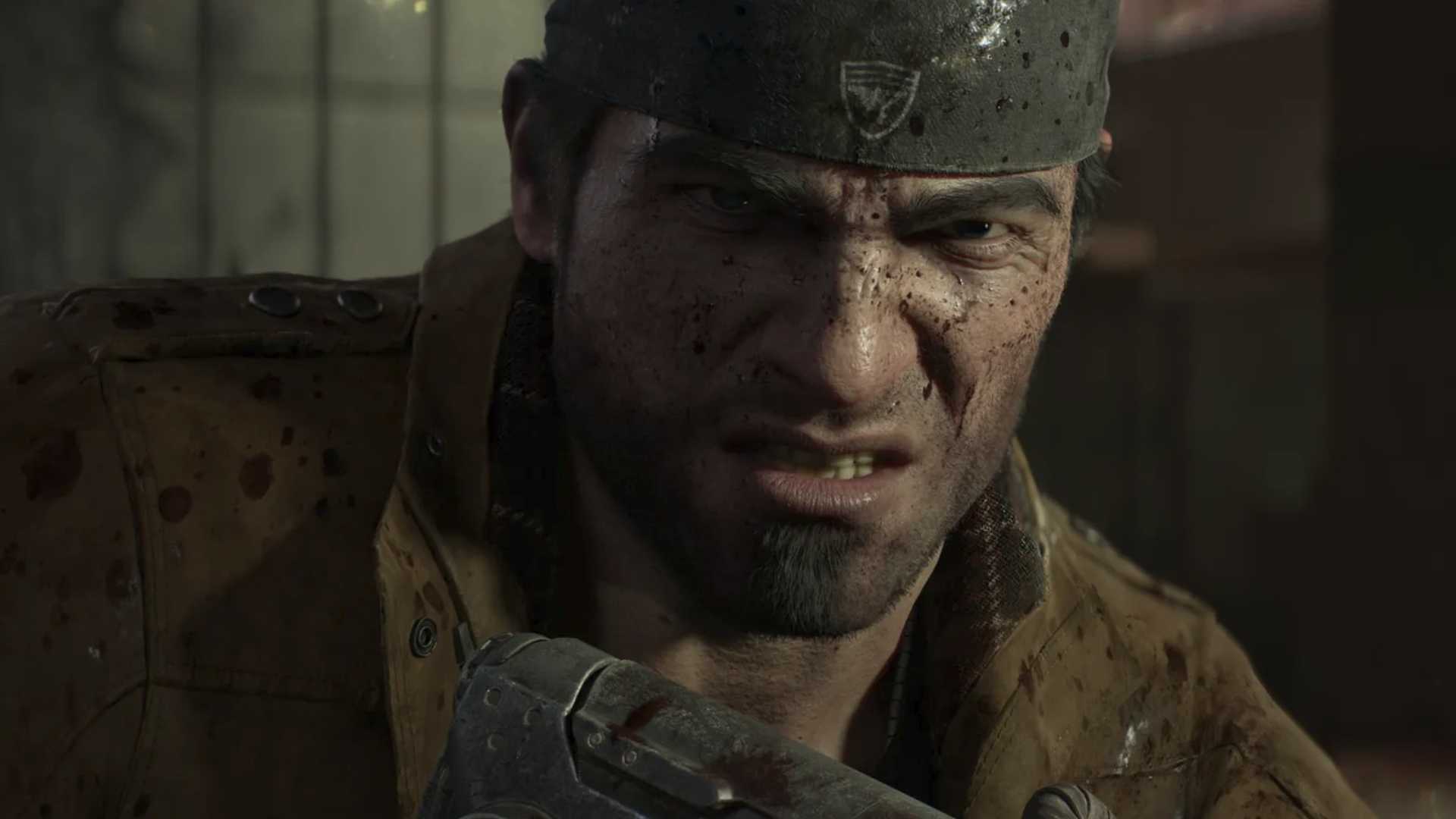
But it’s important to remember that the average gamer doesn’t necessarily care about these sorts of things the way that an enthusiast does. Take the NBA2K and Call of Duty franchises, which I earlier described as breaking ground with in-game ads. These series, which consistently rank among the best-selling in any given year, most certainly have not financially suffered from the choice to advertise during loading screens and menus. For as much hate as trends like in-game ads and microtransactions get online, the real world indicates that most consumers are actually mostly fine with them.
I am in no position to say whether someone ought to have an issue with something like ads in games. If ad-supported gaming allows people to enjoy Xbox titles when they otherwise wouldn’t be able to, that would be a good thing. The real question is how much this possible Xbox software will affect those who do care about ads infiltrating their paid-for entertainment. One thing’s for sure: I can’t imagine this patent is making Xbox look like a better alternative to the average Switch 2, PS5, or PC owner.