








It has been a whirlwind year for Xbox so far, as the company has seen shake-up after shake-up. A brand-new CEO found in Asha Sharma, controversial mass layoffs, surprising restructuring moves, and taking Hideo Kojima under its wing have kept Xbox in the spotlight, for better or worse. Now that Xbox is running full steam ahead into a new, uncertain future, the looming question that I have been eager to see answered is what exactly the company’s next-gen console has in store.
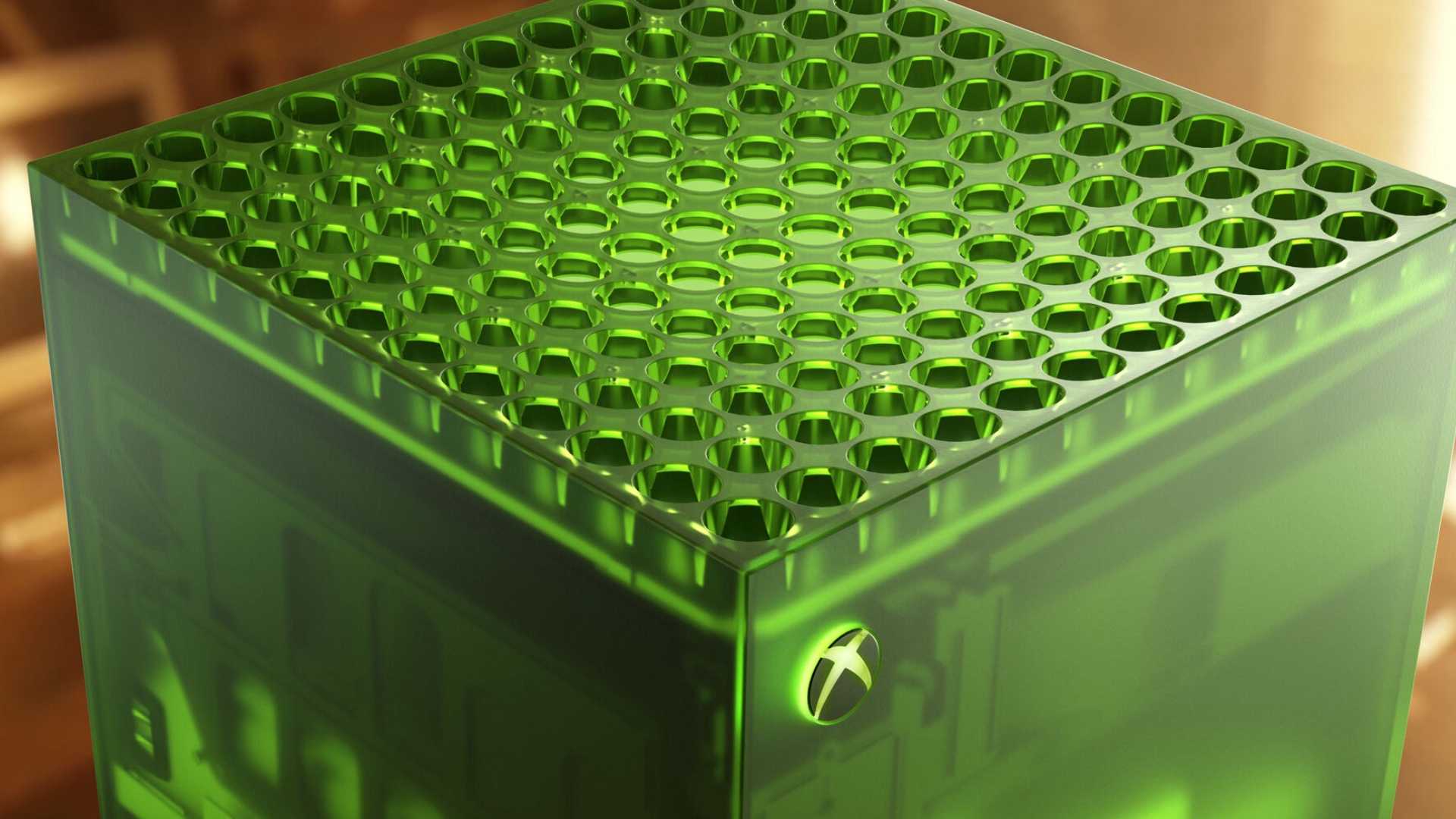
Xbox’s Project Helix is set to usher in the company’s next-gen era, and one of the most intriguing details about the console is that it’s being teased as a PC/console hybrid. What’s even more enticing is the expected competition between Project Helix and the PS6. The “console wars” hasn’t been as fiery as it once was, but Xbox and PlayStation’s next-gen products have the potential to reignite competition in a pretty thrilling way. Xbox’s plans to blend a PC and console into one experience is deeply compelling and could give it a serious edge against the PS6, but the company can’t rely on hardware alone; the software has to be the true driving force.
Xbox’s Project Helix Needs to Have Strong Enough Software to Make a Hardware Purchase Truly Worth It
Project Helix is expected to be an Xbox console blended with Windows 11 and will be able to run both Xbox and PC games. It’s definitely an intriguing step in the brand’s evolution, but when it comes down to it, the software has to back up the hype that Xbox is trying to kickstart. The Xbox vs. PlayStation debate has been around ever since the former launched in 2001, and both systems have their own unique pros and cons. When it comes to software alone, though, PlayStation has continued to be a difficult competitor.
GameRant Quiz
Because of features like Xbox Game Pass and Xbox Cloud Gaming, Xbox has a far more flexible ecosystem than PlayStation does, but that won’t be enough to drive the kind of hardware sales to topple Sony’s next-gen product. Asha Sharma recently hosted a company town hall, and Windows Central has come through with the meeting’s verified transcript. There were some mentions of Project Helix, and while the finer details are still sparse, her comments have definitely piqued my interest.
We are moving to a family of devices for Gen-10. There is not one device that fits all. We will certainly have a great console first, but we also know that many players will be on the go. There are some things that we are the best in the world to manufacture, and there are other things that we will partner on. So, we will be sharing more about that as our plans develop. The operating system is starting to look really good. We’re very excited about this.
Sharma’s quote about a “family of devices” immediately grabbed my attention when going over the transcript. Her words are just as confusing as they are intriguing, as she mentions that Project Helix won’t be “one device that fits all” while immediately following that statement up with hints pointing toward a handheld device that a partner company might manufacture. So, it raises the question if Project Helix is one combined device or multiple separate products. The ROG Xbox Ally is a reminder that Xbox is no stranger to handheld devices, but the way Asha Sharma framed her words has made me wonder if Project Helix could possibly take note of the Nintendo Switch 2 formula.
-
-

-


It’s far more likely that Project Helix will be a variety of different, separate devices instead of one combined product. An Xbox console that can be played at home but also features a component that can be docked and taken on the go like the Switch would definitely give it an edge against PlayStation 6 hardware, though. However, this is most likely a huge pipe dream. Whether Project Helix is one combined device or turns out to be multiple products, the software will still have to be the true heart.
Project Helix’s Software and Game Lineup Will Play a Huge Role in Justifying the System’s Price Point
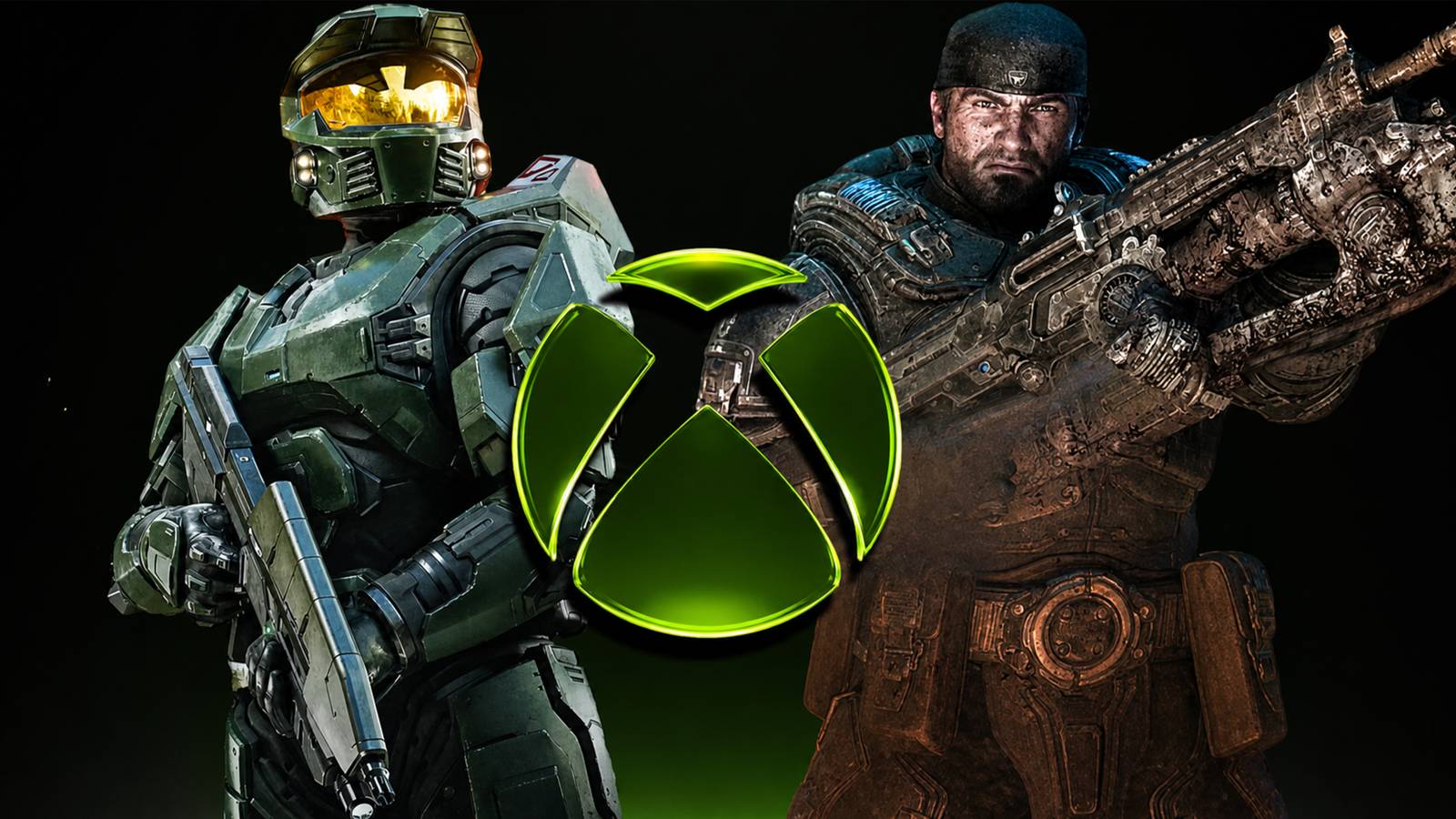
Claiming that Project Helix will have to have powerful software and a great game lineup isn’t exactly the most mind-blowing statement, I know. Xbox’s next-gen console feels like a tipping point for the company, though, which makes the details surrounding its operating system and game roster more important than ever. When it comes to the game options, Project Helix’s status as a PC and console mash-up will expand its library in a major way, but the real question is regarding first-party exclusives. PlayStation’s first-party exclusives have continued to be the brand’s lifeblood, and even though Xbox has franchises like Halo and Gears of War on its side, the company still lags behind when it comes to a first-party portfolio.
A Look at Project Helix’s Confirmed Features
- Xbox Mode, which launches via Windows 11, but with console-like operation.
- Path and Ray Tracting is expected to surpass the Xbox Series X in an astronomical way
- Next-gen DirectX
- Neural Texture Compression
- Next-gen rendering and upscaling with AMD’s FSR Diamond
- Xbox and PC libraries are combined into one experience.
So far, so good, but the real kicker is going to be what PlayStation has to offer with the PS6. Sony has been far more tight-lipped than Xbox with its next-gen console offering, and neither company has revealed what the price points will be. The official Project Helix and PS6 prices might prove to be even more of a selling point than the actual software.
Analysts have been predicting price tags that start at $1,000. Rising console prices have continued to wreak havoc on this current generation, so it wouldn’t be surprising to see the next-gen offerings have such eye-watering price points. Even if the PS6 has better first-party exclusives and software specs, Project Helix’s PC/console hybrid software might be more enticing, since it’s intended to give the feeling of two gaming experiences under one operating system.