





Publisher 2K Games is reportedly working with Denuvo Anti-Tamper to require 14-day check-in tokens that will disable players’ ability to access games entirely unless they can digitally prove ownership on a regular basis. This business move by 2K Games seems intended to protect digital rights and prevent piracy and cheating, but it will also require players to maintain a reliable internet connection even if they only use single-player modes.
Denuvo’s anti-piracy and anti-tampering software have been a hot-button issue with games for years, with some refusing to play games that incorporate it. In 2025, the publisher of life simulator InZoi announced it would not use Denuvo in its game’s early access launch after fans lashed out when discovering it was utilized in the game’s trial version. Other games, like Kingdom Come Deliverance 2, have left it out entirely, seemingly as a way of easing players’ tensions and encouraging them to play.
Crimson Desert Makes Controversial Change Just One Week Before Launch
Crimson Desert developer Pearl Abyss makes a quiet change to the game’s PC version, sparking controversy just one week before launch.
2K May Be Moving Towards Always Online Requirements
Now, unconfirmed reports state that Denuvo is placing new, stricter restrictions on certain 2K games that will require their systems to regularly perform an automated digital check-in with Denuvo every 14 days, in order to make sure that players are accessing a game legally. This account from Twitter-based gaming analysis page Pirat_Nation states that after making the connection, a 14-day digital token will be added to a player’s account. This token must be replenished via another connection within that time period, or else the player will be locked out of said game until another digital token can be acquired. No confirmation of these claims can be made via end-user license agreements or individual games’ Steam pages, and the changes would reportedly require steady connection to the internet even for players who solely enjoy 2K’s single-player games and game modes.
2K’s adoption of these new measures comes amid controversy for Denuvo, as some crackers are reporting they’ve managed to get past security for every single game that uses Denuvo without paying the purchase price, according to PC enthusiasm site Tom’s Hardware. Additionally, games like Final Fantasy 16‘s PC version have removed Denuvo software after many complaints from players who feel it’s much too invasive, with concerns about personal information protection and claims of performance issues and resource usage abounding. The change to Final Fantasy 16 after six months on the market could simply be due to time issues, as many publishers tack the DRM software on for an initial release and remove it after the initial wave of players has already purchased a game. However, the complaints from gamers certainly aren’t specific to that one single game.

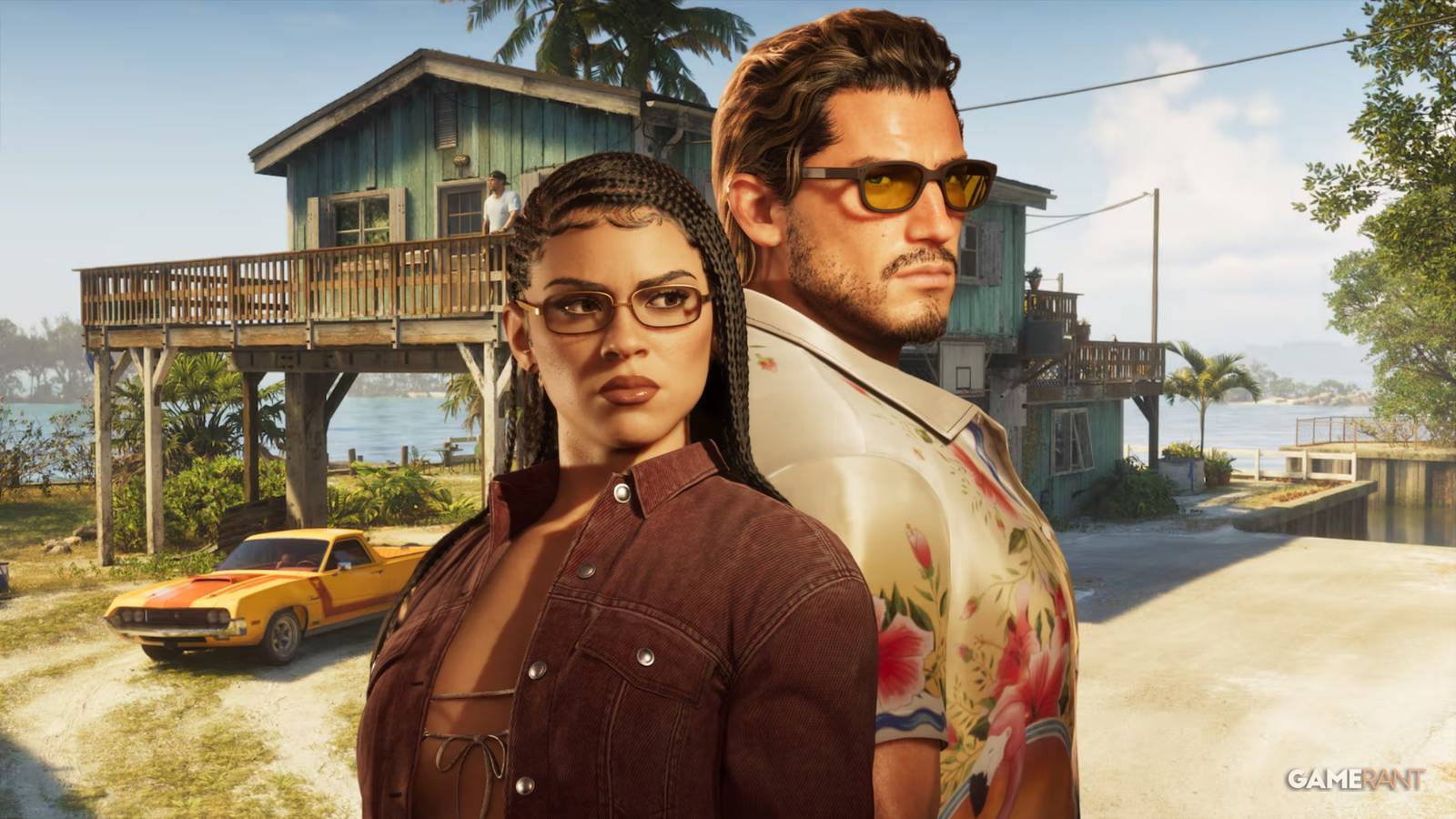
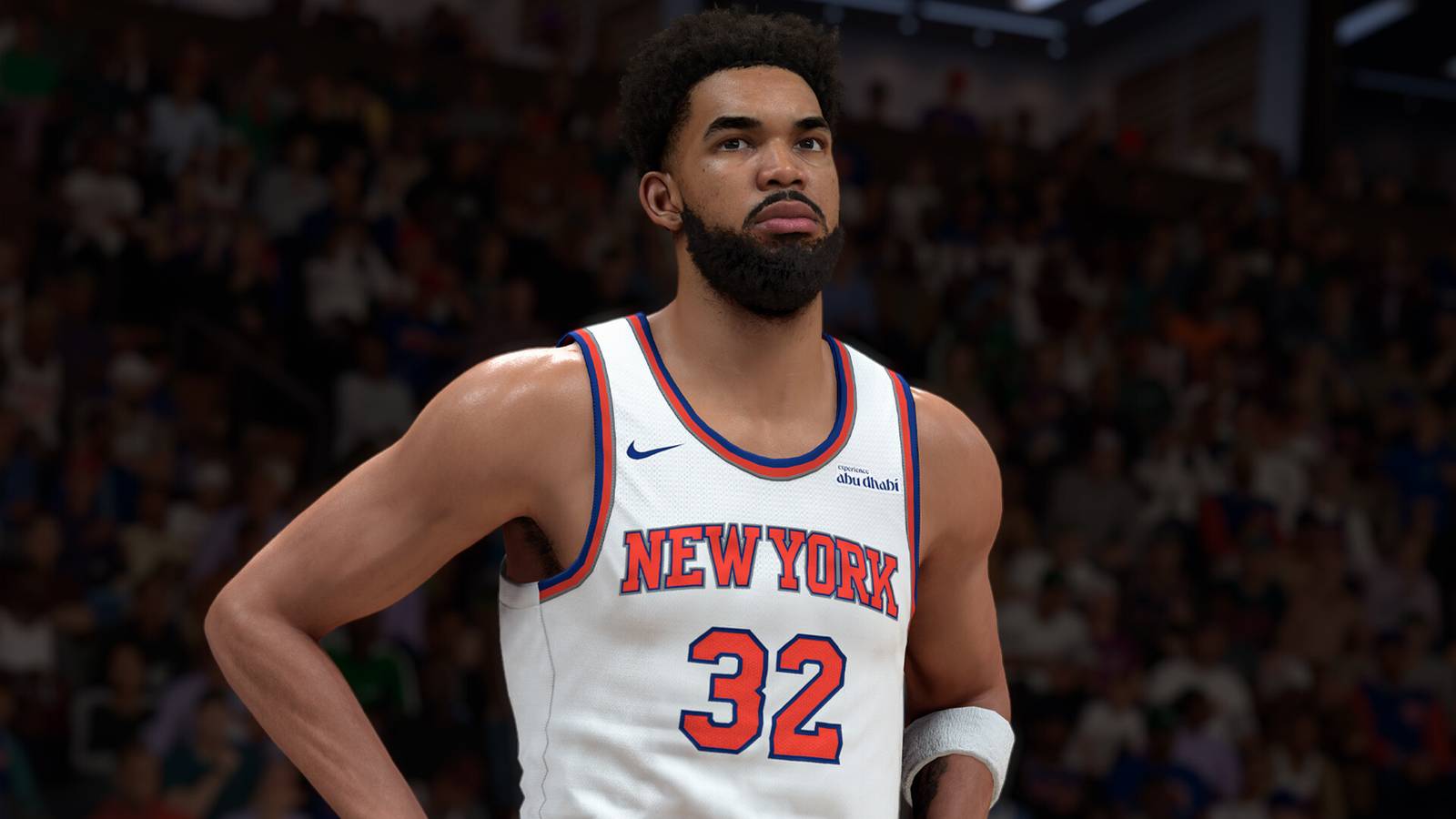
It’s not yet clear exactly how many of 2K’s games will be affected by these alleged changes. Initial reports only list the latest two games in the NBA 2K series, along with XCOM-like tactical RPG Marvel’s Midnight Suns, as being targets for the 14-day tokens. However, that may be far from a comprehensive list, as 2K has published a wide variety of highly recognizable games within the past couple of years, including Mafia: The Old Country, Sid Meier’s Civilization 7, Borderlands 4, and games in the WWE 2K and TopSpin 2K series.
Who’s That Character?

Identify the silhouettes before time runs out.
Identify the silhouettes before time runs out.
Easy (7.5s)Medium (5.0s)Hard (2.5s)Permadeath (2.5s)
2K and Denuvo aren’t the lone participants in the trend of requiring online inspections to ensure players have actually paid for the games they’re playing. In a March system update, PlayStation consoles started requiring 30-day check-ins for digital rights management purposes. Under this new system, newly purchased digital games must connect to the PlayStation Network at least once every 30 days via an internet connection. If players fail to establish this connection, which is designed to show that valid transactions allowed a game to be playable via their consoles, then players will not be able to access them until such a connection is made, after which the 30-day timer will start all over again.