


There was a time when turn-based RPGs ruled the world, and that time was the ’90s and early 2000s. On the SNES and PS1, we couldn’t get enough of both Japanese and Western games, with every month seemingly producing a new exciting title that could keep players grinding for a very long time. As turn-based RPGs are slightly harder to come by nowadays, this is the perfect time for us to spotlight underappreciated old-school gems that never quite got the attention they deserve.
While I’m sure some people played these RPGs when they originally came out, as I am one of them, all of them were commercial disappointments that struggled to find an audience. Unless you were a completionist who picked up every turn-based RPG you could find, you probably never got to play these games. If you have time, this might be the perfect opportunity to change that.
Nostalgia Will Make You Nostalgic For Classic Turn-Based Combat
The Nintendo DS Has Such A Fantastic Turn-Based RPG Library
Even more so than the PS1 and SNES, the Nintendo DS arguably has the most underrated turn-based RPG library, and Nostalgia simply acts as one example. Developed by Matrix Software, a studio that mostly specialized in handheld games, Nostalgia is pretty much your classic turn-based JRPG, albeit with some fun additions that help set it apart from the crowd. Set in an alternate steampunk Earth, the world instantly brings a different vibe from most fantasy contemporaries, and it’s cool to visit familiar cities given a unique flavor.
The story is fairly decent and works as a globe-trotting adventure, but it isn’t really anything out of this world. The 5 playable characters carry most of the load, and they are accompanied by two combat systems. While on foot and exploring dungeons, you engage in traditional but still well-done turn-based combat; while in the air, you get to take part in airship battles that are reminiscent of Skies of Arcadia.
Nostalgia came out in October 2009 in North America, putting it within roughly a month of Kingdom Hearts 358/2 Days, Mario & Luigi: Bowser’s Inside Story, and Pokemon Mystery Dungeon: Explorers of Sky. A niche game with little marketing had no chance.
Gladius Is The Gladiator Turn-Based RPG
We Need More Gladiator Games
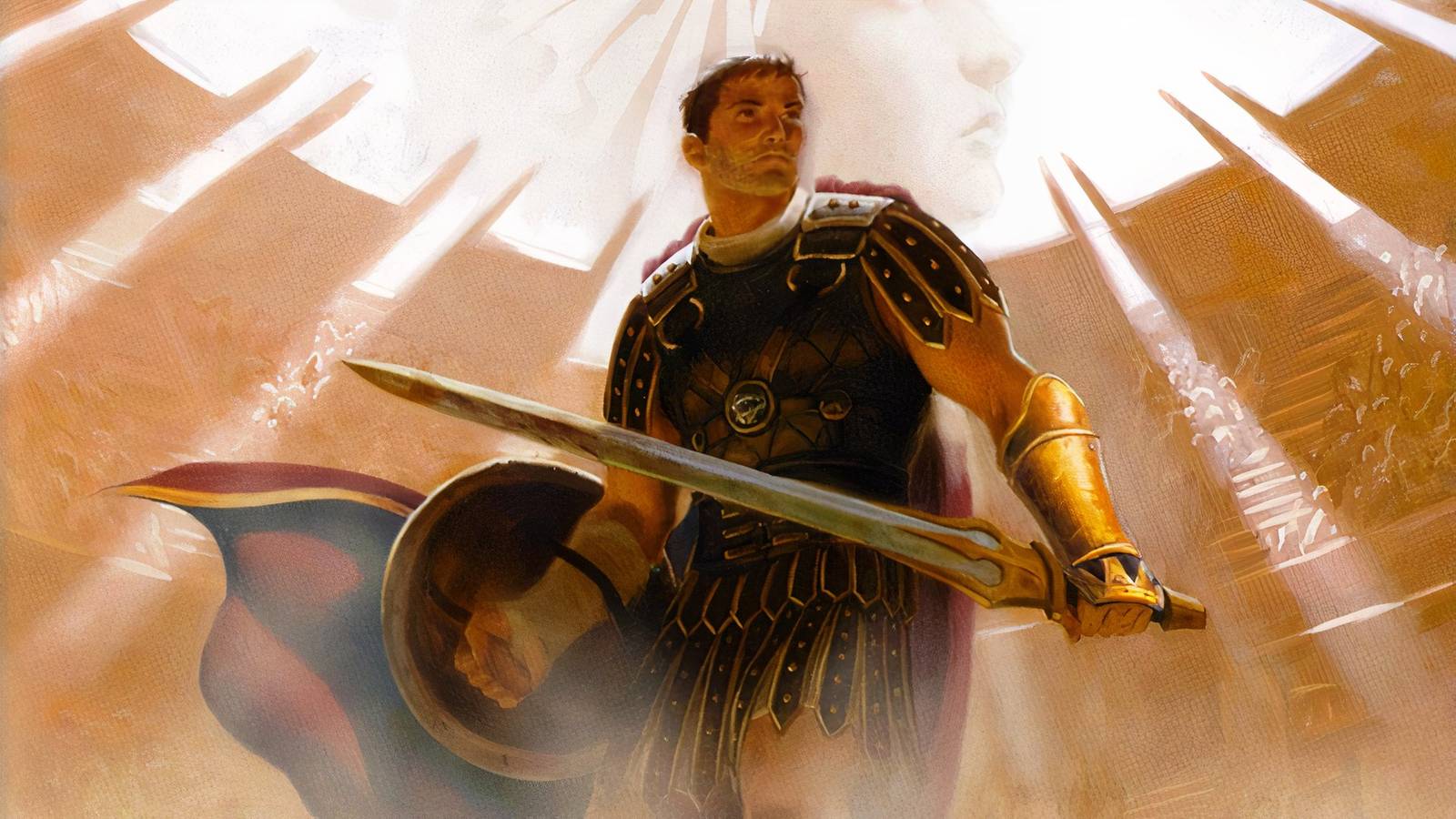
Whenever I put together one of these “underrated/never played/forgotten” articles, a LucasArts game tends to always make the shortlist. This time around, Gladius makes the cut, and it is inarguably one of the developer’s best RPGs. Admittedly, LucasArts isn’t synonymous with role-playing games, but this 2003 release is an absolute triumph for its creator and the genre as a whole.
First things first, we have a gladiator-themed turn-based RPG. That already sets the game apart from almost every other release in the genre, though its combat also leans into tactical territory. You choose between two protagonists – a barbarian princess or the son of a gladiator – and set out to recruit, equip, and manage a stable of arena fighters. The story starts relatively small, but gradually adds an “everything has gone to hell” element.
Using a grid system, the turn-based combat has one particular feature that really sets it apart: the swing meter. Basically, whenever you commit an attack, you need to nail button inputs to determine your performance, which can be the difference between a complete fail and a critical hit that causes a status effect. Gladius backs its combat with a vast class system that even lets you recruit mythological beasts like Minotaurs.
LucasArts was in full Star Wars mode during the early 2000s, with KOTOR only coming out a couple of months before Gladius. The latter just didn’t receive the marketing push it really needed. Tactical turn-based RPGs were also a harder sell on consoles at the time, and the game never came out on PC.
Treasure of the Rudras Is Square’s Final SNES Masterpiece
A Turn-Based RPG With An Incredible Magic System

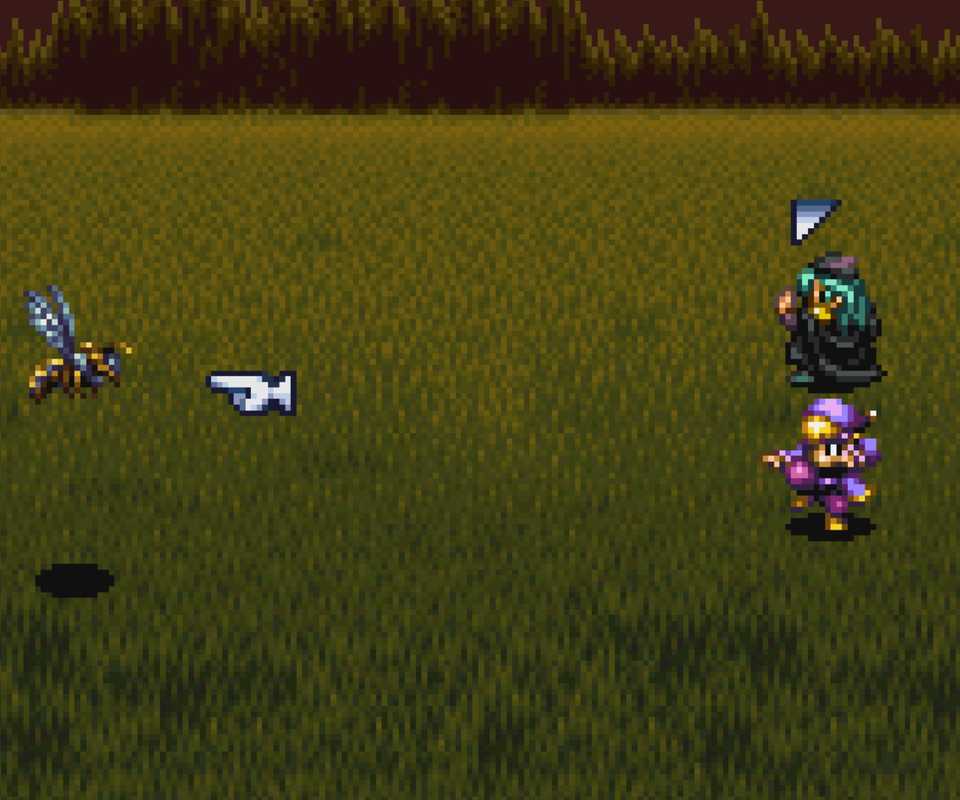
- I wanted to avoid including too many Japanese exclusives, but I had to include one.
Square was THE turn-based RPG developer during the SNES era, releasing games like Super Mario RPG, Final Fantasy 6, Live A Live, and Chrono Trigger. You really can’t go wrong with any of these titles, and Treasure of the Rudras deserves to be mentioned alongside them rather than just existing as the answer to the trivia question, “what was Square’s final SNES game?”
Treasure of the Rudras represents the absolute peak of 16-bit pixel animation, which means its graphics have aged so absurdly well that the game could easily pass for a modern indie throwback. By 1996, Square had not only perfected turn-based combat but was also embracing experimentation. In this case, that “experimentation” largely revolved around the magic system, which let you create spells by entering different letters into your grimoire. You can even learn an enemy’s spell by just jotting down its name and then activating it.
Treasure of the Rudras came out when the SNES was very much old news, and Square didn’t even bother releasing the RPG in North America, leaving it as a Japanese exclusive. It’s a shame, as this one is pretty great.
Shadow Madness Is Final Fantasy 7 But American
Yeah, The PS1 Had Western Turn-Based RPGs!
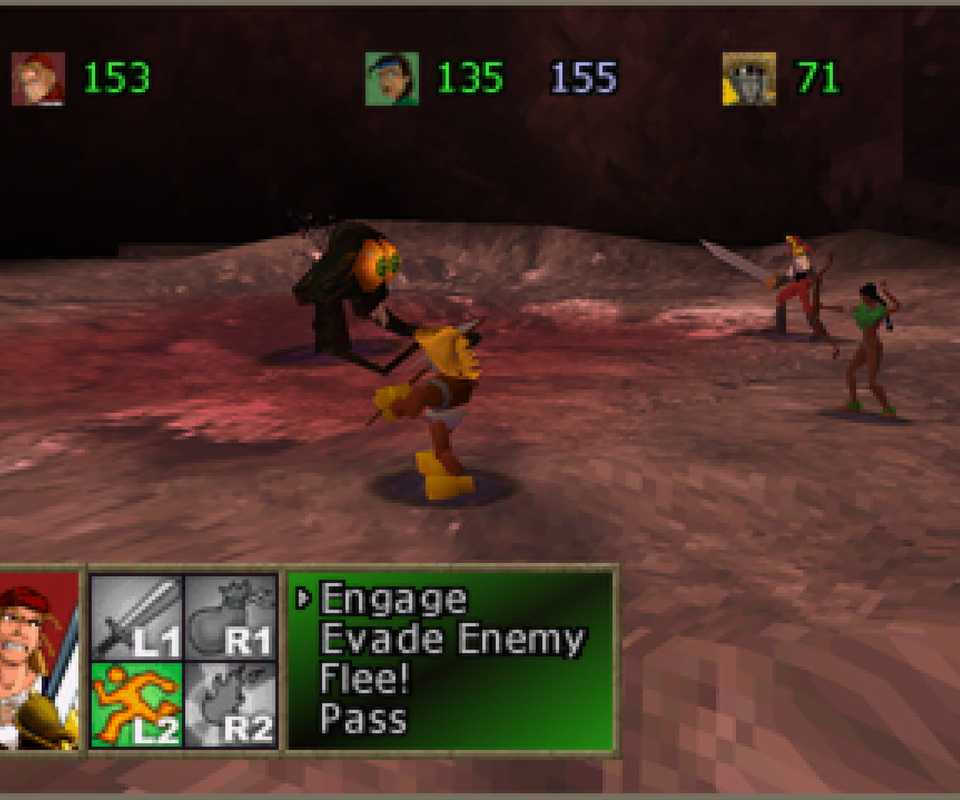
OK, I admit that describing Shadow Madness as “near-perfect” is a pretty big stretch, and Craveyard’s game doesn’t really come close to matching the genre’s best offerings on the PS1. However, this 1999 RPG feels like it should be a bigger deal than it ended up being, as we are talking about a rare American turn-based RPG created by a team that includes writers and programmers who worked on Final Fantasy 7. That influence is pretty obvious in the combat system and in the blend of 3D models and 2D backgrounds in the presentation.
Shadow Madness takes the core combat system of FF7 and adds a near-button prompt that lets you dodge fights that you don’t want to take part in. Otherwise, it is just a well-made game that features a bleaker premise than usual for the genre and a cynical sense of humor. The backgrounds were and still are quite atmospheric, too.
1999 was an absolutely massive year for PS1 RPGs in North America, and Shadow Madness was not going to float to the top in a pond that included Final Fantasy 8, Star Ocean 2, and Suikoden 2.
Guardian’s Crusade Oozes Whimsy And Charm
Turn-Based RPGs Don’t Need To Be Dark And Brooding
Let’s end things with another forgotten PS1 turn-based RPG, as roughly a billion of them exist. Guardian’s Crusade‘s main claim to fame is that it shifted to non-random encounters years before that became the genre’s standard, a decision that has allowed it to age far more gracefully than some of its more archaic peers.
Beyond that, the game uses a bit of a unique “creature collection” system, in that you accumulate Living Toys that act as summons and support units. They replace traditional magic systems, and they really fit Guardian’s Crusade‘s fairy-tale vibe and colorful aesthetic. Also, you get to raise a baby creature during your adventure, which is a lot more charming than annoying.
In 1999, the most successful games seemed to lean into darker tones, especially in RPGs. Guardian’s Crusade‘s bright colors and whimsical nature might have caused folks to dismiss it as being for children. Activision didn’t heavily promote it either.