



Nintendo is one of the most celebrated video game companies on the planet, and a large reason for their acclaim is the number of iconic IPs under their belt. There’s Mario, Pokemon, Metroid, and many more names, but just like the consoles we play them on, every series has changed between generations, with some in far more drastic ways than others.
Obvious innovations like graphics make sense, yet in a lot of cases, even the most foundational elements of these franchises can undergo major revisions, sometimes for better and sometimes for worse. The jump from console to console is always a welcome leap, but it is often in the games that we see the real impact, especially with the bigger names that drive the industry.
Mario
There’s Always A New Way To Platform
- Mario 64 introduced 3D environments and analog controls.
- Precise platforming remained constant.
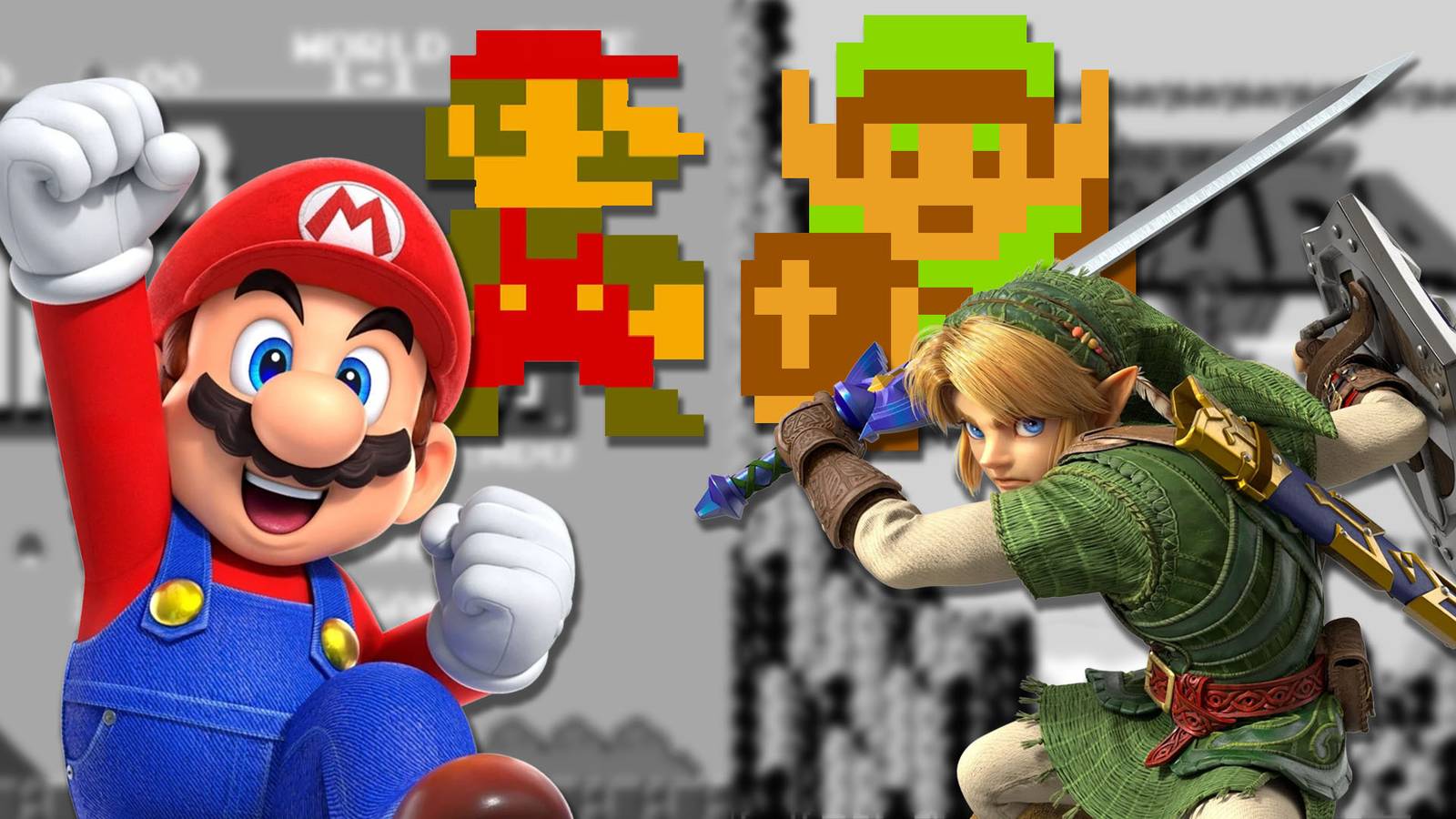
Mario today looks like a completely different franchise when compared to the original games. However, the most dramatic reinvention came when Nintendo moved from the 2D side-scrolling platforming of the NES and SNES to the Nintendo 64. This was where Super Mario 64 introduced analog movement, a free camera, and 3D hub worlds that leveled up the entire experience.
From there, the evolution never really stopped. Several other mainline entries, like Super Mario Sunshine and Super Mario Galaxy, continued to flip conventions on their head. All of that innovation ignores the dozens of spin-offs, from party games to fan favourite kart racers. While it may have started as a very basic platformer, the Mario of the modern world is now a truly unrecognizable beast, whilst still maintaining the original’s DNA.
Zelda
Leveling Up The Dungeons
- Breath of the Wild reimagined the open-world space.
- Earlier shifts to 3D and different style choices continued to evolve the series.
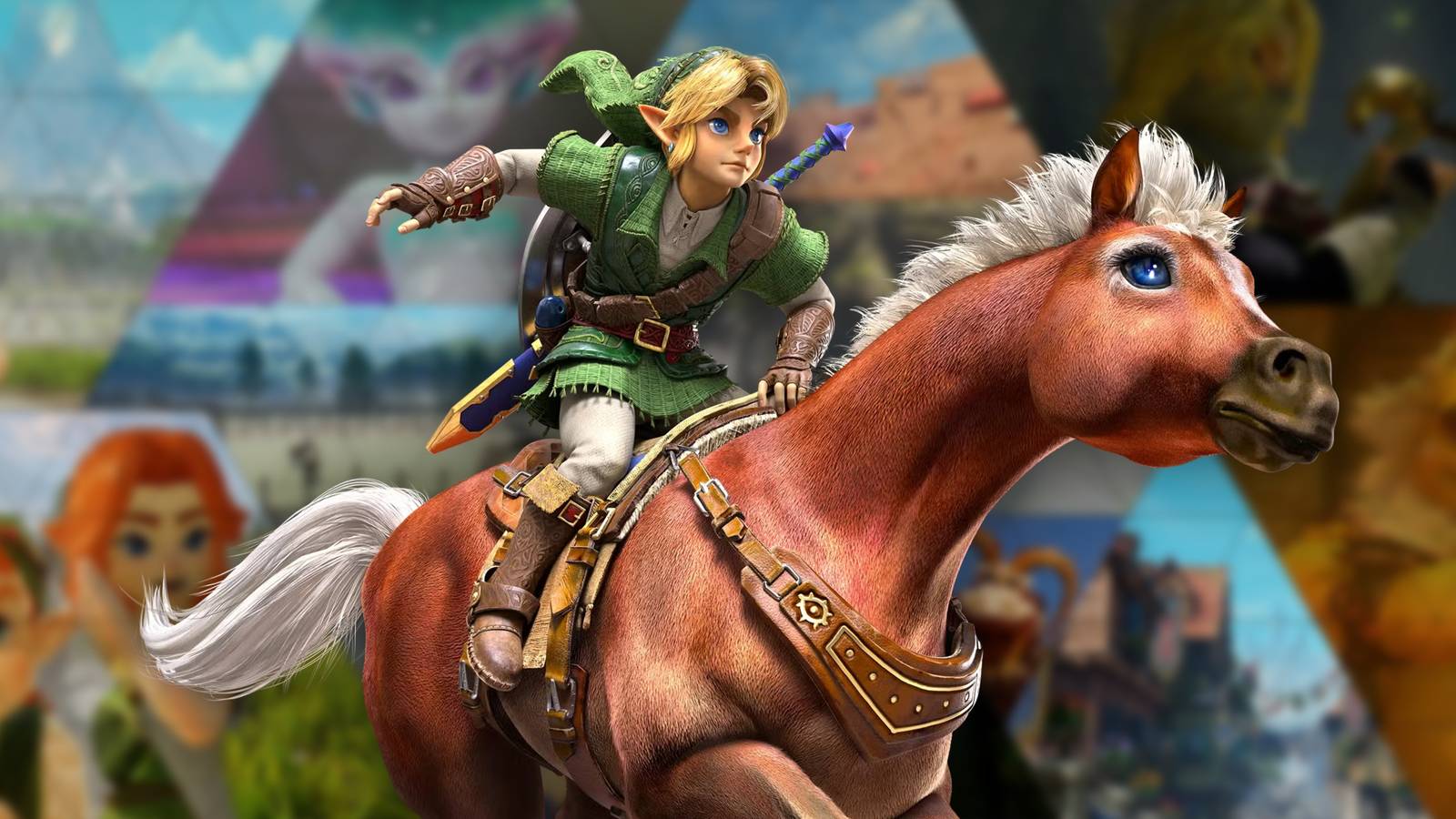
The Legend of Zelda began as a simplistic adventure on the NES, and from there, the sequels only grew more ambitious. A Link to the Past perfected the dungeon exploration loop with its parallel Light and Dark Worlds, and Ocarina of Time on the Nintendo 64 then rebuilt that structure in 3D, introducing Z-targeting and context-sensitive buttons that countless action-adventure games later borrowed.
Then there’s Wind Waker, which traded realism for cel-shaded visuals and the solid ground for ocean sailing, and most recently, Breath of the Wild broke down every prior barrier and single-handedly changed how we see open-world gaming. In a lot of ways, I think that The Legend of Zelda functions very differently to other Nintendo franchises, where iterative design is much less present, and Nintendo is more than happy to reach for the stars and see where they land.
Metroid
Samus Has Never Stayed The Same
-

-
-


- Made a first-person leap to Metroid Prime.
- Innovations came alongside newer hardware.
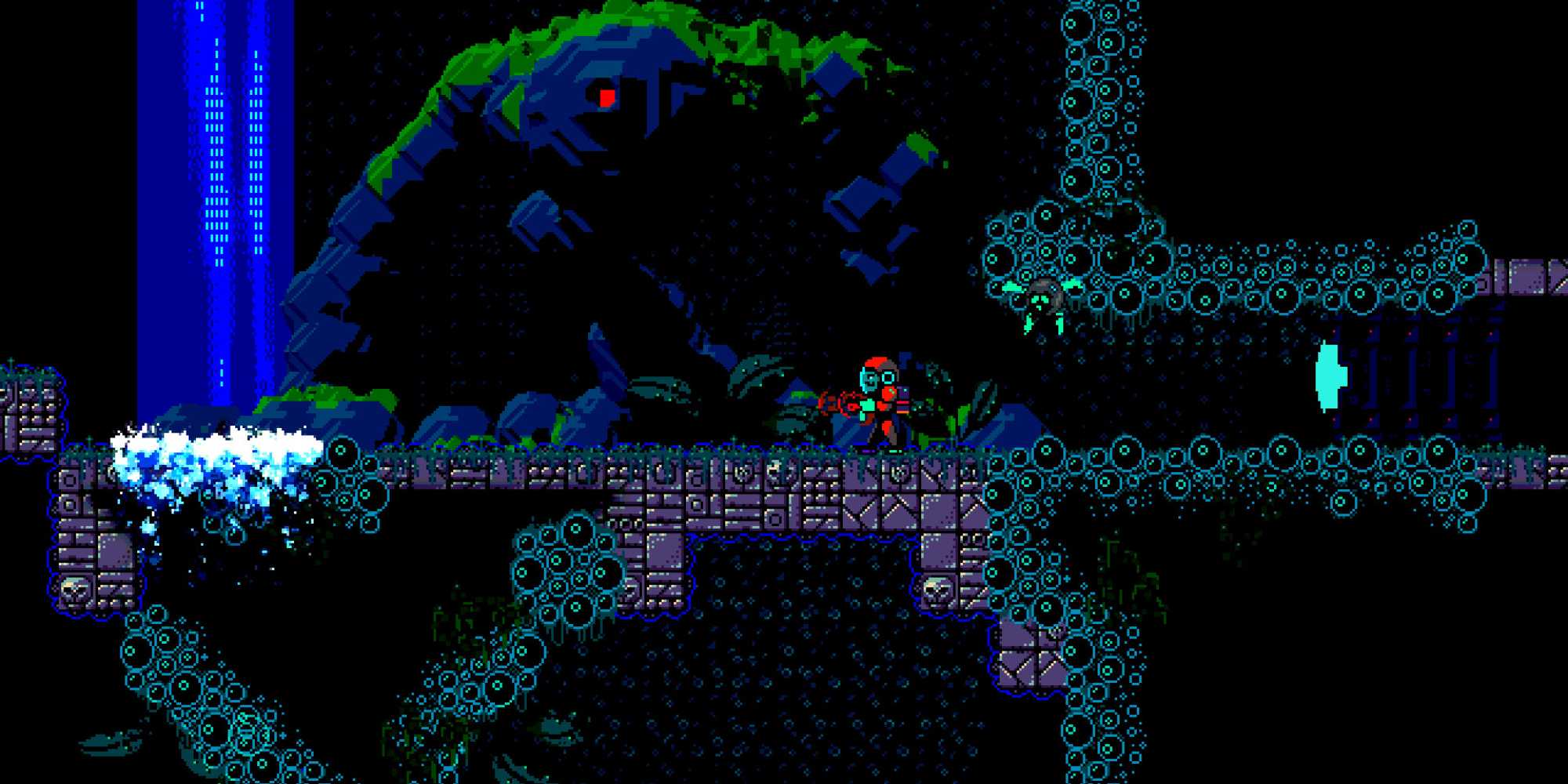
Like many other 2D games of the era, Metroid began as a humble action-adventure game that didn’t stretch too far outside the norms. That same formula was then polished with Super Metroid, a game that further cemented the Metroidvania genre, yet it wasn’t until Metroid Prime that the real evolution took place.
That game introduced a first-person perspective that fundamentally altered the gameplay and how you explore the environments, and while a lot of fans doubted the change, it was soon accepted with open arms. Since then, the franchise has kept the doors open for both kinds of experiences, and as a result, we have gotten the best versions of Metroid, whether they be in first-person or more like the 2D classics.
Kid Icarus
From NES Platformer To 3DS Shooter
- Rail shooter flight was introduced decades on.
- The tonal shift was in line with the new approach.
Kid Icarus is a series that has largely been forgotten by Nintendo and the wider gaming community, and that sentiment was certainly the case in the early days as well. The punishing difficulty curve and the reliance on precision made every moment feel like a challenge, but after the first two games, the franchise went dormant for nearly two decades, aside from a few cameos here and there.
When Kid Icarus: Uprising arrived on the 3DS, it discarded platforming for third-person shooting, with rail-shooter flight segments, touch-screen aiming, and a fast, fourth-wall-breaking script that brought back the lovable Palutena. It also added customizable weapons and an evolved difficulty system that made it stand even further from the original vision, resulting in a game that felt less like a sequel and more like an entirely different genre. If the franchise returns at some point in the future, I would be interested to see which approach Nintendo decides to adopt.
Chibi-Robo!
Losing Itself Over Time
- Scale shifts and setting changes.
- Series identity faded with subsequent entries.
Chibi-Robo! is a clear case of a series that changed itself into something worse. Plug Into Adventure on the GameCube had a distinct identity: a tiny robot living in a family’s home, doing chores and helping the household’s toys and residents with their odd and occasionally sad problems.
However, when later entries began to pop up, the charm began to fade away. Park Patrol shrank the scope down, and Zip Lash further reduced the game to a side-scrolling platformer, with little of the first game’s personality or humor. Each generation swapped a quirky adventure for a safer, more generic format, leaving little of what made the first game so special. Although it might be cliché to say that all sequels are worse than the original, in this case, I believe the damage was far more systemic and detrimental to the future of the IP.