







You cannot have an RPG without some form of progression, and classes tend to be the most popular method. Not every game needs to go down this route, but many turn-based RPGs implement traditional or experimental class systems to brilliant effect; crucially, the best ones know how to avoid obvious traps and early-game broken builds, all the while prioritizing class synergy between characters and rewarding optimization over endlessly grinding for stats.
Considering Dragon Quest‘s iconic archetypes and the influence of tabletop games on the genre, it’s not remotely surprising that JRPGs and Western RPGs rely on these systems, but that doesn’t mean putting one together is simple. No, most attempts are good but not amazing, and only a few turn-based RPGs have pitch-perfect class systems.
To keep things interesting and varied, I’m going to cover 5 different types of turn-based RPGs, going over subgenres like JRPG and tactics.
No games based on tabletop RPGs like Baldur’s Gate 3. Let’s prioritize games that have their own class systems.
Finally, I will include sections that discuss each system’s flaws, as they are “virtually,” not “objectively,” perfect.
Final Fantasy 5 Had The First Virtually Perfect Class System
A Job System So Fantastic That Square Enix Still Struggles To Surpass It
- Every job matters.
- Freelancer is such a rewarding starter class.
- Solved early challenges.
Admittedly, this one is somewhat of a historical pick, but Final Fantasy 5 deserves to be celebrated for essentially fixing a major issue with early RPGs: starting over. Back in the genre’s formative years, switching jobs often forced a stat reset, disincentivizing the process altogether. FF5 turned class progression into a cumulative journey in which everything leads to an end-game build. You don’t waste any time invested in your character.
Along with their own moves, most classes have a free slot that can be taken up by abilities from other jobs, which can be either passive or active. Freelancer, the starting class, comes with two of these slots, actively encouraging players to mix and match to create unique builds. More importantly, Freelancer and Mime are designed around mastering as many jobs as possible, as you inherit the highest stats of mastered jobs and passive traits, as well as being able to equip any weapon or armor piece.
In the original version, Final Fantasy 5 includes 22 jobs, all of which have a reason to exist. Even the more gimmicky ones (Chemist, for instance) have skills that can be wildly useful. The class system also ties into the game’s difficulty; if you are stuck on a boss, you probably need to experiment with your party’s jobs rather than grind levels. That said, you might need to grind ABP.
Why only “virtually” perfect? Well, FF5 has balancing issues (combine Dual-Wield with Rapid Fire to win), and certain skills require too much ABP.
Divinity: Original Sin 2 Perfects The Classless Class System
Mix-And-Match Skills To Create Your Wildest Builds

- Complete freedom to create your own hybrid classes.
- Magic Mirror lets you respec easily.
- Skill crafting.
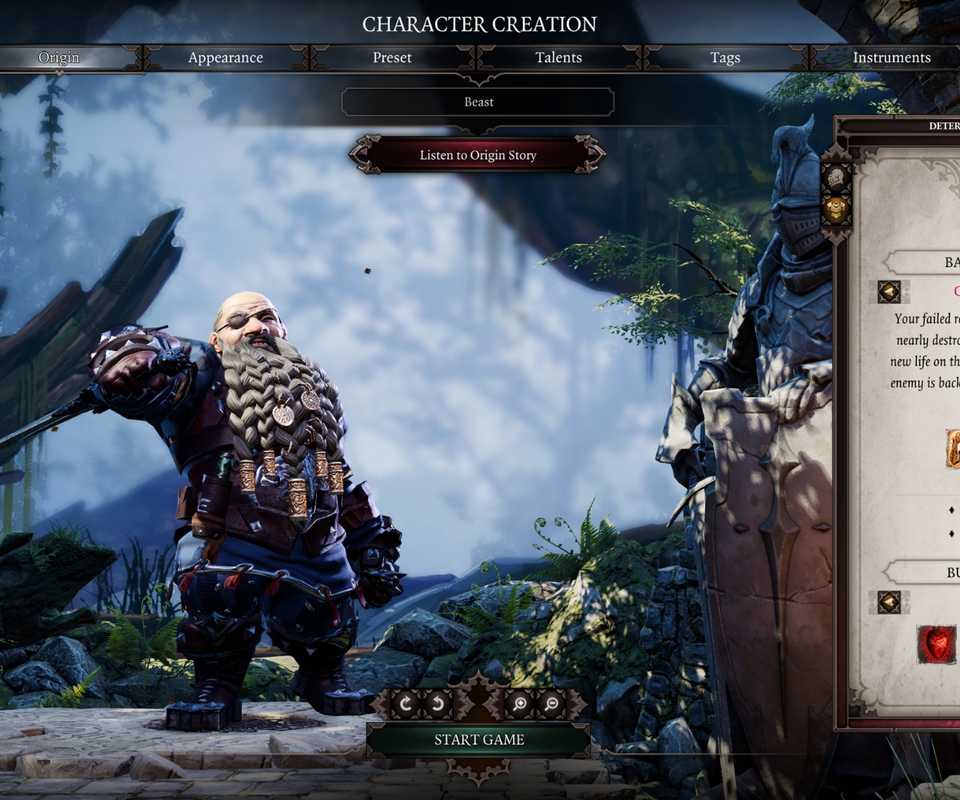
Baldur’s Gate 3 tends to suck most of the air out of the room nowadays, and rightfully so, but Divinity: Original Sin 2 still presents a convincing argument for being Larian’s crowning achievement, and its open-ended classless system contributes significantly to that claim. Instead of assigning a rigid vocation to your character, you freely invest points into 10 distinct Combat Disciplines alongside primary attributes (Strength, Finesse, Intelligence, Memory, Wits, and Constitution).
While starter equipment templates exist, they don’t lock you into anything, and you are free to create the hybrid of your dreams. Divinity: Original Sin 2 wants players to think outside the box and try out rare combinations, be it by combining skillbooks from elemental and non-elemental trees to create new spells or to see how certain magic impacts the environment. By investing 1 or 2 points in secondary schools, you could unlock a utility that can make a big difference to your character, and the whole point is to create builds that are uniquely yours.
Why only “virtually” perfect? Well, Divinity: Original Sin 2 overpowers the Warfare skill tree a bit too much, causing most physical builds to focus on it. Enemies have separate Physical and Magic Armor, which need to be depleted for many effects to trigger. Consequently, it doesn’t make sense to run a party that has a 50/50 split between Physical and Magic, as a squad focusing on just one will strip an enemy’s defenses far quicker.
Darkest Dungeon Proves That Rigidity Is Not Always A Bad Thing
A Class System All About The Party, Not The Individual
- Formation system.
- Each class has purpose.
- So many party compositions to try.
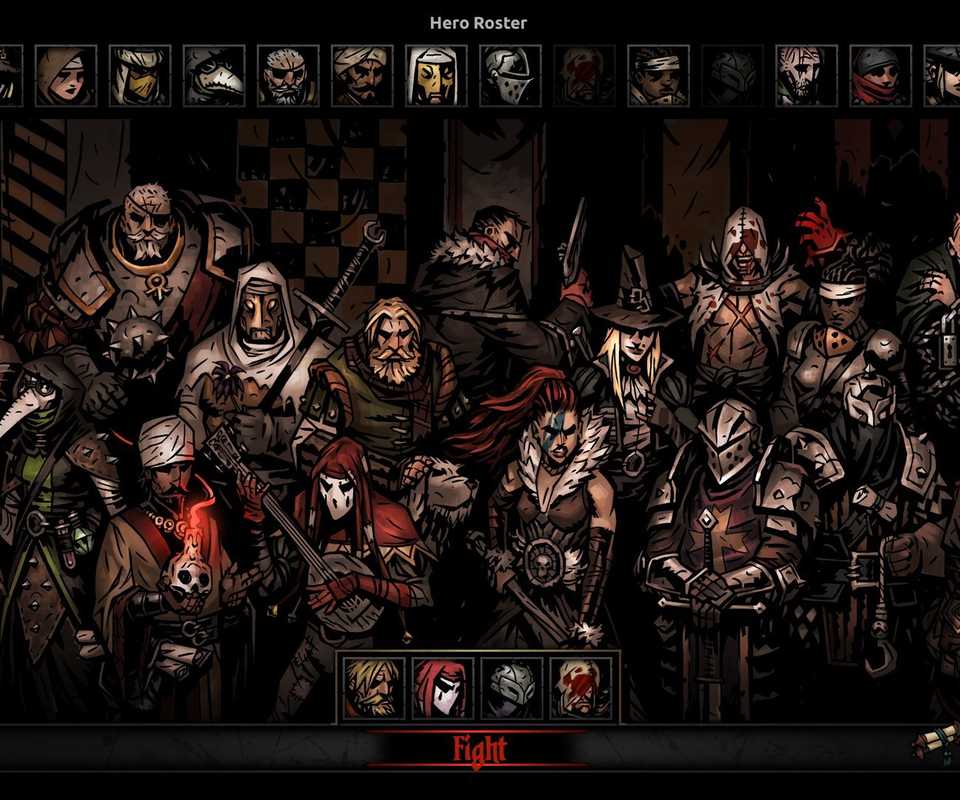
From maybe the most open-ended system to one of the most rigid, Darkest Dungeon proves that you don’t need endless combo possibilities to offer incredible depth. Rather than presenting characters as individuals, Darkest Dungeon treats them as puzzle pieces that need to be expertly connected to form an optimal whole.
Instead of letting characters cast any spell from anywhere, combat functions on a strict 4-Rank formation system, and each hero class needs to stand at a defined rank to execute an ability or target a specific opponent. As enemies can shuffle your formation, you also need to take into account a class’s ability to recover when displaced. Oh, right, your party also needs to have characters that can mitigate Stress, which acts as a character’s second HP bar and ruins runs if left unchecked.
Darkest Dungeon has no wasted space. Due to having hyper-specific strengths and weaknesses, each class has a reason to exist and combines well with other heroes, even if they might not all fit your preferred party formation (or become less viable in the endgame).
Why only “virtually” perfect? The endgame requires such perfect optimization that most people have to rely on a few established combinations. While enemy shuffling your formation adds an intriguing wrinkle, it also renders certain classes useless for multiple turns in a row, making them harder to justify including. The “Crimson Court” DLC added the Crimson Curse, which actively discourages roster variety.
Bravely Second: End Layer Finishes The Work FF5 Started
Ridiculous Jobs, Ridiculous Abilities, And Fun For All
- 30 classes, including some novel ones.
- Freedom to combine jobs and passive abilities.
OK, this one might come as a surprise, but I’d argue Bravely Second: End Layer represents the final evolutionary form of Final Fantasy 5‘s ideas.
Building on the classic modular job blueprint, the game adds layers through its subclass collaboration and risk-and-reward battle mechanics. The 30 Asterisk Jobs combine old-school classes like Ninja and Time Mage with new additions like Patissier, Yokai, and Catmancer, with each character equipping a main job and the command set of a secondary one (along with 5 Passive Abilities). Although you unlock them relatively slowly, each character can equip every Asterisk, allowing for an absurd range of class combos.
As you decide whether to use or store your action points in battle, you have way more control over things like turn order, status limits, and damage ceilings, and classes like Exorcist grant even more ways to manipulate battles. Jobs like Bishop destroy the JRPG cliché of physical builds offering weak healing, and the Wizard class lets you modify spells using Spellcraft.
Why only “virtually” perfect? Due to the way certain class abilities work, you can become so OP by the final act that bosses pose no threat. Some jobs take too long to unlock or are tied to side quests, restricting early build experimentation.
Etrian Odyssey 4 Strikes The Ideal Balance
A Turn-Based RPG With A Perfectly Paced And Layered Class System
- Tier system for skills.
- Subclass system.
- Balanced main classes.
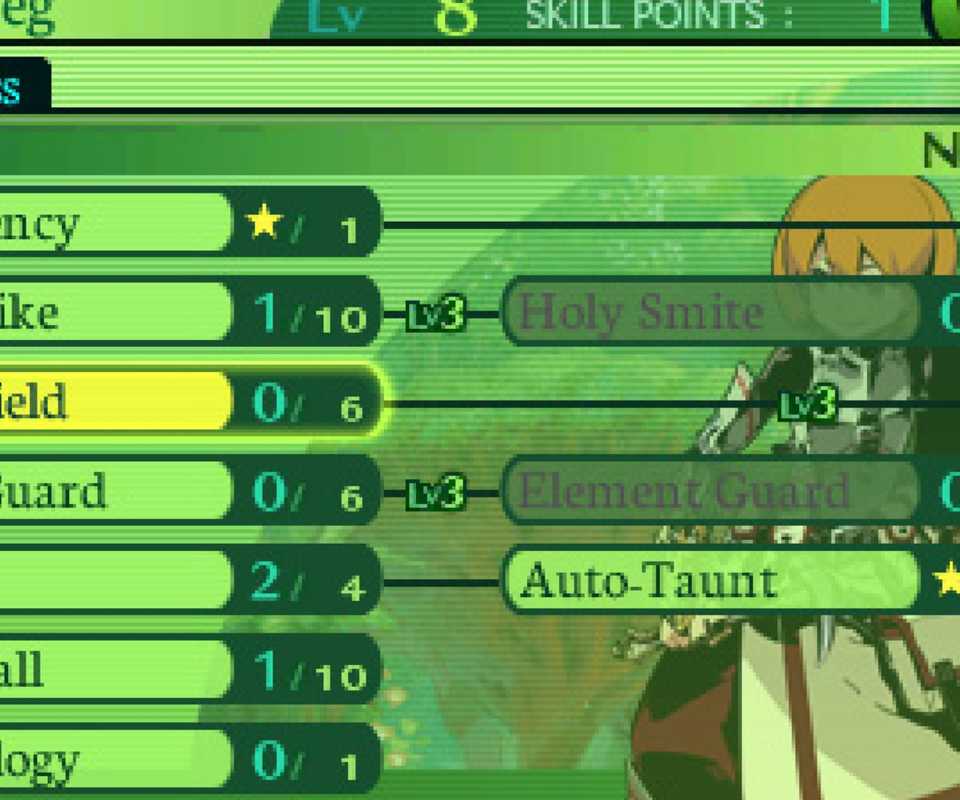
Let’s end things with a first-person dungeon-crawler, and a fairly niche one at that. After struggling to balance depth with accessibility, Etrian Odyssey 4 finally struck the perfect middle ground, combining a tiered skill tree system with optimized late-game subclasses that let characters take on a second job. As the game only has 10 classes (and 7 starting ones), subclasses crucially freshen things up just when things threaten to become monotonous, allowing for diverse party configurations.
Each class’s skill tree is divided into Novice, Veteran, and Master, which unlock once a specific level is reached. Consequently, players cannot just rush to unlock the most broken skills, which allows for a smoother sense of progression and power scaling. Similar to Darkest Dungeon, Etrian Odyssey 4 emphasizes party dynamics over individual units, and none of the classes are such isolated powerhouses that they overshadow everything else.
Why only “virtually” perfect? While the main classes are well-balanced, Bushi is comfortably the best secondary class for any physical striker. Fortunately, the class is only unlocked mid-game; unfortunately, 3 classes are only unlocked mid-game.