



Nintendo’s NES library is usually remembered through blockbusters like Super Mario Bros. and The Legend of Zelda. I know I’m guilty of that, for sure. Those games definitely earned their status, but I’ve found myself thinking about Nintendo’s bolder 8-bit ideas that just faded into the background. I love digging through that part of its catalog because the games are often stranger than the famous ones. Some take familiar genres somewhere unexpected, while others build an entire game around a control scheme that nobody tried again.
These seven Nintendo-made NES games deserve another look. They don’t all have the same reputation: Kid Icarus and Balloon Fight still have recognizable names, while Gumshoe and Devil World remain deep cuts. Several are included in Nintendo Switch Online’s NES collection, making them easier to revisit than a lot of retro curiosities. I’ve ranked them by how much fun their ideas still offer and how badly they deserve more attention.
8
Clu Clu Land (1984)
A Maze Game Where Turning Is the Challenge
Most maze games let you turn whenever you want. Clu Clu Land, not so much. Bubbles keeps moving, and you steer by grabbing poles to swing around them. The goal is to reveal hidden gold bars, which form pictures once you’ve traced the right paths. Every turn feels like a tiny physics problem, especially when you’re used to rushing to finish a stage.


Put the consoles in the correct order.
The challenge itself comes from learning the movement instead of memorizing corridors. Sea urchins keep the pressure up, and Bubbles can stun them with an electric attack. Two-player co-op makes the awkward controls a shared problem, usually with hilarious results. It takes practice to get comfortable, but the moment the movement clicks is enormously satisfying.
7
Devil World (1984)
The Maze Itself Wants You Gone

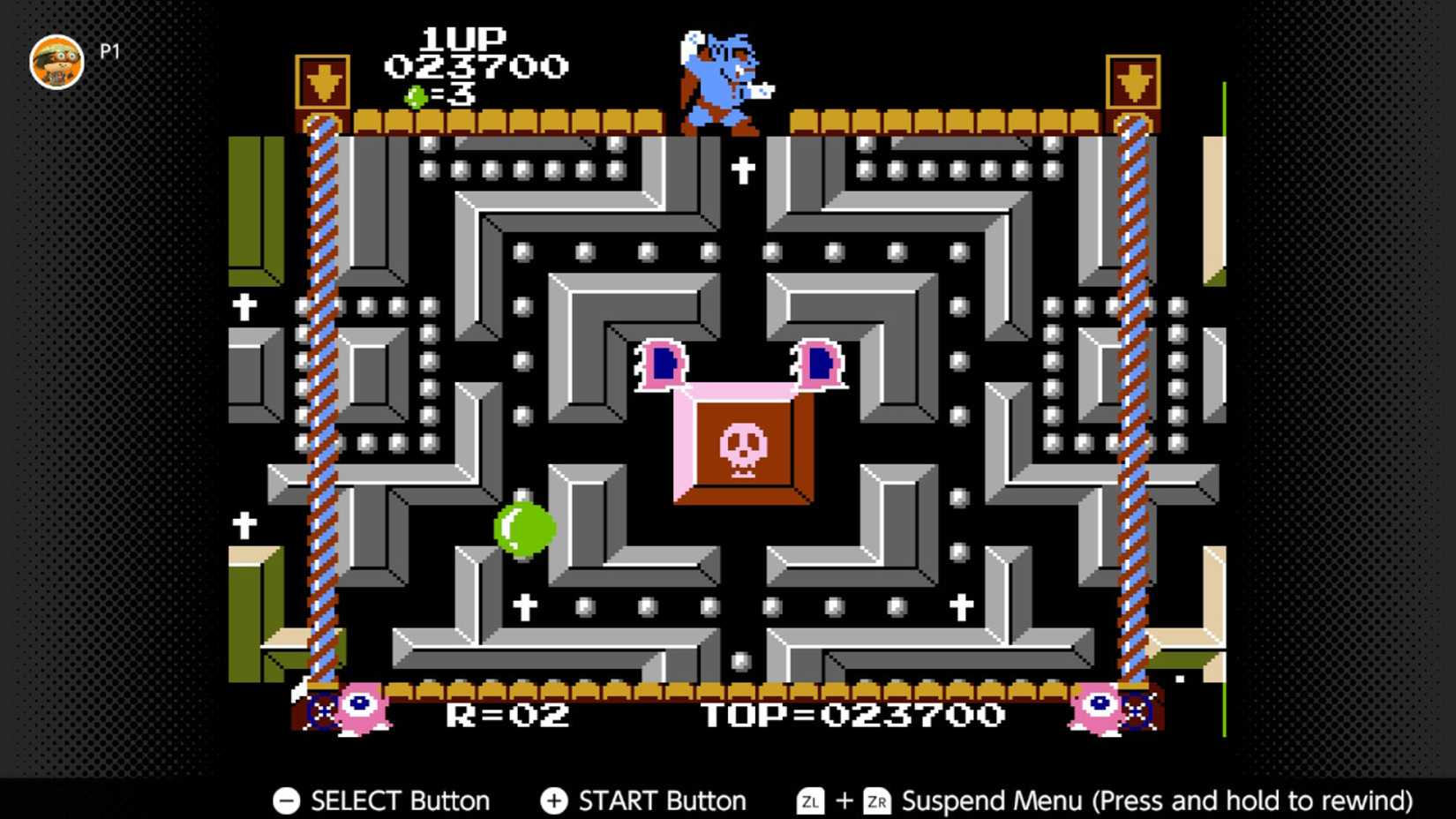
At first glance, Devil World looks like Nintendo’s answer to Pac-Man. Tamagon, a little green dragon, moves through corridors collecting items and avoiding enemies. Then the devil at the top of the screen points in a direction, and the entire maze starts scrolling. Suddenly, the walls are as dangerous as anything chasing you, turning a simple idea into a frantic test of awareness.
That constant movement forces quick decisions, especially when a corridor starts closing around Tamagon. Crosses let him breathe fire, giving you a way to fight back while navigating the shifting maze. The game’s religious imagery kept it out of the original North American NES lineup given the climate at the time, which helps explain its obscurity. Still, I find its central gimmick more memorable than plenty of better-known arcade games.
6
Gumshoe (1986)
A Light-Gun Platformer That Breaks Every Rule

Few NES games are as wonderfully strange as Gumshoe. Detective Mr. Stevenson runs automatically, and the NES Zapper does the work. Shoot Stevenson and he jumps; fire elsewhere to take out enemies or clear hazards. Nintendo turned a peripheral best known for Duck Hunt into the control scheme for a full platforming game, and the result is charmingly chaotic.
I admire how fully Gumshoe commits to the idea. You’re managing ammunition and timing every shot while searching for the diamonds needed to rescue Stevenson’s kidnapped daughter. It demands far more precision than its odd premise suggests. Because the original Zapper depends on CRT technology, the game is difficult to revisit on modern displays. That’s a frustrating fate for something this inventive.
5
Balloon Fight (1985)
Floaty Controls Make Every Match Unpredictable
-

-

-


Balloon Fight has an immediately charming setup. You flap to gain height, drift with momentum, and try to land on an opponent’s balloons before they pop yours. The rules take seconds to understand, but controlling your movement demands concentration. Every panicked correction sends you somewhere new, often straight into the enemy you were trying to avoid.
That unpredictability is why I rate it so highly. Downed rivals can recover if you don’t finish them, while lightning and a hungry fish make staying airborne a balancing act. Two-player sessions regularly become accidental battles, and the endless “Balloon Trip” mode strips everything down to movement mastery. It’s the sort of arcade game that turns a five-minute break into another dozen attempts.
4
Wrecking Crew (1985)
Mario Trades Jumping for Clever Demolition Puzzles

Wrecking Crew gives Mario one of his strangest jobs: a demolition worker armed with a hammer and no ability to jump. I suppose it’s not too far from plumbing. The objective is to smash designated walls and structures, but breaking everything in sight is a terrible strategy. Destroy the wrong object, and you’ve blocked a route or trapped yourself. Every level asks you to think before you swing.
The stages work as compact logic puzzles, with enemies such as Foreman Spike disrupting your plans. Better still, there’s a level editor, an ambitious addition to a 1985 NES release, even though saving creations originally required extra hardware. I enjoy seeing Mario in a game that rewards patience over reflexes — I think that’s a theme in a lot of these entries. His early puzzle-platforming career deserves far more appreciation.
3
Kid Icarus (1986)
Pit Had a Fascinating Story Before Smash Bros.
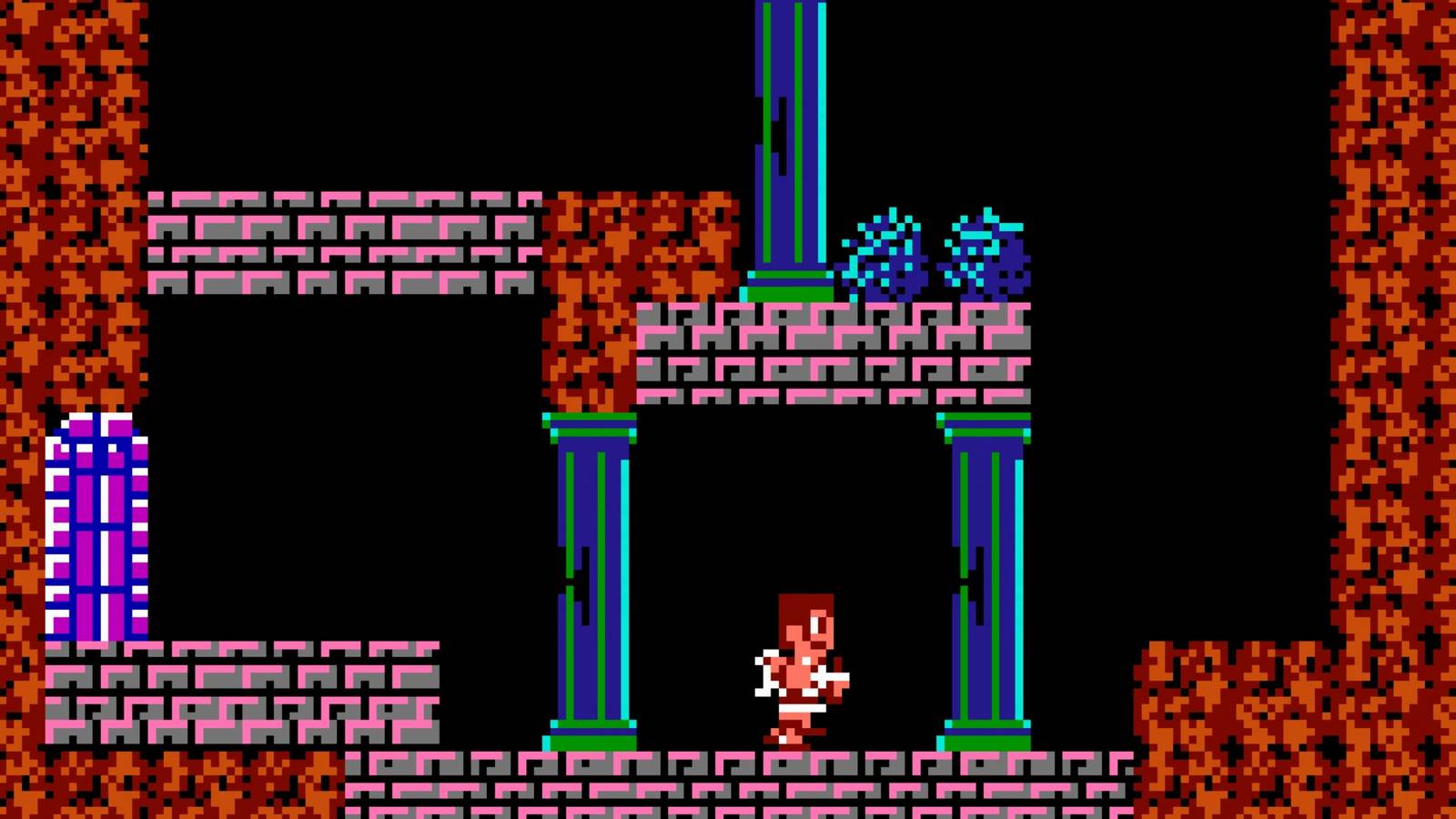
Pit gets plenty of recognition through Super Smash Bros., but his first adventure remains a bit of an oddity. Kid Icarus combines vertical climbing with side-scrolling stages and fortress-like labyrinths. You collect hearts to spend in shops, improve Pit’s strength, and work toward defeating Medusa to rescue Palutena. It’s brutally difficult at the start, before your upgrades start making a difference.
The gradual increase in health and equipment gives the whole game a rewarding sense of progression. Each section asks for a different skill, from careful climbing to figuring out a fortress’s layout. There’s an ambitious action-platformer beneath the rough edges, and the original game deserves recognition for its design rather than simply being remembered as Pit’s debut.
2
Zoda’s Revenge: StarTropics 2 (1994)
A Late NES Sequel With Smoother Action
Zoda’s Revenge: StarTropics 2 arrived in 1994, when the SNES had already taken center stage. The timing buried a sequel that made some smart improvements. Mike Jones returns, but the tropical islands give way to a journey through history, with stops involving Cleopatra and Leonardo da Vinci. It’s an unexpectedly playful direction for Nintendo’s overlooked adventure series.
The biggest upgrade is movement: Mike can travel and attack diagonally, making fights feel less rigid than in the original. I love the historical detours, even if they sacrifice some of the first game’s distinctive island atmosphere. As the final original entry in the series, Zoda’s Revenge shows how much a late-generation NES game could refine a promising formula.
1
StarTropics (1990)
Nintendo’s Forgotten Adventure Series Deserved Better
Of everything here, StarTropics is the game I’d most like Nintendo to revisit. Mike Jones arrives on a tropical island and discovers that his archaeologist uncle has disappeared. What follows is a cheerful, mysterious rescue mission that trades The Legend of Zelda‘s fantasy world for island villages, submarine travel, and dangerous dungeons. Its setting gives the adventure a personality all its own.
The yo-yo combat and grid-based movement have their quirks, but the mix of exploration and puzzles makes StarTropics special. My favorite detail is the letter that was included with the original cartridge: players had to dip it in water to uncover a code needed in the game. I’m a little young to remember that exact experience, but I still like the idea. That bizarre, brilliant puzzle captures the creativity of Nintendo’s forgotten NES experiments, and it’s why this takes my top spot.