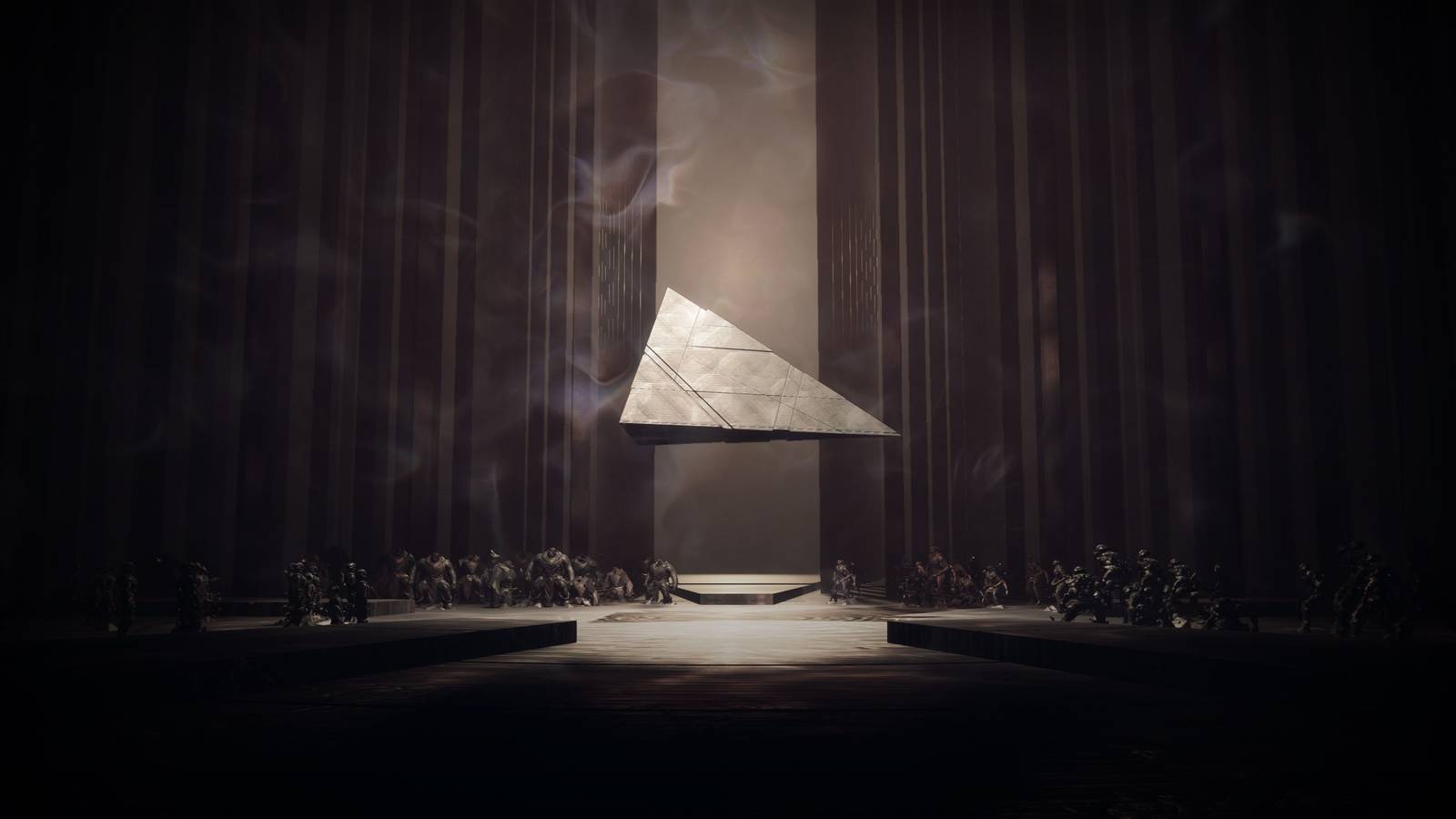



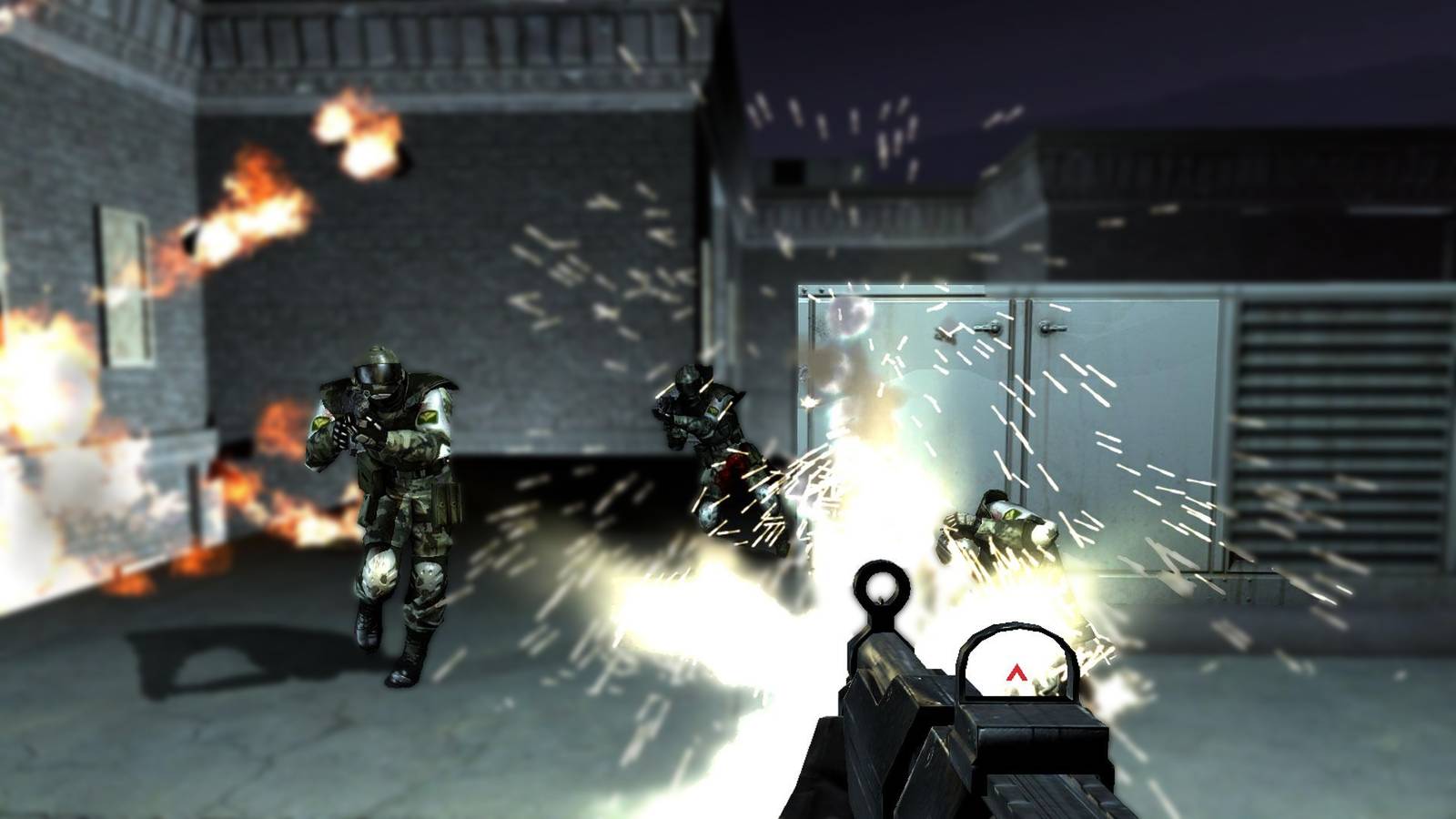


When Remedy released Control in 2019, it didn’t fit neatly into any existing space. It wasn’t quite a booming AAA shooter, nor quite an indie darling, but rather its own strange little AA joint destined for “cult classic” status. Control‘s winning combination of brutalist aesthetics, mundane everyday items and office spaces, and the weird fiction of urban myths and creepypasta tales quickly carved out its own space, one which would grow in size as adoration for the oddly shaped hit spread.
Mikael Kasurinen, the creative director behind Control and its sequel, Control Resonant, tells me that the success of this smashing of aesthetics stems from how “real” it all feels. “I think there’s a shift that’s been happening in the last five to ten years,” Kasurinen opined, “where I think that there’s kind of a Stephen King era of classic horror that is—not being replaced, but there’s this new weird: creepypasta, internet lore, the Backrooms…You know, taking the world as it is but then have something utterly confusing happening within it.”
What Kasurinen is talking about is a kind of grounded weirdness and horror spectacularly captured by recent works like Severance and Backrooms as well as by The Oldest House (still the coolest name ever for a game’s setting), an imposing skyscraper in the heart of Manhattan whose impossible depths, out-of-this-world sights, and shifting corridors set the tone for Control.
Players became enamored with the Federal Bureau of Control, or FBC, a secret government agency headquartered there which tries to contain and understand the supernatural phenomena of the world, like a floppy disk that grants psychic powers, a slide projector with the ability to open portals into other worlds, and a fridge capable of housing powerful beings of untold origins. Along the way, they even came to love the oddball crew that staffed the FBC like Ahti, a Finnish janitor who speaks in what seems to be broken English until you make sense of his cryptic ciphers and realize he might actually be the most powerful thing/person in the universe.
Slowly but surely, Control got the acclaim it deserved and found its place among the weirdos. Players eventually peeled back enough layers to connect with its strange heart and exhilarating plays on convention; the Ashtray Maze is still a standout video game sequence to this day. It certainly accrued enough accolades to justify Remedy’s continued exploration of the connected universe it had created, which linked Control to 2010’s Alan Wake and has since gone on to encompass that game’s acclaimed 2023 sequel.
Now we’re getting Control Resonant, a sequel that leaves behind (and even partially destroys) some of the very things that made its predecessor so successful, all the while embracing a more conventional shape: that of a third-person hack-and-slash action-RPG that leaves behind the protagonist, genre, and locales of its predecessor.
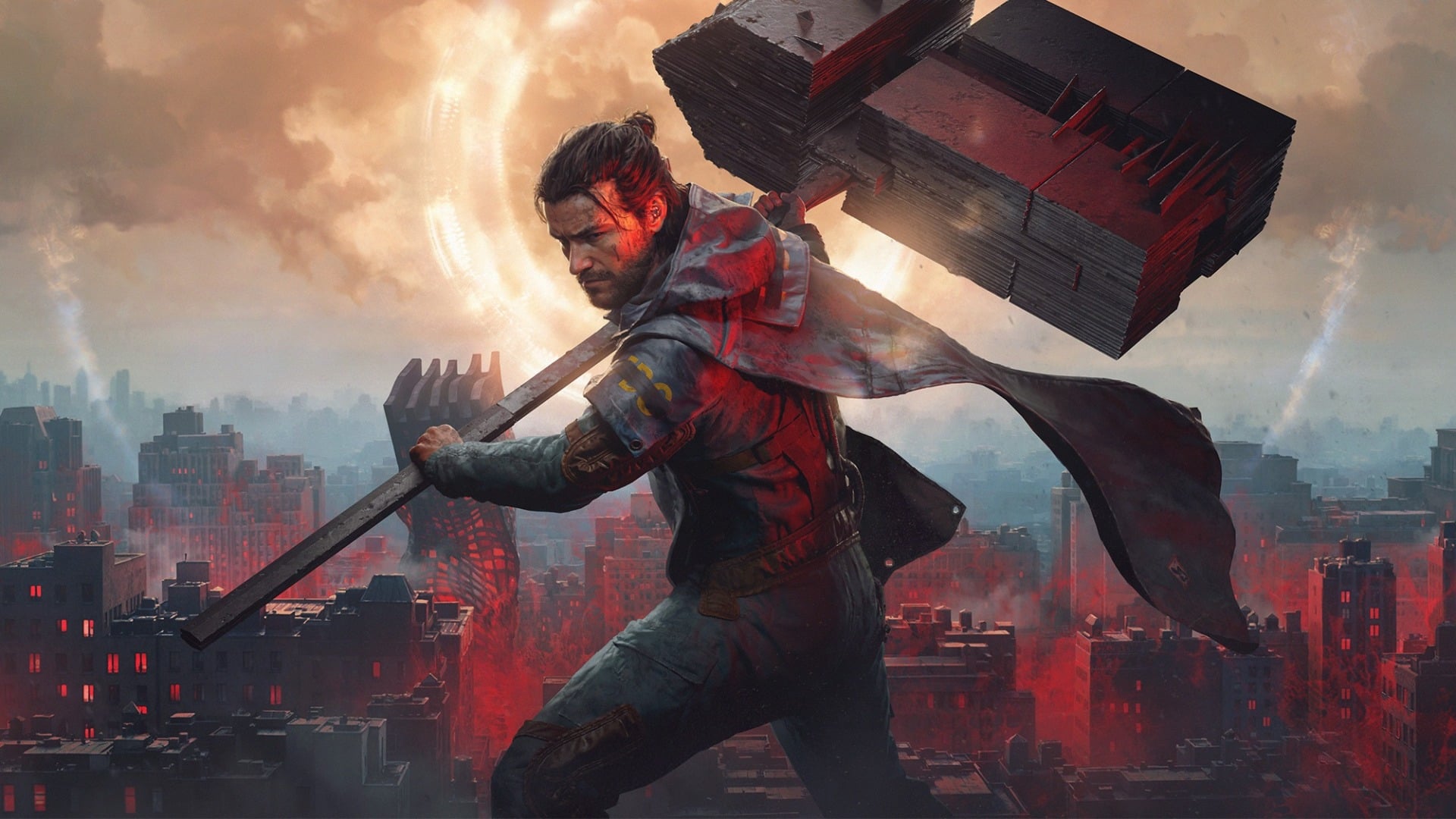
My preview of Control Resonant consisted of the game’s opening act, which follows new protagonist Dylan Faden (the brother of the first game’s heroine, Jesse) as he spills out of the Oldest House, which has seen better days, and onto the mean streets of Manhattan. “Of course it was deliberate that we’re leaving the Oldest House behind, that it’s fallen and broken down…The first game is about Jesse stepping from our world into this place of power that’s inherently weird and so on, and she tries to understand, ‘What the fuck is this place?’” Kasurinen tells me, all the while likening her journey to Alice in Wonderland. In order to invert the sense of comfort that both the creative team and players have likely developed over the course of playing (and perhaps even replaying) Control, Kasurinen admits that the team had to leave behind the popular setting and embrace something bigger—New York City—which also let them stick Dylan, a character molded by the FBC’s weirdness, into a more conventional setting.
It’s not that conventional, though. The Hiss, an otherworldly enemy from the first game, seems to have shred reality to ribbons outside the walls of the Oldest House, where it was once contained. Streets fold in on one another, while impossible chasms abruptly cut off Manhattan from the rest of the world. As a result of the Hiss bleeding out from the Oldest House, the FBC has carved parautilitarian firebreaks into what remains of the city. Birds are trapped in torturous flight patterns; it’s as if the city has been turned on itself. And it’s this “storm,” as Dylan’s actor Sean Durrie puts it, that Resonant‘s unlikely protagonist emerges into.

Though it has been seven years since the events of Control, Dylan’s possession and subsequent coma still haunt him. He’s timid and his voice quivers often. He stammers through his thoughts, not unlike his older sister, but with less of the tenacity and authority that Jesse could more immediately conjure. Perhaps as a result of this, Remedy has seen fit to let players make more dialogue choices in Control Resonant, which appear unlikely to alter the trajectory of the story but certainly allow for some player-driven characterization. “I think, you know, Dylan wants to find his purpose and be seen and find himself. And I was a middle child—you know those jokes about the middle child, you always get forgotten about…And so I get the idea that you want to find who you are and become your own person,” Durrie told me.
Fortunately, the one thing Dylan is expressly good at, much like his sister, is fighting these supernatural enemies, and he does so with a new shape-shifting weapon, the Aberrant, which can immediately don one of three sick-as-hell forms, including a Bloodborne-like saw cleaver and a crowd-clearing scythe, which I opted for.
What followed was one of the slicker tutorials I’ve ever experienced. Control Resonant has a lot to set up, both for newcomers and diehard fans of the original and the Remedy Connected Universe, and so it’s got to immediately step on the gas and hope you’re keeping up with everything being thrown at you. Dylan quickly makes contact with a field agent in distress named Zoe and fights his way to her, all the while coming up against clear signs of Hiss fuckery: smoke-like crimson red walls block off whole streets, dead bodies hang suspended in the air above you, and pillars of ominous light jut out of the concrete as opponents enter our world to kill you.
If there was ever concern that a switch to a hack-and-slash action game might feel awkward in the hands of the developers behind Max Payne, rest assured that Remedy seems to have done its homework. Don’t expect to dash between foes with the aplomb of, say, Devil May Cry‘s Dante, but Dylan swings the Aberrant like a man on a mission, and he’s got the suite of skills to complement that drive. In its scythe form, I felt like I was ripping chunks of Hiss out with every swipe, a holdover from Control‘s similarly punchy gunplay that often made it feel like I was blasting pieces clean off of my foes.
I quickly obtained a heavy attack that took yet another form (this time a whip) and though it was early days, I could feel neurons firing as I tried to string combos from one form into another. It wouldn’t be till much later, in an entirely different chunk of the game with far more tools and skills unlocked, that it truly gelled, though. During that freeform part of my session, I was let loose on a part of the city with powers that allowed me to ground pound, throw out a psychic punch, and zip through the air to perform cinematic executions that buffed me. I would sidestep incoming attacks, uppercut enemies into the air where they seemed to hang—there are air juggles everywhere for those with eyes to see— and bludgeon armored foes with a heavy hammer swing. I fought a bus, man, and I weaved in and out of all these encounters with ease and finesse.
It took Jesse the entirety of Control to accrue her suite of weapons and powers, including the ability to float and throw objects at enemies, but Resonant smartly doles much of this out to Dylan in an early and clever sequence that bridges a metaphysical gap between the siblings, who begin the game apart for mysterious reasons. Before long he can dash and fly just like his accomplished sister, laying the groundwork for Remedy to build out an entirely new set of skills and augments, much of which seems like it’ll come by way of Resonant‘s many skill trees, which I only got the teensiest glimpse of in my preview.
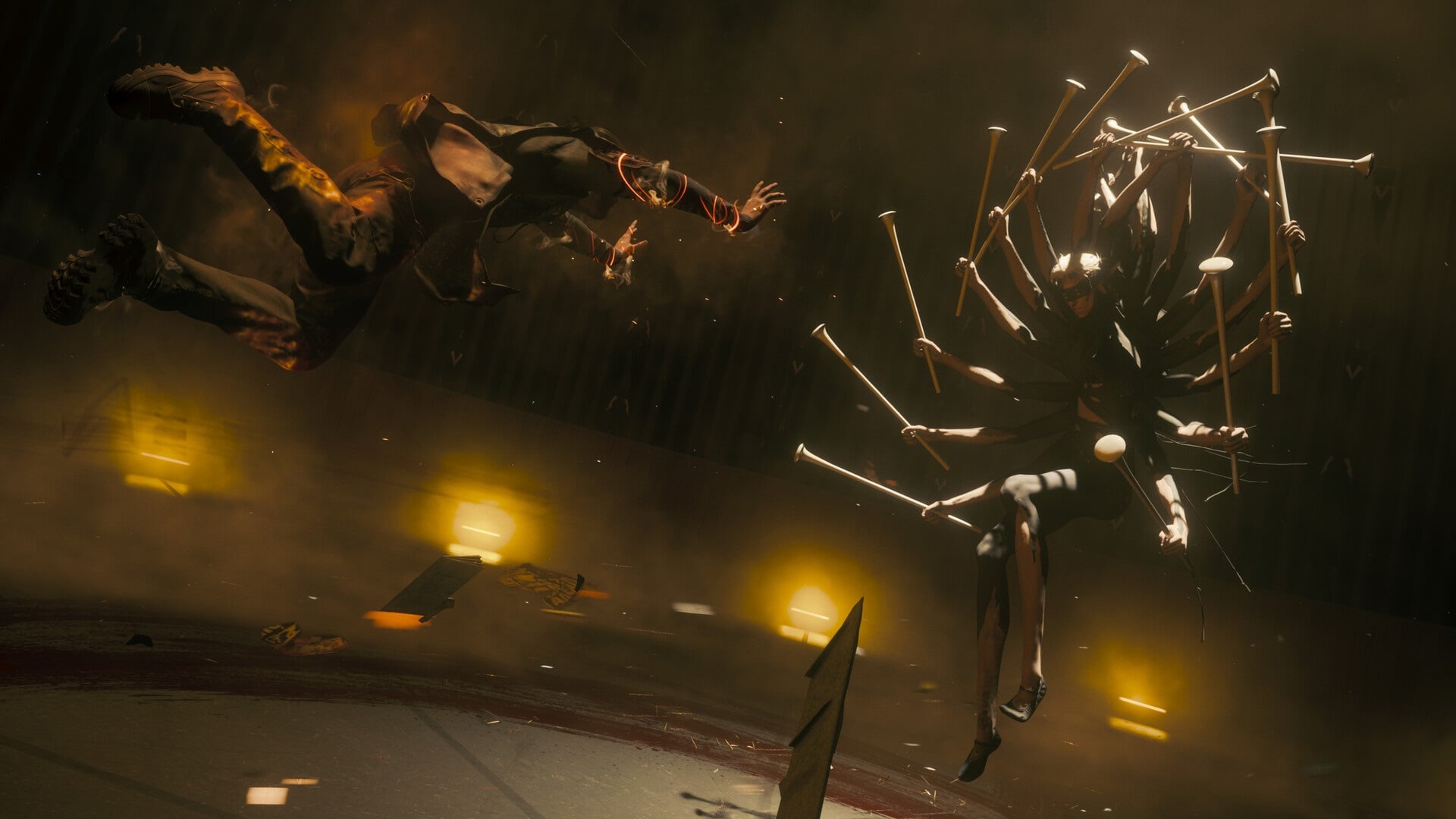
Resonant‘s introduction establishes a lot, like the Hiss-altered Manhattan (a character says a six-inch crack in the street grew into a bottomless pit within hours), a significant passage of time between titles, and a genre shift, but it all culminates in a satisfactory, if simple, boss fight against a freaky-looking Resonant Entity that looks like an art installation given life. Its appearance also teases that there are maybe even things beyond the Hiss—like Jesse’s supernatural companion Polaris or the Former—at work in the city.
Overall, Control Resonant and Remedy have seemingly channeled the very same confidence and stylistic verve that was apparent in the first installment. Resonant seems a touch more conventional—it’s already exhibiting tried-and-true signs of AAA bloat if those skill trees I saw are to be believed—but I’m choosing to give one of the most consistently surprising developers the benefit of the doubt. Especially if it means once again getting to dive into the awe-inspiring weirdness of the universe that Remedy has been steadily building up for more than a decade. Resonant seems like the most monumental piece of the puzzle yet, and after playing some, I cannot wait to uncover what it’s hiding.