





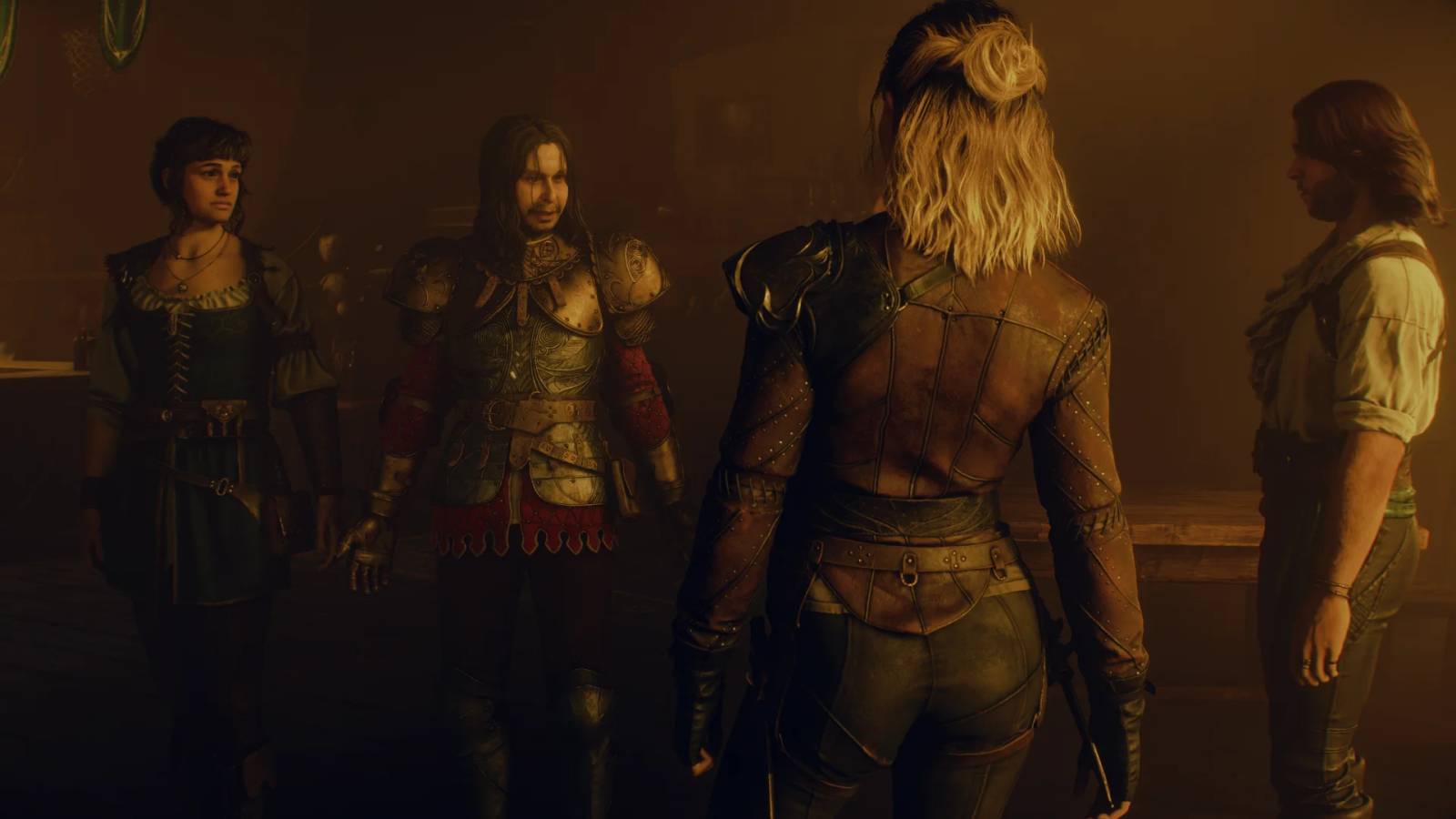
One of the more intriguing aspects of the upcoming Fable reboot is Playground Games’ promise that it will contain a whopping 1,000 interactive NPCs. Large NPC counts aren’t exactly unheard of in the world of open-world gaming, but in the case of this new Fable, every single one is handcrafted.
NPCs can pose a tough balancing act, from a game design perspective. In a linear action game like Uncharted, NPCs mostly serve as cannon fodder or, on the friendlier end of the spectrum, narrative devices; they’re defined more by utility than by systems. But examine a big open-world RPG like Fable, with life/social simulation mechanics, and the purpose of non-player characters becomes much more complex and, when done right, rewarding. This is something that the original Fable trilogy did quite well, but we’re in a new era now, and Playground Games would do well to approach NPC design with the rigor, ambition, and creativity that the times demand.
Fable’s Is Taking a Painstaking Approach to Its NPC Design
-
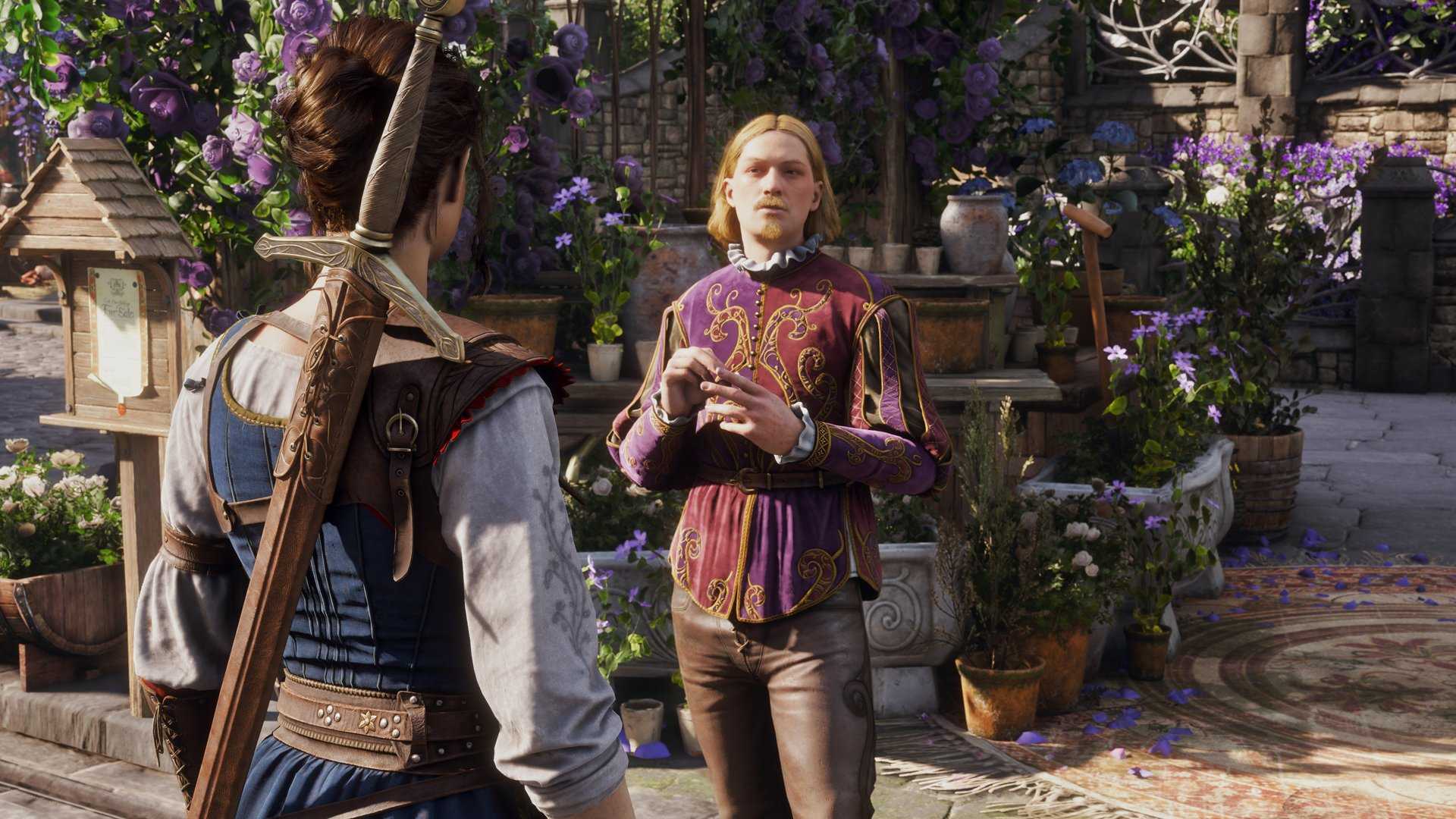 Image via Playground Games
 -
 Image via Playground Games
 -
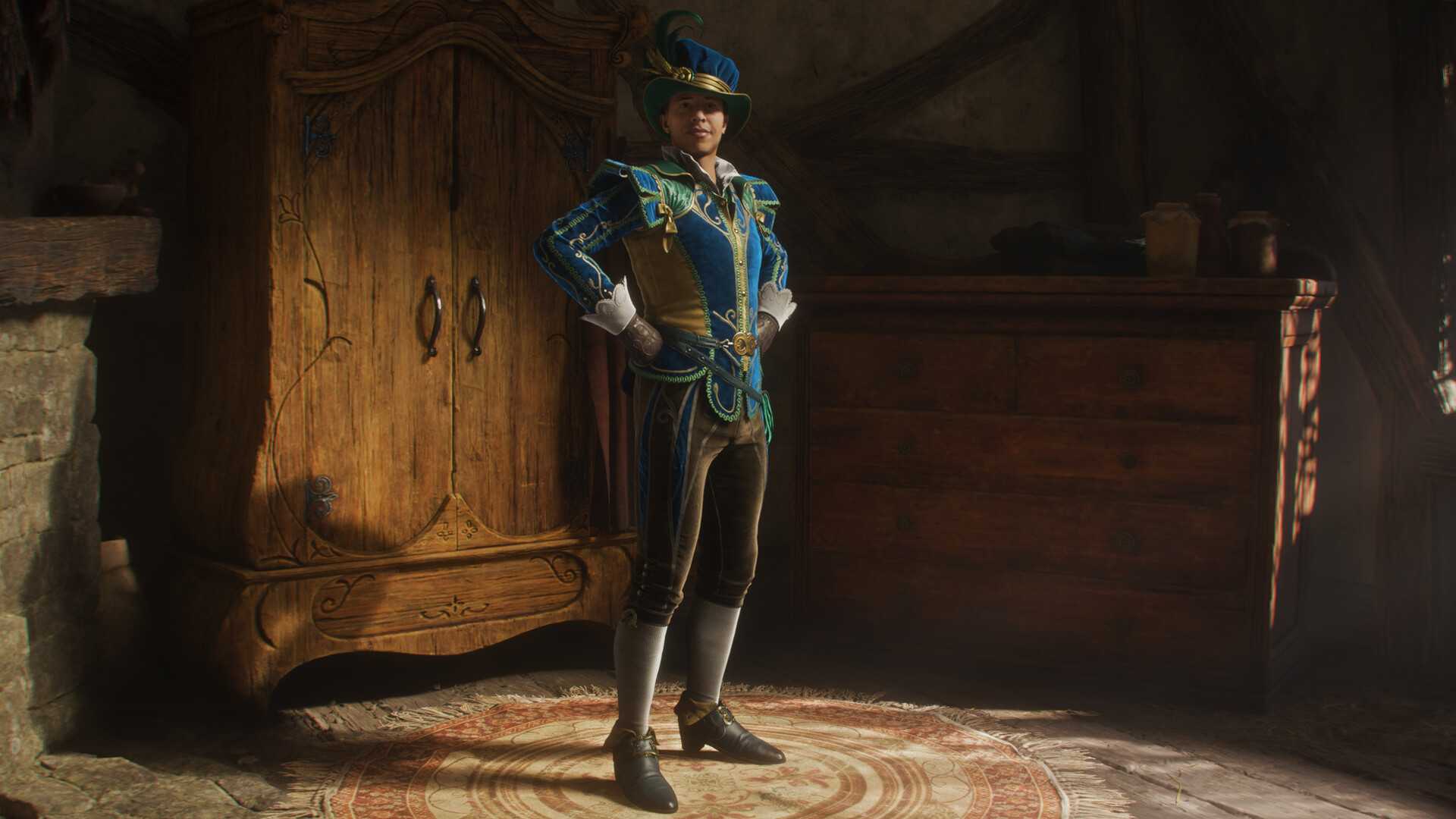
Thankfully, it would seem that embracing modern game design won’t mean adopting excess automation. According to an interview GamesRadar conducted with Fable director Ralph Fulton, every Fable NPC is defined by a set of traits, all of which inform their relationships with the player-character. An example offered by Fulton is the “hard-working” trait: a hard-working NPC will boost profits at a player-owned business, making them more appealing to seek out and hire.
It bodes well that Playground Games apparently made the conscious decision not to procedurally generate its massive NPC population. According to Fulton:
“We individually picked everything about every NPC to make it into an NPC that you could read, that made sense top to bottom. We originally had a tool that would randomize it, and just ‘roll’ an NPC, and that would have been a massive labor-saving device. That would have saved us so much time, but what we found was, they just didn’t make as much sense.”
Fulton says that, with randomization, Fable‘s many characters wound up presenting an immersion-breaking debacle. They may have appearances that don’t match their professions or dispositions (the GamesRadar piece mentions a “vegan butcher” as an example), or perhaps act in other unexpected, ineffective, or otherwise undesirable ways. To what extent such mismatches would have impacted the final product is unclear, but considering that Fulton describes ditching a “massive labor-saving device” just to avoid problems associated with randomization, we can assume that the impacts would have been significant.
Every Fable NPC is defined by a set of traits, all of which inform their relationships with the player-character.
It’s easy to feel admiration for Fulton and his team upon hearing this. After all, even if you don’t have game development experience, it’s obvious that manually designing 1,000 NPCs is no small undertaking. And if you think about how important NPCs are to the Fable franchise—a franchise that lets you marry, have children with, befriend, fool, and steal from just about anyone—it’s even more praiseworthy that Playground would go to such lengths.
Hopefully, Fable Can Be a Shining Example for Other AAA Open-World Games
-
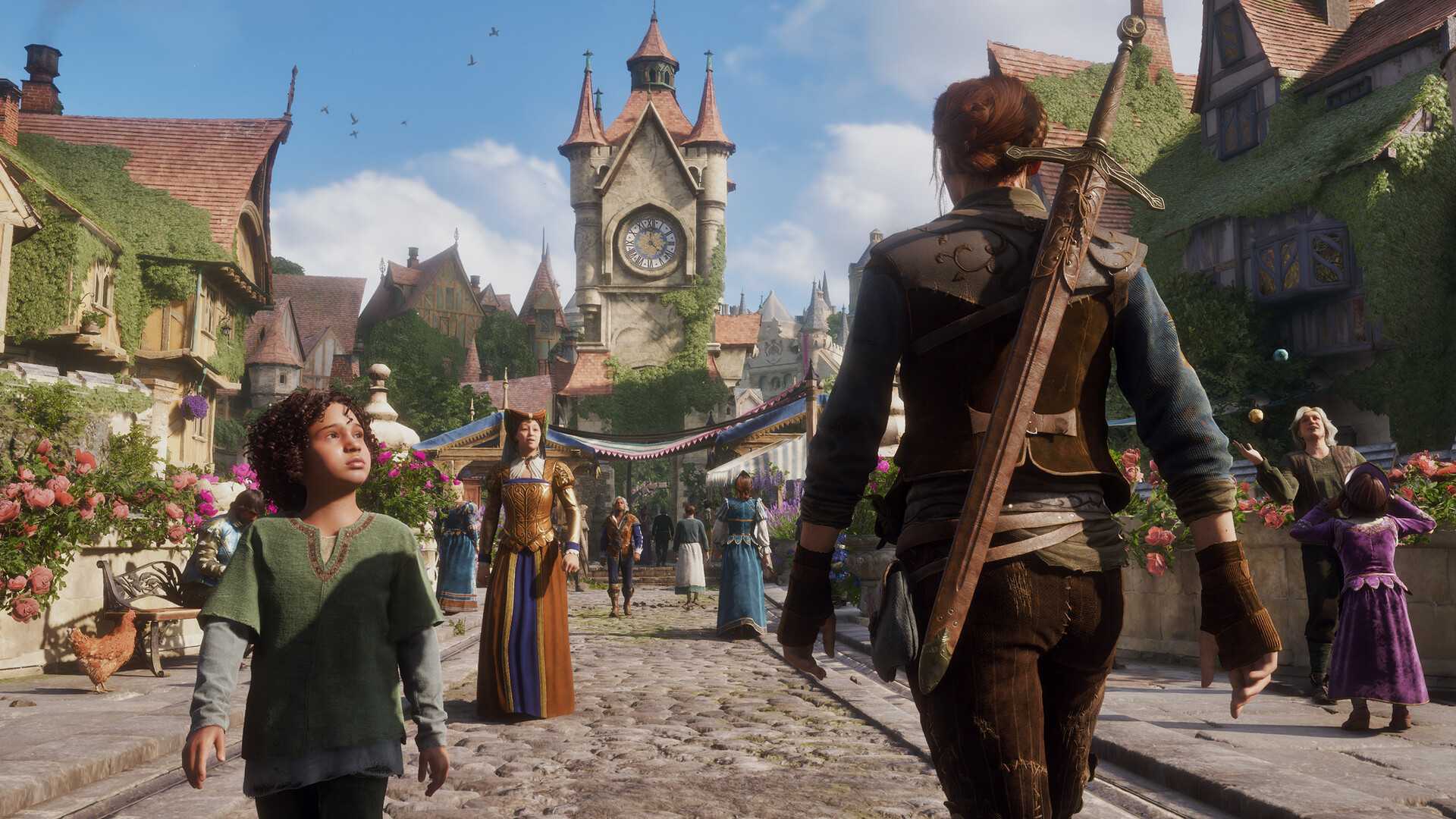 Image via Playground Games
 -

-
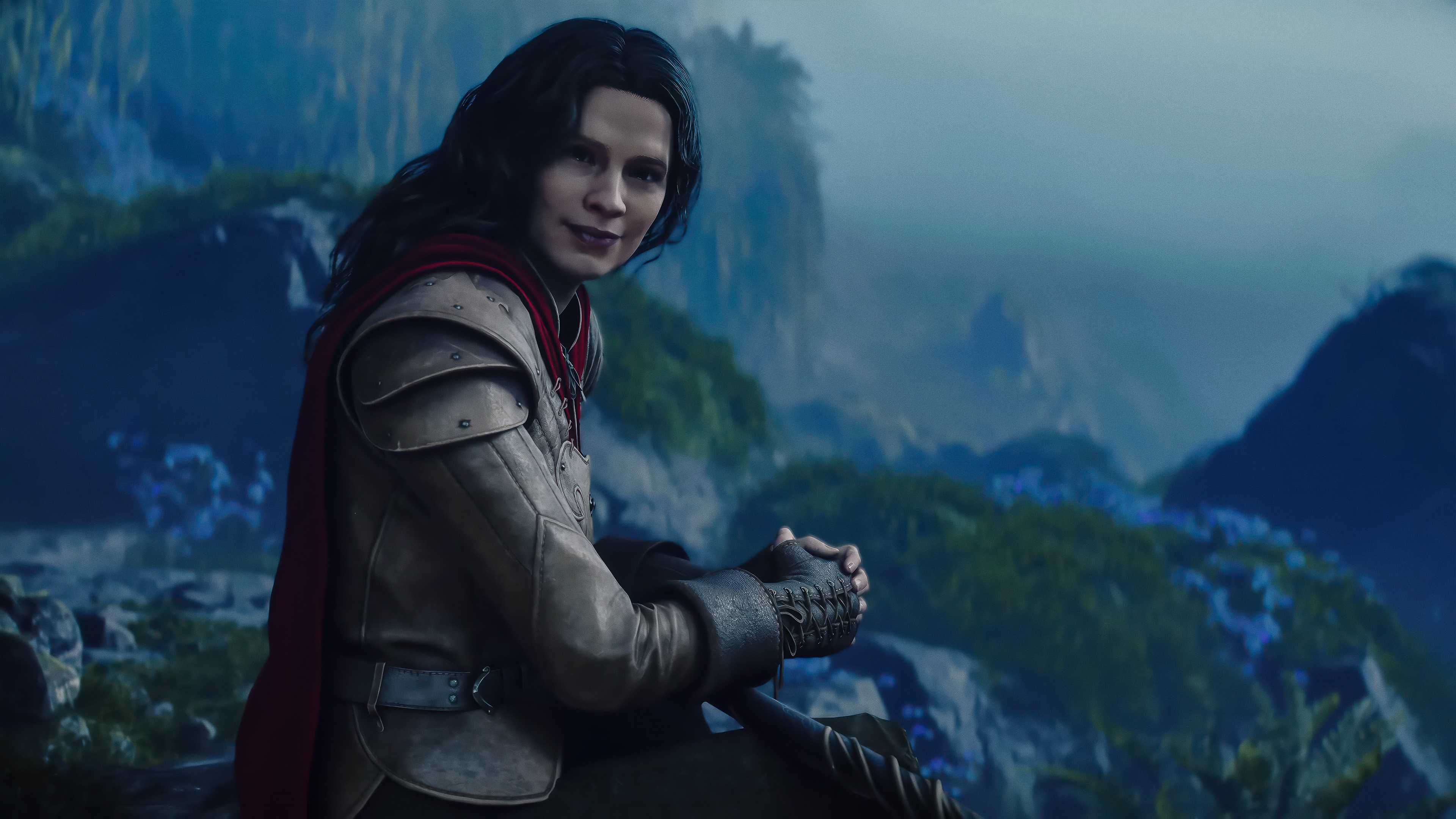 Image via Xbox Game Studios
In theory, Playground’s insistence that every NPC be manually designed is a sign of good things to come for Fable, indicating an alluring attention to detail. Anyone who’s played the Forza Horizon games will already know that Playground has a knack for this kind of thing. But arcade-sim car racing and lifelike graphics are quite different from NPCs in an ambitious, immersive RPG like Fable.
It’s not entirely clear how many distinct character traits Fable will feature, nor how much this will actually affect the player experience. Thankfully, it seems like Playground has that first part covered—the studio claims that there are thousands of different NPC traits. But if a significant number of these traits only have minor results, like unique dialog barks or gift preferences, then Playground’s hand-painted approach might not be so fruitful.
The older Fable games seem to make use of a similar NPC system. In them, you can find similar traits across all barbers, stall owners, and so on. If Playground Games’ greatest contribution to the Fable social sim is ensuring that NPCs have traits that match up with their professions, then I have some bad news: Fable has already done that. For Playground to truly take the Fable sandbox to the next level, the extra effort made for features like NPC traits needs to lead to said features actually being high-quality and unique. There are no participation trophies in a genre as competitive as the open-world RPG.
Regardless of the Results, Fable’s Granular NPC Design Should Inspire Other Developers
The average open-world RPG seems to take the following broad-strokes approach with its NPCs: make a handful of them important, interactive, or otherwise load-bearing, and make most of them set dressing. It’s highly respectable that Playground would opt to give itself more work in the service of more carefully crafting all of its NPCs, not just some.
I don’t just mean that this approach should be respected in a superficial way. This degree of attention and care ought to be more commonplace in open-world RPGs, especially those that purport to be immersive, or boast about complex social and role-playing mechanics. Even if Fable‘s trait system doesn’t lead to revolutionary NPC design, the intention behind it is powerful. The average gamer is going to be far more affected by 100 hand-crafted NPCs than thousands of procedurally generated ones. Hopefully, Fable will manage to offer the best of both worlds.
Fable definitely looks nice, and I would be surprised if it’s not a good time. But as someone who grew up with the originals, which were cutting edge at that time, I would be much happier to see this Fable reboot emerge as a leader in the RPG space, not a follower. In other words, I would hope that Playground is planning on carving its own path, and paying extra attention to its NPC design could be a good way to do that.

- Released
-
February 23, 2027
- ESRB
-
Mature 17+ / Blood, Sexual Themes, Strong Language, Violence
- Publisher(s)
-
Xbox Game Studios
- Engine
-
unreal engine 4, forza tech