



Once upon a time, new FPS games rained from the heavens daily, showering us with polished AAA blockbusters, clunky experimental treats, and B-grade schlock. It was a glorious time to be alive, and this period produced so much quality content that history couldn’t fully accommodate every masterpiece. Some truly amazing FPS games faded away, destined to be remembered only by die-hard fans and nostalgia-fueled writers.
Look, I just want to talk about some old-school shooters that rarely get mentioned nowadays, ones that were all top-notch during their day. For one reason or another, most of them aren’t really playable anymore, so this article is more of a celebration of the forgotten than a traditional recommendation list.
Operation Gunbuster Is The Forgotten Evolutionary Step
A 1992 Arcade Gem That Helped Shape The FPS Genre
-
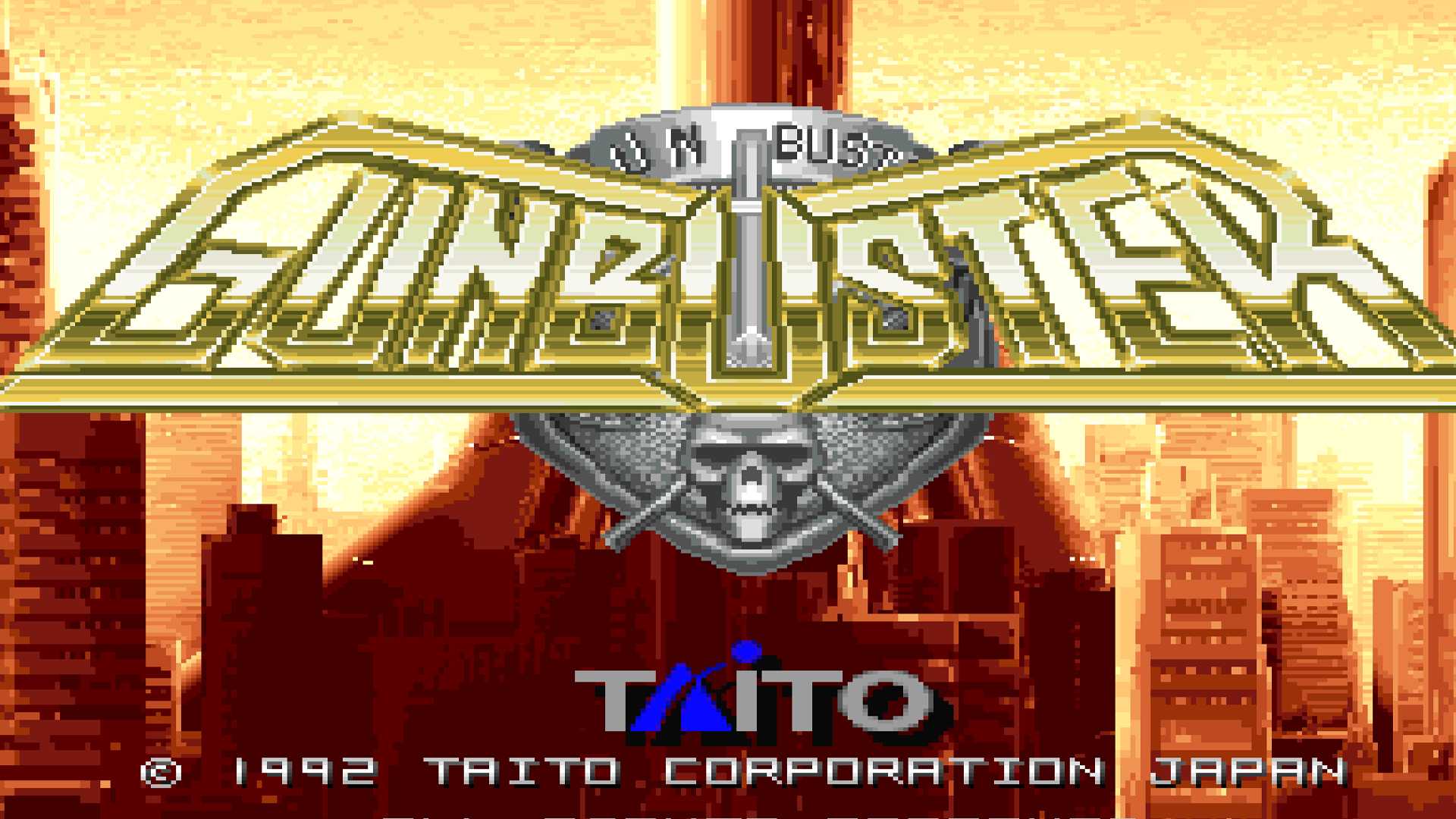 Image via Taito
 -
 Image via Taito
- Taito’s free-movement arcade shooter released between Wolfenstein 3D and DOOM.
- While technically possible, Operation Gunbuster‘s controls are an absolute pain to adapt to modern systems. That’s why I used images from the demo.
- It remained exclusive to Taito’s SZ arcade board and never received a PC or console port.
Arcade shooters were common and consistently awesome in the ’90s, but most were on-rails and didn’t feel like traditional FPS games. Taito’s Operation Gunbuster rejected the standard control scheme, instead opting for full mobility and gameplay closer to a 3D arena shooter. Using an 8-way joystick, players can strafe sideways and move forward or backward; meanwhile, their other hand holds a lightgun that lets them shoot and turn.
At the time, arcades were far more powerful than consoles or home PCs, and Operation Gunbuster looked light-years ahead of something like Wolfenstein 3D. Taito even included a 2v2 deathmatch mode, beating DOOM to the punch by about a year. Don’t get me wrong, id Software deserves all the credit in the world for codifying FPS as a blueprint, but Taito’s ambitious arcade game should be mentioned alongside the genre’s pioneers.
Natural Selection 2 Survived A Terrible Launch To Become Something Special
Smash RTS, FPS, and Aliens Together And You Get Natural Selection 2

- A multiplayer-only shooter that is kept alive by a tiny but dedicated fanbase, but it is effectively all but dead.
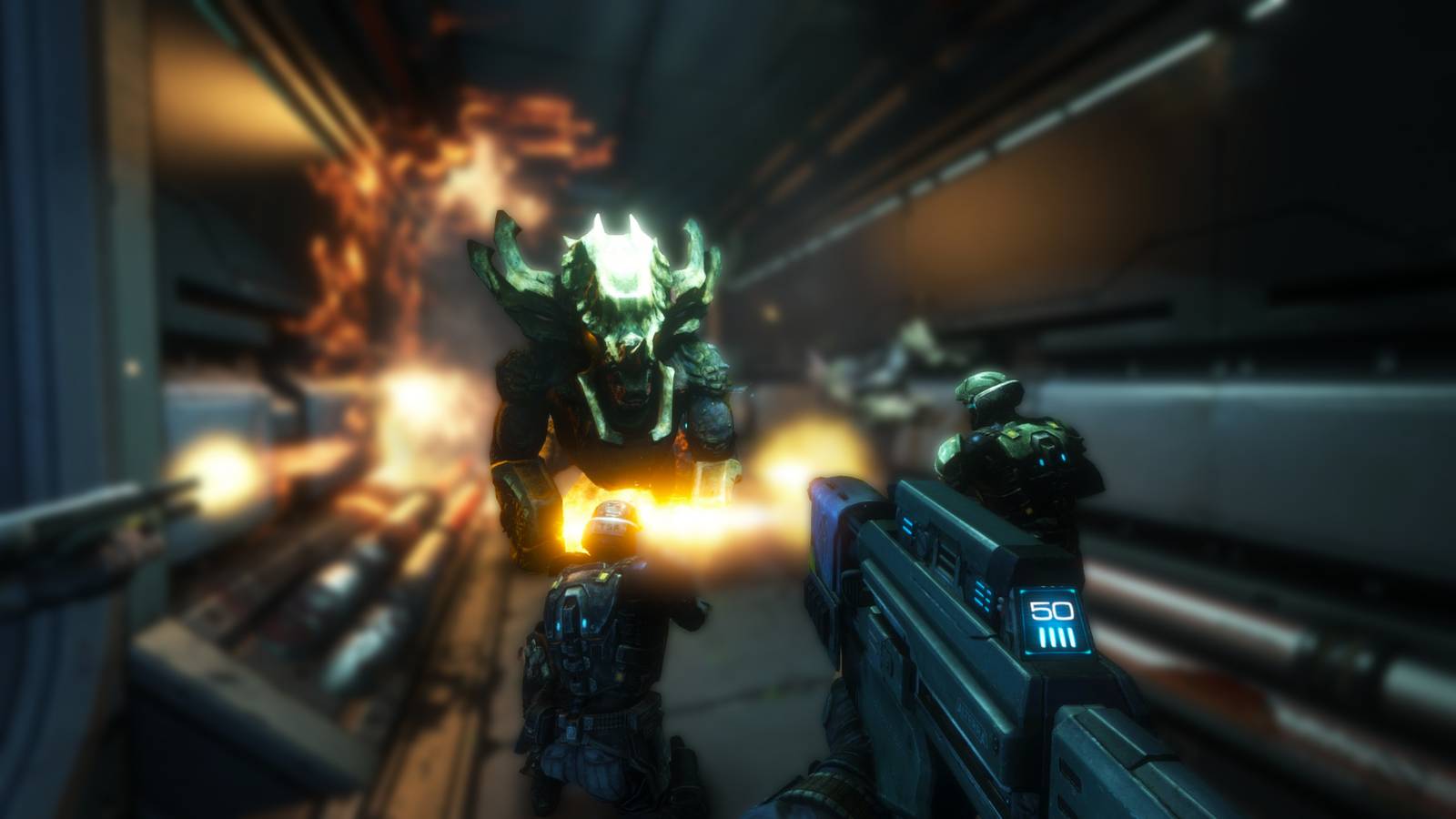
OK, phrases like “perfect,” “10/10,” and “masterpiece” are a stretch for Natural Selection 2, at least its original version. By combining real-time strategy with gunplay, Unknown Worlds built a project that let both genres shine, rather than water them down until they barely resemble what they are meant to be. Unfortunately, NS2‘s 1.0 launch was, well, a disaster, with a poorly optimized engine, server decay, terrible load times, and no automatic matchmaking system.
Unknown Worlds needed more than a year to steady the ship, but a few massive overhauls unlocked the game’s full potential. In 2014, the developer handed over the keys to a community development team, leading to another decade of updates before NS2‘s official retirement in 2023. What I’m trying to say is that a lot of time, energy, and passion were put into saving this unique multiplayer shooter, one that was never truly a big hit.
NS2‘s legacy comes from the fact that there is basically nothing else like it. One player on each team acts as a commander who views the action from a top-down RTS perspective, supporting his team through resources, weapon tech, and health packs. The teams are split into Marines and Aliens, both of which play very differently and come with pretty steep learning curves.
Unreal Championship 2: The Liandri Conflict Is An Xbox Gem
A Great Shooter AND A Solid Third-Person Action Game
- An Xbox-exclusive that became an afterthought almost instantly, especially once Epic got on board the Gears of War train. Also, it didn’t help that Unreal Championship 2 launched 6 months after Halo 2 and about 7 months before the Xbox 360’s debut.
Unreal Championship was an OK console port of Unreal Tournament 2003, but nothing more. However, its sequel, Unreal Championship 2: The Liandri Conflict, refused to be a mediocre version of greatness, and that went beyond just the franchise’s superior PC releases.
By 2005, Xbox shooters existed entirely in Halo‘s shadow, and most games adopted Bungie’s controls and mechanics. Epic Games went in a different direction, instead looking toward the character-action and fighting genres. While holding a gun, you have a traditional first-person perspective; if you switch to your melee weapon, the camera pulls back and shifts to a third-person angle. Crucially, both gameplay styles felt good and uniquely designed, at least from my memories of the game.
Although the multiplayer was certainly the main selling point back in the day, Unreal Championship 2‘s single-player content wasn’t an afterthought either, and it came with a solid roster of distinct characters who had unique abilities (and Mortal Kombat‘s Raiden was a playable character). The game is backward compatible with modern Xbox consoles, but you need a physical copy as it was removed from the digital store.
Vietcong Is A Proper Anti-Action War Sim
The Ultimate Alternative To Call Of Duty
- Let down by itself, its sequel, and changing trends.
Military shooters might as well be divided between pre- and post-Call of Duty, and the former doesn’t really exist for most people. In 2003, Vietcong presented an alternative future this subgenre could have actualized, one that emphasizes tactics and realism (for the era). Rather than reduce the Vietnam War to a shooting gallery, Pterodon and Illusion Softworks delivered a slower-paced, atmospheric experience that almost leaned into survival horror territory.
Vietcong was amazing for its era, but a few things ruined its legacy. First, the game was ported to consoles as Vietcong: Purple Haze, a stripped-back version that didn’t come close to replicating the PC release’s magic. Second, Vietcong 2 fell far short of expectations, and itsshift to urban warfare didn’t pay off. Last but most importantly, Vietcong never got a Steam or GOG release, dooming it to abandonware obscurity.
Titanfall – Overshadowed, Hacked, And Forgotten
The Fallen Giant

Honestly, I don’t really have much to say here. While the lack of a single-player was frustrating, Titanfall was a brilliant multiplayer shooter that got almost entirely erased by the launch of its sequel, the (also brilliant) Titanfall 2. The latter routinely shows up in internet discussions, but its predecessor doesn’t get nearly the same attention, especially after it was removed from stores a few years ago.
Although I prefer the sequel, the first Titanfall arguably did a few things better, or at least differently. The mech warfare was more tactical and not as influenced by hero shooters, while the Burn Card system gave trailing teams a chance to mount a comeback. The multiplayer-only campaign was pretty novel, even if a single-player campaign would probably have been better.
Also, Titanfall had a huge hacking problem that rendered it unplayable for years.