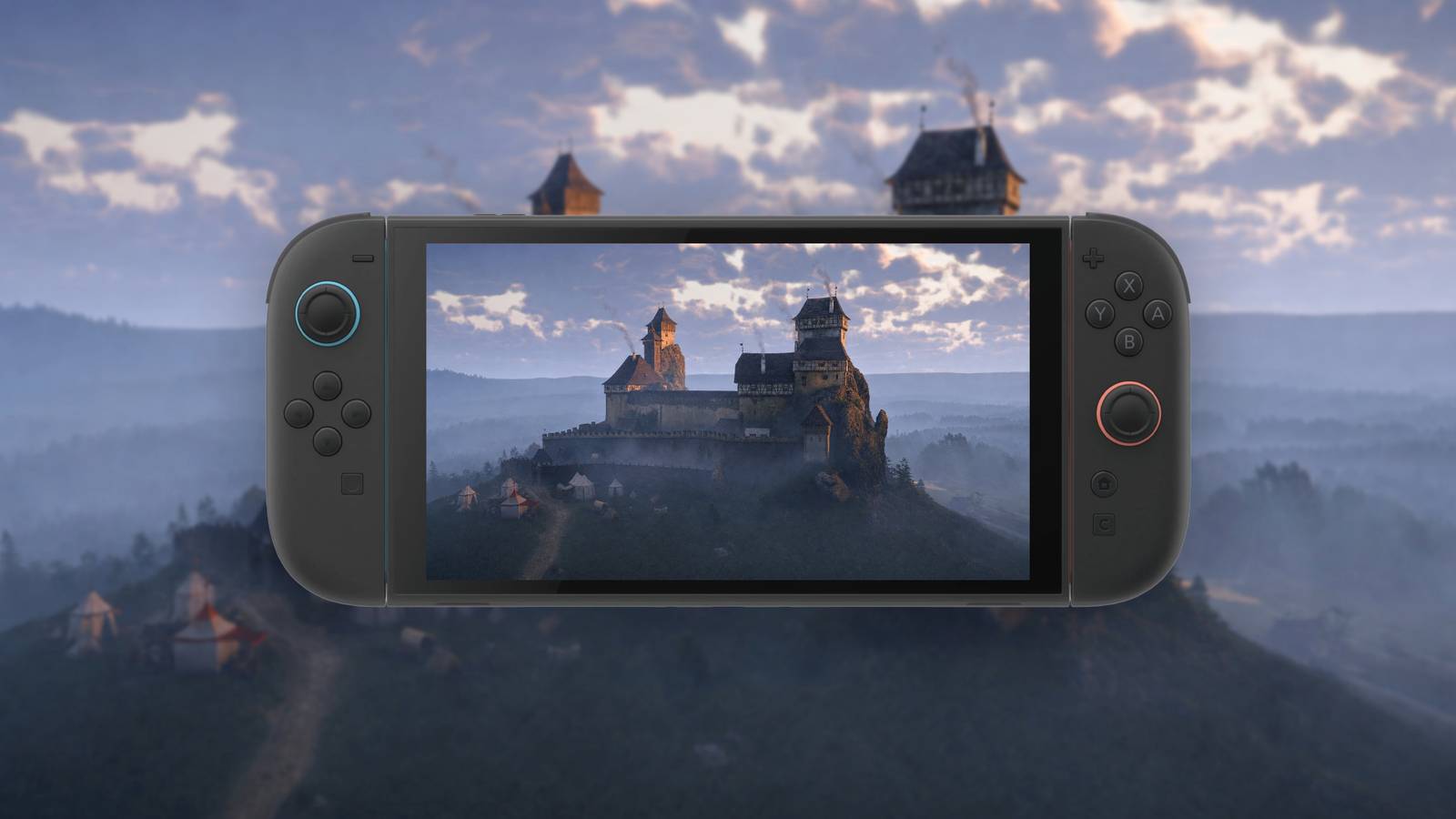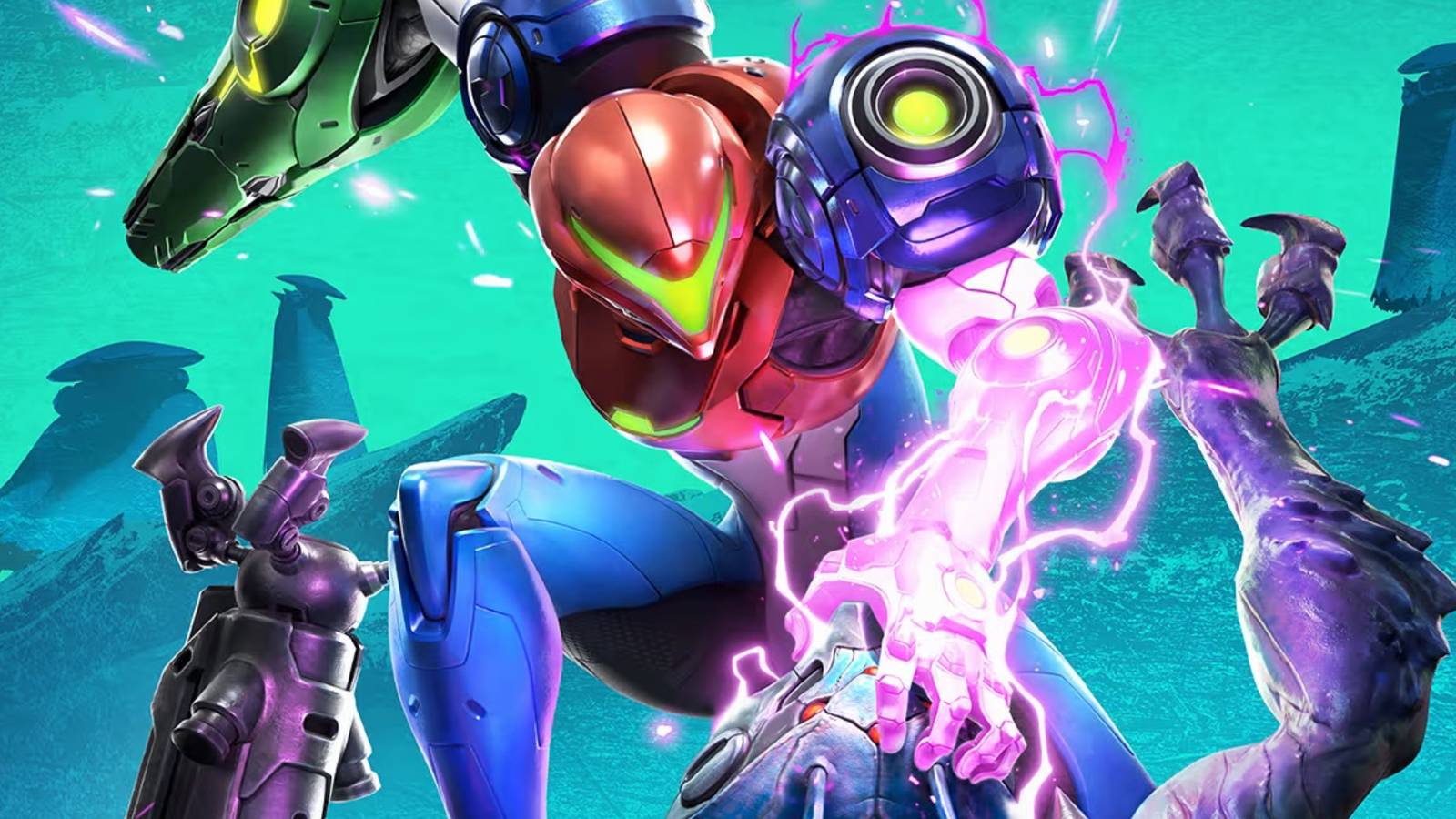
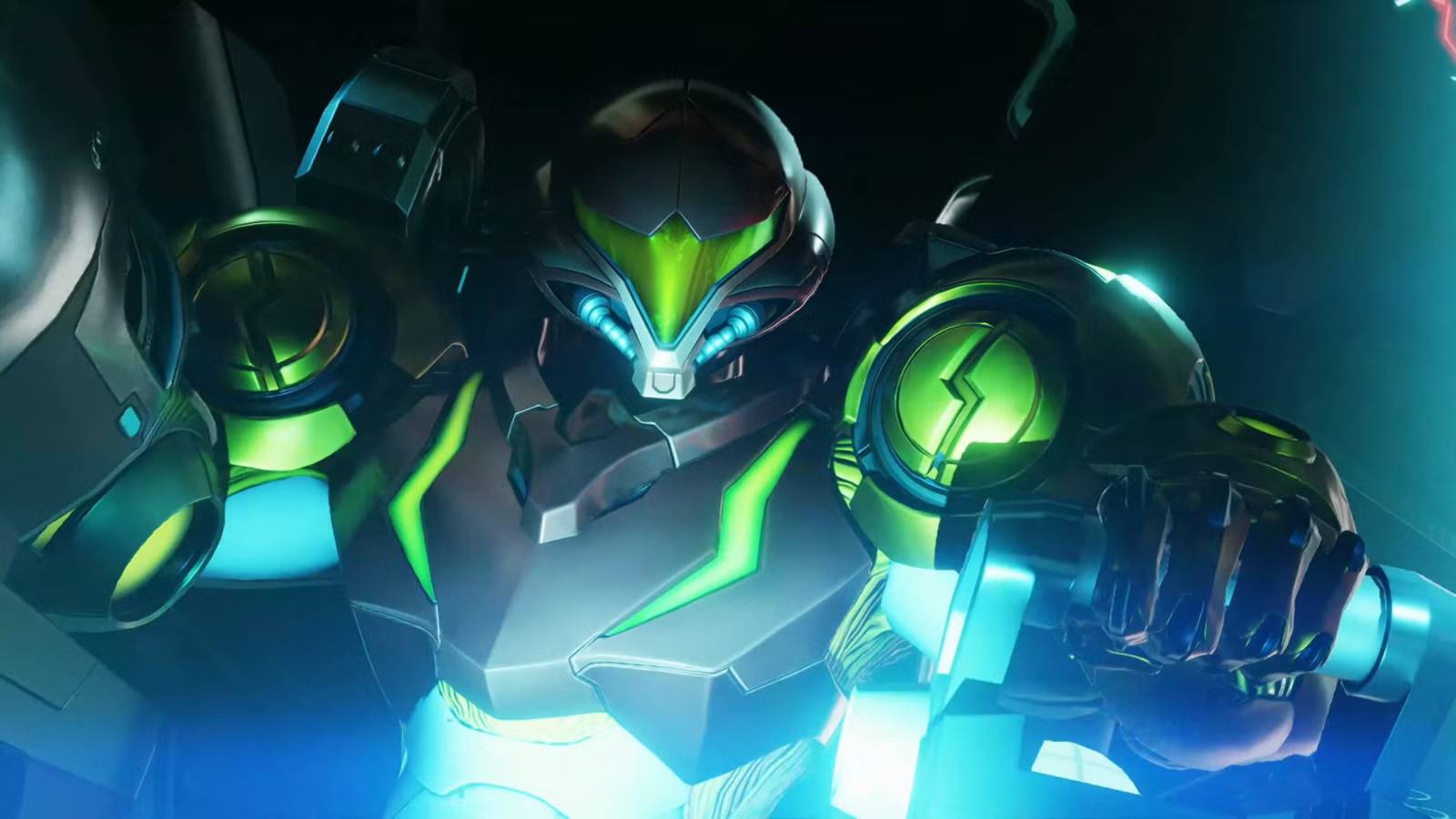
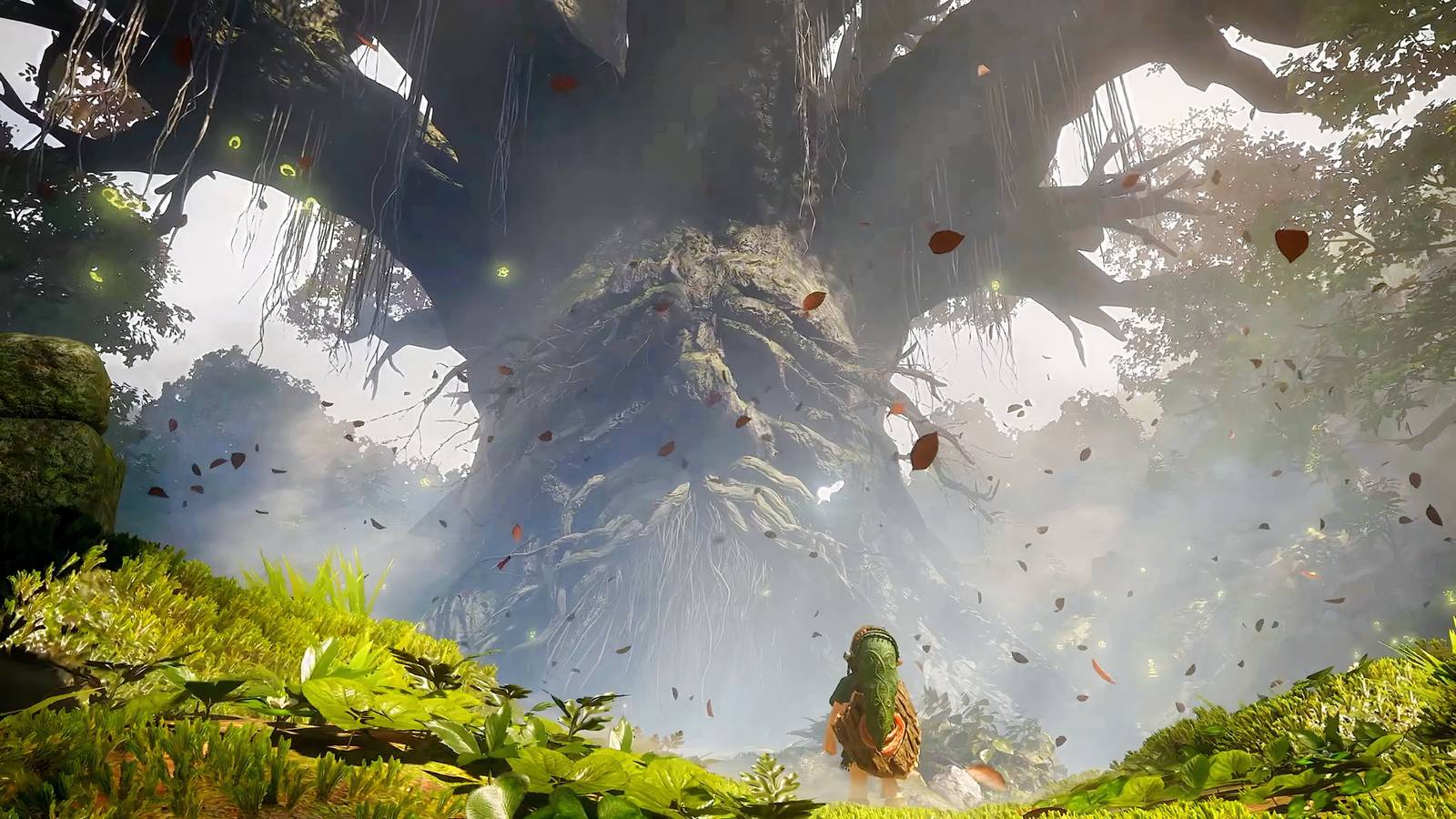
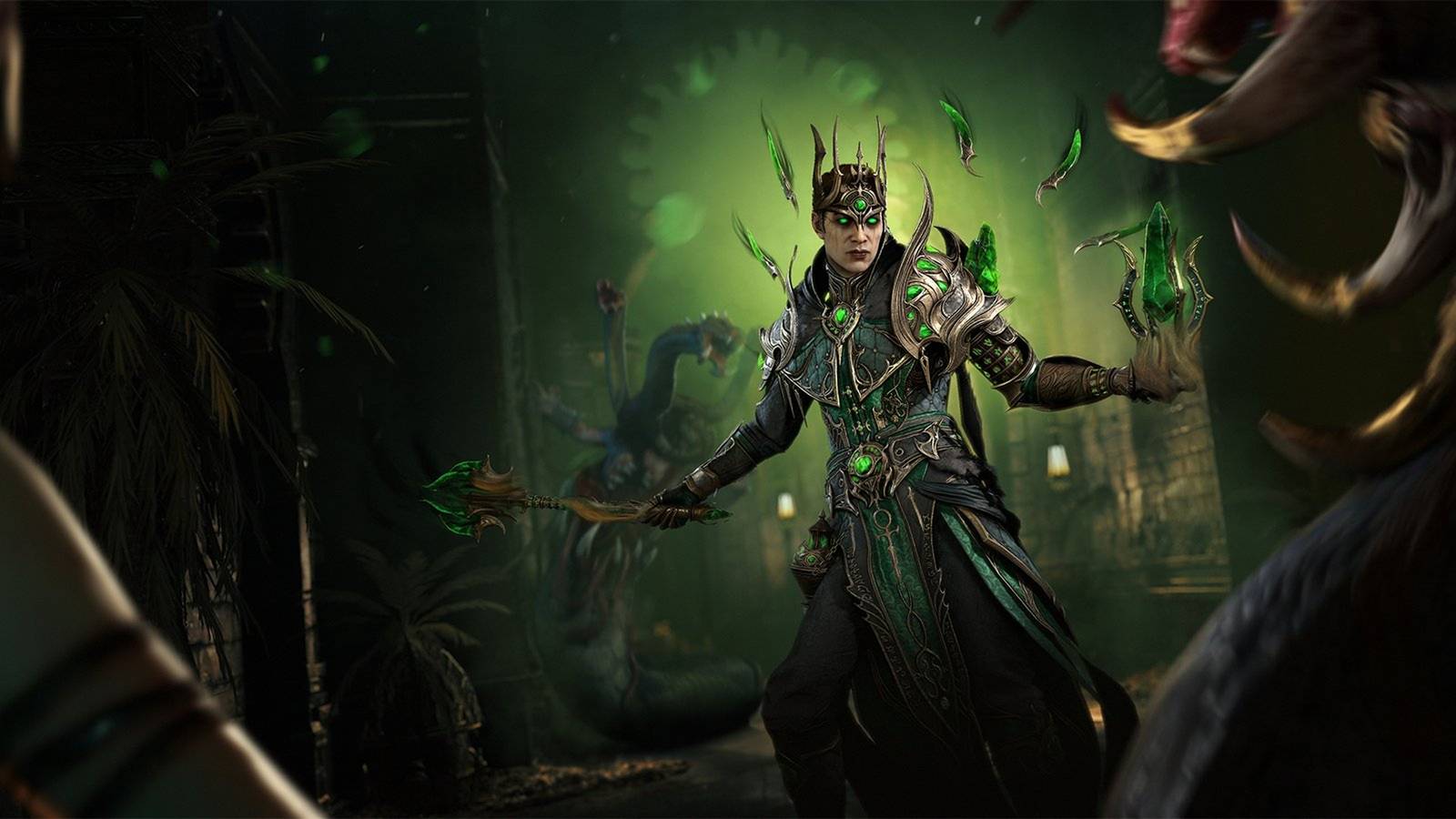

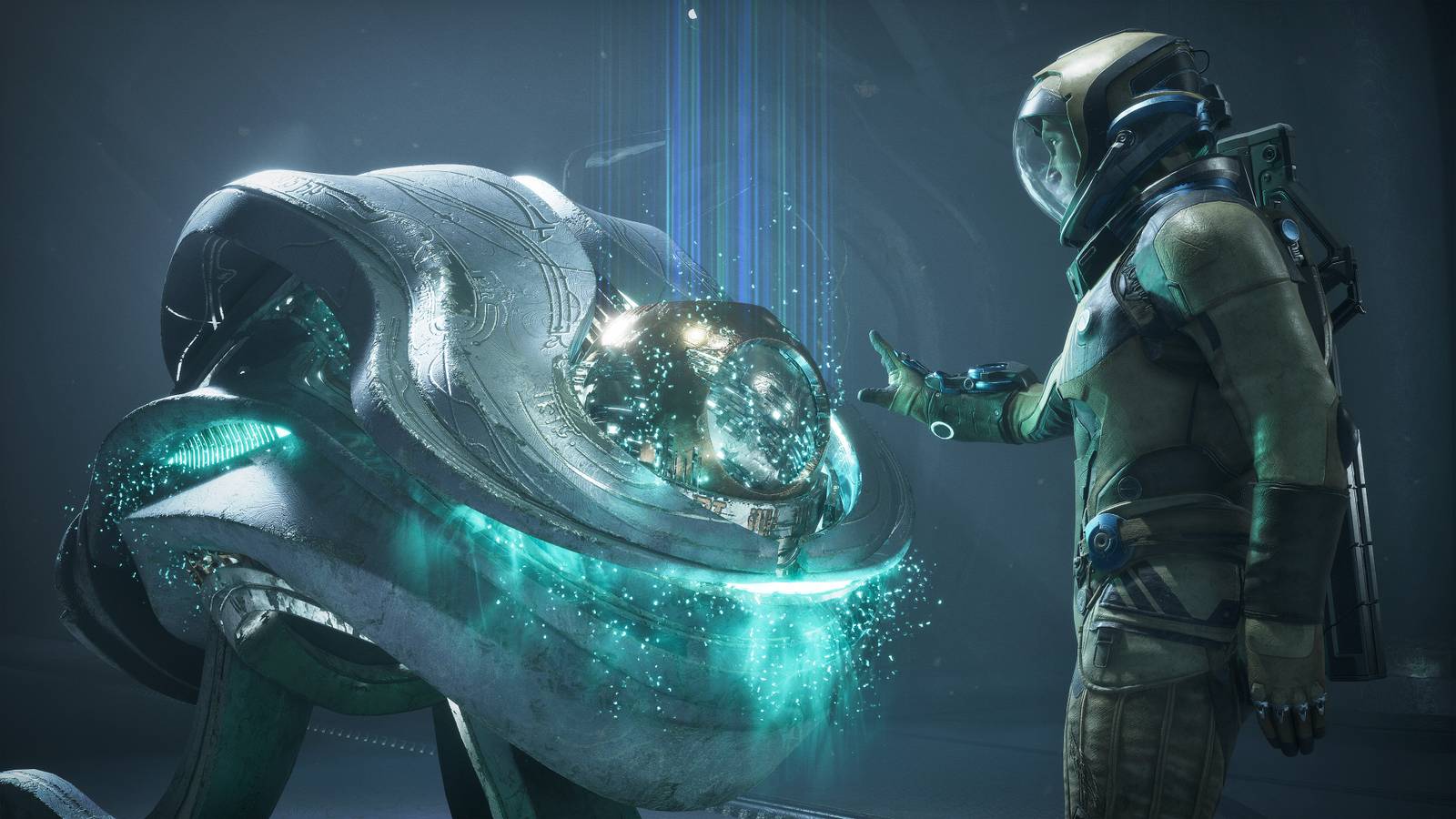


The recently revealed Metroid Ravenous is looking sharp, and will hopefully be more of a clear slam-dunk for the franchise following the underwhelming performance of Metroid Prime 4. Ravenous sits alongside a slew of other highly anticipated Nintendo Switch 2 exclusives, including Kirby and the World Beyond, the next 3D Kirby game that sees the lovable puffball taking on a grand open-world map.
Kirby and the World Beyond stands in stark contrast to Metroid Ravenous in more ways than one. Metroid and Kirby occupy opposite ends of Nintendo’s tonal spectrum, with Metroid‘s dark sci-fi themes, story, and tone looking especially cold beside Kirby‘s colorful, joyful attitude. But looking at these upcoming entries specifically, and within the context of their respective franchises, even more intriguing differences emerge: Metroid Ravenous is a tense, controlled 2D successor to the excellent Metroid Dread, and a decisive pivot away from the wide, expansive Metroid Prime 4, whereas Kirby and the World Beyond is an explosion in freedom, taking a historically linear IP and making it more open-ended. Both cases represent clear instances of Nintendo’s distinct approach to AAA development.
Metroid Ravenous and Kirby and the World Beyond Are Bold In Different Ways
Metroid Ravenous Marks Another Return to 2D Metroid
2D Metroid may as well be considered its own IP. That is to say, 2D Metroid games are so different from the Metroid Prime titles, and so seminal in their own way, that it’s better to think of them as part of a different franchise altogether. Metroid began in 2D, after all, and was, perhaps quite obviously, a key force in shaping the metroidvania genre.
What’s interesting is how Nintendo is willing to continue supporting 2D Metroid development, despite Metroid being among the company’s most valuable, well-known IP. This is unusual in the AAA space: you don’t see DOOM, GTA, or Final Fantasy embracing their 2D roots beyond novelties, remakes, or one-off projects. This isn’t a problem in most cases, and often speaks to the value of evolving game design with technology. The immersive urban sandbox fantasy of GTA is more successfully realized in third-person 3D, for example.
2D Metroid games are so different from the Metroid Prime titles, and so seminal in their own way, that it’s better to think of them as part of a different franchise altogether.
By this same token, we can say that whatever makes Metroid “Metroid,” that is, whatever the IP’s most important quality is, can still be achieved in the realm of 2D. In fact, you could argue that certain aspects of the IP, like eliciting feelings of dread, claustrophobia, and intentional exploration, are even more effective in 2D than in 3D. This is why Metroid Ravenous is positioned as a proper, mainline Metroid game and not a smaller-scale spin-off, like the forgettable God of War: Sons of Sparta. Unlike other developers, Nintendo understands that the 2D side-scroller can be just as momentous and powerful as the cinematic, 3D ARPG.
Kirby and the World Beyond Is Brand-New, but Still Aims for the Heart of “Kirby”
Much like how Metroid Ravenous uses its 2D structure to elevate and polish series pillars like dread and claustrophobia, so too does Kirby and the World Beyond serve to bring Kirby‘s core ideas to the forefront. At its core, the Kirby franchise has always been about mechanical exploration, and this appears to be the driving force behind World Beyond‘s open-world design. Ideally, this new game will successfully position Kirby‘s strengths in a large world with more variables, and literally more room to experiment.
This isn’t to say that Kirby and the World Beyond‘s open-world design is guaranteed to yield good results, just that the open-world template makes sense for the franchise, just like how 2D corridor-crawling makes sense for Metroid. For a converse example, we can look at the expansive areas of Metroid Prime 4, which were detested by large swaths of players. This poor reception wasn’t the result of public distaste for open, explorable areas, but rather the fact that Metroid Prime 4 wasn’t designed for quasi-open-world exploration.
Retaining the, for want of a better term, spirit of a game franchise, especially one as long-running and storied as Metroid or Kirby, is most important in a modern release. This may seem like obvious wisdom, but it hasn’t been reflected in contemporary AAA development. Take the average Western AAA franchise: it would almost certainly never “go back” to the old way of doing things, such as by downgrading graphics or decreasing scope. Similarly, smaller franchises are expected to “know their place,” retaining a more narrow scope unless they are lucky enough to get the full, big-budget AAA treatment. In either case, bigger, more expensive design is usually seen as ubiquitously good, when this shouldn’t really be the case.
Both Kirby and Metroid Have a Better Chance at Long-Term Health Thanks to Variation
There are a few advantages of Nintendo’s willingness to shrink and grow an IP’s scope in accordance with franchise identity and goals. For one thing, there’s a greater chance of fruitful artistic expression through this method, as franchises become informed by tradition instead of hamstrung by contemporary expectations or technical arms races. Audiences can thereby access satisfying experiences within the fictional worlds they love, while still being pleasantly surprised. Plus, variety is the spice of life, so switching things up is often good for its own sake.
…bigger, more expensive design is usually seen as ubiquitously good, when this shouldn’t really be the case.
On a more practical note, I find that franchises willing to be flexible with scope and style are often more sustainable. I don’t want to make any firm assumptions about Metroid Ravenous‘ budget, but side-scrollers are generally less expensive to develop than 3D open-world or cinematic action-adventure games. Regardless of Ravenous‘ precise price tag, flexibility in terms of scope means realistic adaptability, and smaller, less daunting projects that can generate revenue instead of inflate costs.
There are many things to love about the AAA scene, as well as a lot to hate, but sustainability is one of the space’s more overlooked problems. A franchise like God of War or Grand Theft Auto hinges its relevance upon growing bigger and more expansive (read: expensive) with each entry, but there will always be an upper limit, whether it’s defined by technology, culture, resources, or some theoretical cap on innovation. When that limit is hit, or when the cost of grandiosity outweighs profitability, these franchises may find that they are forced to be flexible with their design philosophies—something that’s harder to do without practice, and without warming up your audience first.


- Released
-
January 28, 2027
- ESRB
-
Teen / Animated Blood, Violence
- Publisher(s)
-
Nintendo