




Xbox CEO Asha Sharma has once again discussed the new direction for Microsoft’s gaming division and how it’ll continue to focus heavily on its biggest franchises, while also calling on its studios to create new IP. According to Sharma, relying solely on established franchises can only take Xbox so far, and without an injection of fresh IP blood, Xbox will not survive.
“We’re backing our strongest franchises. I want our great games to become great global billion-dollar franchises,” Sharma said in a town hall meeting shared with Windows Central. “I would also like to see us continue to create enduring new IP. We will not survive if we only revive on the past. We have to find new ways, and courage, to have invention on new IP that reaches new sets of audiences.”
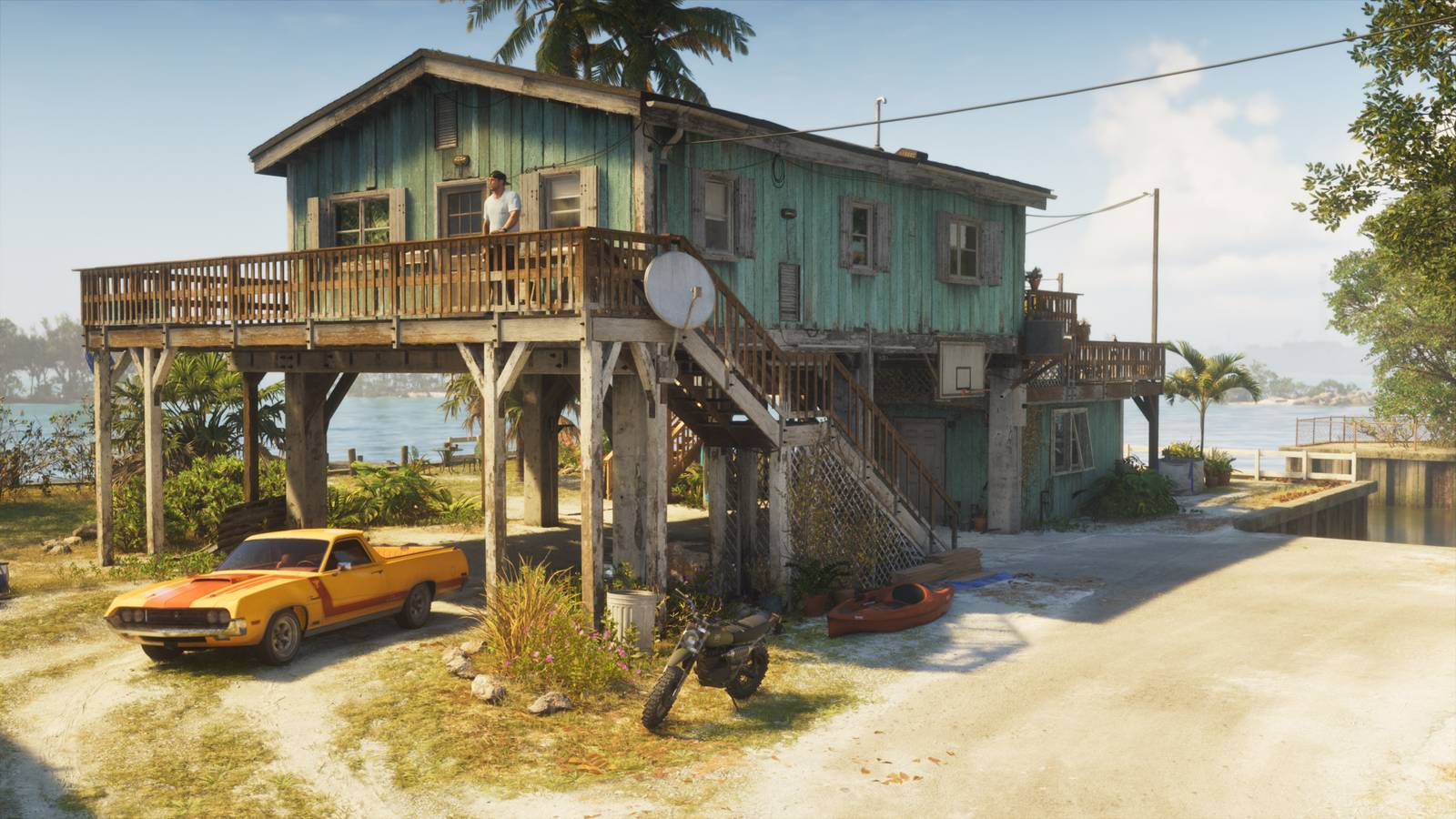
This year has focused primarily on several of Xbox’s biggest franchises, like Forza Horizon, Halo, and Gears of War, ahead of the release of Call of Duty: Modern Warfare 4 later this month. Next year will see the launch of a new Fable and InXile Entertainment’s Clockwork Revolution, and Xbox has signed deals with Hideo Kojima to get his next two projects, OD and Physint, over the finish line.
The irony of this call for more original content is that Xbox has parted ways with several studios known for creating unique games. Compulsion Games, Undead Labs, and Double Fine all have a legacy of producing weird, story-rich games. While some of them may not have been massive commercial hits, they helped position Xbox as a home for unique experiences.
At the same time, AAA games are taking longer to make and costing more to produce. Blizzard’s next big games, like StarCraft and Diablo 5, are several years away, and smaller releases sandwiched between them are a solid way to keep users engaged. Call of Duty is the exception, as Activision invested heavily in a multi-studio system to release a new game every year, creating an annual blockbuster franchise.
But right now, the gaming industry faces several more existential threats beyond the need for new IP to draw in audiences. Established live-service games vacuum up player time–and wallets–regularly, making it harder than ever for new games to break through, while the rampant investment in AI has driven up component costs and have thus made owning a console or gaming PC more expensive than ever before. Recently, we’ve also seen people use AI to recreate games from scratch and make them playable in web browsers, a feat that was unheard of just a few years ago.
Xbox could be facing an uphill battle, especially with its ambitious goal of entertaining 1 billion people every day.