



Final Fantasy Resonance is off to an impressive start, with the turn-based JRPG earning a score of 36/40 from Famitsu’s review panel. This debut suggests a cracking first impression, especially as it scored 9/9/9/9 across the panel. If each judge came up with the same score, it’s evidence that Final Fantasy Resonance is another shining testament to the series’ enduring quality. A strong review score is only the first chapter of the game’s story, though.
While the strong debut suggests the JRPG has made a solid opening reception, its estimated completion time has raised a few eyebrows, as well as a question about how the game uses its content. Famitsu estimates that the main story takes 20–30 hours to finish, while completing everything can take up to 70 hours. That’s a pretty substantial gap. There is a conversation to be had about whether the optional activities will provide meaningful reasons to keep playing after the credits roll, because a lengthy completion time can sometimes be a concern if the game relies on repetition, rather than adding new experiences.
Optional Content Should Give Players a Reason to Stay
-
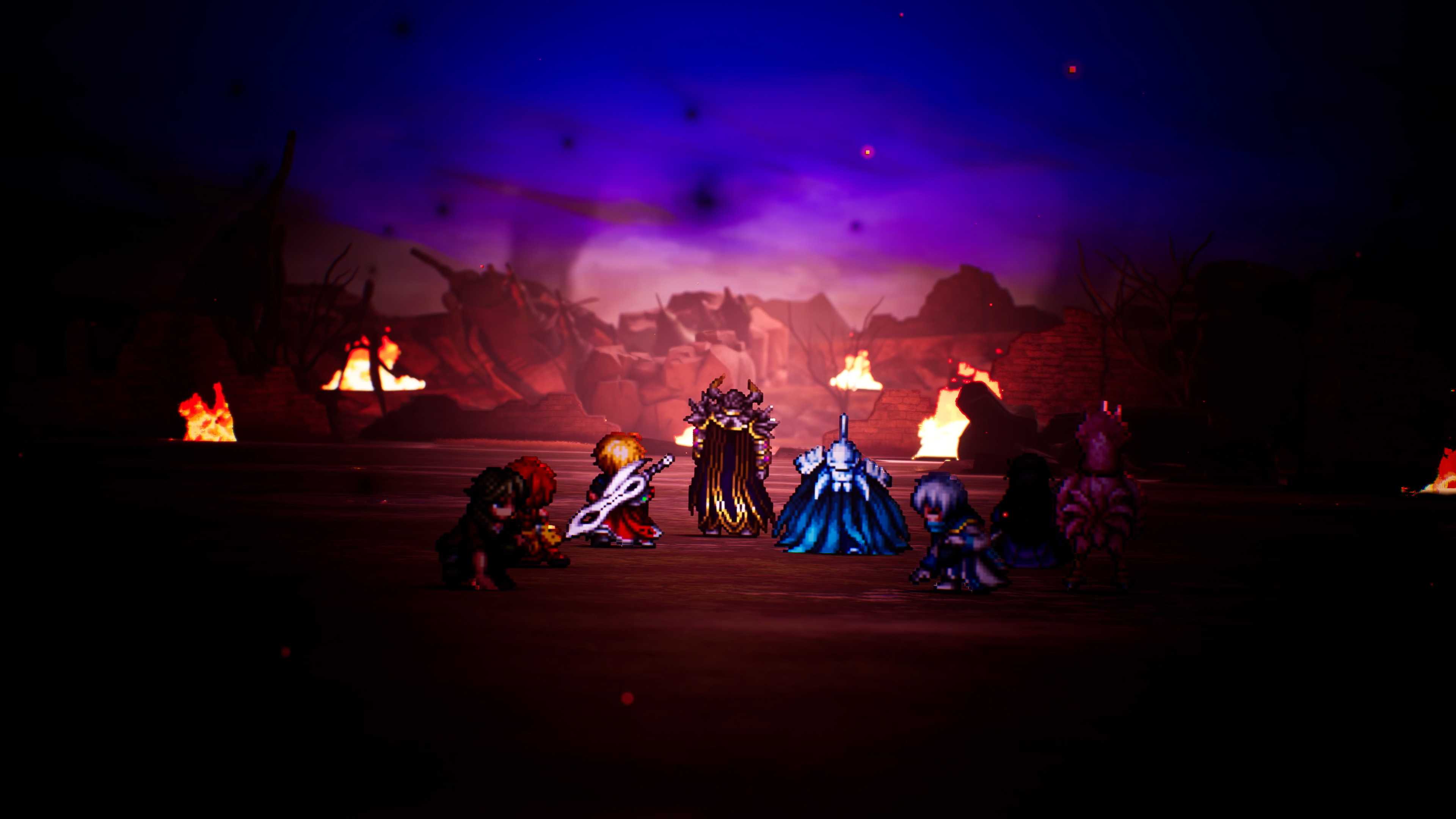 Image via Square Enix
-
 Image via Square Enix
-
 Image via Square Enix
The important part to remember here is what makes good optional content, because it should really aim to offer something players cannot get from simply following the main story. In my opinion, the best JRPGs understand that a longer runtime is only valuable when the experiences within it are engaging in their own right, so Final Fantasy Resonance’s 70-hour total runtime makes me wonder about its completionist requirements: if completion demands excessive repetition, grinding, or backtracking, it could end up an exhausting list of check boxes.
What’s That Weapon?

Identify the silhouettes before time runs out.
This distinction is necessary for Final Fantasy Resonance, given Famitsu estimates that completing the main story takes around 20–30 hours. This makes the quality of these optional activities exceedingly important. I think that all of these extra hours need to be introduced to meaningful challenges and expand the game’s world: then, it can strengthen the overall experience. If they primarily involve repeating familiar tasks for incremental rewards, there’s the huge risk that additional runtime will feel more like obligation than incentive.
When Does More RPG Content Become Busywork?

There is 100% a fine line between giving players new reasons to explore an RPG and stretching its runtime with repetitive activities. Final Fantasy has already demonstrated that a lengthy runtime doesn’t equal meaningful optional content. Lightning Returns: Final Fantasy 8 has been criticized for the game’s reliance on mundane errands, and some argue that Final Fantasy 7 Rebirth‘s regional exploration repeatedly uses activating towers, fighting enemy groups, and similar location-based objectives. It highlights a broader challenge for JRPGs and proves convincing evidence that Final Fantasy Resonance‘s extra hours need to offer a worthwhile experience if players are expected to spend hours completing them. I think that this is great, in a way, but I often get completely distracted when there are too many side quests: I don’t like to feel like I’m missing any bit of the story! But ultimately, it also provides Final Fantasy Resonance a huge opportunity for a rich and content-rich overall narrative.
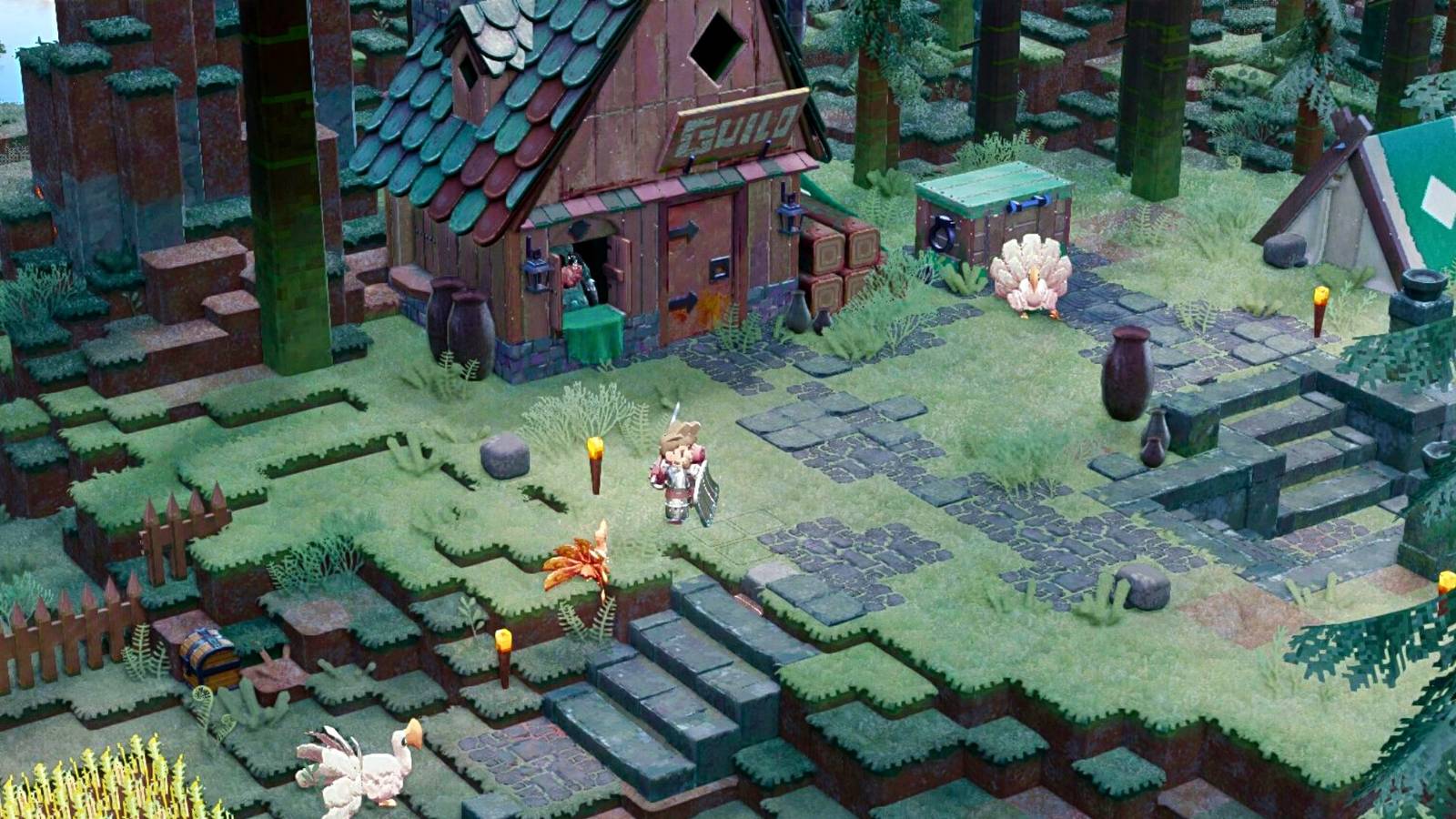
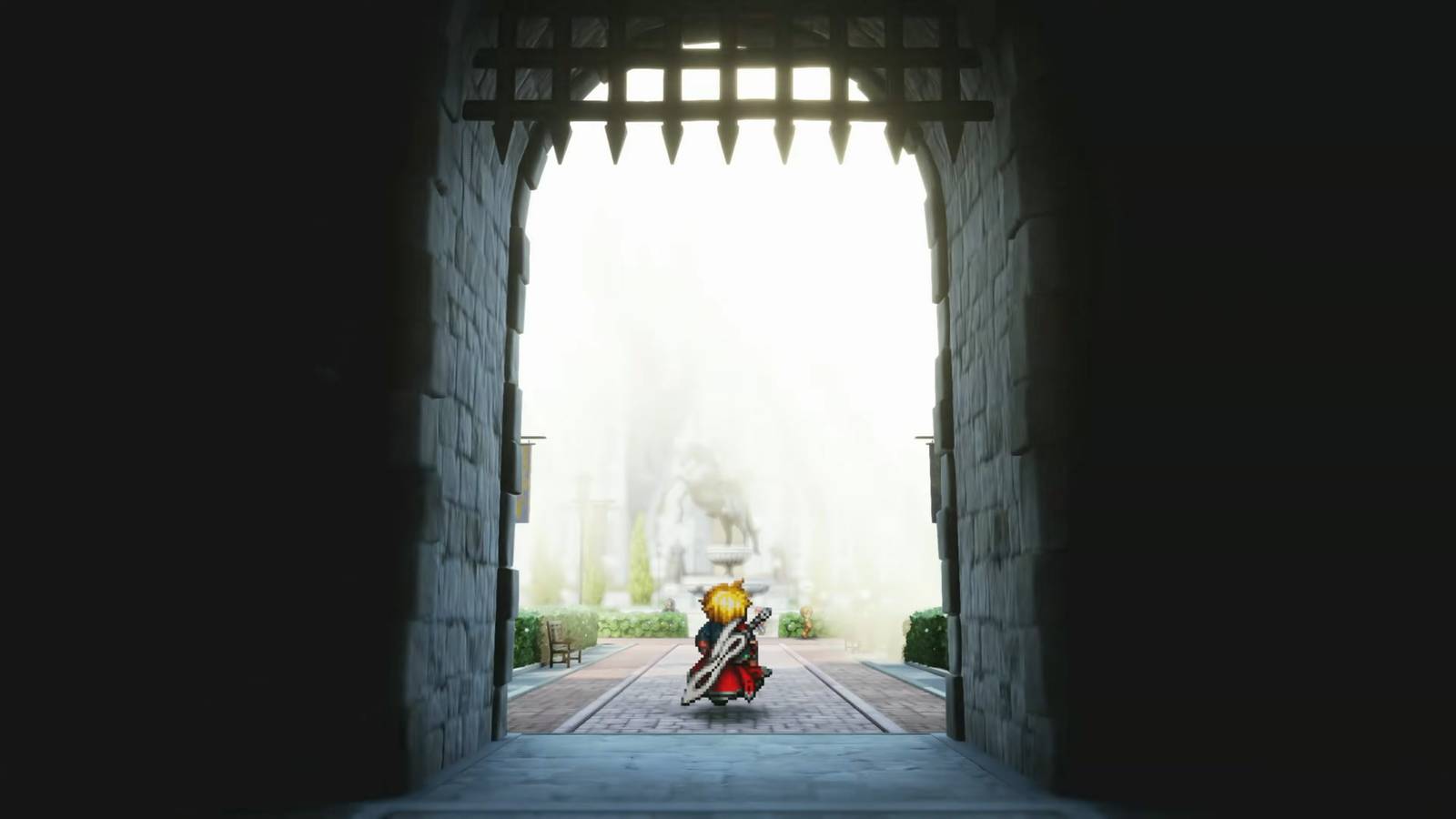
Final Fantasy Resonance is the first entry in the series to use Square Enix’s HD-2D visual style, and it blends classic pixel art with modern 3D environments. It also features strategic turn-based combat, with players exploiting enemy weaknesses to stagger opponents and gain extra turns.
Rewards are another key part of this equation for Final Fantasy Resonance. There’s no doubt that equipment upgrades, new abilities, rare items and challenging encounters can give players a tangible reason to pursue optional activities. But of course, if players find themselves completing tasks simply because they need another upgrade or want to tick off one more box in their checklist, the experience will feel like a chore. That said, Famitsu’s 36/40 score does give me hope that Final Fantasy Resonance will offer a well-balanced experience.
A Shorter Main Story Isn’t Necessarily a Bad Thing
A more focused campaign can be a strength, and a JRPG doesn’t need to take dozens of hours to tell a memorable story. It lies in allowing the narrative to maintain its momentum, without requiring players to spend hours completing unrelated tasks. Famitsu’s estimate of 20–30 hours for Final Fantasy Resonance‘s main story could appeal to those of us who want to experience its central narrative without committing to an even longer adventure.
Ideally, I think that it should use the chance to give different types of players an option. Story-focused players shouldn’t have to grind through optional activities to keep up, and completionists should have compelling reasons to keep playing. It’s a balance that is becoming increasingly important for modern RPGs. Enormous maps and lengthy activity lists can sometimes make completing a game feel like a second job, so optional content works best when it doesn’t feel like an obligation to do so. If Final Fantasy Resonance can make those extra hours feel earned, its 70-hour runtime could prove that more content is only worthwhile when it gives players a reason to keep playing.

- Released
-
October 22, 2026
- ESRB
-
Everyone 10+ / Alcohol Reference, Fantasy Violence, Language, Suggestive Themes