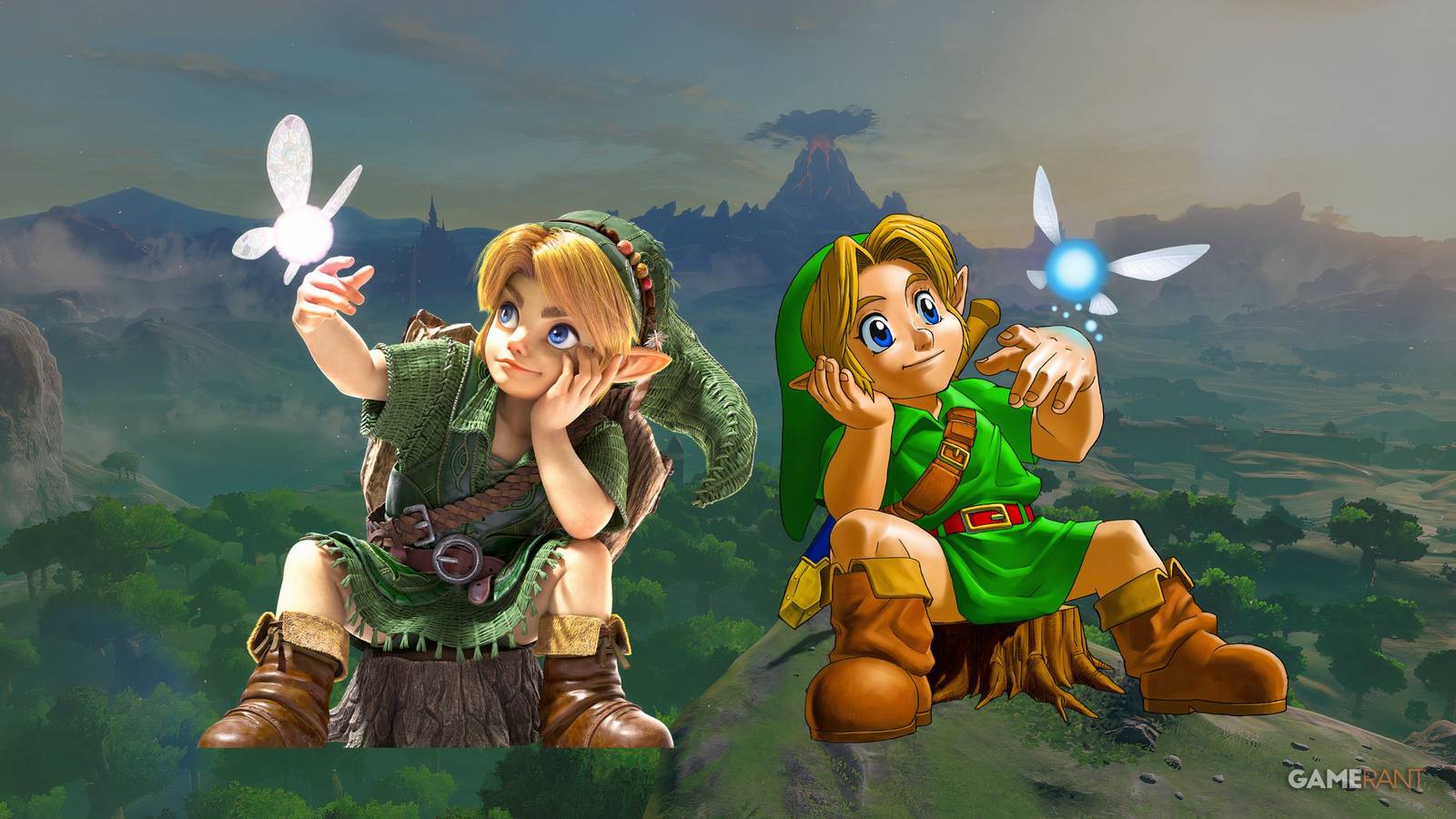





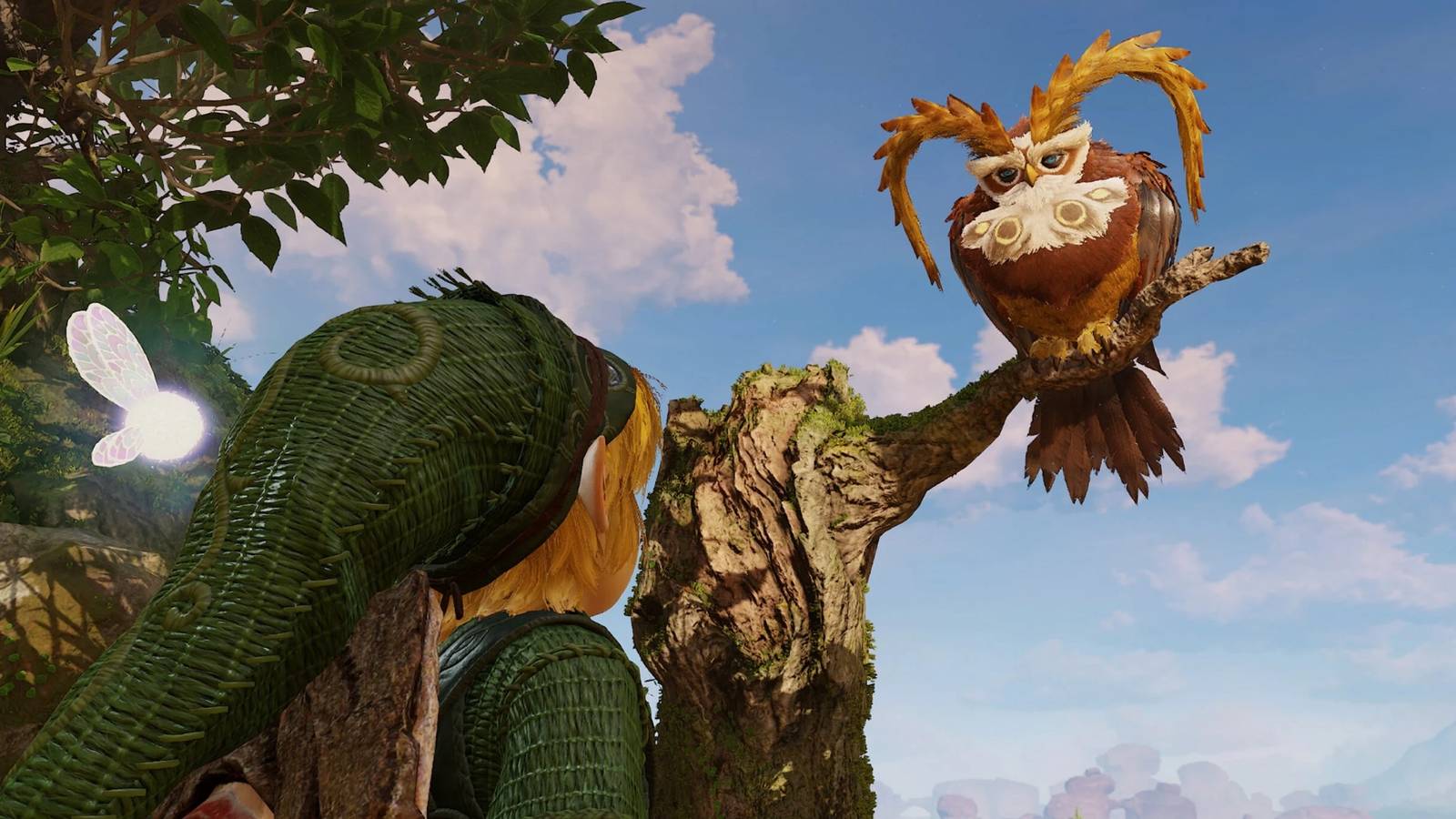
A new trailer has been released for The Legend of Zelda: Ocarina of Time, highlighting 8 significant changes players can expect to see in the Nintendo Switch 2 remake. The original version of Zelda: Ocarina of Time was released on N64 in 1998, serving as the first 3D entry in the franchise. In 2011, a version of the game was released on Nintendo 3DS, adding stereoscopic 3D and multiple quality of life improvements.
Zelda: Ocarina of Time 3D was well-received upon release, in large part because it didn’t deviate much from what made the N64 version so successful. At its core, the game was very faithful to what was offered by Nintendo in 1998, sticking to the elements that fans had come to know and love. The Switch 2 version also seems faithful in many ways, but with a number of changes that seem more significant than those seen in the 3DS version.
Nintendo Showcases Ocarina of Time Remake’s Changes
Zelda: Ocarina of Time releases soon on Switch 2, and Nintendo has a new trailer breaking down many of the changes that have already been revealed for the remake. In total, 8 changes are showcased in the video, some of which are bigger than others. Dashing and jumping have both been added, giving players more freedom to control Link. In the original version of Ocarina of Time, Link would automatically jump when players reached a ledge, but that has been changed for the remake, bringing it more in line with recent series entries like Breath of the Wild. Players will also be able to take advantage of Gyro Aiming, which should make it easier to use weapons like the Slingshot and Bow.
-
-
 Image via Nintendo
-
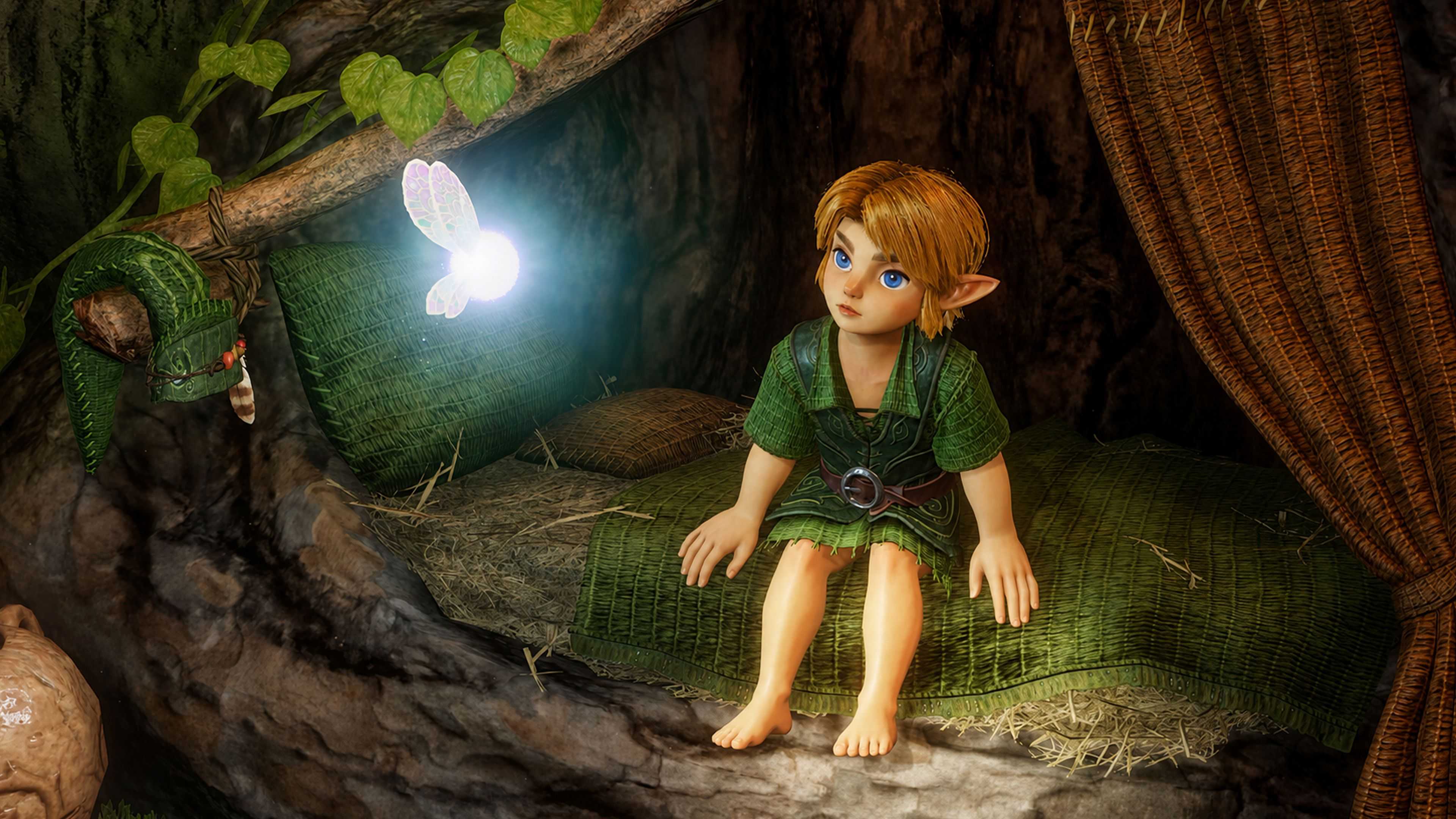 Image via Nintendo
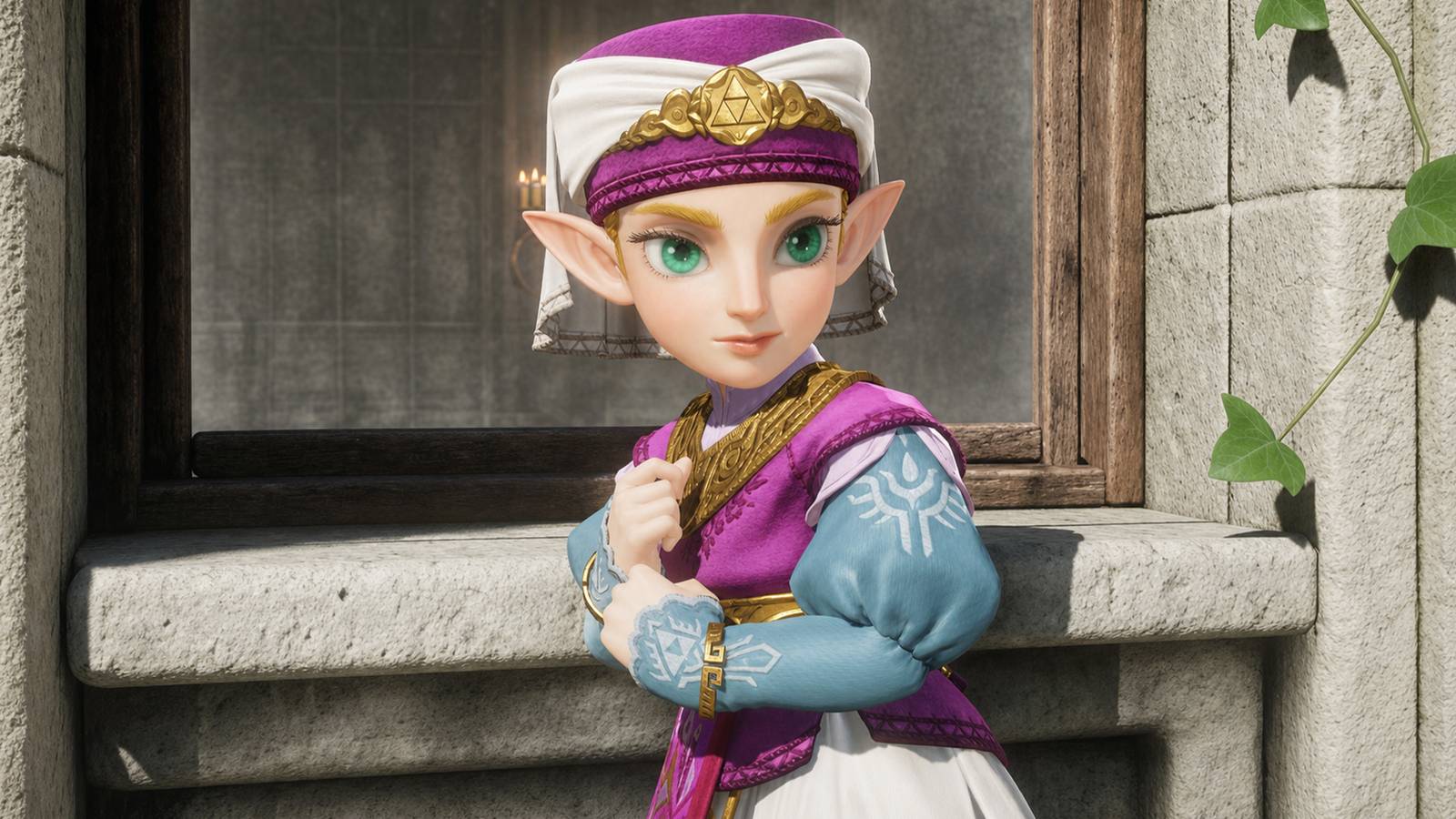
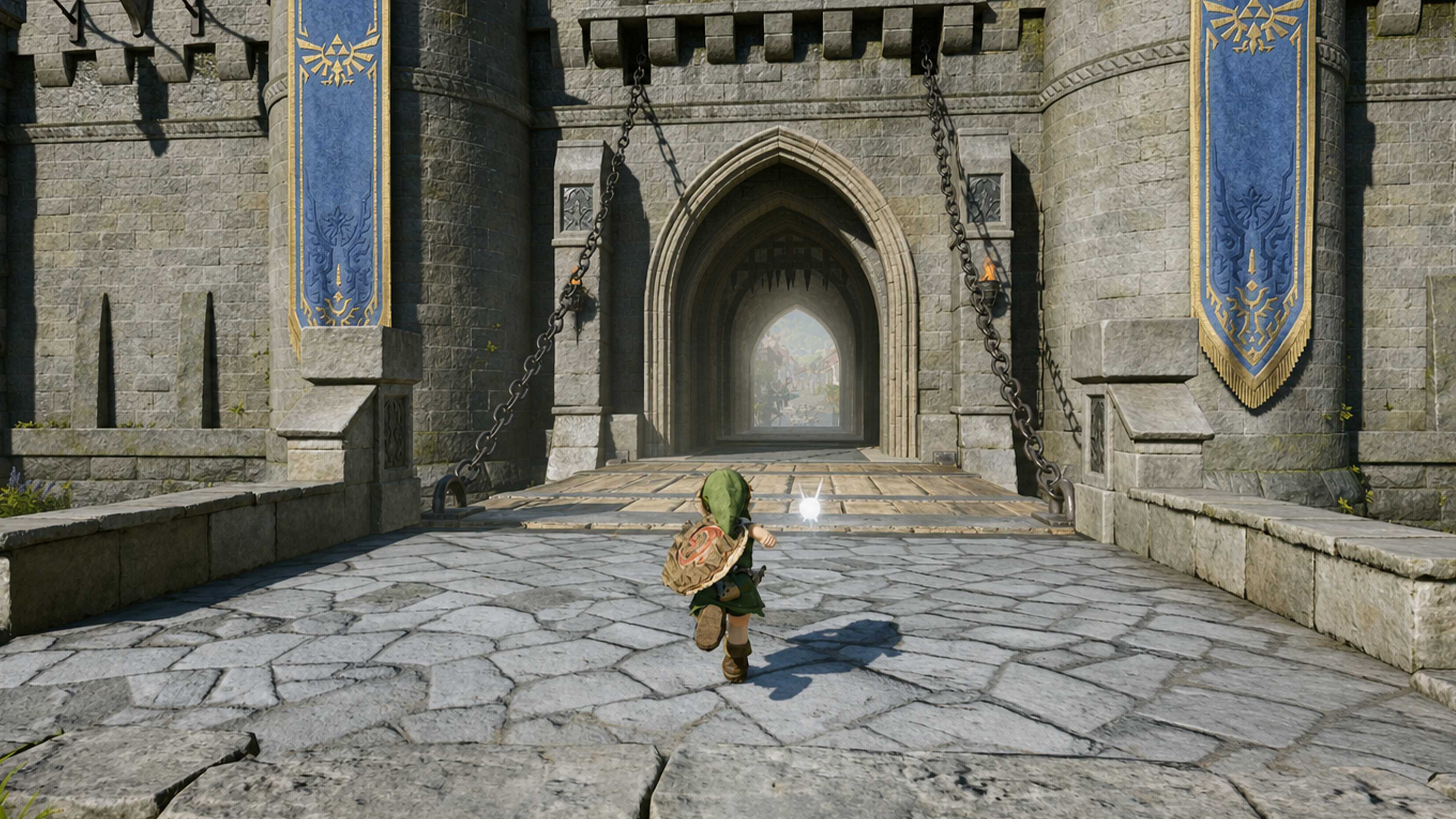
The visuals are the most noticeable change in the remake of Zelda: Ocarina of Time. The trailer highlights how some of the most iconic locations in the original game have been given a huge makeover, taking advantage of the abilities of Nintendo Switch 2. The remake even takes advantage of the system’s built-in microphone, allowing players to sing, hum, or play songs when using the Ocarina. Going back and forth between screens to remember the button combinations for specific songs could be frustrating in the N64 version, and this option should help. Cutscenes are fully voiced in the Zelda: Ocarina of Time remake, potentially adding more weight to major moments.
The Threads of Time is a new feature in the game’s menu, serving as both a quest log and a visual tapestry. The Threads of Time visually changes in Zelda: Ocarina of Time as players progress, serving as a piece of art and a reminder of everything happening throughout the game. The final change showcased in Nintendo’s new video is the Hall of Fallen Foes. The new location allows players to look back at many of the enemies that have been defeated, while offering rematches with bosses like King Dodongo.
It’s likely there are other changes that players can expect from the Zelda: Ocarina of Time remake. The 3DS version implemented changes to the Water Temple to make it easier to complete, and it’s possible that could also be the case for the Switch 2 version. Zelda: Ocarina of Time remains one of the most beloved video games ever made, and it’s clear the developers want to offer an experience that feels faithful, but modern at the same time. It’s a difficult balance to strike, but fans will soon get a chance to experience the game and see how it all comes together.


- Released
-
November 5, 2026
- ESRB
-
Everyone 10+ / Animated Blood, Fantasy Violence
- Developer(s)
-
Nintendo
- Publisher(s)
-
Nintendo