




The Witcher 3: Wild Hunt recently got a second life with Remastered, reminding players that the game is still the king of open-world RPGs more than a decade on. While it remains unbeaten in areas like its central narrative, atmosphere, characters, side stories, and multi-regional world, other aspects aren’t as flawless, prompting CD Projekt Red to tweak its combat and progression.
Still, some RPGs, even smaller ones, have managed to achieve what The Witcher 3 couldn’t, even in its Remastered version. For this list, I’ve tried to find underrated or lesser-known games that go further in specific but important areas and could even serve as inspiration for the upcoming Witcher 4. The focus is on mechanics and elements already in Wild Hunt, executed better or in greater depth elsewhere, so we won’t call something “better” if The Witcher 3 doesn’t even touch it, like stealth or a party system.
Outward: Definitive Edition
The Journey Itself Is Dangerous and Requires Preparation
Outward: Definitive Edition is as far from The Witcher 3’s focus as it gets, with its unrestricted nature, lighter emphasis on a central narrative, and survival elements defining the experience. Still, it delivers a world that feels dangerous through mechanics like weather, disease, sleep, hydration, and supplies. Many RPGs do that, and The Witcher 3 sort of taps into it with dynamic weather, food and drink for HP recovery, and meditation to pass the time. It’s hard to shake the feeling that Wild Hunt could be even more interesting if these elements mattered more for survival, extending your preparation beyond picking the right tools for a particular monster.
Find the odd one out before the timer hits zero.
Of course, there’s a delicate balance to maintain: not everyone wants constant resource management getting in the way of exploration. Still, harsher conditions and Geralt’s basic needs could make gathering supplies in settlements more important before venturing into the wilderness, with no guarantee of reaching another peaceful village anytime soon. It could also add tension to key moments: imagine losing your supplies in the Skellige shipwreck and waking up truly stranded in a new land.
Atelier Sophie 2: The Alchemist of the Mysterious Dream
Complex Alchemy, Potion Crafting, and Ingredient Gathering
When it comes to preparation, The Witcher 3 is actually pretty good: monster hunting works best when you pay attention to your target, learn its weaknesses, and plan for the encounter ahead. Alchemy and potions are important throughout the series, yet brewing was notably simplified in Wild Hunt, even compared with the original game, which gave you more freedom to experiment with ingredients and extra effects. Not to mention how primitive the actual process of gathering ingredients and crafting potions can feel.
Some RPGs can teach Wild Hunt a thing or two about alchemy, including Kingdom Come: Deliverance. However, another underrated RPG deserves special mention. In Atelier Sophie 2: The Alchemist of the Mysterious Dream, elaborate alchemy demands much more of your attention. Ingredients have different qualities, traits, and elemental components, prompting you to seek out particular ones for rare effects. How you combine them changes the finished item too, so brewing becomes an absorbing process of experimentation and refinement. It’s a strong contrast with picking up ingredients along the way for a predetermined recipe in Wild Hunt, then having your potions automatically restocked during meditation.
Risen
Advanced NPC Reactions That Make Settlements More Believable
More believable settlements with reactive NPCs could also add to that sense of preparation and immersion, making gathering supplies less straightforward. In The Witcher 3, stealing and trespassing might as well not exist for ordinary residents. Geralt can walk into a peasant’s house and take whatever he wants: food, money, or jewelry. Such indifference not only looks weird or even comical, but clashes with a world where the commonfolk are often suspicious of witchers and dislike their mutated kind. To me, it’s one of the game’s biggest flaws, hampering the sense that its world is truly alive.
Countless RPGs handle this better, with Piranha Bytes games among the most suitable examples. Despite its age, Risen offers much more believable NPC behavior. People react to theft, threats with a drawn weapon (something only guards tend to notice in Wild Hunt), being woken up, and uninvited visits to their homes. The settlements feel inhabited because people enforce everyday boundaries like, well, people should. The Witcher 3’s cities, especially Novigrad, may bustle with life, but much of that is surface-level atmosphere when the residents tolerate almost everything Geralt does.
Stoneshard
A Harsh Economy With a Daily Struggle Just to Get By
Another aspect tied to preparation and indifferent NPCs is the economy. It’s no secret that The Witcher 3’s economy is completely busted, once again clashing with the everyday struggle often portrayed in the books. There’s little sense of scraping by in Wild Hunt, and despite some fun mechanics like contract negotiations, the payment rarely carries much weight. Who cares whether you get 120 or 140 crowns for slaying a monster when you can pillage any village and find countless treasure chests full of gear to sell and coins to spend?
This is where many RPGs falter: very few offer a truly harsh economy where contracts are your main lifeline. Stoneshard is among the best in that regard. You play a solo mercenary, taking contracts, venturing into dangerous locations, and returning to town in need of treatment, provisions, a bed, and equipment repairs. Money spent recovering from one expedition affects what you can afford for the next, and finishing a contract after burning through supplies and damaging your gear can leave you completely broke. That makes accepting another job feel convincing as a necessity, something The Witcher 3 largely lacks.
Stoneshard also has contract deadlines and opportunities to haggle for better terms, adding urgency and trade-offs to the jobs you take. Similar pressures could benefit some side stories in The Witcher 3 as well. Yes, no Gwent distraction for this one: someone needs saving before it’s too late.
Dragon’s Dogma: Dark Arisen
Dynamic and Physical Monster Battles That Let You Leave Your Mark
-
 Image via: Capcom
-
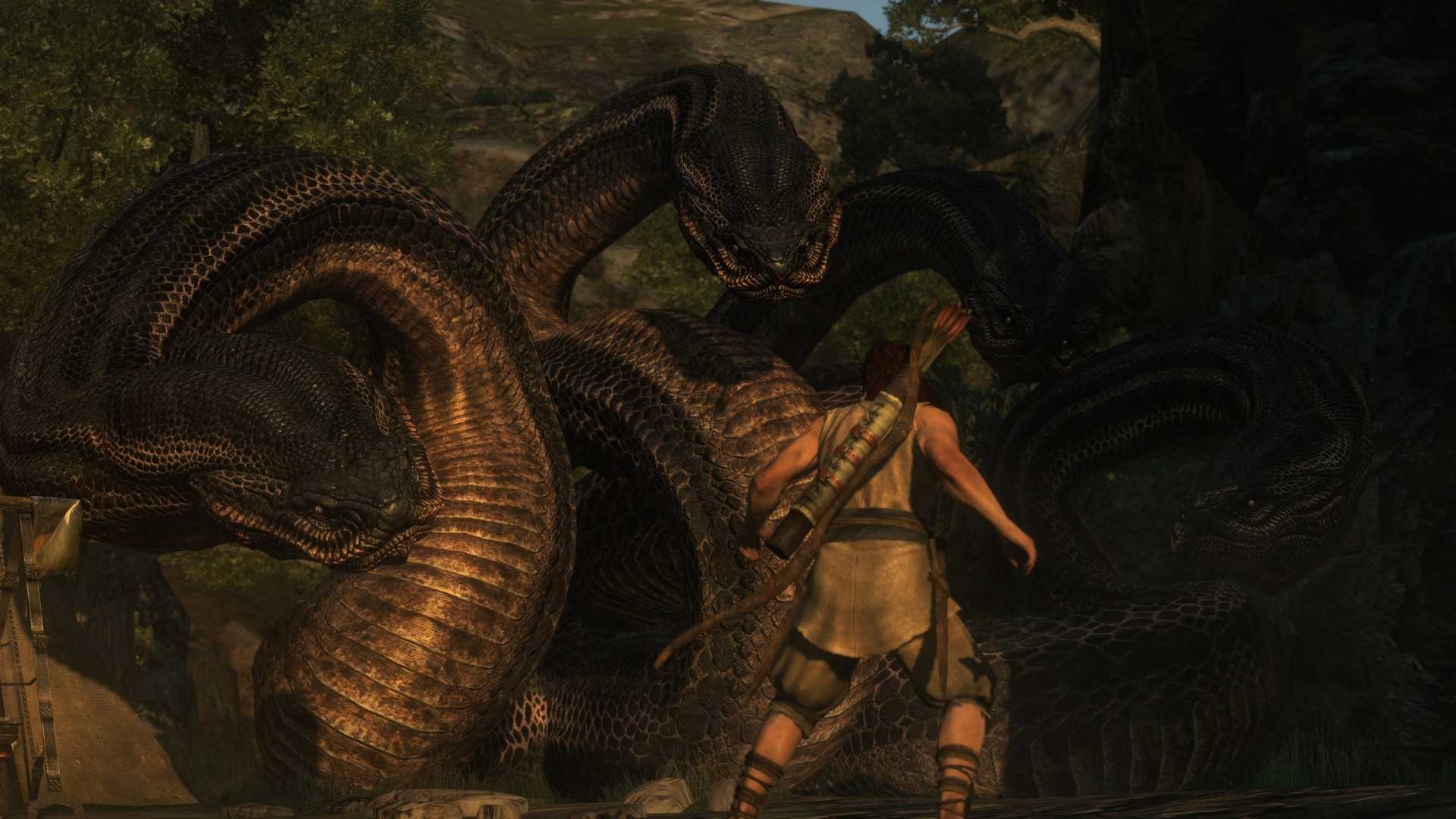 Image via: Capcom
-
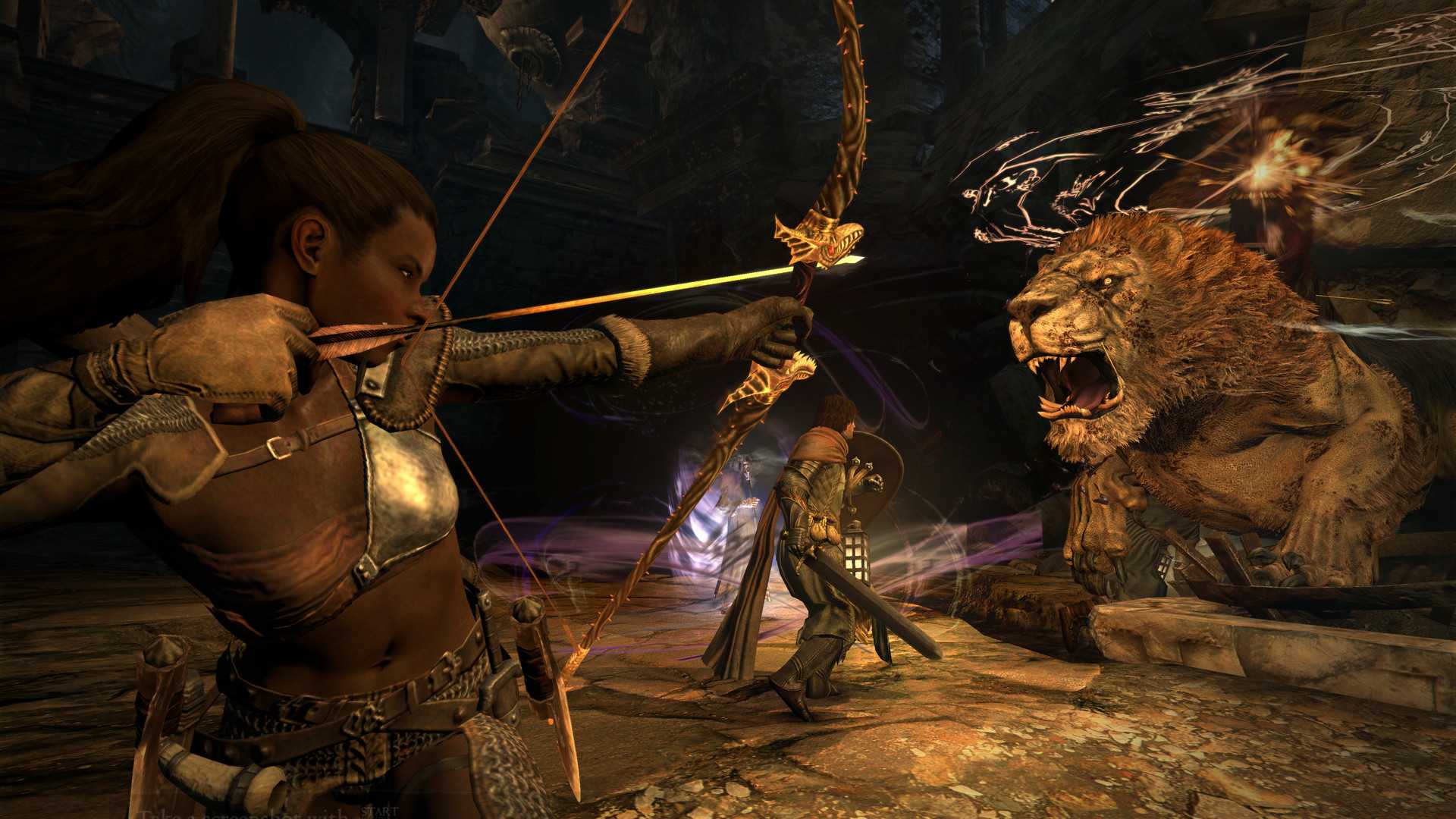 Image via: Capcom
Speaking of monster hunting, The Witcher 3’s combat really shows its age, even with Remastered tweaks like new finishers and other moves. Fighting larger foes has always been one of Wild Hunt’s weakest aspects, so battles with giants, fiends, and even griffins can feel pretty chaotic, far from the cinematic encounters described in the books or shown in cutscenes. More physical, dynamic monster battles are a must for The Witcher 4, and there’s a particularly great example to draw inspiration from.
Dragon’s Dogma: Dark Arisen and its newer sequel are among the most impressive examples of monster combat in the open-world RPG genre, with unique interactions that feel effective and look spectacular. Climbing a cyclops to attack its eye, severing hydra heads, and fighting aboard an airborne griffin are simply next-level compared with Wild Hunt’s limited options, like shooting a wyvern out of the sky with your tiny crossbow. Sure, games like Monster Hunter go even further, but the original Dragon’s Dogma already makes the comparison inescapable, despite its age.
Wild Hearts
Hunting Monsters and Crafting Unique Equipment From Their Parts
When the hunt is over in The Witcher 3, you can claim your prize: monster remains, alchemy ingredients, and a trophy for certain creatures. A bit of a letdown, to be honest, especially compared with something like crafting armor from the kayran’s skin in The Witcher 2: Assassins of Kings. Monster parts still go into equipment in Wild Hunt, but that direct connection between a memorable kill and a distinctive piece of gear is much less pronounced.
It’s a shame the developers largely moved away from that concept in favor of hunting down Witcher school blueprints. Turning a major monster kill into a distinctive reward gave those encounters a lasting impact, letting you wear your victory with pride. Many hunting games build their progression around exactly that, with Wild Hearts among the most underrated examples.
In this RPG, the hunt feeds a much deeper cycle of crafting custom weapons and armor, choosing elemental advantages and other traits to prepare for stronger creatures. That feels much more earned than simply finding powerful gear in a chest or buying it from a merchant to wear for the next ten hours. In Wild Hearts, monster hunting is the rewarding core of your progression, with the equipment you make continually opening new possibilities. To me, this is way cooler than attaching a severed head to your horse for a minor bonus, and I really hope The Witcher 4 treats rare monster ingredients more creatively.