





My favorite thing about The Elder Scrolls has always been that it rewards curiosity. Bethesda’s RPGs have a knack for making players feel as though there’s always something waiting in every dungeon, castle, town or city, and it’s one of the biggest reasons that these worlds remain so memorable. Games like Skyrim, Oblivion, and even Morrowind are still notably popular after their release, encouraging me to return to Tamriel time and time again. However, I do feel like players have been ready to move on for many years now. Those who have spent a couple of hundreds, or even thousands, of hours in The Elder Scrolls have explored countless corners of Tamriel, and even discovered secrets that once seemed impossible to find. That’s why I think The Elder Scrolls 6: Sentinel needs to give players something genuinely new to chase: secrets so obscure that even the most dedicated fans might not uncover them.
Funnily enough, one of the best examples of this comes from a game that many modern Elder Scrolls fans may never have played. Released in 1997, An Elder Scrolls Legend: Battlespire recently had a previously unsolved Easter egg uncovered after 29 years. The discovery, which was revealed by The Strong Museum of Play on November 2 through archival material belonging to the late Julian LeFay, is a reminder of just how much can remain hidden in a Bethesda game. With The Elder Scrolls 6: Sentinel still on the horizon, I’d love to see Bethesda embrace that same spirit of mystery and give players secrets they might not discover for years.
The Elder Scrolls Has a 29-Year-Old Secret That Nobody Had Found
It’s pretty impressive if a video game can surprise players nearly three decades after its release, but that’s exactly what happened with An Elder Scrolls Legend: Battlespire. Released in 1997, the spin-off is a much more linear dungeon crawler than the open-world RPGs Bethesda are now known for, retaining the first-person perspective and RPG combat of earlier entries like Arena and Daggerfall. While it may not be the most celebrated entry in the franchise, it recently gave fans a reason to revisit its history.

Guess the games from the emojis.
On November 2, The Strong National Museum of Play revealed how to activate a previously undiscovered Easter egg hidden within Battlespire. The secret involves a photograph of members of the game’s development team, which appears when players load into the game and hold down the number 1 key while typing the word “spire.” The image is accompanied by the caption “Battlespire rules!” and had remained undiscovered for 29 years. The mystery was finally solved using archival documents belonging to Julian LeFay, the game’s developer and “father” of The Elder Scrolls, who passed away in 2025.
-
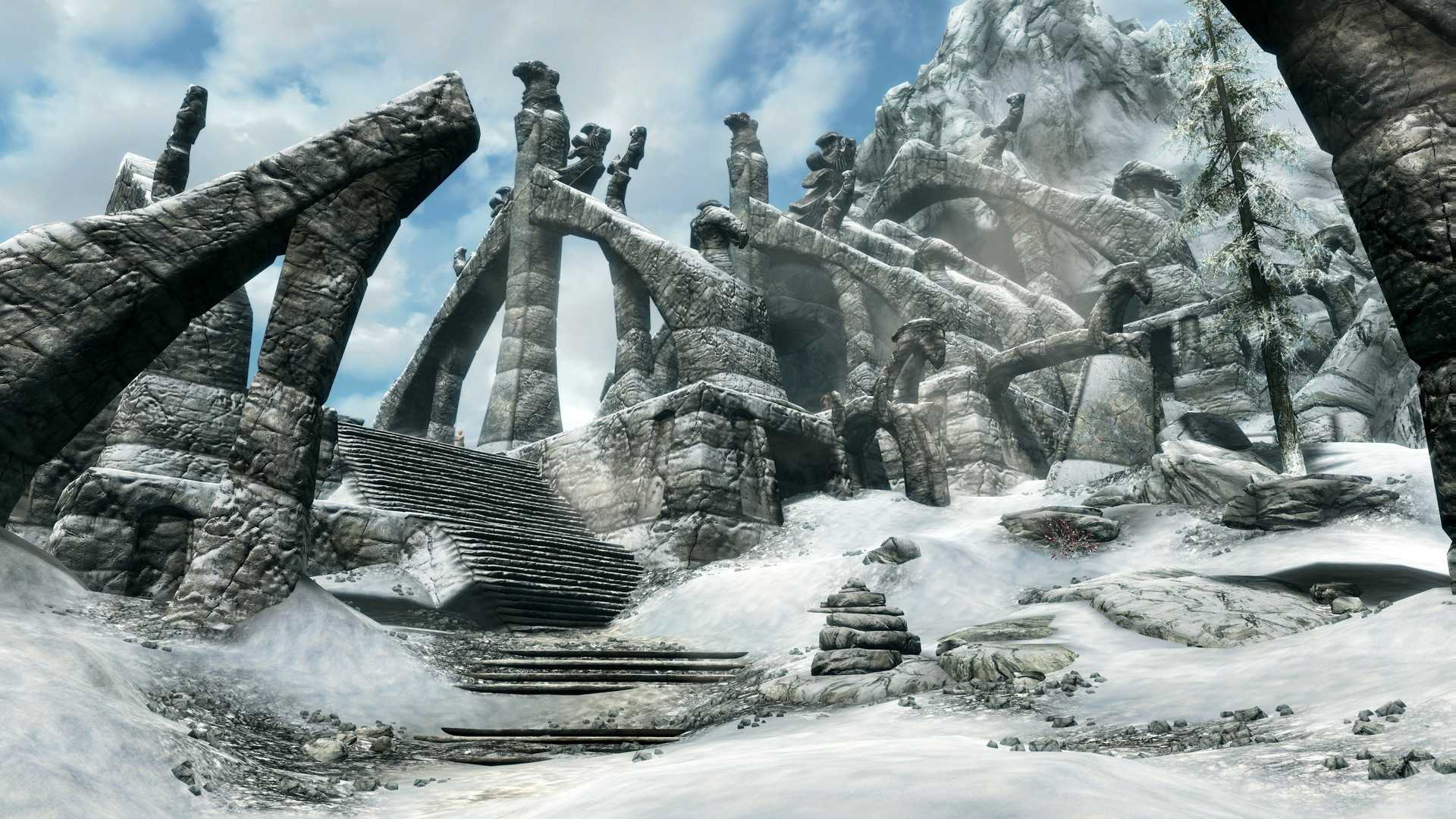 Image via Bethesda
-
 via Bethesda
-
The Battlespire Easter egg wasn’t an elaborate quest or hidden dungeon that players had simply overlooked. It was small, and seemingly insignificant: it required a very specific combination of inputs to uncover. I feel like there’s something special about knowing that a game can still hold secrets long after players think they’ve exhausted everything it has to offer. It’s a charming reminder of the real people behind these enormous worlds, and the effort they put into shaping The Elder Scrolls.
There’s also a little more reason for Elder Scrolls fans to get excited, as Bethesda has officially revealed the title of its next RPG as The Elder Scrolls 6: Sentinel. The announcement comes more than eight years after the game was first teased, although Bethesda hasn’t shared any additional details just yet. The name is particularly interesting given the longstanding speculation surrounding Hammerfell, and I’m hoping this next chapter gives us plenty of reasons to explore Tamriel’s lesser-known corners all over again.
I’d absolutely love to see The Elder Scrolls 6: Sentinel embrace that same philosophy. There’s an element of care and thought put into Easter eggs like this, but Bethesda doesn’t necessarily need to hide everything behind complicated button combinations. Instead, giving players obscure discoveries that aren’t immediately documented or explained could make Sentinel‘s world feel much more authentic: imagine stumbling across something that nobody in the community found before, or discovering a secret years after release that completely changes how you look at a particular location. Those are precisely the kinds of moments that can keep a game alive long after its main story has been completed.
Bethesda Has a Chance to Make Tamriel Feel Unexplored Again
-
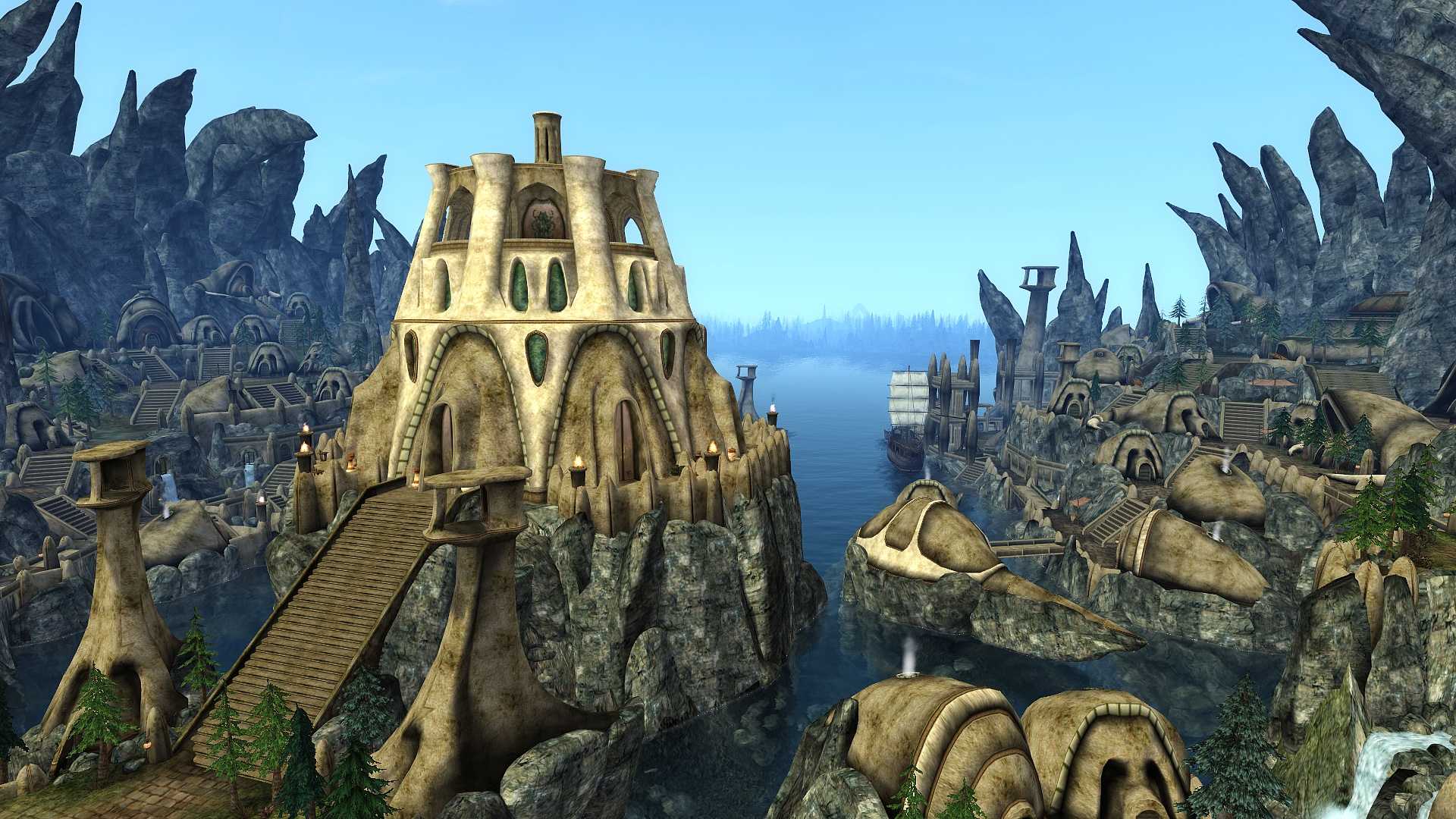 Image via: Bethesda Game Studios
-

-
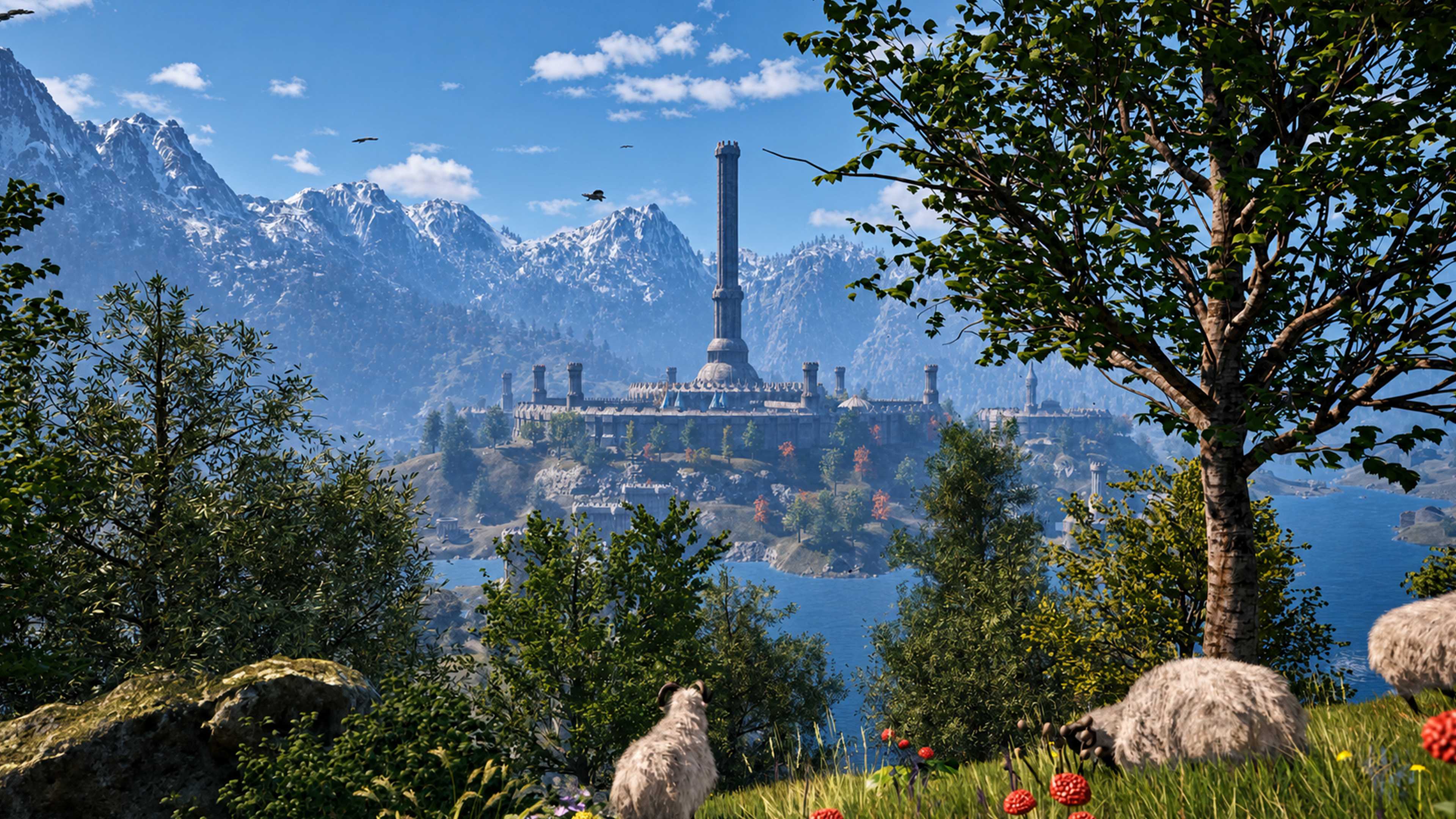
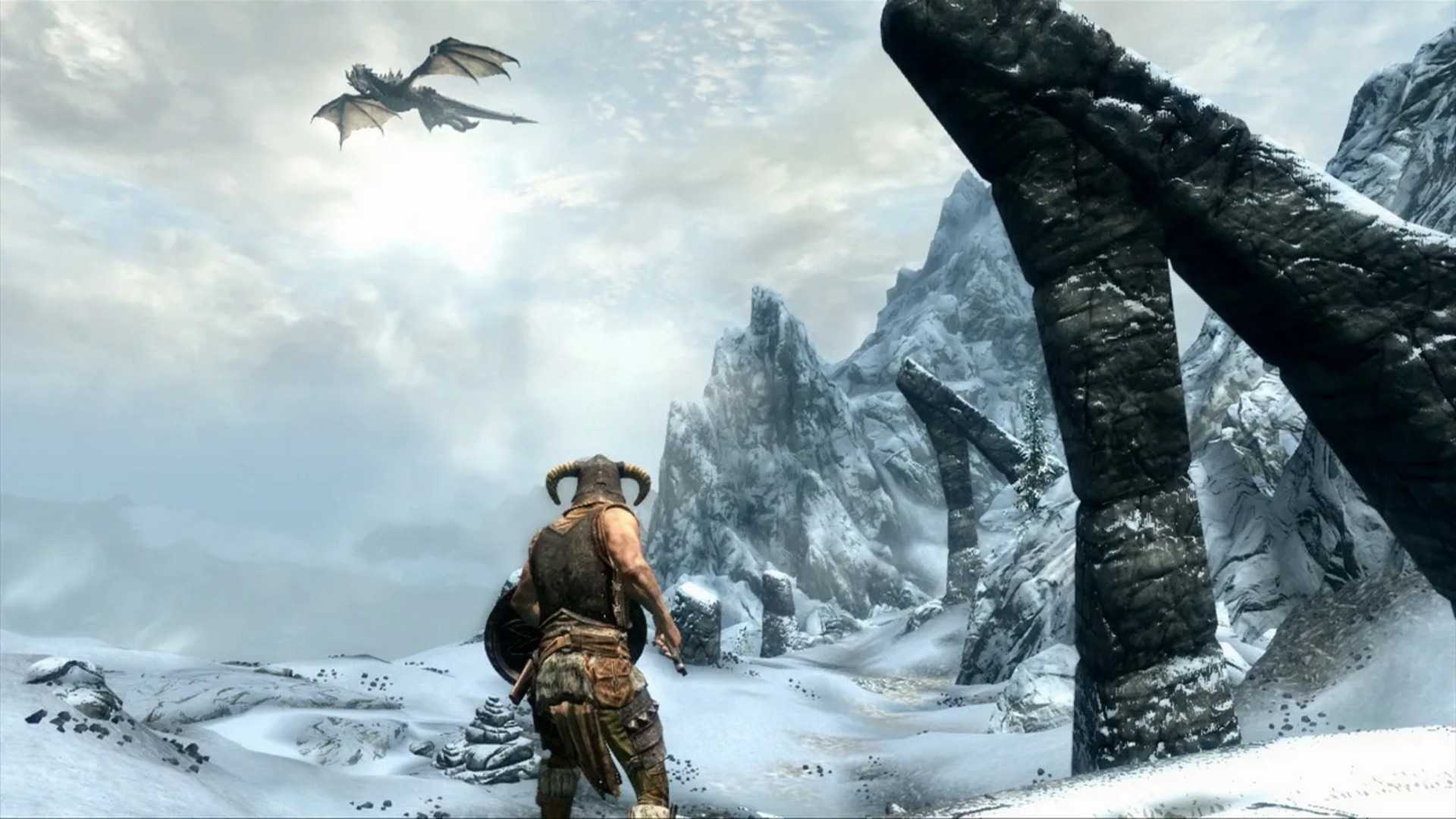
My biggest hope for The Elder Scrolls 6: Sentinel is that Bethesda remembers what made exploring Tamriel so exciting for all of us. After years of returning to Skyrim and Oblivion, many longtime fans have become all too familiar with their worlds, their quests, and even some of their best-hidden secrets. I’m not saying that there’s anything wrong with revisiting these experiences—I do it all the time! But a new entry needs to make us feel like we’re stepping back into the unknown. This means more than just a bigger map or hundreds of additional points of interest to discover. I want a world that makes me curious about what’s beyond the next mountain, beneath an unassuming ruin, or whether an ordinary-looking NPC might have something unexpected to offer.
Bethesda should really resist the temptation to make every discovery immediately accessible. Of course, map markers, quest indicators, and achievement notifications can be useful, but not every secret needs to be tracked or announced. I think that some of the most memorable discoveries are accidental ones, and there’s an opportunity here for The Elder Scrolls 6: Sentinel to create those same community moments where players end years exchanging theories and investigating strange locations. The Battlespire Easter egg is a great example of how even the smallest secrets can become part of a game’s lasting legacy, and I’d really like to see The Elder Scrolls 6: Sentinel give us more reasons to keep exploring long after the credits roll.



- Developer(s)
-
Bethesda Game Studios
- Publisher(s)
-
Bethesda Softworks