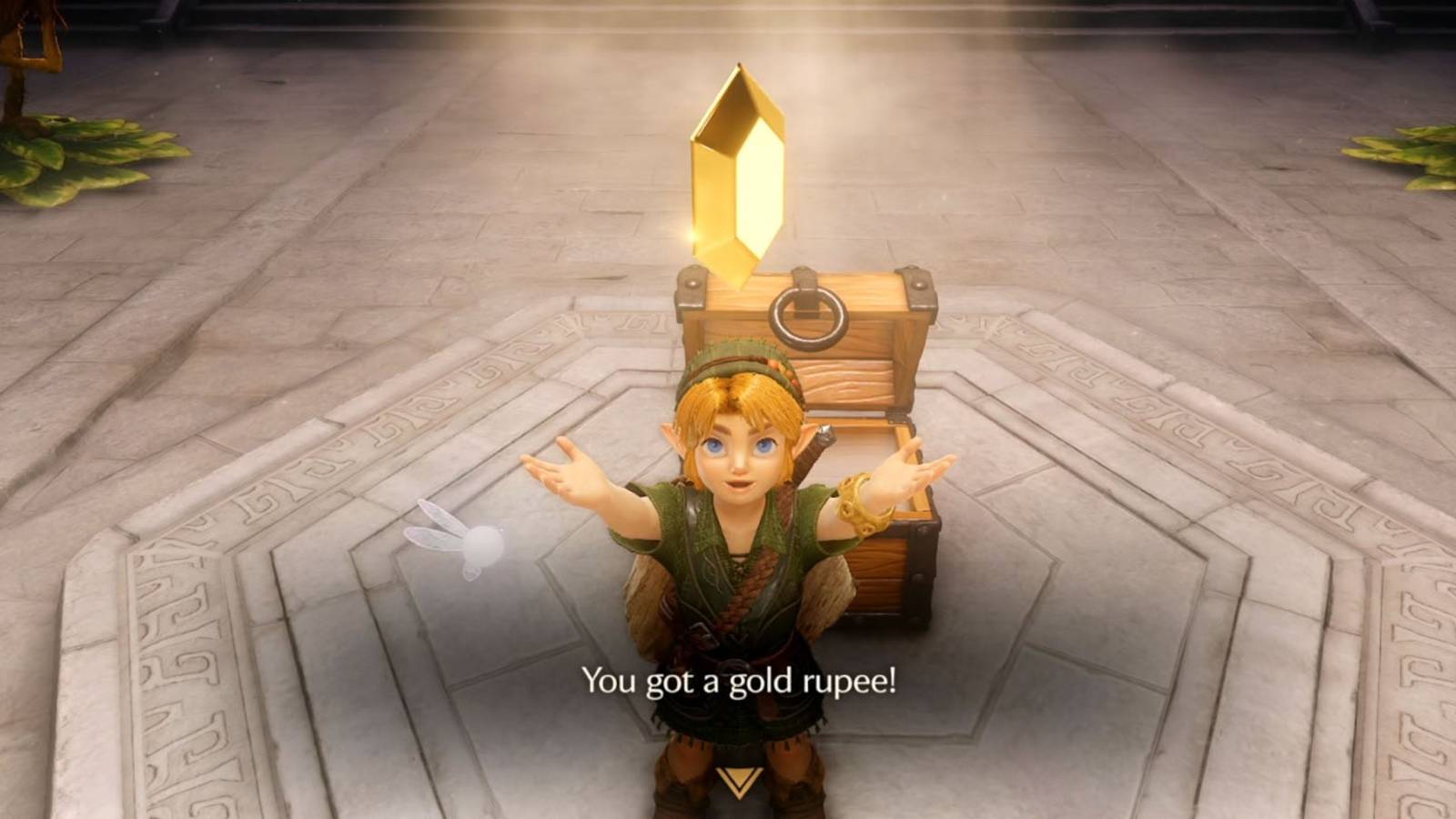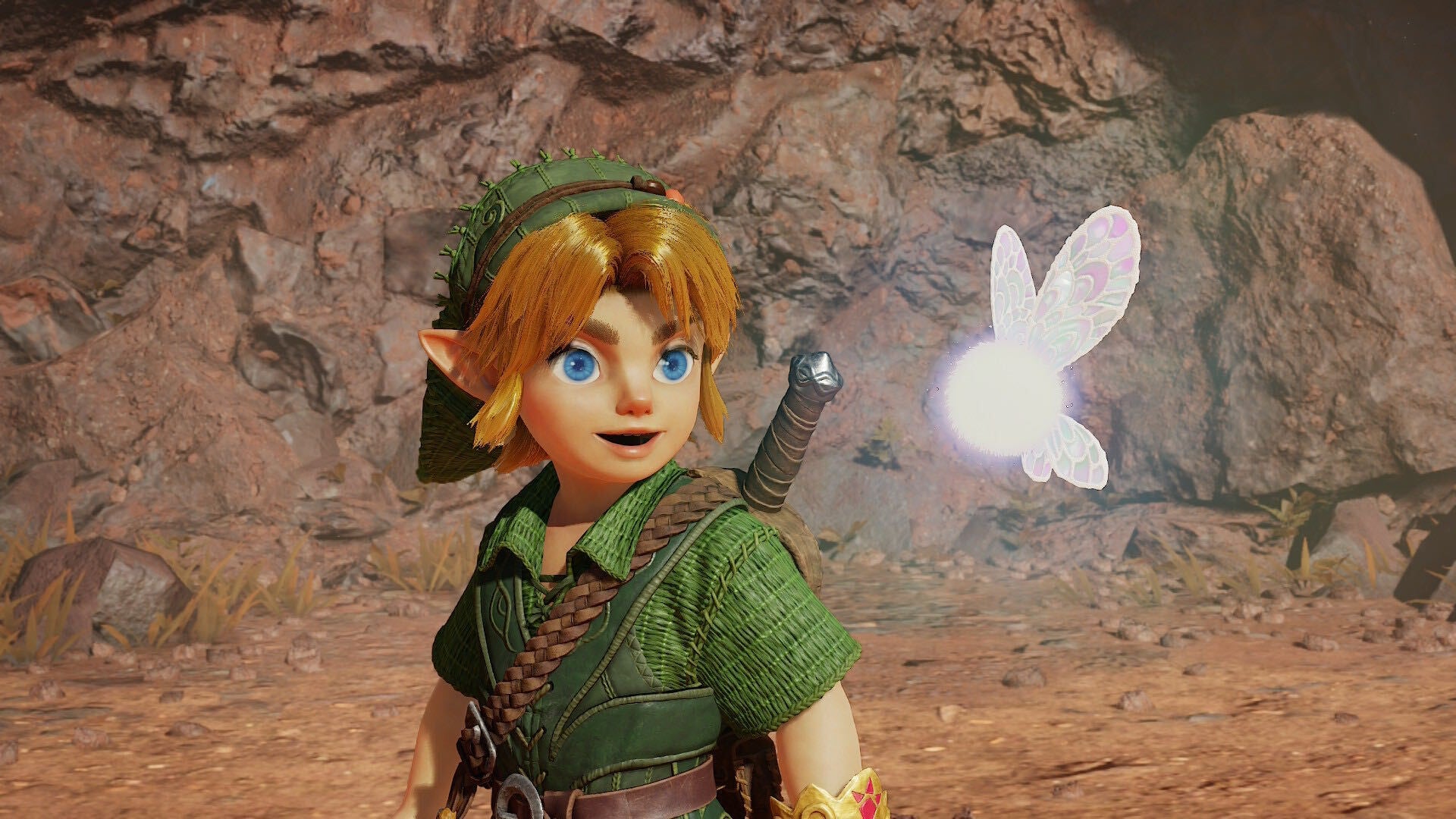
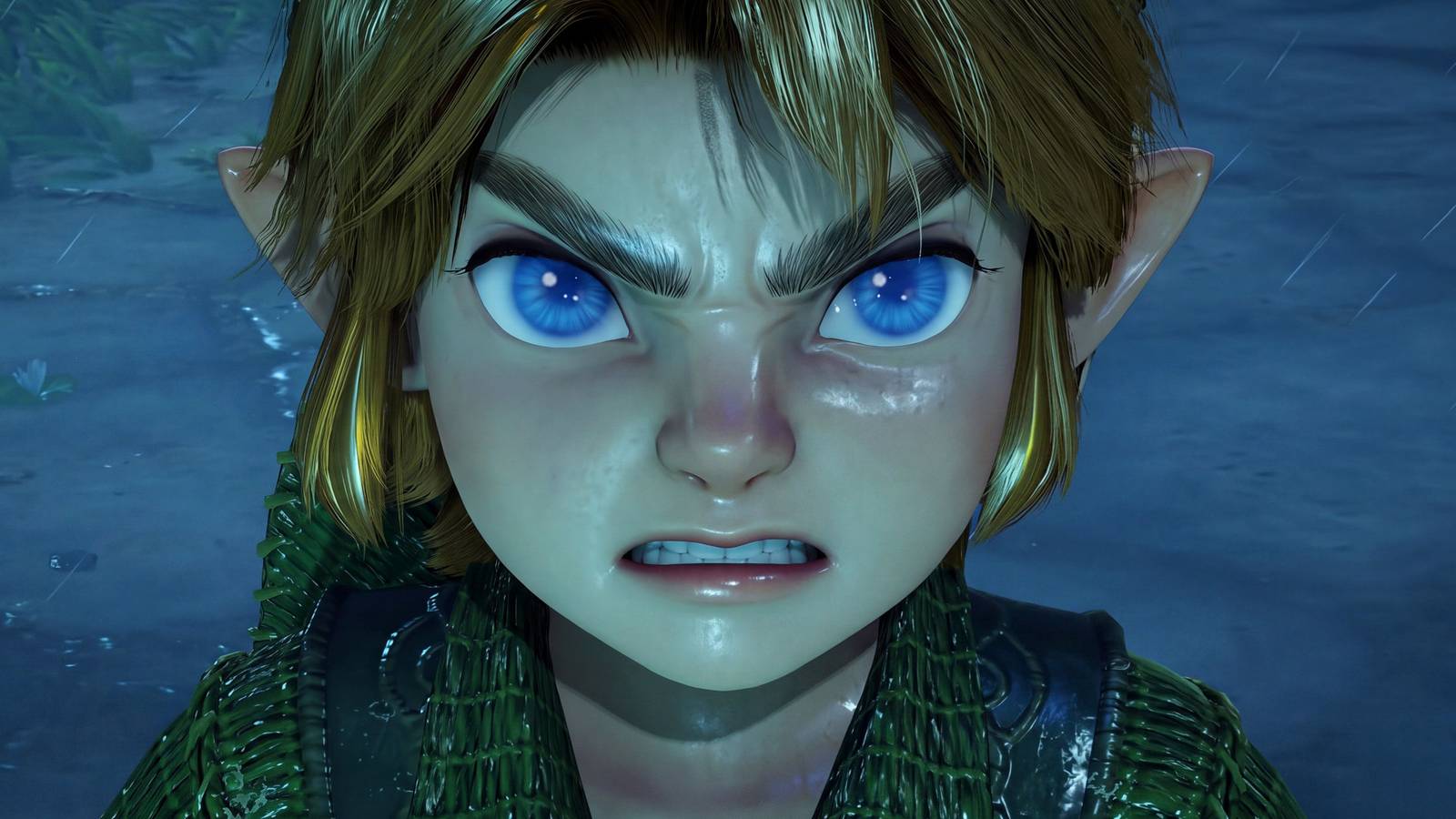



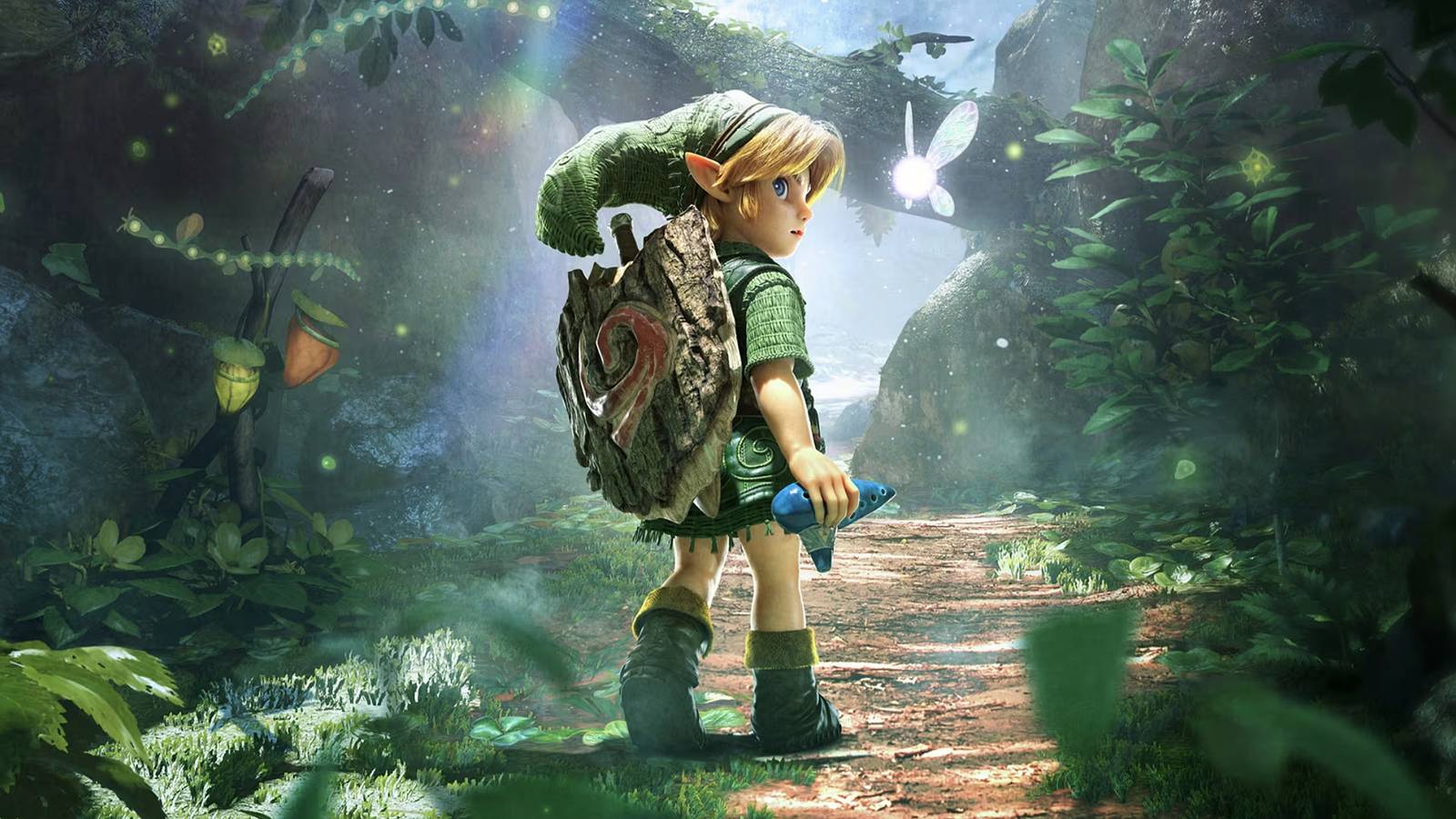
Ever since Nintendo revealed The Legend of Zelda: Ocarina of Time remake during September’s 40th Anniversary Zelda Direct, I’ve spent quite a bit of time thinking about everything that has changed. Ahead of the game’s release, the new art style understandably sparked one of the most heated debates, and considering how different it looks compared to the N64 original, I can’t say I’m surprised—especially in today’s climate. But with the Ocarina of Time remake now available and my thumbs finally on the sticks, I’m beginning to realize that one of its most important improvements has very little to do with what you can actually see on the screen. In fact, after reading Nintendo’s latest Ask the Developer interview, I’m certain that’s objectively true.
When I think back to playing the original Ocarina of Time in 1998, even more than what it looked like, I remember what it sounded like. The soundtrack, in particular, was a standout feature of the N64 game, but the sound effects overall were so iconic that, if you played it enough, you can hear them so clearly in your head that you’ll even get the pitch right. In fact, those sounds have become so closely associated with the original that I imagine plenty of returning players could recognize where they are without looking at the screen. Apparently, Nintendo understood that simply replacing them with more impressive recordings wasn’t necessarily going to make the remake better.
Ocarina of Time’s Soundtrack Is Getting More Than an Orchestral Makeover
In Part 4 of Nintendo’s Ask the Developer interview, Ohashi revealed that the remake features more than 150 pieces of background music, including new compositions for scenes that weren’t in the original game. Rather than start from scratch, the team incorporated familiar motifs into those pieces, including one accompanying a new scene in Kokiri Forest. But what interested me more was the decision not to treat every piece as an opportunity to show off a full orchestra. Ohashi explained that the quieter compositions were deliberately kept simple, while the grander themes were given room to sound as impressive as players might expect from a modern remake.

Guess the games from the emojis.
That might seem like an obvious decision, but the original Ocarina of Time was already doing some rather clever things with its soundtrack back in 1998. In an older Iwata Asks interview about Ocarina of Time 3D, composer Koji Kondo explained that Hyrule Field’s music consisted of roughly 20 short sections that could be rearranged, allowing it to change naturally as Link explored or approached enemies. That’s considerably more involved than simply playing one song on a loop, especially given the N64’s limitations. So when the remake’s developers say they studied how those compositions originally worked, I think they were looking beyond which instruments sounded best.

And some of the most interesting decisions involve bringing back sounds that might seem outdated next to a live orchestra. According to Ohashi, certain arrangements feature sounds recreated using the original N64 sound source as a reference, rather than simply reusing recordings from the old game. Fujibayashi singled out the music inside Link’s house, explaining that hearing those familiar tones mixed into the new arrangement caught him off guard. It reminds me of Nintendo’s approach to the 2019 Link’s Awakening remake, where composer Ryo Nagamatsu resisted making every track more elaborate and incorporated elements from the original audio. There’s a difference between recognizing a familiar melody and recognizing the particular sound that made it memorable.
In Part 4 of Nintendo’s Ask the Developer interview, Ohashi revealed that the remake features more than 150 pieces of background music, including new compositions for scenes that weren’t in the original game.
The improvements don’t stop with the music, either, and this is where I personally think the remake makes Hyrule itself feel more convincing without changing its layout. Nintendo added environmental sounds that respond to Link’s surroundings, including the waterfall in Kokiri Forest becoming quieter as he walks away, while also supporting 5.1-channel surround sound. Even the ocarina was recorded using a real instrument, with its resonance changing depending on where Link plays it and the sound of the performer’s breath coming through in the recording. Considering how important that instrument is to the game—I mean, it’s quite literally the game’s namesake—I love the fact that playing a song somewhere new makes it sound a bit different.
Ocarina of Time Remake Understands the Importance of Familiar Sounds

Nintendo has extended that attention to familiar sounds into the remake’s fully voiced cutscenes, too, conducting blind auditions to find actors whose performances matched how the original characters sounded. Aonuma even revealed that one actor selected during the Japanese auditions turned out to have voiced the same character in the N64 game, despite the team not knowing who they were auditioning. And for players who want to participate in the music themselves, the Switch 2’s microphone can recognize songs they hum or play on a real ocarina, allowing Link to perform them in the game. To my surprise, I’ve actually taken advantage of that feature many times already while playing, simply because I didn’t want to fumble through the notes trying to find the correct ones, and I already have the songs in my head from nearly 30 years ago anyway.
Of course, I don’t expect everyone to notice all these differences, especially when the remake’s new visuals are so incredibly gorgeous to look at and therefore immensely distracting (in a good way). But that’s precisely why Nintendo’s approach to sound is worth appreciating, because some of the original game’s most memorable moments were influenced by things we heard without necessarily thinking about them. I’ve played Ocarina of Time enough times that revisiting Hyrule can feel almost automatic, and I wouldn’t want a remake to lose that familiarity simply because it has more powerful hardware to work with. I’d say the fact that Nintendo managed to make the world sound more alive while still letting me recognize the place I’ve known since childhood is, without a doubt, one of its greatest achievements.


- Released
-
November 5, 2026
- ESRB
-
Everyone 10+ / Animated Blood, Fantasy Violence
- Developer(s)
-
Nintendo
- Publisher(s)
-
Nintendo